330 Best Succulents for Ajka | 2026 Guide - Page 2
The 330 best succulents to grow in Ajka. Ideal climate: 11.6°C, 76.3% humidity.
330 Succulents for Ajka
Showing 37-72 of 330
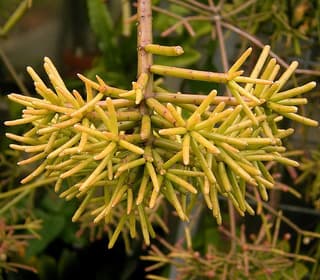
Mistletoe Cactus
Rhipsalis teres
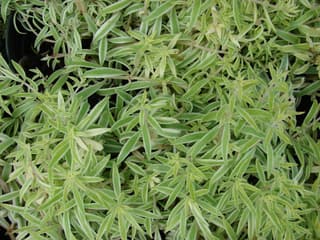
Needle Stonecrop
Sedum lineare
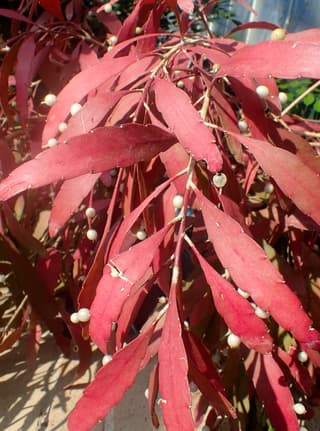
Red Mistletoe Cactus
Pseudorhipsalis ramulosa

Copper Spoons
Kalanchoe orgyalis
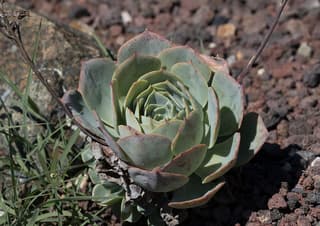
Echeveria Dionysos
Echeveria 'Dionysos'
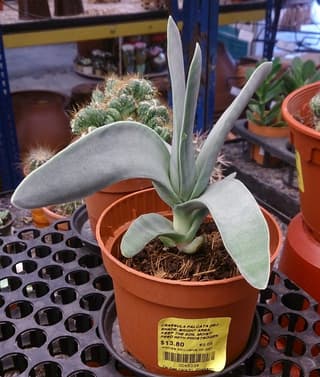
Propeller Plant
Crassula perfoliata
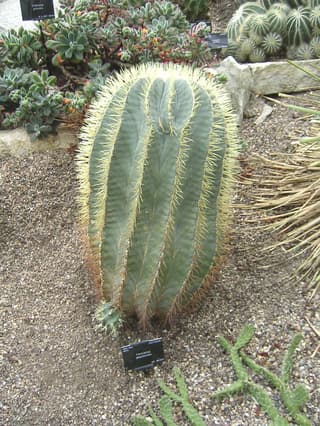
Blue Barrel Cactus
Ferocactus glaucescens

Beach Apple Cactus
Cereus fernambucensis
Guatemalan Dragon Fruit
Hylocereus guatemalensis
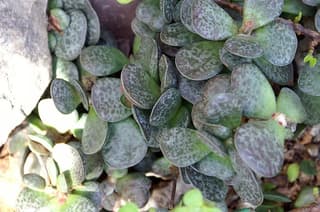
Calico Hearts
Adromischus maculatus
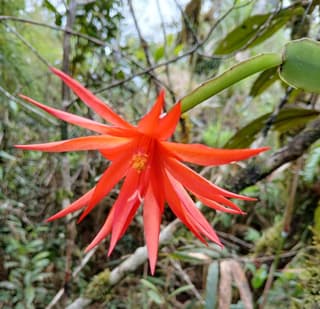
Easter Cactus
Rhipsalidopsis gaertneri
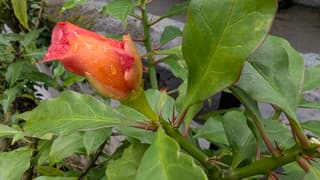
Rose Cactus
Rhodocactus grandifolius
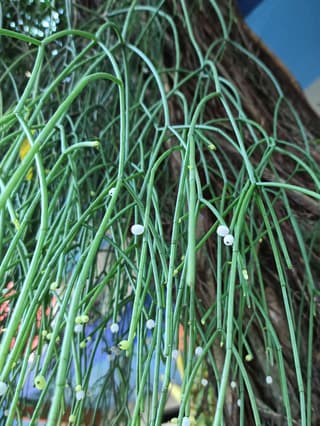
Mistletoe Cactus
Rhipsalis
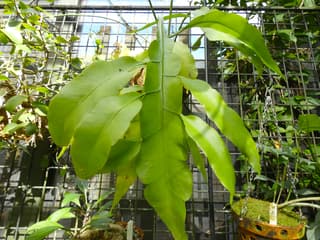
Queen of the Night
Epiphyllum oxypetalum
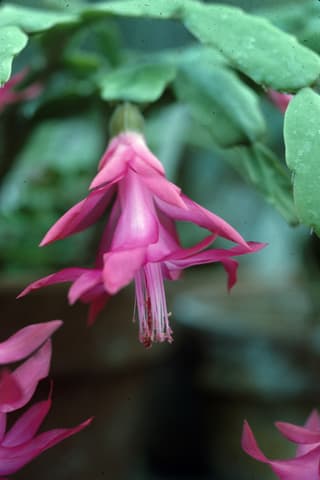
Christmas Cactus
Schlumbergera buckleyi
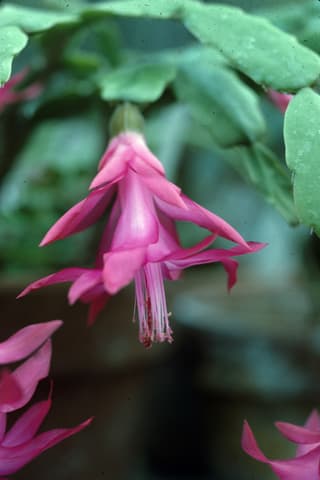
Christmas Cactus
Schlumbergera × buckleyi
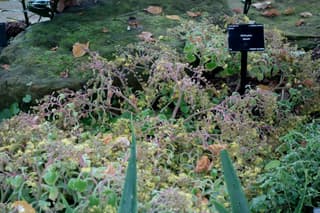
Tree of Love
Aichryson laxum
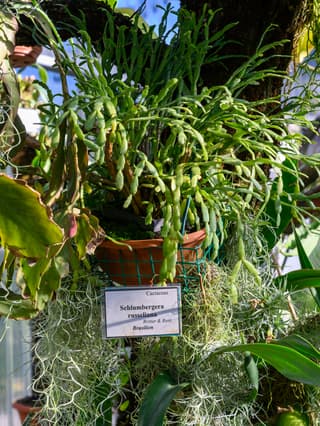
Christmas Cactus
Schlumbergera russelliana
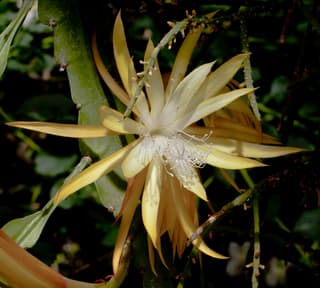
Fishbone cactus
Epiphyllum anguliger
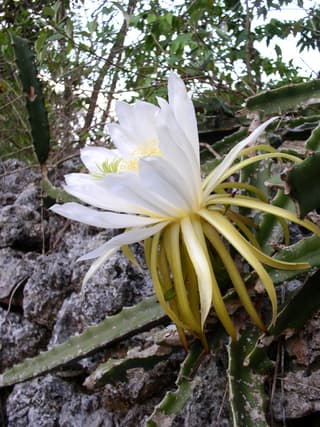
Strawberry Pear
Selenicereus triangularis
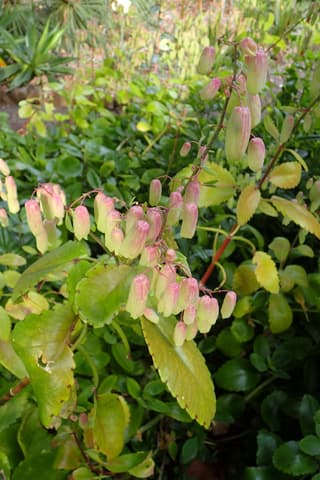
Cathedral Bells
Kalanchoe pinnata
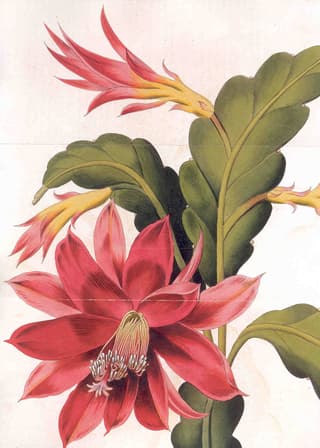
Red Orchid Cactus
Disocactus ackermannii
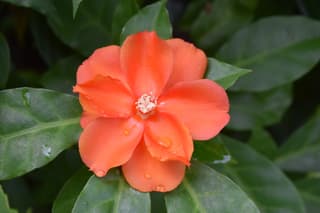
Leaf Cactus
Leuenbergeria
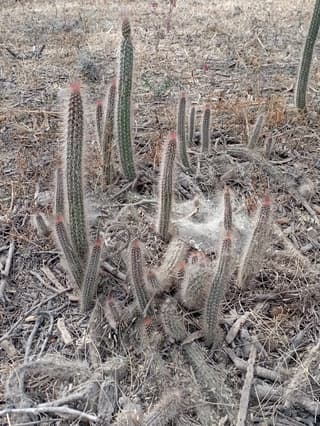
Snake Cactus, Junco, Queen of the Night
Nyctocereus serpentinus
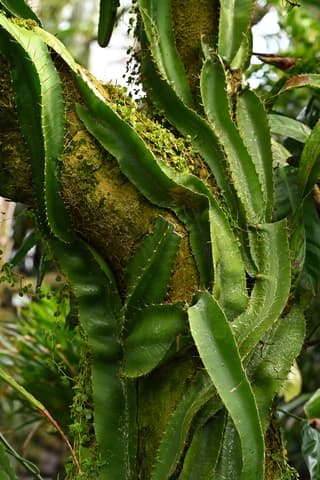
Climbing Cactus
Epiphyllum phyllanthus
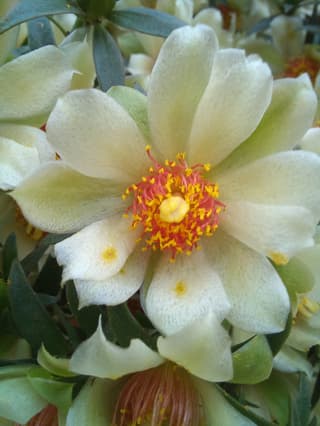
Ora-pro-nobis
Pereskia aculeata
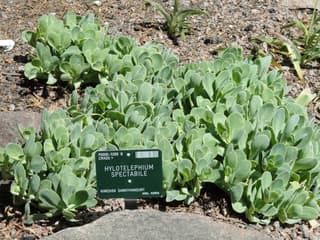
Showy Stonecrop
Sedum spectabile
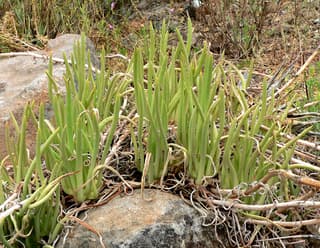
Fingertips
Dudleya edulis
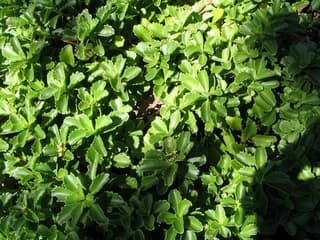
Kamchatka Stonecrop
Phedimus kamtschaticus
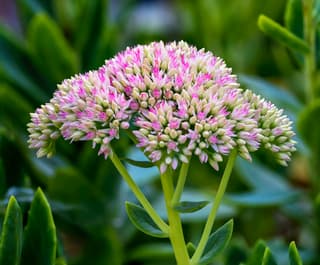
Autumn Joy Sedum
Hylotelephium
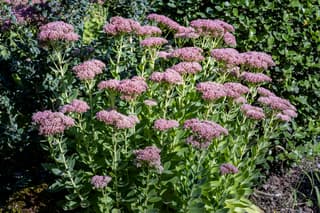
Orpine
Hylotelephium telephium
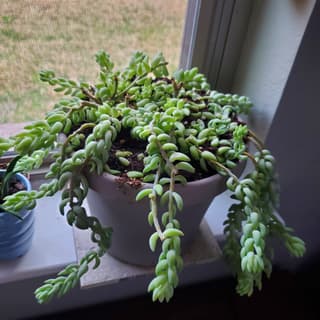
Stonecrop (genus)
Sedum
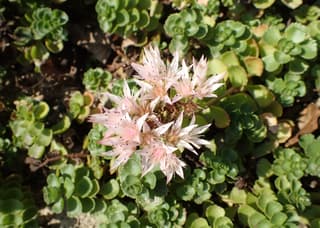
Two-row Stonecrop
Phedimus spurius
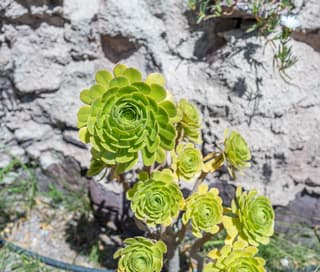
Stalked Aeonium
Aeonium undulatum
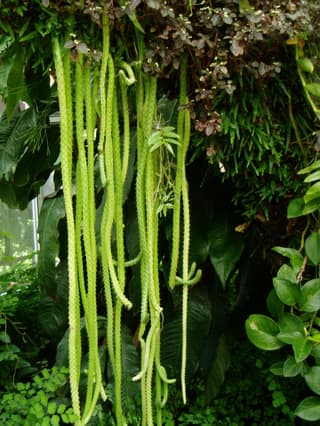
Rat Tail Cactus
Disocactus flagelliformis
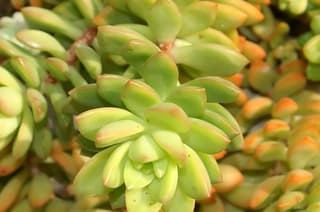
Golden Sedum
Sedum adolphi
Ideal Succulents for Ajka's Climate
Ajka has an average temperature of 11.6°C and humidity of 76.3%, conditions that directly influence which succulents best adapt to the local environment.
How to Grow Succulents in Ajka
To successfully grow succulents in Ajka, consider that the average temperature of 11.6°C and humidity of 76.3% create a specific microclimate. High humidity favors tropical species, but requires attention to ventilation to prevent fungal issues.
Advantages of Choosing Adapted Succulents
Succulents adapted to Ajka's climate show greater resistance, healthy growth, and less need for interventions.