Blog
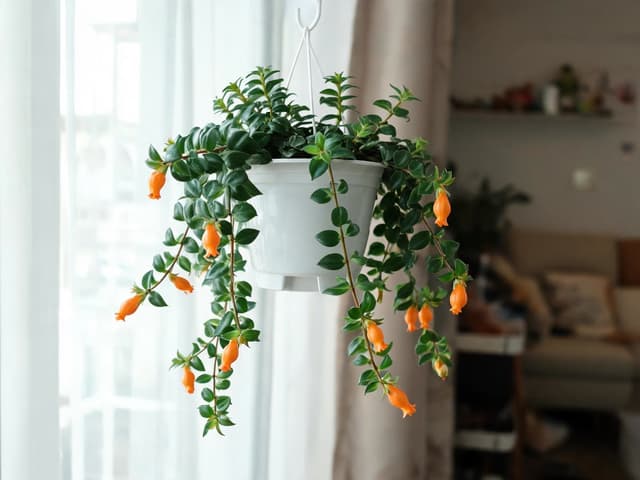
How to Care for a Goldfish Plant: Light, Watering, and Blooms
How to care for a goldfish plant: bright light without strong sun, water when the soil surface dries, and humid air. Learn how to tell a Nematanthus from a Columnea, why it drops leaves, and how to get it to bloom again.
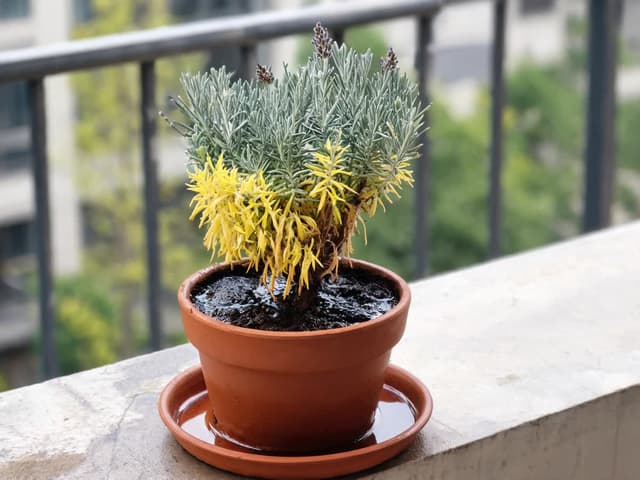
Lavender Leaves Turning Yellow: Where the Yellowing Starts Shows the Cause
Lower leaves turning yellow with moist soil means overwatered roots, the most common cause. Old leaves drying one by one on woody stems is normal. Take the stem and root test, see if your plant can still be saved, and find out what to do today.
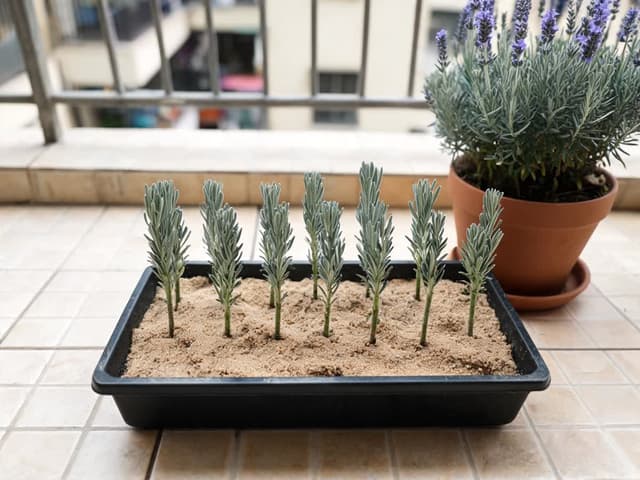
How to Propagate Lavender: Where to Cut and Why Cuttings Rot
A lavender cutting comes from a non-flowering branch tip, about 4 inches long, planted in sandy soil that never stays soggy. Learn where to cut, rooting times, seasonality in Brazil, and what to do if the base turns black.
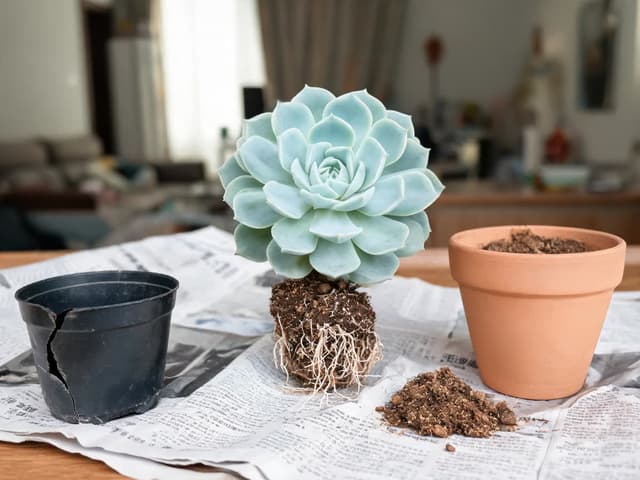
How to Repot a Succulent: When to Change Pots and When to Water After
Repot your succulent in dry soil, using a pot with drainage that is only slightly larger than the roots, and time the watering correctly: the same day if no roots broke, or after 7 days if any were cut. In the southern hemisphere, spring is September to November.
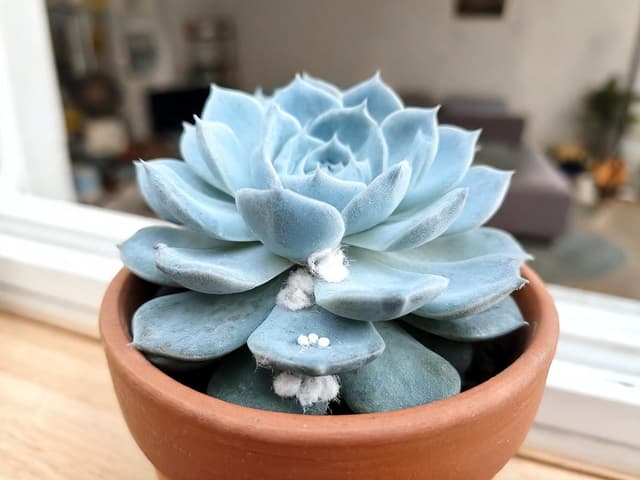
Succulent Pests: How to Remove Mealybugs Without Ruining Your Plant
That white cottony fuzz in your succulent's crevices is mealybugs. Learn how to tell pests apart from natural echeveria farina, how to use rubbing alcohol safely, why soap and oils harm jade, how to spot root mealybugs, and when a plant cannot be saved.
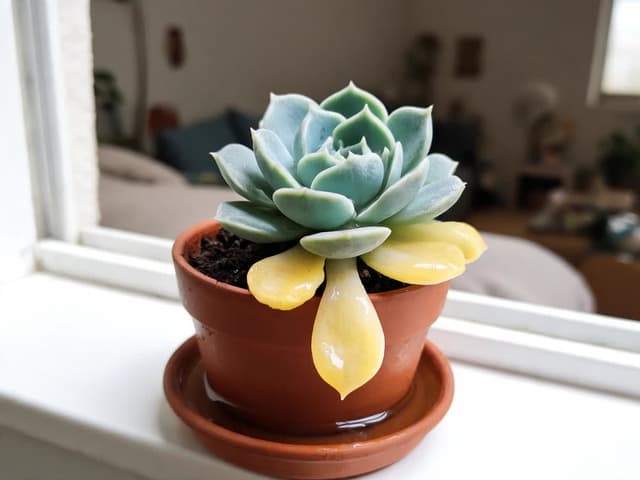
Succulent with Yellow Leaves: Normal, Overwatering, or Too Much Sun?
Bottom leaves drying out one by one is normal. Soft, yellow leaves mean overwatered roots, wrinkled and firm leaves mean thirst, and firm yellow or orange on the window side means strong light. See the touch test and how to save it.
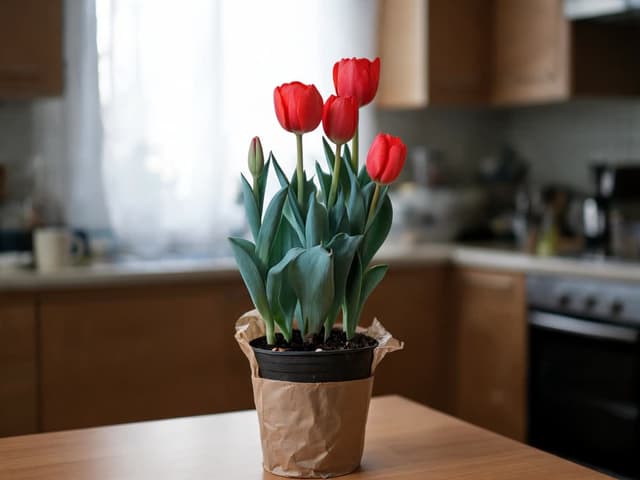
How to Take Care of Tulips in a Pot: Light, Water, Cool Temps, and After Flowering
Potted tulip care: bright spot without direct sun, the coolest corner of the house, and water when the soil surface dries out. See how long blooms last, what to do when petals drop, and whether reblooming works in Brazil and other warm climates.
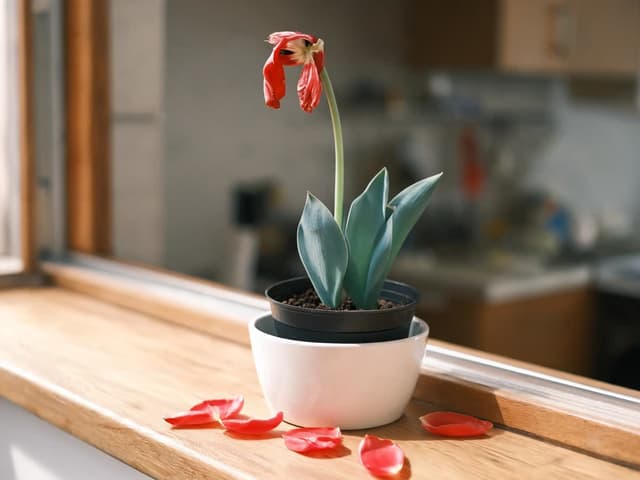
What to Do with Tulips After They Bloom: Care and Bulb Storage
Your tulip is not dying: when petals drop and leaves yellow, the bulb is going dormant. Learn how to care for tulips after blooming, how to chill the bulb in the fridge, and when it can flower again.
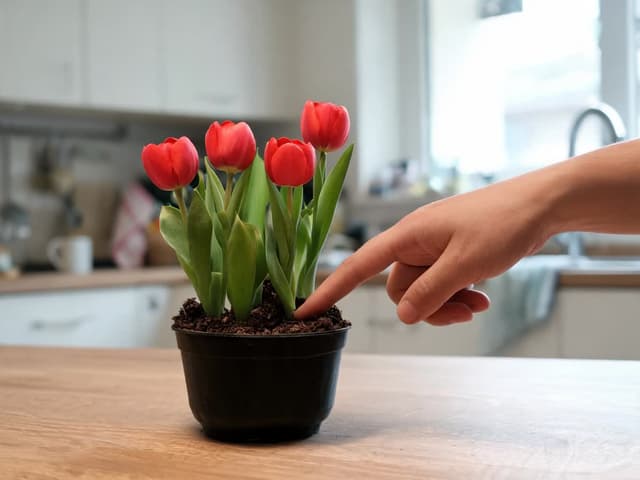
How Often to Water Potted Tulips, Stage by Stage
How often to water tulips: there is no fixed day. For a blooming potted tulip, water when the soil surface feels dry to the touch, until water drains through the hole. Do not let the pot sit in water for long. Learn what changes at every stage.
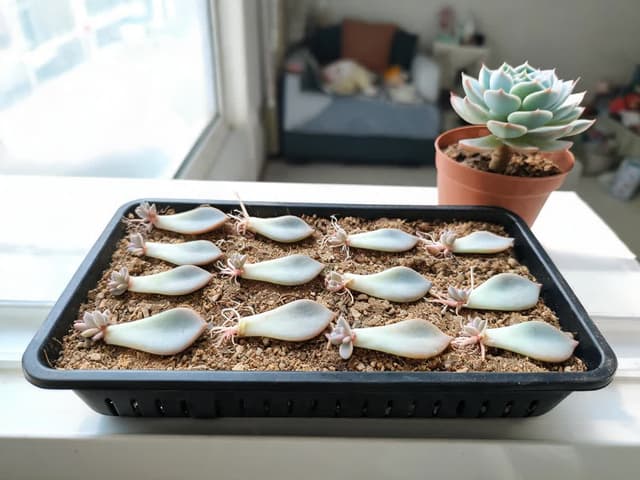
How to propagate succulents: the right method for every type
An entire leaf turns into a cutting in sedum, graptopetalum, jade, and kalanchoe. Echeveria and aeonium take better from a stem-cut rosette, and haworthia from offsets. See how many days to callus, what soil to use, and when to water the cutting.
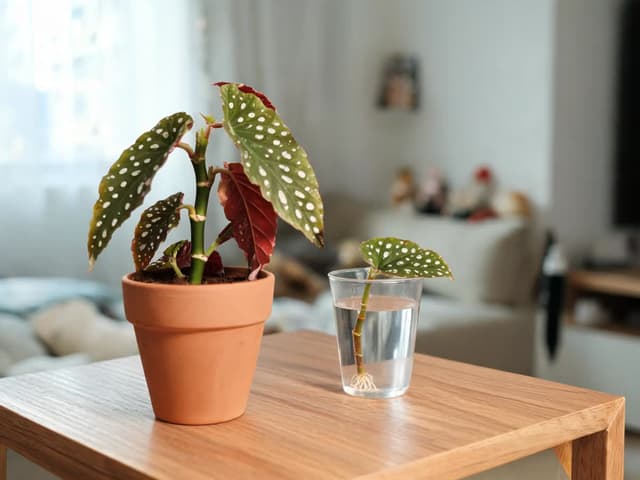
How to Propagate Begonias: The Right Method for Every Type
Almost every begonia takes from stem cuttings, but only rex, rhizomatous, and tuberous types form a new plant from a leaf. Learn where to cut without harming the mother plant, how to root in water or soil, and the right method for each type.
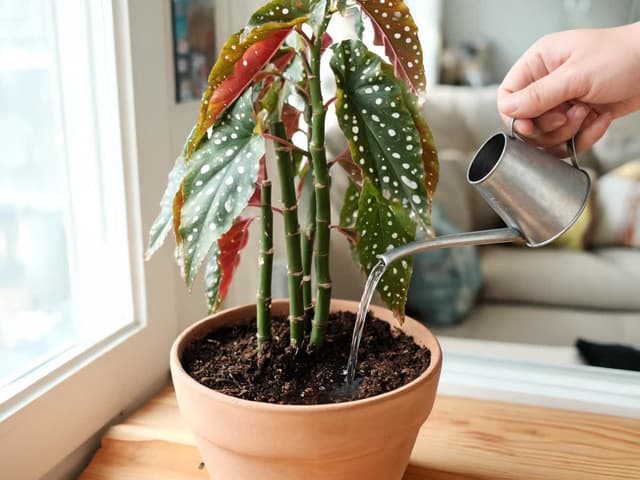
How to Water Begonias: When, Where, and Tips for Every Type
How to water begonias: let the top 1.3 to 2 cm (1/2 to 3/4 inch) of soil dry out and water the soil, not the leaves. Drain excess water and empty the saucer. See care tips for maculata, rex, wax, elatior, and tuberous varieties.