Cactaceae
Trichocereus macrogonus (Macrogonus Torch Cactus)
Trichocereus macrogonus
An easy cactus that grows at a decent pace for a column. Give it full sun, fast-draining soil, and water only when the soil is dry. In winter, keep it cool, dry and mostly unwatered; it handles light frost down to about -4 °C if the soil is dry.
Every 14 days
Direct sun
-4° - °C
% - %
Categories
What is Macrogonus Torch Cactus?
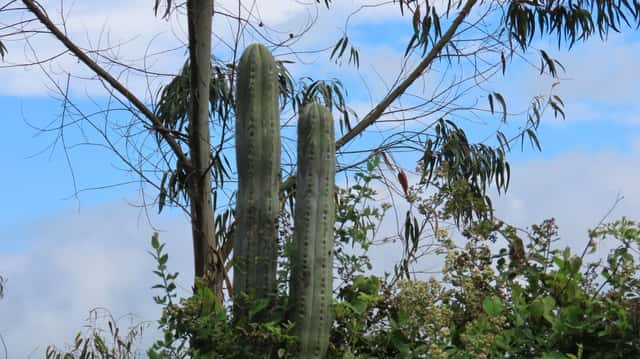
Macrogonus Torch Cactus (Trichocereus macrogonus) is a easy-care plant from the Cactaceae family. Trichocereus macrogonus is a columnar cactus from the high valleys of Peru and possibly northwestern Bolivia. Its upright stems reach 2.5 to 5 metres and branch from the base. The branches are thick, 6 to 20 cm across, with 6 to 8 broad ribs and blue-green skin that is sometimes covered in a bluish...
Macrogonus Torch Cactus grows up to 5.0m, watering every 14 days. It is suitable for indoor environments and not safe for pets.
Unlike many tropical plants, Macrogonus Torch Cactus tolerates watering mistakes. Best for beginners. Without precautions, ingestion can cause irritation in pets. Keep out of reach of cats and dogs. Without adequate drainage, root rot can develop within 28 days.
How to Care for Macrogonus Torch Cactus?
TLDR: Macrogonus Torch Cactus needs Direct sun, watering every 14 days, and temperatures between -4-30°C with 40-70% humidity.
How Often Should You Water Macrogonus Torch Cactus?
In spring and summer, water deeply once the soil has dried out completely, usually every 10 to 14 days. In winter, water about once a month or not at all, depending on the cold. Water sitting around the roots rots the cactus.
How Much Light Does Macrogonus Torch Cactus Need?
Direct sun for most of the day. When moving it out of the house or greenhouse, ease it in over a couple of weeks, because sudden strong sun scorches and yellows the skin.
What Is the Best Soil for Macrogonus Torch Cactus?
Fast-draining, slightly acidic cactus mix, with plenty of coarse sand, grit or pumice.
What Pot Should You Use for Macrogonus Torch Cactus?
A heavy terracotta pot with a drainage hole, slightly wider than the base. Tall columns tip over easily, so pick a wide pot or add a stake.
Care Schedule
Fertilize
Every 30 days
What Is Macrogonus Torch Cactus and Where Does It Come From?
Trichocereus macrogonus is a columnar cactus from the high valleys of Peru and possibly northwestern Bolivia. Its upright stems reach 2.5 to 5 metres and branch from the base. The branches are thick, 6 to 20 cm across, with 6 to 8 broad ribs and blue-green skin that is sometimes covered in a bluish bloom. The grey or dark brown areoles sit more than 2.5 cm apart and carry up to 20 spines, including 3 or 4 central spines up to 5 cm long. Flowers open at night near the stem tips. They are large, about 21 cm long, white inside, with pale yellow or greenish outer tepals. It is a close relative of San Pedro (Trichocereus pachanoi) and the Peruvian torch (T. peruvianus), and some botanists treat all three as one species.
How to Propagate Macrogonus Torch Cactus?
Stem cutting
Mark which end is the top: a cutting planted upside down will not root. Thicker pieces root faster.
- 1 Cut a 20 to 30 cm piece of stem with a clean knife
- 2 Let the cut end dry and callus in shade for 1 to 3 weeks
- 3 Stand it upright, 3 to 5 cm deep, in dry cactus mix
- 4 Wait 1 to 2 weeks before the first light watering
Materials needed:
Seed
Seedlings grow slowly in their first year and should not dry out completely at that stage.
- 1 Scatter seeds on fine, moist mix without covering them
- 2 Cover the pot with clear plastic to hold humidity
- 3 Keep in bright light out of direct sun at 20-25 °C
- 4 Remove the plastic gradually once seedlings appear
Materials needed:
How Big Does Macrogonus Torch Cactus Grow?
TLDR: Macrogonus Torch Cactus can reach up to 5.0m tall with Medium growth rate.
Max height
5.0m
Warning: Toxic Plant
This plant can be toxic if ingested. Keep out of reach of:
Plant Uses
Ornamental
Great for decoration
Is your plant showing symptoms?
Click on the symptom to discover possible causes:
What Diseases Commonly Affect Macrogonus Torch Cactus?
TLDR: Macrogonus Torch Cactus is susceptible to 5 known diseases. Monitor regularly for early detection.
Root Rot
Root rot is a serious fungal disease that affects the root system of plants, causing them to decay and die. It is primarily caused by overwatering, poor drainage, or soil-borne fungi such as Pythium, Phytophthora, Rhizoctonia, and Fusarium. The disease thrives in waterlogged conditions where roots are deprived of oxygen, making them susceptible to fungal infection.
Sunburn (Sun Scorch)
Sunburn or sun scorch is an environmental condition that occurs when plants are exposed to intense, direct sunlight beyond their tolerance level. This causes the breakdown of chlorophyll in the leaves, resulting in bleached, dried, and damaged foliage. The damage can happen rapidly, sometimes within just a few hours of exposure.
Mealybugs
Mealybugs are small, soft-bodied insects covered with a white, waxy, cottony material. They are common pests of houseplants and outdoor plants in mild climates. These sap-sucking insects feed on plant tissue, causing damage, stunted growth, and can lead to plant death if left untreated. They produce sticky honeydew which attracts sooty mold.
Scale Insects
Scale insects are small sap-sucking pests that appear as brown, shell-like bumps on plant stems and leaves. There are over 25 species, divided into armored (hard) and unarmored (soft) scales. They feed by piercing plant tissue and extracting sap, which weakens the plant and can lead to yellowing, stunted growth, and even death if left untreated. They also excrete honeydew, which attracts ants and promotes sooty mold growth.
Fun Facts
Cactus remains from this group found in Guitarrero Cave, Peru, are among the oldest signs of people using cacti in the Andes.
A single flower can be more than 20 cm long and lasts only one night.
Stems grown in a sunnier spot develop more spines.
Frequently asked questions
How is Trichocereus macrogonus different from pachanoi and peruvianus?
How often should I water it?
Can it take cold?
Is it toxic?
Compare with similar plants
| Attribute | Difficulty | Light | Watering | Pet Safe |
|---|---|---|---|---|
| Field Maple | Easy | Bright indirect | 14d | ✓ |
| Iberian Houseleek | Easy | Direct sun | 14d | ✓ |
| Silver Birch | Easy | Direct sun | 14d | ✓ |
| Common Blanketflower | Easy | Direct sun | 10d | ✓ |
Choose & Compare
Sources & References
- Wikipedia - Echinopsis macrogona (Trichocereus macrogonus)
- Albesiano & Kiesling 2012, Haseltonia 17: 24-34 - Trichocereus macrogonus revision
- Harvest to Table - How to Grow Trichocereus (Torch Cactus)
- Easyscape - Trichocereus macrogonus
- The Succulent Source - Trichocereus Peruvianus Blue Peru (glaucous macrogonus-type)





