Cactaceae
Feather cactus (Mammillaria plumosa)
Mammillaria plumosa
A sun-loving cactus that needs care with water. Give it full sun or very bright light, with a little shade on the hottest afternoons, and a gritty, fast-draining mix. Water the soil, not the plant, and only once the mix has dried; never leave water sitting among the spines. In winter, water much less and keep it above 4 °C. It grows slowly and rots easily.
Every 14 days
Direct sun
4° - °C
% - %
Categories
What is Feather cactus?
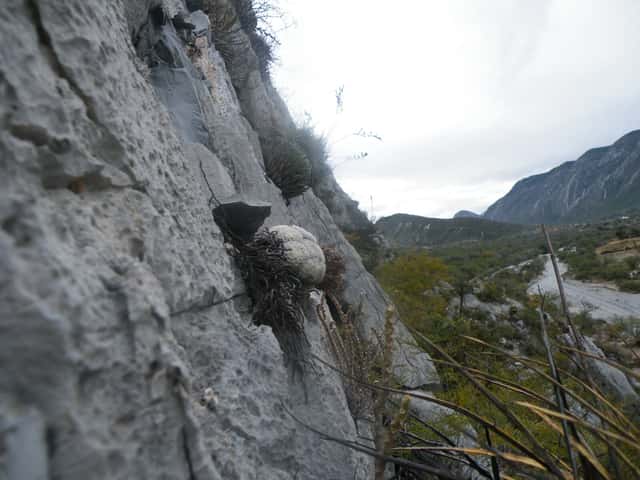
Feather cactus (Mammillaria plumosa) is a medium-care plant from the Cactaceae family. Mammillaria plumosa is a small cactus from north-eastern Mexico (Coahuila, Nuevo León and Tamaulipas), where it grows on limestone cliffs in dry scrub at 730-1,350 m. It forms low clumps of round heads 4-7 cm across that in time reach 12 cm tall and 40 cm wide. The pale green body is hidden under ab...
Feather cactus grows up to 12cm, spread of 40cm, watering every 14 days. It is suitable for indoor environments and safe for pets.
Unlike many popular species, Feather cactus is safe to keep around pets. Without adequate drainage, root rot can develop within 28 days.
How to Care for Feather cactus?
TLDR: Feather cactus needs Direct sun, watering every 14 days, and temperatures between 4-30°C with 40-70% humidity.
How Often Should You Water Feather cactus?
Water when the mix is completely dry, every 1-2 weeks in summer, pouring around the edge of the pot rather than over the plant. In winter, water very sparingly, just enough to keep the roots from drying out completely.
How Much Light Does Feather cactus Need?
Full sun or a very bright window (south- or west-facing in the northern hemisphere). In strong heat, some afternoon shade prevents scorch.
What Is the Best Soil for Feather cactus?
Cactus compost with plenty of coarse sand, grit or gravel and a little charcoal. It must drain very fast.
What Pot Should You Use for Feather cactus?
A wide, shallow terracotta pot with a drainage hole so the clump can spread.
What Is Feather cactus and Where Does It Come From?
Mammillaria plumosa is a small cactus from north-eastern Mexico (Coahuila, Nuevo León and Tamaulipas), where it grows on limestone cliffs in dry scrub at 730-1,350 m. It forms low clumps of round heads 4-7 cm across that in time reach 12 cm tall and 40 cm wide. The pale green body is hidden under about 40 white spines per areole, so fine and branched that they look like feathers: the plant feels soft and doesn't prick. The flowers are small, whitish-yellow, sometimes with a pink stripe, and sweetly scented; they appear in late summer or, in cultivation, often in winter. In the wild it is listed as Near Threatened because of illegal collecting for sale. It holds the RHS Award of Garden Merit.
How to Propagate Feather cactus?
Offsets
Broken heads rot easily if they get wet before callusing. Handle with tongs or folded paper to avoid crushing the spines.
- 1 Choose a well-formed side head
- 2 Remove it with a clean knife or by gently twisting
- 3 Let the cut dry and callus for 3-7 days
- 4 Set it on dry cactus mix and only start watering once roots appear
Materials needed:
Seed
Seedlings grow very slowly and take a few years to form clumps.
- 1 Scatter seed on fine cactus mix without covering
- 2 Cover the pot with clear plastic
- 3 Keep bright and warm, above 20 °C
- 4 Ventilate gradually after germination
Materials needed:
How Big Does Feather cactus Grow?
TLDR: Feather cactus can reach up to 12cm tall with Slow growth rate.
Max height
12cm
Spread
40cm
Growth rate
Slow
Foliage
Evergreen
Plant Uses
Ornamental
Great for decoration
Is your plant showing symptoms?
Click on the symptom to discover possible causes:
What Diseases Commonly Affect Feather cactus?
TLDR: Feather cactus is susceptible to 2 known diseases. Monitor regularly for early detection.
Root Rot
Root rot is a serious fungal disease that affects the root system of plants, causing them to decay and die. It is primarily caused by overwatering, poor drainage, or soil-borne fungi such as Pythium, Phytophthora, Rhizoctonia, and Fusarium. The disease thrives in waterlogged conditions where roots are deprived of oxygen, making them susceptible to fungal infection.
Mealybugs
Mealybugs are small, soft-bodied insects covered with a white, waxy, cottony material. They are common pests of houseplants and outdoor plants in mild climates. These sap-sucking insects feed on plant tissue, causing damage, stunted growth, and can lead to plant death if left untreated. They produce sticky honeydew which attracts sooty mold.
Fun Facts
Each areole carries about 40 white spines branched like a feather
The spines shade the plant from harsh desert sun
In Mexico it is illegally collected to decorate Christmas nativity scenes
Frequently asked questions
Does the feather cactus prick?
How do I water a feather cactus?
Does it need sun?
Is the feather cactus toxic to pets?
Compare with similar plants
| Attribute | Difficulty | Light | Watering | Pet Safe |
|---|---|---|---|---|
| Dark Fieldcap | Medium | Low light | 2d | ⚠️ |
| Azalea | Medium | Partial shade | 3d | ⚠️ |
| Muriel's Bamboo | Medium | Partial shade | 3d | ✓ |
| Bougainvillea | Medium | Direct sun | 7d | ⚠️ |
Choose & Compare
Sources & References
- Wikipedia — Mammillaria plumosa (feather cactus)
- LLIFLE — Mammillaria plumosa (description, habitat, cultivation)
- Desert Tropicals — Feather Cactus (Mammillaria plumosa)
- Succulents and Sunshine — Mammillaria plumosa care
- POWO (Kew) — Mammillaria plumosa native range
- ASPCA — plant list (Mammillaria fragilis, thimble cactus, non-toxic)