Blog
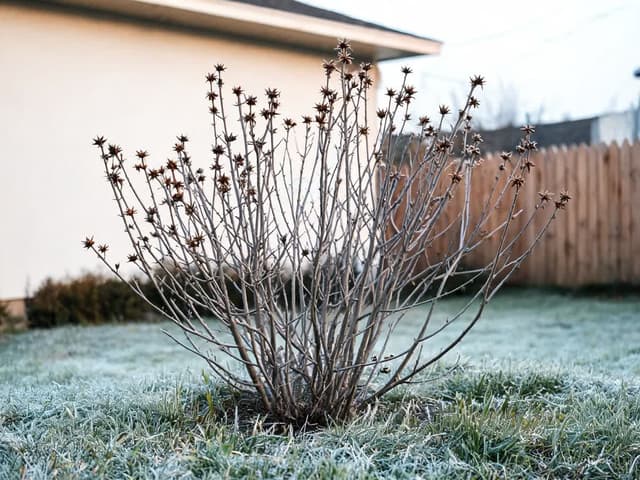
Hibiscus in winter: which ones withstand cold and how to care for each
Hibiscus in winter: rose of Sharon tolerates frost and stays leafless until late spring, while tropical hibiscus needs protection when nights reach 12 °C. Learn how to recognize yours and check if a bare branch is still alive.

How to Care for Hibiscus: Sun, Watering, Fertilizer, and Pruning for Flowers
How to care for hibiscus: 6 hours of direct sun, evenly moist soil without waterlogging, half-strength fertilizer in spring and summer, and pruning in early spring. Find out why the flower lasts one day and why buds drop before opening.

Do Ferns Like Sun or Shade? It Depends on the Type
Ferns prefer bright shade: plenty of light, but no direct sun on their fronds. Tuberous sword fern is the exception that handles sun. Here is the ideal light for each type, where to place pots, and how fronds show too much or too little light.

African Violet Yellow Leaves: Causes and What to Do
Yellow leaves on an African violet usually stem from overwatering, and the first place to check is the center of the plant. Losing one lower leaf at a time is normal. Identify whether age, watering, cold water, sunlight, cold drafts, or fertilizer is the culprit based on the yellowing pattern, and see what to do today.
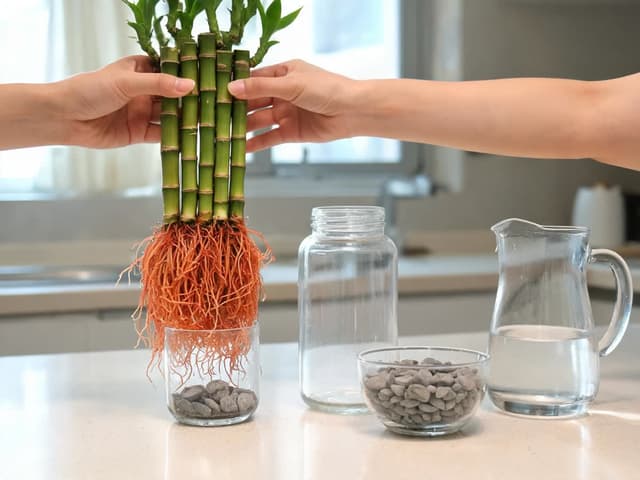
How to Repot Lucky Bamboo in Water and Soil
How to repot lucky bamboo: in water, clean pot and pebbles plus rainwater or distilled water; in soil, a pot 2 inches wider, with drainage. See when to repot, how to handle roots and braided stalks, and how to tell normal stress from rot.
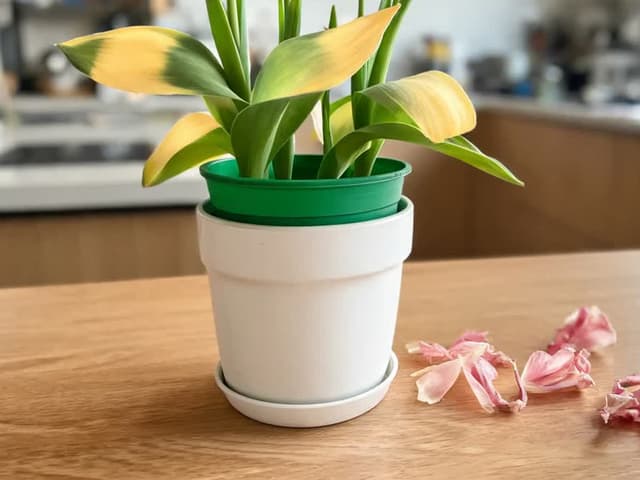
Tulip Leaves Turning Yellow: Normal or a Problem?
Tulip leaves turning yellow after the flower drops are part of the bulb's normal cycle, and the foliage stays until it dries out. Before blooming, a soft stem base, brown spots, or pale stretched leaves mean a problem. Learn how to tell them apart and what to do today.
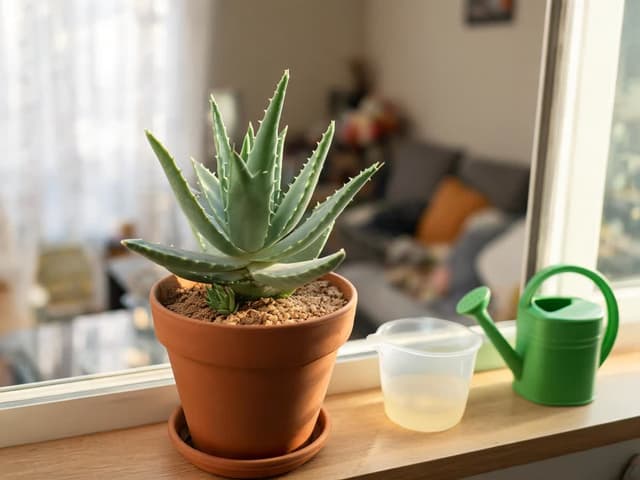
How to fertilize aloe vera without harming the plant
Aloe vera thrives with little to no fertilizer. If you want to fertilize, use half to one-quarter of the label strength every 3 to 4 waterings, from September to March in Brazil. Learn what fertilizer cannot fix and how to save an overfertilized plant.
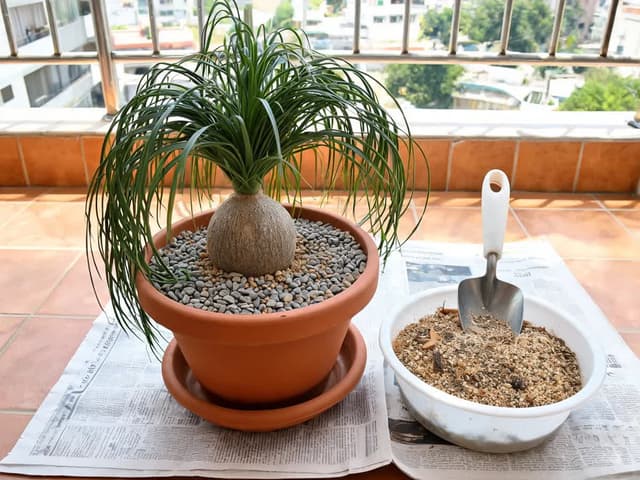
Ponytail Palm Soil: Fast-Draining Mix, Pot Size, and When to Repot
Ponytail palm soil is a cactus mix: 3 parts coarse sand or grit to 1 part potting soil, in a pot with drainage holes only 1 to 2 inches wider than the current one. See what to buy, when to repot, and how to handle mold.
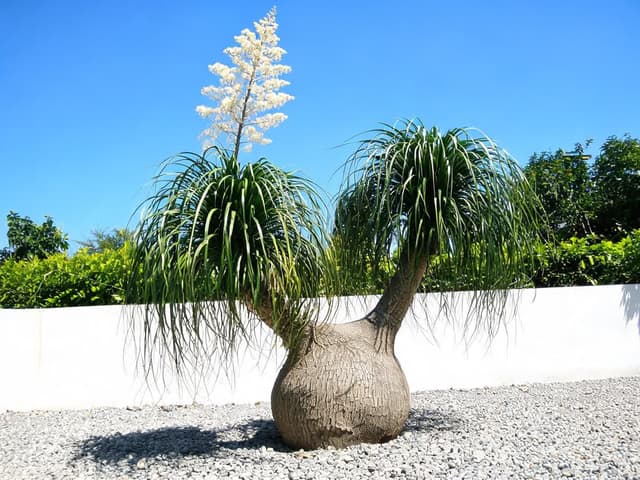
Does the Ponytail Palm Bloom? When Flowers Appear and What to Do
In a pot and indoors, the ponytail palm rarely blooms. Flowers appear on large, old plants, almost always planted in the ground in warm climates. Learn what the flower looks like, when it appears, if the plant dies afterward, and what to do with the stalk.
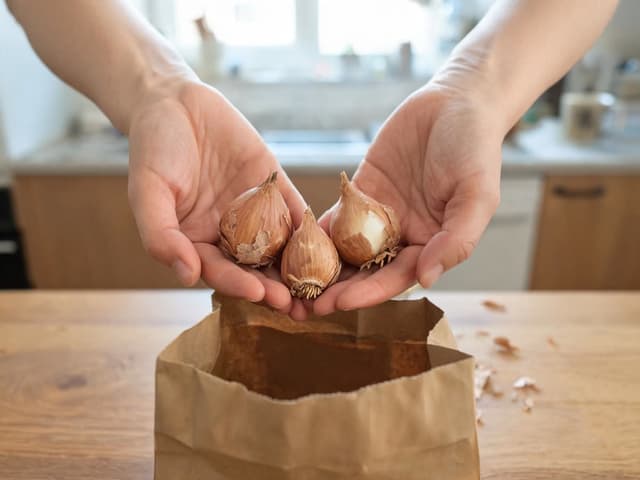
How to Store Tulip Bulbs After Flowering (and Make Them Bloom Again)
To store tulip bulbs after flowering, wait for the foliage to turn yellow, dig up the bulb, dry it in the shade, and keep it in a dry, ventilated spot. Learn why it should not go straight into the fridge, how many weeks of cold it requires, and what to expect from the next bloom in Brazil.
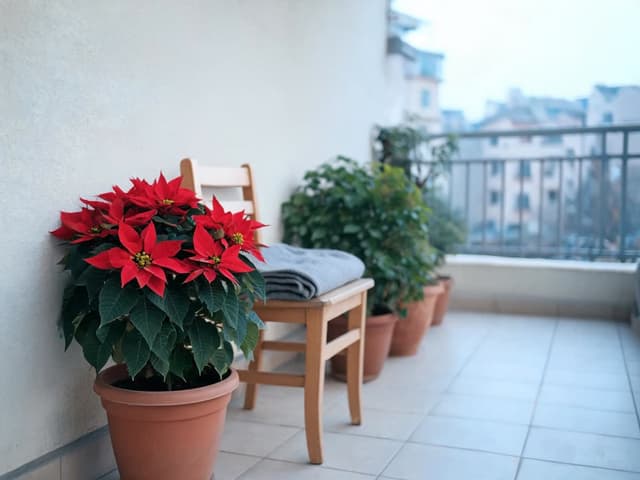
Poinsettias in Winter: Cold Tolerance and Care Guide
Poinsettias cannot tolerate frost and begin suffering cold injury below 50 °F (10 °C). Check research-backed temperature limits, where to place potted plants during Brazilian winters, and how to revive a cold-damaged plant.
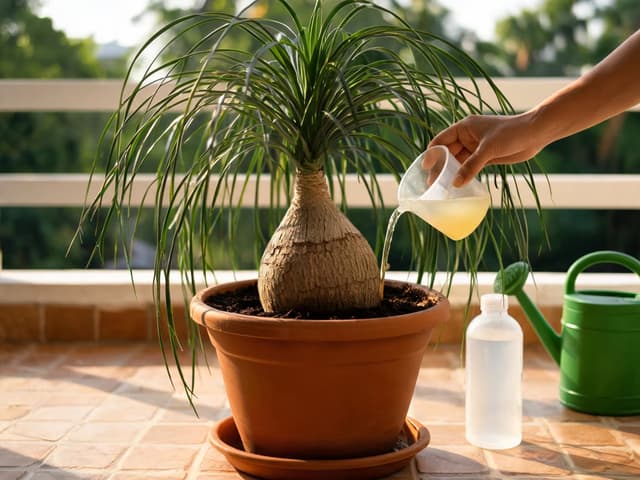
How to Fertilize Ponytail Palm: When, How Much, and Which Fertilizer
Ponytail palms need very little fertilizer: half strength every 2 months, from September to March in Brazil. Learn which fertilizer to use, when not to feed, and how to save an overfertilized plant.