Complete Plant Guide
Explore plants by difficulty, season and more. Find the perfect plant for you.
Difficulty
Categories
Plants by City
🗺️ Plants by City3797 plants found
Showing 2305-2340 of 3797
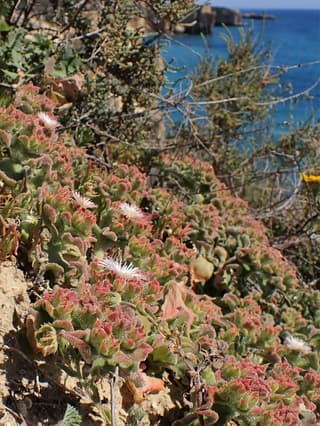
Common Ice Plant
Mesembryanthemum crystallinum
Mesembryanthemum crystallinum, commonly known as the common ice plant, is a low-growing halophytic succulent native to the coastal sands and salt marshes of South Africa, now naturalized along Mediterranean and other mild coastlines worldwide. Its leaves and stems are covered in glistening, bladder-like epidermal cells that store water and salt, giving the plant a frosted, ice-crystal appearance. It is grown both as an ornamental groundcover and as a gourmet edible green, prized for its succulent, slightly salty leaves eaten raw or cooked.
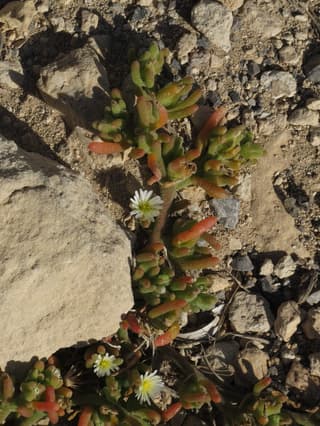
Slender Iceplant
Mesembryanthemum nodiflorum
Mesembryanthemum nodiflorum, known as slender iceplant, is a low-growing succulent annual herb in the ice plant family (Aizoaceae). Native to the coastal Mediterranean Basin, Macaronesia, southern Africa, and the Middle East, it forms prostrate mats of fleshy, cylindrical leaves covered in glistening bladder cells that give the plant its characteristic icy sheen. Small white to pale yellow flowers appear from spring through summer. Highly salt- and drought-tolerant, it thrives in sandy coastal soils, dunes, and saline wetland margins, and has become naturalized in parts of Australia and the western United States.
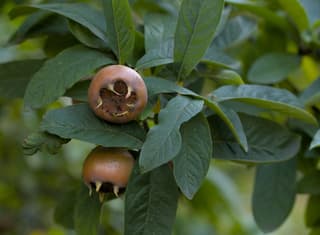
Medlar
Mespilus germanica
The medlar (Mespilus germanica) is a small deciduous tree or large shrub in the rose family, native to the mountains of southeastern Europe, the Caucasus, and northern Iran. It grows slowly into a spreading, rounded crown 4-8 m tall and wide, with dark green oblong leaves that turn russet in autumn. Its five-petaled white to pale-pink flowers open late, in May or June, well after most other fruit trees have finished blooming. The brown, apple-shaped fruit does not ripen on the tree; it must "blett" (soften through frost or storage) before it becomes sweet and edible.

Dawn Redwood
Metasequoia glyptostroboides
Metasequoia glyptostroboides, known as the Dawn Redwood, is a fast-growing, large deciduous conifer native to the mountain forests of central China. Considered extinct for millennia—known only from fossil records—it was rediscovered alive in 1941 in Hubei province, becoming one of the most remarkable botanical finds of the 20th century. It is the only extant species in the genus Metasequoia. In spring and summer, it displays delicate, light green foliage similar to ferns; in autumn, it transforms into stunning shades of orange and copper before shedding all its leaves. The mature trunk develops deeply fissured, reddish-brown bark. It can reach up to 30 meters in height in gardens and parks, with an elegantly pyramidal habit.
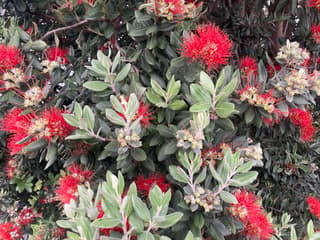
Pohutukawa
Metrosideros excelsa
Metrosideros excelsa, widely known as the Pohutukawa or New Zealand Christmas Tree, is a majestic coastal tree. It is famous for its explosion of bright red flowers composed of long stamens that appear at the height of summer. Its leaves are leathery, deep dark green on the upper surface and covered with dense white hairs on the lower surface, giving it a silvery appearance. It is an extremely resilient species, capable of growing on rocky cliffs and withstanding strong salt winds.

Canela-de-velho
Miconia albicans
Canela-de-velho (Miconia albicans) is a shrub or small tree native to the Brazilian Cerrado, belonging to the Melastomataceae family. It can reach 1 to 4 meters in height, with leathery leaves whose undersides are covered with characteristic whitish down. Its white to greenish-cream flowers appear in panicles at the end of the dry season, peaking in September. It is a pioneer species, common in Cerrado areas and recently disturbed sites, well-known in Brazilian folk medicine for the use of its leaves in anti-inflammatory teas and ointments.

Micranthocereus
Micranthocereus
Micranthocereus is a genus of columnar cacti endemic to Brazil, with about ten species distributed mainly throughout Bahia and Minas Gerais, in Caatinga environments, rocky fields (campos rupestres), and quartzite rock outcrops. The stems are erect, branched at the base, and covered by low ribs and woolly areoles from which white to brown spines emerge. A woolly cephalium—a whitish fuzzy structure from which flowers bloom—forms at the top of older stems. The flowers are tubular, usually white, sometimes yellowish or pinkish, opening at night and pollinated by bats and moths, followed by globose and fleshy fruits. It is a hardy plant, adapted to long periods of drought, intense light, and poor, well-drained soils, making it highly sought after by cactus collectors for its sculptural form and resilience.
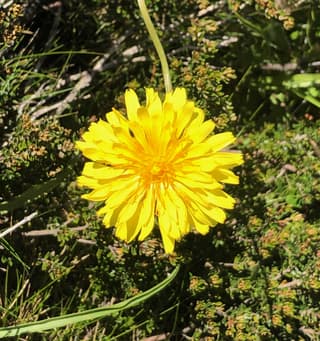
Yam Daisy
Microseris lanceolata
Microseris lanceolata, known as the yam daisy or murnong, is a perennial herb in the daisy family (Asteraceae) native to the plains, open forests and alpine herbfields of southeastern Australia. It grows from a tuft of narrow, toothed, lance-shaped leaves and sends up a bare stalk topped with a single dandelion-like yellow flower head that closes on cloudy days. Below ground, several fleshy, tapering roots branch out from the base of the rosette. For thousands of years these roots were dug, roasted in earth ovens and eaten by Aboriginal peoples across southeastern Australia, particularly the Kulin nations, for whom murnong was a dietary staple before European livestock grazing devastated wild populations in the 1800s.

Crocodile Fern
Microsorum musifolium
Microsorum musifolium, commonly known as the Crocodile Fern, is a lush tropical plant native to Southeast Asia and Australia. Its unique fronds, featuring a texture reminiscent of crocodile skin, are its most striking feature. With its vibrant green color and elongated, wavy shape, it is an excellent choice for adding an exotic and natural touch to any indoor space or shaded outdoor area.
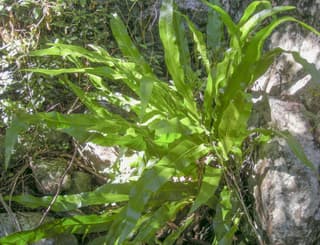
Fishtail Fern
Microsorum punctatum
Microsorum punctatum, commonly known as the Fishtail Fern or Ox-tongue Fern, is a tropical evergreen fern native to southern Asia, ranging from India to China and across the Pacific Islands. It features long, leathery, glossy bright-green fronds with wavy margins, making it an attractive ornamental plant for both indoor and outdoor shaded environments.
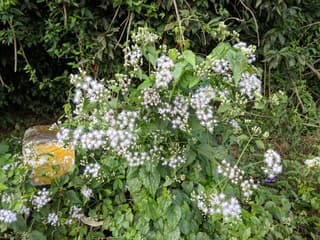
Mile-a-minute weed
Mikania micrantha
Mikania micrantha is a perennial climbing vine in the Asteraceae family, native to the subtropical and tropical regions of Central and South America and the Caribbean. It is famous for its extremely vigorous growth, capable of advancing 80 to 90 mm in just 24 hours, which earned it the nickname 'mile-a-minute weed.' Its stems are thin, ribbed, and branched, often exceeding 6 meters in length, featuring heart-shaped leaves and small white flowers clustered in heads. Outside its native habitat, it is considered one of the most aggressive invasive plants in the world, smothering native vegetation and agricultural crops across various tropical regions of Asia and the Pacific.
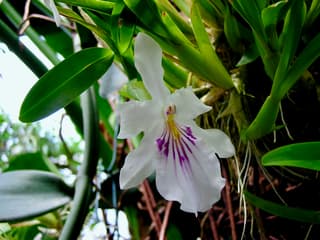
Miltonia Orchid (genus)
Miltonia
Miltonia is a genus of Neotropical epiphytic orchids in the family Orchidaceae, native to the tropical rainforests of Brazil and surrounding regions. Unlike the closely related Miltoniopsis, true Miltonia orchids are warmer-growing and thrive in USDA zones 10–12. They produce spectacular blooms on arching spikes during spring and summer.
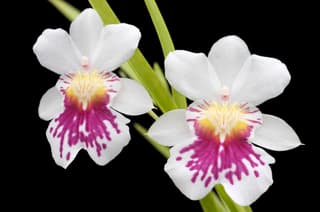
Pansy Orchid
Miltoniopsis phalaenopsis
Miltoniopsis phalaenopsis, commonly known as the Pansy Orchid, is a cool-growing epiphytic orchid native to the cloud forests of the Colombian Andes. Its large, flat blooms closely resemble garden pansies and come in shades of white, yellow, pink, red and purple with distinctive waterfall patterning. It is considered one of the most beautiful orchids in cultivation but requires cool temperatures and high humidity.
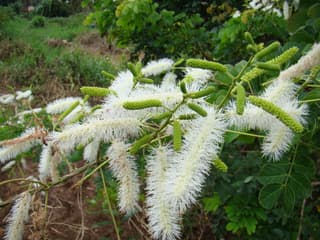
Sabia Mimosa
Mimosa caesalpiniifolia
Mimosa caesalpiniifolia, known as sabiá or sansão-do-campo, is a native tree of the Brazilian Caatinga and Cerrado biomes, particularly from the Northeast region. Belonging to the Fabaceae family, this fast-growing species is prized for its hardiness, rapid growth, and multiple uses: ornamental, fodder, medicinal, and timber. Its thorny branches make it ideal for living fences, while its white-cream flowers attract pollinators, especially bees. The species is listed as Vulnerable on the IUCN Red List and is found exclusively in Brazil.
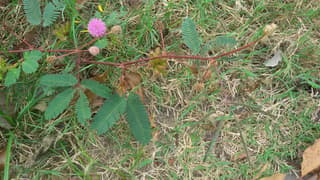
Sensitive Plant
Mimosa pudica
The sensitive plant is a creeping herbaceous plant native to tropical Central and South America, now naturalized throughout the tropics worldwide. It is best known for its nyctinastic movement: its compound leaves fold rapidly when touched or shaken, a defense mechanism against herbivores. It produces small, fluffy pink-lavender globular flowers in summer and has spiny stems.
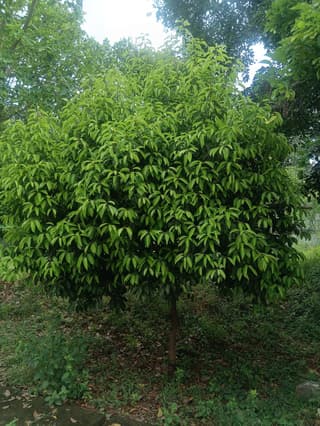
Spanish Cherry
Mimusops elengi
Mimusops elengi, commonly known as the Spanish cherry, is a medium to large evergreen tree native to the tropical forests of South and Southeast Asia. Belonging to the Sapotaceae family, it can reach heights of 15 to 30 meters, featuring a dense, rounded canopy. Its leaves are glossy, dark green, and oval-shaped, while its small, cream-colored flowers are extremely fragrant, retaining their scent even after drying. The fruits, which turn orange-red when ripe, have a sweet and edible pulp. It is widely cultivated as a shade and ornamental tree in gardens, parks, and temples due to its fragrance and religious symbolism.
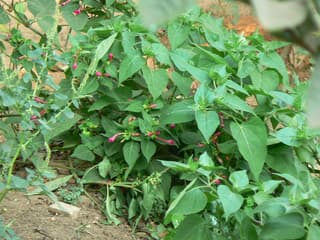
Four O'Clock Flower
Mirabilis
Mirabilis is a genus of herbaceous flowering plants in the family Nyctaginaceae, native to Mexico and Central America. Best represented by Mirabilis jalapa, it is prized for its fragrant, trumpet-shaped flowers that open in the late afternoon and wilt by the next morning, often displaying several different colors on the very same plant.
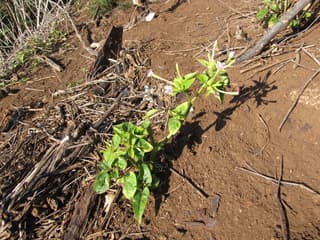
Four O'Clock Flower
Mirabilis jalapa
Four O'Clock Flower (Mirabilis jalapa) is a perennial plant native to Peru and Central America, widely grown for its fragrant, trumpet-shaped blooms that open in the late afternoon and close by morning. It belongs to the Nyctaginaceae family and is prized for its vivid multicolored flowers and hardiness.

Sweet Four O'Clock
Mirabilis longiflora
Mirabilis longiflora, the sweet four o'clock, is a tuberous perennial native to the scrubby canyons and riverbanks of the southwestern United States and northern Mexico. It produces long, slender white-to-pink tubular flowers with a purplish throat that open at dusk and release a sweet, orange-blossom-like fragrance through the night.
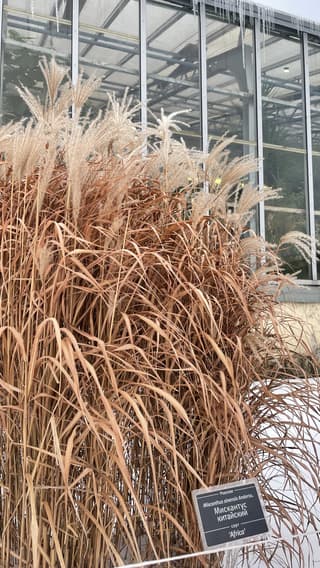
Chinese Silver Grass
Miscanthus sinensis
Miscanthus sinensis, commonly known as Chinese Silver Grass or Eulalia, is a perennial ornamental grass native to eastern Asia. It forms elegant clumping tufts with arching foliage and feathery silvery plumes that persist through autumn and winter, making it a standout feature in gardens during the cooler seasons.
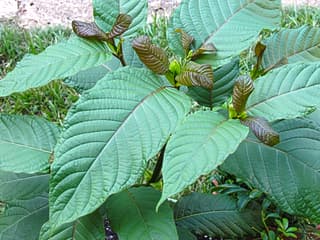
Kratom
Mitragyna speciosa
Kratom (Mitragyna speciosa) is a tropical evergreen tree in the Rubiaceae family, native to Southeast Asia (Thailand, Malaysia, Indonesia, Myanmar, Papua New Guinea). In the wild, it can reach heights of 15-25 meters, with a sturdy trunk that can exceed 90 cm in diameter. The leaves are large, glossy, and dark green, growing up to 20 cm long, while the small, yellowish-white flowers gather in spherical inflorescences resembling a bishop's miter, from which the genus name Mitragyna is derived. The leaves have been traditionally used for centuries in Southeast Asian communities, chewed fresh or dried and prepared as an infusion.
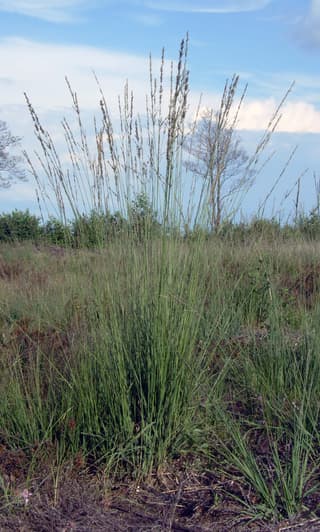
Purple Moor Grass
Molinia caerulea
Purple moor grass (Molinia caerulea) is a deciduous, clump-forming grass from the genus Molinia, native to moist heaths, bogs, and woodland edges in Europe and Asia. The plant forms dense, upright clumps of narrow, light green leaves that turn golden yellow in autumn. From mid to late summer, slender, arching flower stalks emerge with dark purple to reddish-brown spikelets on yellowish stems, giving a light and transparent appearance in the garden bed.
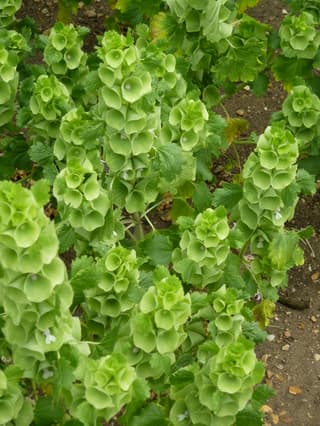
Bells of Ireland
Moluccella laevis
Moluccella laevis, commonly known as Bells of Ireland, is an annual flowering plant native to western Asia (Turkey, Syria, Caucasus region). It produces tall, elegant spikes adorned with distinctive green, bell-shaped calyces encasing small white fragrant flowers. Despite its Irish name, it has no connection to Ireland. Cultivated since 1570, it is prized in fresh and dried floral arrangements worldwide.
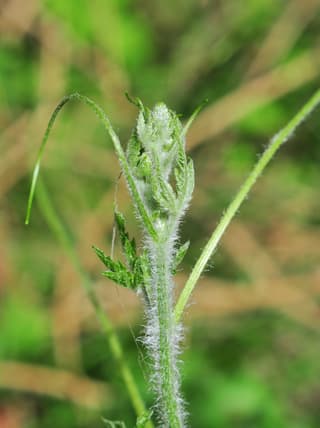
Bitter Melon
Momordica charantia
Bitter melon is a vigorous tropical vine, famous for its elongated fruits with a warty surface. When immature, the fruits are green and very bitter, turning orange and splitting open to expose seeds encased in a vibrant red aril when ripe. It is a hardy plant, but requires heat and full sun to develop fully and produce quality fruit.

Ritchie's Spurge
Monadenium ritchiei
Ritchie's Spurge (Monadenium ritchiei, synonym Euphorbia ritchiei) is a clumping succulent in the spurge family (Euphorbiaceae), native to Kenya. The plant features a thick, fleshy caudex and upright or decumbent stems with distinct, cone-shaped tubercles and fleshy leaves clustered at the tips of the shoots. The leaves often drop during dry periods, and the stems can develop a reddish glow in bright sunlight. In summer and fall, the plant may produce pink flowers (cyathia). Like other Euphorbia species, it contains a white, toxic milky sap (latex) in all parts of the plant.
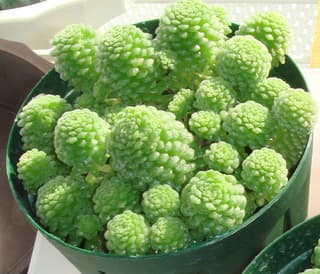
Monanthes polyphylla
Monanthes polyphylla
Monanthes polyphylla is a small perennial succulent endemic to the Canary Islands (Gran Canaria, Tenerife, La Palma, and La Gomera), where it grows in very localized areas within shaded cliff crevices and damp rocks between 100 and 1500 meters in altitude. It forms dense mats of tiny, globose rosettes composed of tightly packed fleshy leaves, resembling succulent moss, and barely reaches 10-12 cm in height. Between late spring and summer, it produces small star-shaped flowers in shades of purple, pink, yellowish, or greenish on thin stems that rise above the foliage.
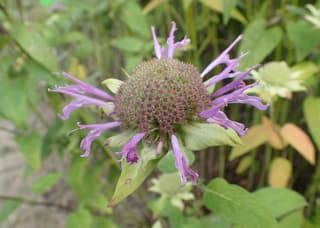
Scarlet Bee Balm
Monarda didyma
Monarda didyma (scarlet bee balm) is a perennial plant in the mint family native to the moist woods and riverbanks of North America. It features dense, globular flower heads with bright red (also pink, purple, or white in cultivars) tubular flowers that bloom from mid-summer to early fall, attracting hummingbirds, butterflies, and bees. The aromatic leaves on square stems release a spicy scent when crushed. The plant spreads via rhizomes and forms expanding clumps.
Hooker's monerereba
Monerereba hookeri
Monerereba hookeri, commonly known as Hooker's Monerereba, is a tropical climbing epiphyte native to the rainforests of Central and South America. It is characterized by its glossy, deep green leaves that develop elegant fenestrations and pinnate lobes as the plant matures. It utilizes aerial roots to climb trees in its natural habitat, making it an excellent candidate for moss poles in indoor settings.
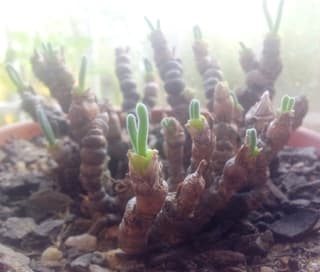
Bunny ear succulent
Monilaria moniliformis
Monilaria moniliformis is a small succulent from the Aizoaceae family, endemic to the quartz fields of the Knersvlakte in the Western Cape province of South Africa. It owes its popular name to its striking young leaves, which are short and rounded, growing in upright pairs that resemble a pair of bunny ears; over time, these are replaced by elongated cylindrical leaves. It has an inverted growth cycle: it grows actively in fall and winter and enters dormancy during the summer, when it may appear dry or lifeless. In late winter to spring, it produces small, solitary white flowers.
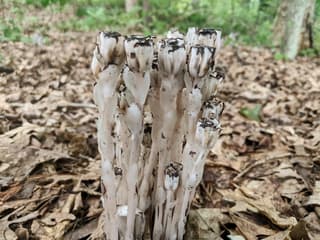
Ghost Pipe
Monotropa uniflora
Monotropa uniflora, known as the ghost pipe or Indian pipe, is a perennial herb native to mature forests in North America, Latin America, and East Asia. Unlike the vast majority of plants, it is completely devoid of chlorophyll: the stem, reduced scale-like leaves, and the single flower per stalk are waxy white and translucent. It reaches between 5 and 30 cm in height and emerges from the forest floor in dense shade environments, blooming from early summer to early autumn. Because it does not perform photosynthesis, it obtains all its energy through a mycoheterotrophic relationship: it parasitizes mycorrhizal fungi (primarily Russulaceae) connected to the roots of nearby trees. It is a wild understory plant, essentially impossible to cultivate outside of its natural forest ecosystem.

Swiss Cheese Plant
Monstera
Monstera is a genus of approximately 50 species of tropical plants in the family Araceae, native to Mexico and Central America. Famous for their large, glossy leaves with distinctive natural holes and splits (fenestrations), Monsteras are among the most popular houseplants worldwide. The most iconic species is Monstera deliciosa, followed by M. adansonii and M. obliqua.
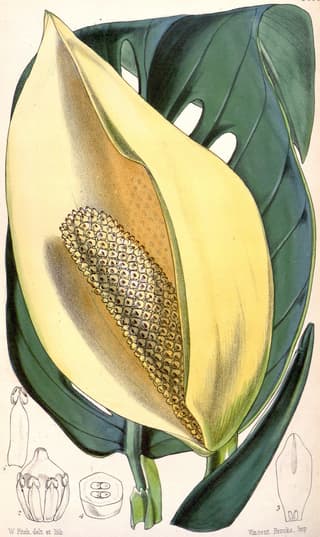
Swiss Cheese Vine
Monstera adansonii
Monstera adansonii is a charming tropical climber known for its heart-shaped leaves with characteristic natural perforations. Native to Central and South America, this epiphytic plant naturally grows climbing trees in the tropical rainforest. It is a fast-growing and easy-to-care plant, ideal for beginners.

Swiss Cheese Plant
Monstera deliciosa
Tropical plant native to Mexico and Central America, known for its large, perforated leaves. It is one of the most popular houseplants in the world due to its exotic appearance and ease of care.
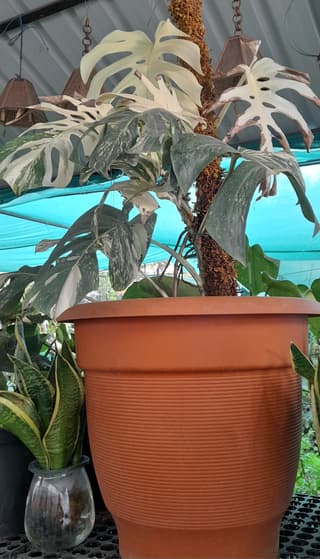
Monstera Albo
Monstera deliciosa 'Albo Borsigiana'
Monstera deliciosa 'Albo Borsigiana' is a highly coveted variegated cultivar of the classic Swiss cheese plant, prized for the irregular white patches (variegation) that cover portions of its iconic fenestrated leaves. This unstable variegation results from a lack of chlorophyll in affected leaf sectors, making every plant one-of-a-kind — and also more delicate, since the white tissue cannot photosynthesize, grows more slowly, and burns easily under strong direct light. A climbing aroid in the Araceae family, it is one of the most sought-after houseplants among collectors for its rarity and striking ornamental value.
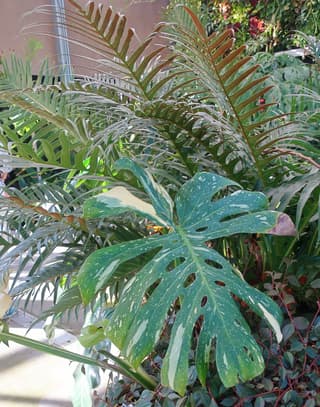
Monstera Thai Constellation
Monstera deliciosa 'Thai Constellation'
Monstera deliciosa 'Thai Constellation' is a rare, lab-developed variegated cultivar of the Swiss cheese plant, prized for its dark green leaves splashed with creamy-white to yellow marbling that resembles a starry night sky. Unlike naturally occurring variegated Monsteras, the Thai Constellation was produced through tissue culture (reportedly involving controlled mutagenesis) at a Thai laboratory, which makes its variegation pattern genetically stable and far less prone to reverting to solid green than chimeric variegated forms. Because the white sections of its leaves contain little to no chlorophyll, the plant photosynthesizes less efficiently and grows noticeably slower than the standard green Monstera deliciosa, making it a more demanding, higher-maintenance collector's plant.

Monstera Friedrichsthalii
Monstera friedrichsthalii
Monstera friedrichsthalii is a tropical climbing aroid (family Araceae) with glossy green leaves full of oval holes (fenestrations), which is why it is called Swiss cheese vine. The name is now treated as a synonym of Monstera adansonii subsp. laniata (the accepted name in POWO and World Flora Online), and in the trade it is usually sold as Monstera adansonii. It grows wild from Nicaragua and Panama through Colombia, Venezuela, the Guianas, Ecuador, Peru, Bolivia and northern Brazil, in moist forests mostly below 700 m. Young plants trail or creep; once they climb a tree they produce much larger leaves.
Find the Perfect Plant
Our plant guide helps you find ideal species for your experience level and time of year.
Browse by Difficulty, Season & More
Use the filters below to narrow this catalog by care difficulty, season, environment, or search directly by name. Each filter leads to a focused list tailored to your specific growing conditions.