Complete Plant Guide
Explore plants by difficulty, season and more. Find the perfect plant for you.
Difficulty
Categories
Plants by City
🗺️ Plants by City3779 plants found
Showing 2629-2664 of 3779

Silver Heart Peperomia
Peperomia marmorata
Peperomia marmorata is a compact, semi-succulent houseplant native to the Brazilian Atlantic Forest, prized for its heart-shaped leaves marked with striking silver stripes between deeply indented veins. Its small rosette-forming habit makes it perfect for small pots and indoor spaces.

Metallic Peperomia
Peperomia metallica
Peperomia metallica is a compact, semi-succulent tropical foliage plant from the forests of Peru, prized for its small, cupped leaves that shimmer with a coppery, metallic sheen, a bright silver midrib and wine-red undersides. It stays neat and low, rarely exceeding 25 cm, and occasionally throws slender reddish flower spikes in summer.
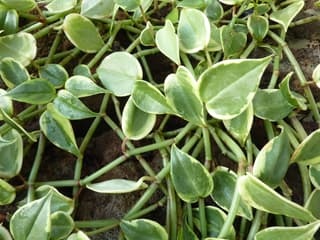
Cupid Peperomia
Peperomia nitida
Cupid Peperomia (Peperomia nitida) is a trailing, vining houseplant in the Piperaceae family, native to the tropical rainforests of Central and South America. It features small, heart-shaped, variegated leaves with creamy-white edges and a deep green center. Extremely easy to grow, it thrives in hanging baskets and is non-toxic to pets and people.
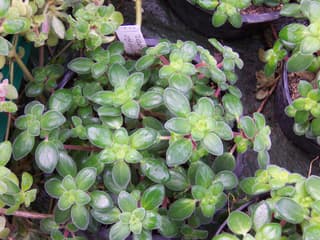
Baby Rubber Plant
Peperomia obtusifolia
Tropical evergreen perennial native to Mexico, Florida, and the Caribbean. Notable for its glossy, fleshy, rounded dark green leaves. A compact, bushy plant ideal for indoors due to its low maintenance and resilience. Can reach up to 60 cm in height and produces cream-colored flower spikes during spring and summer.
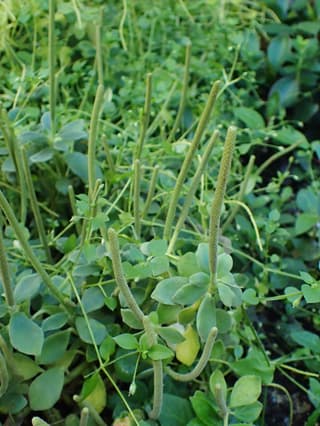
Pixie Lime Peperomia
Peperomia orba
Peperomia orba, commonly known as Pixie Lime Peperomia or Teardrop Peperomia, is a compact and charming houseplant from the Piperaceae family, native to tropical Americas. Its rounded, succulent-like lime-green leaves form dense rosettes, making it a perfect tabletop or shelf plant. It is one of the easiest peperomias to grow, tolerating some neglect and adapting well to indoor environments.
Coin-Leaf Peperomia
Peperomia pecuniifolia
Peperomia pecuniifolia is a small epiphytic plant in the pepper family (Piperaceae), native to the humid tropical forests of Guatemala and southeastern Mexico. Its species name, derived from Latin 'pecunia' (money) and 'folia' (leaves), refers to the small, round, succulent leaves that resemble coins strung along creeping stems. It is a compact, medium-growing plant popular in terrariums and hanging pots for its trailing or creeping habit. Like many Peperomia species, it stores water in its fleshy leaves, making it fairly forgiving of occasional missed waterings.
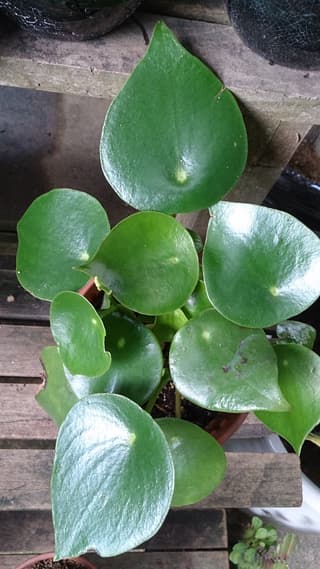
Raindrop Peperomia
Peperomia polybotrya
Peperomia polybotrya, commonly known as the Raindrop Peperomia or Coin Leaf Peperomia, is a compact succulent-like houseplant from the Piperaceae family, native to the tropical regions of South America (Colombia and Peru). It is prized for its glossy, teardrop-shaped leaves that resemble large raindrops or coins. One of the easiest houseplants to grow, it thrives in indirect light, tolerates drought, and is completely non-toxic to pets and humans.
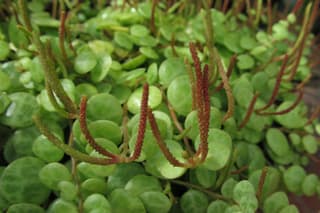
String of Turtles
Peperomia prostrata
String of Turtles is a slow-growing South American trailing succulent prized for its small, round, fleshy leaves marked with turtle-shell-like patterns. Its thin, wiry stems cascade gracefully, making it a favorite for hanging baskets, terrariums and tabletop displays.
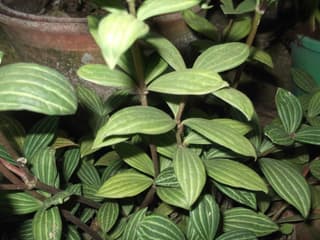
Parallel Peperomia
Peperomia puteolata
Parallel Peperomia (Peperomia puteolata) is a trailing, semi-succulent houseplant native to the forest floors of Colombia and other parts of South America. Its slender reddish stems carry small, elliptical, deep olive-green leaves marked with bright yellow parallel veins, giving the plant its common name. It grows upright at first before cascading over the edge of its pot, making it a popular choice for hanging baskets and shelves.
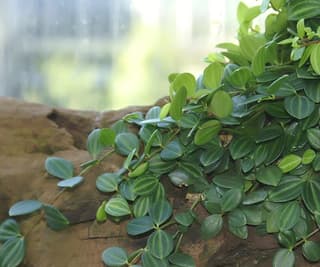
Beetle Peperomia
Peperomia quadrangularis
Peperomia quadrangularis, commonly known as Beetle Peperomia, is a small trailing succulent-like plant from Central and South America. Its square, four-angled stems bear attractive dark-green leaves with light green stripes.
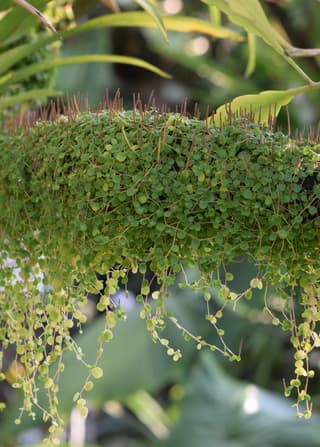
Trailing Jade
Peperomia rotundifolia
Peperomia rotundifolia, commonly known as Trailing Jade or Round-leaf Peperomia, is a compact trailing houseplant native to the tropical Americas, including Brazil and the Caribbean. Its small, round, succulent-like leaves grow on slender trailing stems, making it ideal for hanging baskets and high shelves. It is one of the easiest houseplants to maintain, thriving in typical indoor conditions.
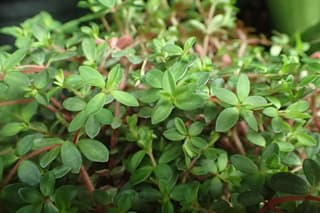
Itsy bitsy peperomia
Peperomia rubella
Tiny trailing peperomia native to Jamaica, with small dark green leaves that are reddish underneath and reddish stems that cascade over pot edges.
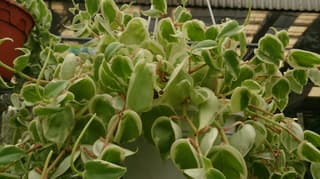
Cupid Peperomia
Peperomia scandens
Peperomia scandens, commonly known as Cupid Peperomia or False Philodendron, is a trailing and climbing tropical plant native to the tropical Americas. Its heart-shaped, fleshy, light-green leaves resemble those of philodendrons, earning it its misleading common name. An excellent choice for hanging baskets, shelves, and trailing displays, it creates cascading curtains of foliage that bring a lush, tropical feel to any indoor space.
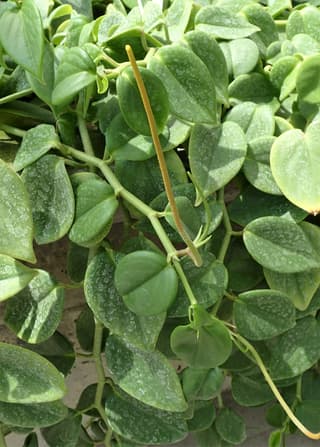
Vining Peperomia
Peperomia serpens
Peperomia serpens, commonly known as Vining Peperomia or Cupid Peperomia, is a trailing tropical plant native to the tropical regions of Central and South America. It features small, glossy, heart-shaped leaves on slender trailing stems, making it ideal for hanging baskets and shelves. It belongs to the Piperaceae family and is among the most beginner-friendly houseplants.
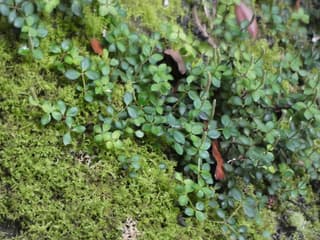
Acorn peperomia
Peperomia tetraphylla
Peperomia tetraphylla is a small semi-succulent member of the family Piperaceae with a creeping, trailing habit and slender stems bearing tiny, rounded, slightly fleshy leaves, often arranged in whorls of four. In the wild it grows as an epiphyte or lithophyte on moss, rocks, and tree trunks across tropical and subtropical regions. Grown as a houseplant, it is prized for its compact foliage and stems that spill gracefully from hanging baskets and shelves.
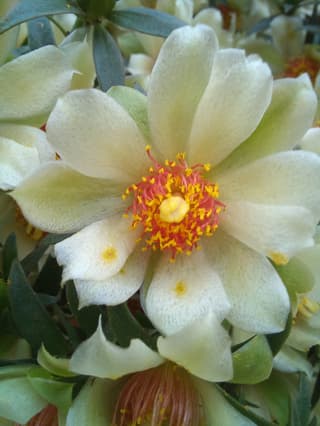
Ora-pro-nobis
Pereskia aculeata
Pereskia aculeata, popularly known as Ora-pro-nobis, is a unique climbing cactus that features true, succulent leaves. Native to Brazil, it is renowned as a superfood, containing high levels of protein, iron, and fiber. Its flowers are white and fragrant, attracting pollinators, and its branches have thorns that make it excellent for living fences.
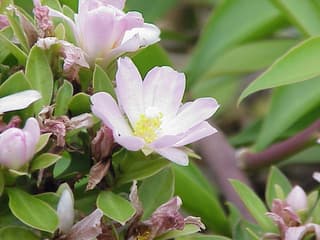
Rose Cactus
Pereskia grandifolia
Pereskia grandifolia, known as the rose cactus, is a tree-like cactus native to eastern and southern Brazil. Unlike typical cacti, it has broad, non-succulent leaves and a spiny woody stem. It grows 3-6 m tall and produces showy bright pink flowers from spring through summer. It is widely grown as an edible leaf vegetable and as an ornamental hedge.
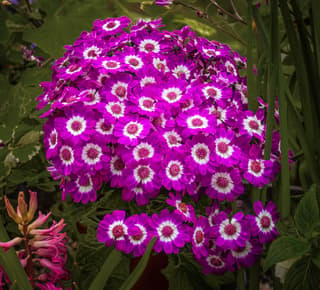
Florist's Cineraria
Pericallis × hybrida
Florist's Cineraria (Pericallis × hybrida) is a popular cool-season annual celebrated for its spectacular daisy-like flowers in vivid shades of blue, purple, pink, red, and white, often with striking bicolor patterns. Native to the Canary Islands, it is widely grown as a potted plant and bedding annual during winter and early spring. It belongs to the Asteraceae family and is a hybrid of several Pericallis species, formerly classified as Senecio cruentus or Cineraria.
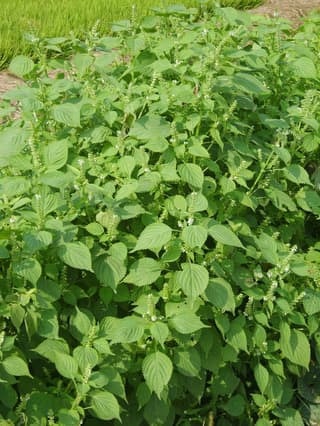
Shiso
Perilla frutescens
Shiso (Perilla frutescens) is an annual aromatic herb from the Lamiaceae family, native to Asia. The plant reaches a height of 18-48 inches (45-120 cm) and features decorative, soft leaves that are green or purple depending on the variety. The leaves have a characteristic aroma reminiscent of a combination of mint, anise, and lemon. During summer and fall, the plant produces white to light purple flowers in spiked inflorescences. It propagates easily by seed and often self-seeds.
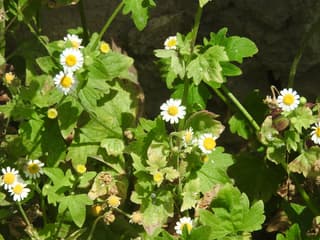
Small-tongue rock daisy
Perityle microglossa
Perityle microglossa is an annual herb of the Asteraceae family, erect or decumbent, 15 to 60 cm tall, with fine and aromatic foliage. It is native to arid and rocky areas of northern and central Mexico (Sonora, Sinaloa, Baja California Sur, Bajío) and the southwestern United States, where it grows wild in rock crevices, stony slopes, and poor soils in full sun. It produces small flower heads with short white ray florets and yellow disc florets, blooming mainly in spring and summer. In several regions, it is considered a weed due to its ability to colonize disturbed soils.
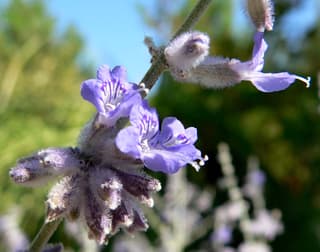
Russian Sage
Perovskia atriplicifolia
Russian sage (Perovskia atriplicifolia), sometimes botanically classified as Salvia yangii, is a perennial subshrub in the Lamiaceae family, native to Central Asia, Afghanistan, and western China. It is characterized by silvery-gray, deeply lobed leaves with an intense, sage-like scent and numerous small flowers in shades of purple and blue that appear from July to September on upright, woody stems. Reaching 80-150 cm in height, the plant is extremely drought and heat tolerant, and its airy, misty habit makes it a perfect addition to flower beds and gravel gardens.
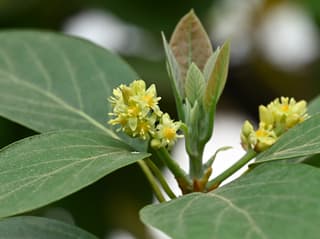
Avocado Tree
Persea
Persea is a genus of approximately 200 evergreen trees in the family Lauraceae, native to tropical and subtropical Americas, eastern Asia, and Macaronesia. The most famous species is the avocado (P. americana), cultivated worldwide for its nutritious fruit. The genus also includes the redbay (P. borbonia) of the southeastern United States and other ornamental species prized for their glossy, aromatic foliage.
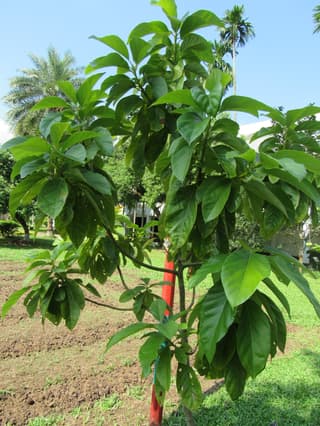
Avocado
Persea americana
Persea americana, commonly known as the avocado, is an evergreen fruit tree native to south-central Mexico and Central America, belonging to the family Lauraceae. It is one of the most economically important and widely cultivated fruit trees in the world, celebrated for its creamy, nutrient-dense fruit rich in healthy monounsaturated fats, vitamins, and minerals. The tree can reach up to 18 meters in height in its natural habitat, bearing large, glossy, dark green leaves.
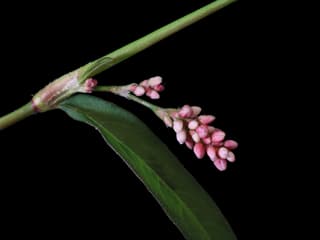
Smartweed
Persicaria
The genus Persicaria (Polygonaceae family) includes over 130 species of annual and perennial herbs, commonly known as smartweed, water pepper, or knotweed. Adapted to temperate and tropical climates, they thrive in moist soils, riverbanks, marshy areas, and field edges. The stems are jointed with prominent nodes; the lanceolate leaves often feature a characteristic dark blotch. The dense spike-like inflorescences—colored pink, white, red, or crimson—bloom from summer to autumn, attracting bees, butterflies, and other pollinators. Many species have traditional medicinal and culinary uses, in addition to high ornamental value in border gardens, groundcovers, and naturalized gardens.
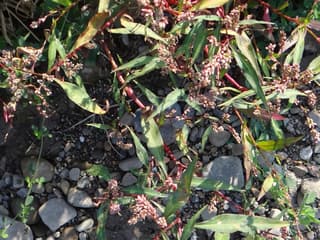
Water Pepper
Persicaria hydropiper
Persicaria hydropiper, commonly called water pepper or marshpepper knotweed, is a fast-growing annual herb in the buckwheat family (Polygonaceae). Native to wet habitats across Eurasia and North Africa, it thrives along stream banks, pond edges, ditches, and soggy woodland margins. Its narrow, peppery-tasting leaves and slender spikes of small greenish-white flowers make it a distinctive wetland plant, prized in parts of Asia as a pungent culinary herb.
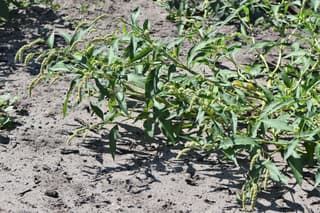
Pale Persicaria
Persicaria lapathifolia
Pale Persicaria (Persicaria lapathifolia) is a fast-growing annual of the buckwheat family, found across much of the world in damp, disturbed ground. It reaches up to about 1.5 m, with lance-shaped leaves often marked with a dark blotch and dense nodding spikes of tiny pink, white or greenish flowers from spring to autumn. It is a common wetland and field weed, valued mainly for wildlife - its seeds feed birds.
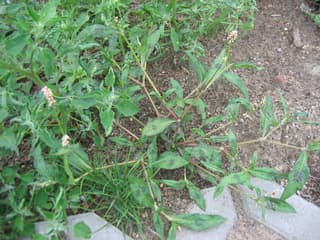
Lady's Thumb
Persicaria maculosa
Lady's thumb (Persicaria maculosa) is an annual herb in the buckwheat family (Polygonaceae), native across Eurasia and now naturalized throughout North America and beyond. It grows erect to sprawling with reddish, jointed stems and narrow lance-shaped leaves that typically show a dark blotch in the center. From summer into fall it produces dense, upright spikes of small pink to deep-purple flowers. It thrives in moist, disturbed ground such as ditches, shorelines, waste places and field edges, where it behaves as a common weed.
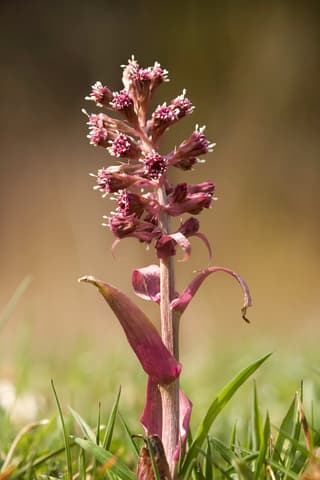
Butterbur
Petasites hybridus
Butterbur (Petasites hybridus) is a perennial herb in the Asteraceae family, known for its giant, heart-shaped leaves that can reach up to a meter in width. The plant blooms in early spring, often before the leaves emerge, with pinkish-purple inflorescences rising from the bare soil. Butterbur spreads vigorously via creeping rhizomes and forms dense colonies along streams, rivers, and damp forest edges throughout most of Europe. The name refers to an old belief that the leaves and roots could cure the plague, as well as the historical use of the large leaves for wrapping butter and other goods.
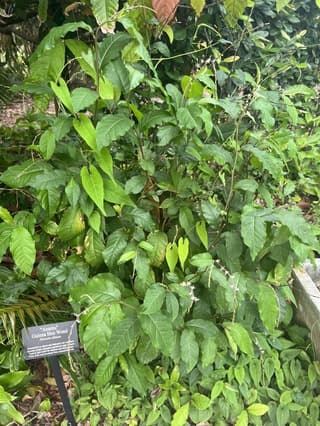
Guinea Hen Weed
Petiveria alliacea
Guinea Hen Weed (Petiveria alliacea) is a perennial tropical subshrub, 20 to 100 cm tall, with aromatic roots and leaves that emit a strong garlic odor when crushed. Its delicate white inflorescences appear in spikes, mainly from November to March. It is a hardy plant, well-adapted to Brazilian tropical and subtropical climates, and has been incorporated into the medicinal and spiritual heritage of Afro-Brazilian traditions for centuries.
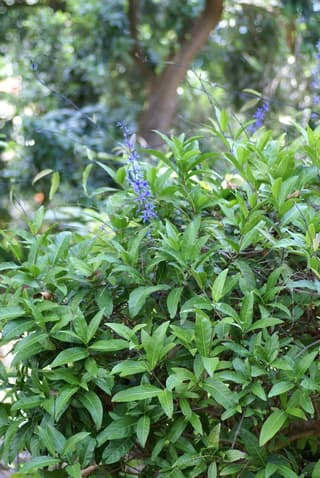
Sandpaper Vine
Petrea volubilis
The Sandpaper Vine (Petrea volubilis) is a vigorous woody climber native to Brazil and other tropical regions of the Americas, belonging to the Verbenaceae family. It can reach up to 5 meters in length when supported by structures such as pergolas, arbors, and fences. Its leaves are leathery, rough to the touch, and have serrated margins, and may partially drop during colder periods. Flowering occurs mainly in winter and spring, forming clusters (panicles) of small star-shaped flowers in shades of lilac to bluish-purple, with a white variety (Alba) also available. It is widely used in landscaping for its exuberant ornamental effect over trellises and pergolas.
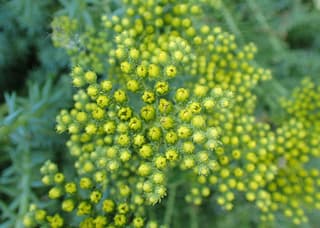
Stonecrop
Petrosedum
Petrosedum is a genus of hardy, mat-forming stonecrops segregated from Sedum, including the popular blue and Jenny stonecrops (such as P. rupestre). These evergreen succulents form low spreading carpets of needle-like blue-green to golden foliage and lift bright yellow star-shaped flowers on short stems in summer.
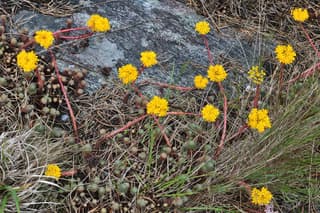
Rock Stonecrop
Petrosedum forsterianum
Petrosedum forsterianum, commonly known as Rock Stonecrop, is a mat-forming evergreen succulent native to rocky cliffs and coastal outcrops of Atlantic Europe. It produces dense cushions of blue-green foliage and bright yellow star-shaped flowers in summer.
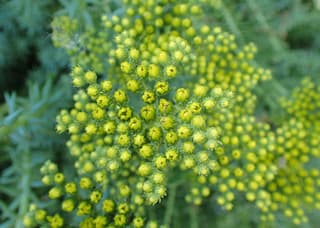
Blue Stonecrop
Petrosedum rupestre
Petrosedum rupestre, formerly known as Sedum rupestre, is a creeping perennial succulent native to Europe. Its leaves are cylindrical, pointed, and have a bluish-green or grayish hue, resembling small pine branches. In summer, the plant produces upright stems bearing dense clusters of star-shaped yellow flowers, which are highly attractive to pollinators.
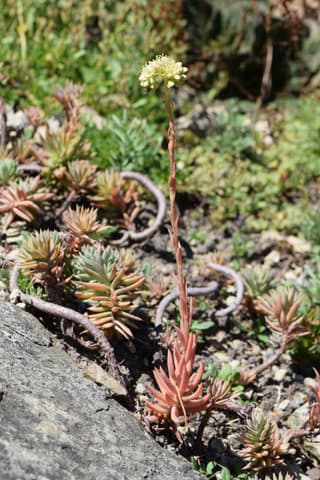
Pale Stonecrop
Petrosedum sediforme
Petrosedum sediforme (syn. Sedum sediforme) is a Mediterranean perennial succulent in the family Crassulaceae. It forms dense mats of compact rosettes with fleshy blue-green or grey-green leaves and produces pale yellow to cream flowers in late spring and summer. Exceptionally drought-tolerant, it thrives in rock gardens, walls, and xeriscape plantings across USDA zones 7–10.
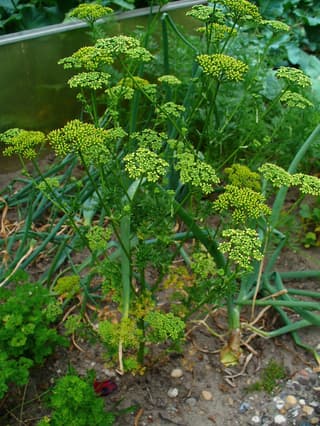
Parsley
Petroselinum crispum
Parsley (Petroselinum crispum) is a biennial aromatic herb from the Apiaceae family, native to the Mediterranean region of Southern Europe. One of the world's most widely used culinary herbs, it is grown fresh or dried to season dishes globally. Its bright green leaves are rich in vitamins C, K, and antioxidants, making it valued both culinarily and in folk medicine.
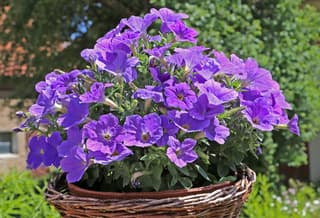
Petunia
Petunia × atkinsiana
Petunia × atkinsiana is one of the most popular garden flowers in the world, valued for its trumpet-shaped blooms and vibrant colors. This hybrid is extremely versatile, adapting well to flower beds, borders, and hanging baskets. They bloom profusely from early spring until the first frosts of autumn, offering a continuous visual spectacle.
Find the Perfect Plant
Our plant guide helps you find ideal species for your experience level and time of year.
Browse by Difficulty, Season & More
Use the filters below to narrow this catalog by care difficulty, season, environment, or search directly by name. Each filter leads to a focused list tailored to your specific growing conditions.