Complete Plant Guide
Explore plants by difficulty, season and more. Find the perfect plant for you.
Difficulty
Categories
Plants by City
🗺️ Plants by City3751 plants found
Showing 577-612 of 3751
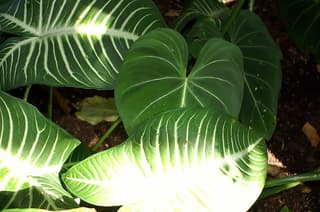
White-veined Caladium
Caladium lindenii
Caladium lindenii, commonly known as White-veined Caladium or Linden's Caladium, is a spectacular tropical foliage plant native to Colombia and Venezuela. A member of the Araceae family, it is celebrated for its dramatic heart-shaped leaves adorned with striking white veins against a deep green background. This deciduous species goes dormant in winter and reemerges in spring with lush, ornamental foliage, making it a prized specimen for indoor plant enthusiasts.
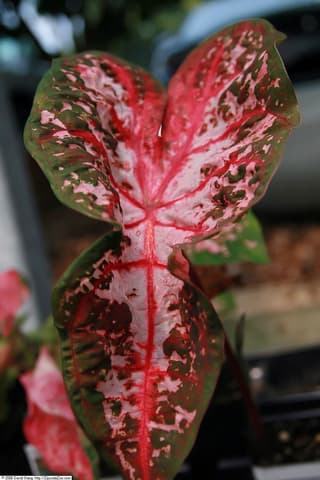
Fancy-leaf Caladium
Caladium x hortulanum
Fancy-leaf Caladium (Caladium x hortulanum) is a tropical foliage plant prized for its stunning, paper-thin leaves in combinations of red, pink, white, and green. Native to tropical South and Central America, it is widely grown as an ornamental houseplant and shade garden specimen.
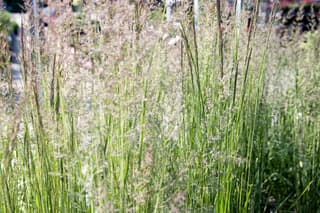
Feather Reed Grass
Calamagrostis x acutiflora
Feather Reed Grass 'Karl Foerster' is a perennial grass that forms a dense, upright clump of fresh green leaves. From June to August, slender, golden-brown spikes rise above the foliage and remain upright well into winter, providing structure and movement to winter garden beds. The variety is a sterile hybrid between Calamagrostis arundinacea and Calamagrostis epigejos and therefore does not set seed - it does not spread unwantedly in the garden. With its striking, columnar growth, it is one of the most popular ornamental grasses for contemporary perennial beds.
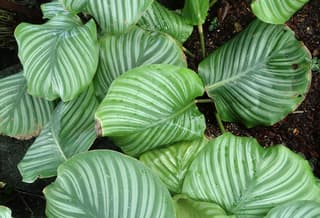
Calathea / Prayer Plant (genus)
Calathea
Calathea is a genus of tropical foliage plants in the family Marantaceae, native to the tropical forests of South America. They are prized for their strikingly patterned leaves in shades of green, purple, and silver. Many species were reclassified into the genus Goeppertia in 2012, but Calathea remains the widely used common name.
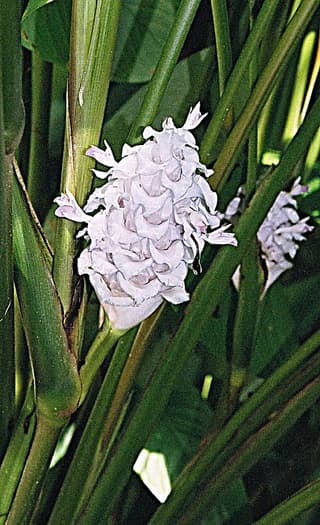
Fishbone Prayer Plant
Calathea burle-marxii
Native to the tropical forests of Brazil, the Fishbone Prayer Plant (Calathea burle-marxii, syn. Goeppertia burle-marxii) is a low, compact foliage plant in the Marantaceae family, prized for the silvery fishbone pattern on its gray-green leaves and their reddish undersides. Like other prayer plants, its leaves fold upward at night and open again during the day, following the light cycle.
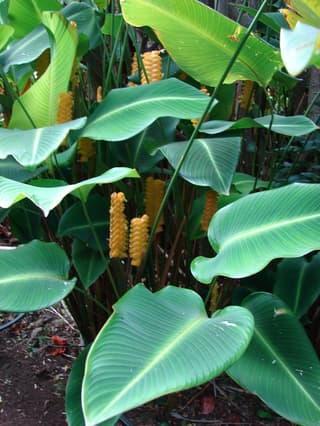
Yellow Rattleshaker
Calathea crotalifera
Calathea crotalifera, commonly known as the yellow rattleshaker, is a rhizomatous perennial herb in the family Marantaceae, native to the humid tropical forests of Central America and northern South America. It is grown for its large, glossy green foliage and its yellow, spike-shaped inflorescences that resemble the tail of a rattlesnake.
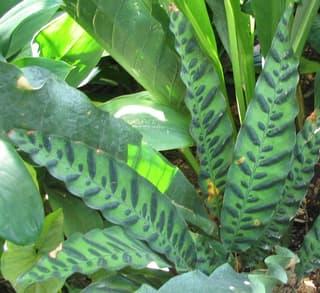
Rattlesnake Plant
Calathea lancifolia
The Calathea lancifolia, commonly known as the Rattlesnake Plant, is a tropical plant native to the rainforests of Brazil. Its elongated leaves display a dark green pattern with lighter green spots resembling rattlesnake markings, with a reddish-purple underside. Part of the Marantaceae family, it is known for its nyctinastic leaf movement, where leaves fold up at night like hands in prayer.

Cigar Plant
Calathea lutea
Calathea lutea, commonly known as the Cigar Plant or Cuban Cigar Calathea, is a large Neotropical Marantaceae native to tropical Americas. It is one of the tallest calatheas, with broad paddle-shaped leaves that can reach up to 1 meter long, featuring a distinctive waxy, pruinose silver-grey underside. It is widely used in tropical landscaping and traditionally used to wrap cigars in some regions.
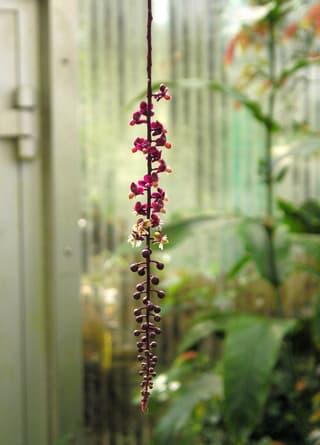
Peacock Plant
Calathea makoyana
Calathea makoyana is a tropical plant native to Brazil, famous for its striking leaf pattern that resembles peacock feathers. It belongs to the Marantaceae family and is known as a "prayer plant" because it moves its leaves throughout the day, opening them to capture light and closing them at night.
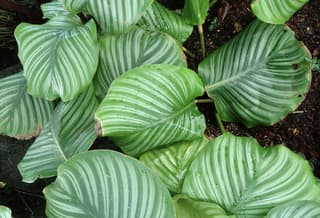
Round-leaf Calathea
Calathea orbifolia
Calathea orbifolia is a tropical plant native to Bolivia, known for its stunning large, rounded leaves with silver and green stripes. It is one of the most popular calatheas but also one of the most demanding in terms of care, especially regarding ambient humidity.
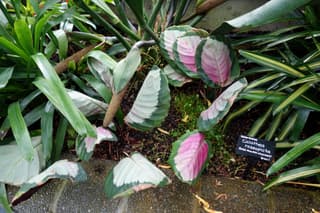
Rose Painted Calathea
Calathea roseopicta
Calathea roseopicta is a perennial rhizomatous herb native to the tropical rainforests of Brazil and South America. Part of the Marantaceae family, it is admired for its oval dark green leaves with pink and silvery-green markings, plus a purple underside. Known as a "prayer plant" because its leaves fold up at night like hands in prayer.

Furry Feather Calathea
Calathea rufibarba
Calathea rufibarba, now botanically reclassified as Goeppertia rufibarba, is a Brazilian rainforest native prized for its long, slender, wavy leaves. The upper leaf surface is a glossy dark green while the underside is a deep maroon-purple, and both the stalks and leaf undersides are covered in a fine, hair-like fuzz that gives the plant its 'furry feather' and 'velvet' nicknames.
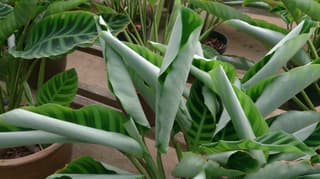
Zebra Plant
Calathea zebrina
Calathea zebrina is a tropical plant native to Brazil, belonging to the Marantaceae family. Its velvety leaves feature light green zebra-like stripes over a dark green background, with reddish-purple undersides. Known for its nyctinastic movement, the leaves fold upward at dusk as if praying.
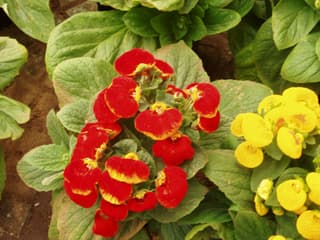
Pocketbook Plant
Calceolaria x herbeohybrida
The Pocketbook Plant (Calceolaria x herbeohybrida) is a hybrid ornamental native to the Andean regions of South America. It captivates with its extraordinary blooms — pouch-shaped flowers in shades of yellow, orange, red, pink, and bicolor. Grown as a houseplant or cool-season annual, it thrives indoors in bright indirect light and cool temperatures.
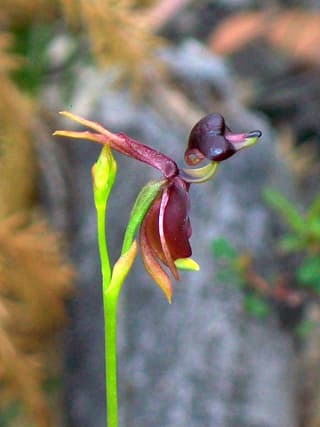
Flying Duck Orchid
Caleana major
The Flying Duck Orchid (Caleana major) is one of the most extraordinary flowering plants in the world. Native to eastern and southern Australia, this small terrestrial orchid produces remarkable reddish-brown flowers whose labellum bears a striking resemblance to a duck in flight. It grows 20–40 cm tall and flowers from spring through summer. Pollination occurs via male sawflies that are deceived into pseudocopulation with the duck-shaped labellum.
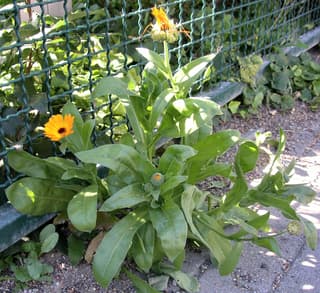
Pot Marigold
Calendula officinalis
Pot marigold (Calendula officinalis) is an annual plant native to the Mediterranean region, widely cultivated for its vibrant flowers in shades of orange, yellow, and cream. Belonging to the Asteraceae family, it is one of the oldest and most versatile medicinal herbs in the world, used since the Middle Ages for healing, culinary, and ornamental purposes. Its edible flowers bloom from spring to fall and attract beneficial pollinators to the garden.
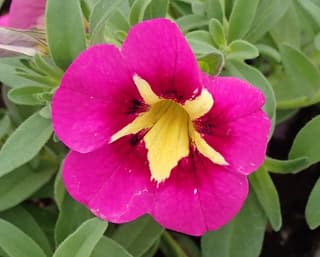
Million bells
Calibrachoa
Calibrachoa, commonly known as Million Bells, is a prolific bloomer featuring hundreds of small, petunia-like flowers. These compact, trailing plants are popular for hanging baskets and containers due to their vibrant colors and self-cleaning nature, meaning they do not require deadheading to continue blooming throughout the season.
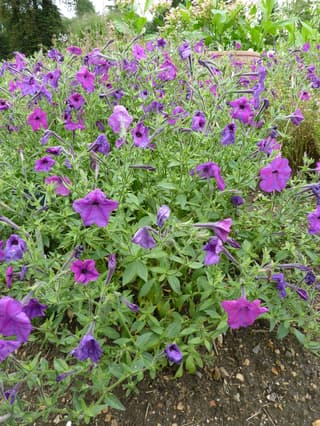
Seaside Petunia
Calibrachoa parviflora
Calibrachoa parviflora, commonly known as Seaside Petunia, is a small, trailing wildflower native to coastal and riparian habitats across Mexico, Central America, and South America. It produces tiny bell-shaped flowers under 1 cm wide, usually purple with a pale throat. It is the wild ancestor of modern garden Calibrachoa hybrids (million bells). The plant creeps along the ground, rooting at nodes, and thrives in moist, well-drained soils near streams and open slopes.
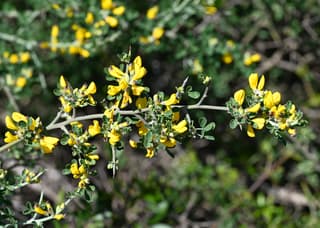
Hairy Thorny Broom
Calicotome villosa
The hairy thorny broom (Calicotome villosa) is a thorny evergreen shrub in the Fabaceae family, typical of the Mediterranean maquis and coastal garrigue. It grows between 1 and 3 meters in height with intricate, rigid branches ending in sharp spines; the leaves are trifoliate with oval, densely pubescent leaflets. In spring (from January to April), it is covered with vibrant, intense yellow flowers that are highly fragrant and gathered in small clusters of 6–15. The fruits are hairy legumes 2–4 cm long. The plant is nitrogen-fixing thanks to symbiotic bacteria in its roots, helping to renew poor and degraded soils. It resists salt winds, prolonged drought, and short frosts down to -10 °C (14 °F).
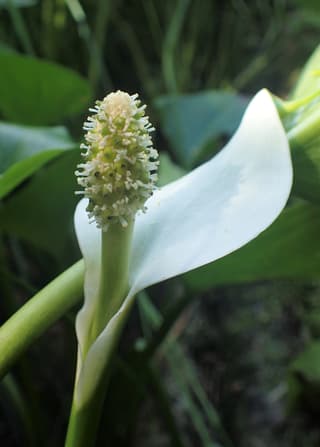
Bog Arum
Calla
Bog Arum (Calla palustris) is a rhizomatous, herbaceous perennial native to cold bogs, marshes, and lake margins across the Northern Hemisphere. It should not be confused with the common calla lily (Zantedeschia aethiopica). It has glossy, heart-shaped dark green leaves and a white spathe surrounding a small yellowish-green spadix, followed by clusters of red berries.
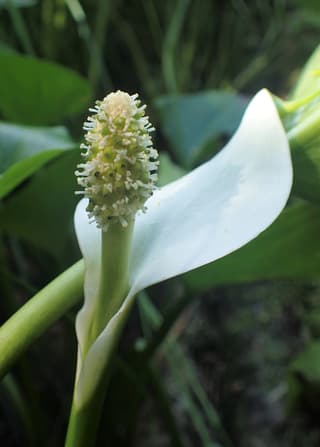
Bog Arum
Calla palustris
Calla palustris, commonly known as Bog Arum or Wild Calla, is an aquatic perennial in the Araceae family. Native to the northern temperate zones of Eurasia and North America, it grows at the margins of lakes, bogs, and wetlands. It produces an elegant white spathe in spring-summer. The entire plant contains calcium oxalate crystals and is toxic if ingested.

Powder Puff
Calliandra
Calliandra is a genus of roughly 140 shrub and small-tree species in the pea family (Fabaceae), native to the tropical and subtropical Americas. Grown for its striking pom-pom flowers made of hundreds of long, silky stamens, Calliandra is a fast-growing, evergreen ornamental prized in warm gardens and as a hummingbird magnet.
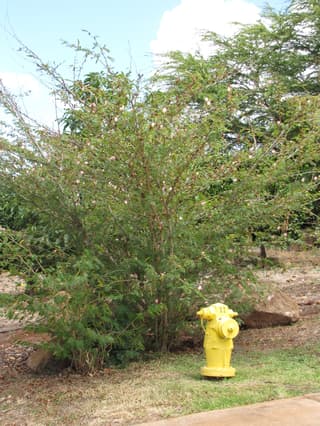
Surinam powderpuff
Calliandra surinamensis
The Surinam powderpuff (Calliandra surinamensis) is an evergreen tropical shrub or small tree from the legume family (Fabaceae), native to northern South America—Suriname, Brazil, Guyana, Venezuela, Colombia, Ecuador, Bolivia, French Guiana, and Peru. It features delicate, bipinnate leaves composed of tiny leaflets that close and droop at night. It is characterized by striking flowers resembling pink-and-white powderpuffs, consisting of up to a hundred silky stamens—white at the base and pink at the tips. It grows rapidly, reaching a height of approximately 11 to 15 feet with a similar spread, and enriches the soil through its ability to fix atmospheric nitrogen, a trait typical of leguminous plants.
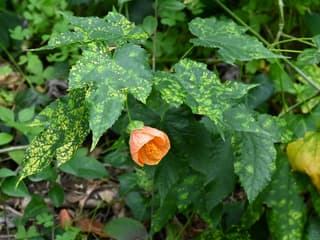
Painted Abutilon
Callianthe picta
Callianthe picta, commonly known as Painted Abutilon or Brazilian Bell Flower, is a fast-growing evergreen shrub native to Brazil and South America. A member of the Malvaceae family, it is prized for its stunning pendulous bell-shaped flowers in vibrant orange with distinctive red veining. It blooms prolifically from spring through fall, making it a favorite for gardens and patios.
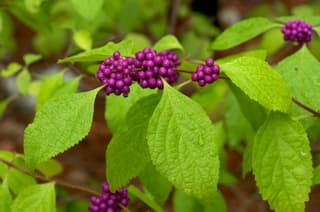
American beautyberry
Callicarpa americana
The American beautyberry (Callicarpa americana) is a deciduous shrub with an arching habit, native to the southeastern United States. It is highly prized for the striking contrast between its green foliage and the dense clusters of vibrant violet berries that cover its stems from late summer through winter. In spring and early summer, it produces small, inconspicuous lilac or white flowers that attract bees and butterflies before giving way to the famous berries, which are a vital food source for birds and other wildlife. It is a low-maintenance, heat-resistant plant that tolerates various soil types, making it ideal for pollinator gardens and naturalized landscapes.
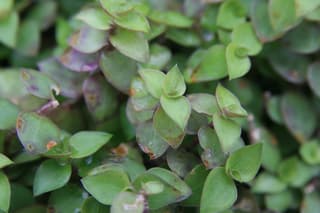
Inch Plant
Callisia
Callisia is a genus of fast-growing trailing succulents from the Commelinaceae family, native to Mexico, Central America, and the Caribbean. Their small oval leaves — green or tinged pink-purple in cultivars — cascade beautifully from hanging baskets or spread as ground cover. One of the easiest houseplant genera to maintain, thriving with minimal care and tolerating a range of indoor conditions.
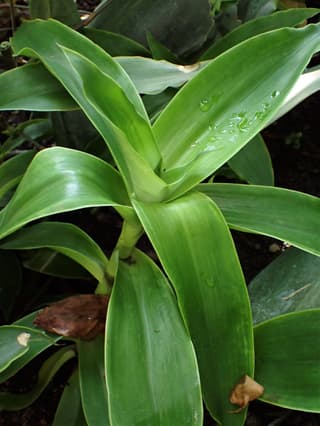
Basket Plant
Callisia fragrans
Callisia fragrans is a fast-growing tropical ornamental plant native to Mexico. Its long, arching leaves grow in rosette formations resembling bromeliads, making it ideal for hanging baskets and indoor spaces. In spring, it may produce small, fragrant white flowers.
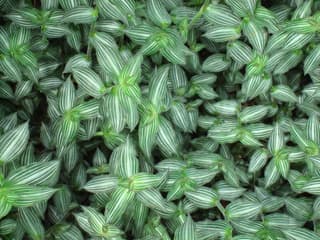
Chain Plant
Callisia gentlei
Callisia gentlei is a trailing, evergreen subshrub in the spiderwort family (Commelinaceae), native to the humid tropical forests of southern Mexico, Guatemala, Belize, and Honduras. Grown for its lush, glossy foliage and cascading habit, it thrives in a hanging basket or on a shelf where its stems can spill over the edge.

Chain Plant
Callisia navicularis
Callisia navicularis, commonly known as the Chain Plant, is a low-growing succulent-like perennial in the spiderwort family (Commelinaceae), native to Mexico. Its small, boat-shaped (navicular) leaves are densely arranged along creeping stems, forming tight mats or trailing chains that cascade attractively from hanging baskets. Leaf color shifts from soft green in shade to striking purplish-bronze under bright light, and short-lived three-petaled purple-pink flowers appear in spring and summer.
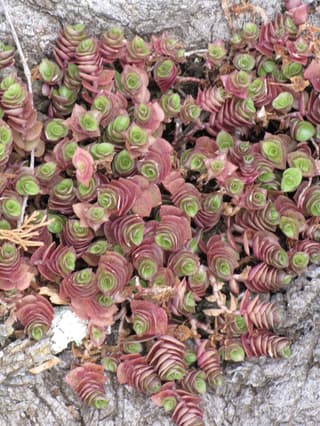
Turtle Vine
Callisia repens
Callisia repens, commonly known as Turtle Vine or Creeping Inch Plant, is a fast-growing trailing succulent from the Commelinaceae family, native to Central and South America. Its small, oval, fleshy leaves in deep green with purple undersides form dense, attractive mats. It is one of the easiest houseplants to grow, perfect for hanging baskets and as ground cover.
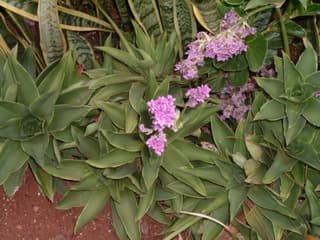
Basket Plant
Callisia warszewicziana
Callisia warszewicziana is a low-growing, evergreen perennial from the Commelinaceae family, native to Central America. Reaching only about 15 cm in height, it spreads readily via creeping stems and stolons, making it an ideal groundcover or hanging basket plant. In summer, it produces small white to pink flowers with yellow centers. It is valued as an ornamental plant and has traditional medicinal uses in its native region.
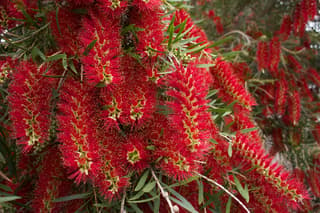
Weeping Bottlebrush
Callistemon viminalis
Callistemon viminalis, commonly known as the Weeping Bottlebrush, is a small tree or large shrub native to Australia. It is characterized by its pendulous branches and vibrant red cylindrical flower spikes that resemble bottle cleaning brushes. It is an extremely hardy plant, highly valued in landscaping for attracting pollinators, especially hummingbirds.
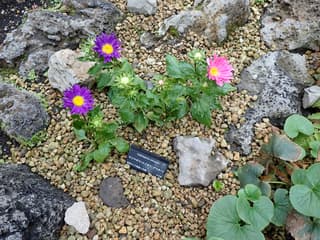
China Aster
Callistephus chinensis
China Aster (Callistephus chinensis) is a stunning annual flowering plant native to China, beloved for its vibrant, daisy-like blooms in shades of white, pink, red, blue, violet, and purple. A member of the Asteraceae family, it blooms from late summer through fall, making it a favorite for cut flower gardens and seasonal borders.
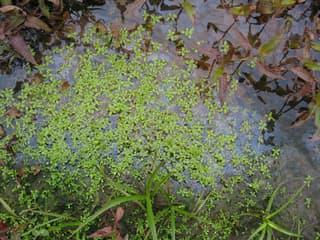
Pond Water-starwort
Callitriche stagnalis
Callitriche stagnalis, commonly known as Pond Water-starwort, is a delicate aquatic plant native to Europe and naturalized worldwide. It thrives in ponds, slow-moving streams, and waterlogged areas, forming attractive floating mats of bright green star-shaped leaf rosettes on the water surface. It is an excellent oxygenator for garden ponds and aquariums.
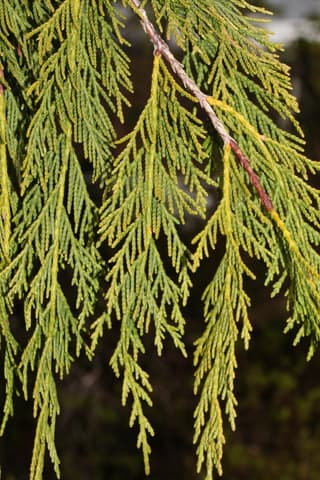
Nootka Cypress
Callitropsis nootkatensis
Nootka Cypress is a slow-to-medium growing evergreen conifer native to the cool, wet coastal forests of the Pacific Northwest, from Alaska down to northern California. It has a graceful, often weeping habit with drooping branchlets of gray-green, scale-like foliage, and matures over decades into a tall, narrow tree prized for its durable, aromatic wood. In gardens it is grown as a specimen or hedging conifer rather than a houseplant, doing best in cool, humid climates with consistently moist but well-drained soil.
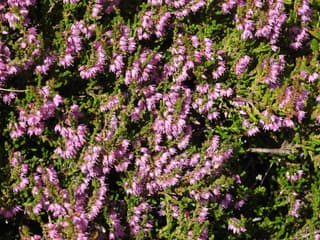
Common Heather
Calluna vulgaris
Calluna vulgaris, commonly known as common heather or ling, is a low-growing evergreen shrub native to Europe, western Asia, and parts of North Africa. It is the sole species in the genus Calluna and a defining plant of moorland and heathland ecosystems. Its tiny, scale-like leaves densely cover wiry stems, and from late summer into autumn it produces masses of small bell-shaped flowers in shades of purple, pink, and white that attract bees and other pollinators. Hardy and adaptable to poor, acidic soils, heather is prized in gardens for year-round foliage color and its ability to thrive where little else will grow.
Find the Perfect Plant
Our plant guide helps you find ideal species for your experience level and time of year.
Browse by Difficulty, Season & More
Use the filters below to narrow this catalog by care difficulty, season, environment, or search directly by name. Each filter leads to a focused list tailored to your specific growing conditions.