Marantaceae
Round-leaf Calathea: Perfect Indoor Houseplant
Calathea orbifolia
High-maintenance plant requiring high humidity (>60%), medium indirect light, consistent watering with filtered water, and temperatures between 16-25°C (61-77°F). Does not tolerate direct sun or cold drafts.
Every 7 days
Partial shade
16° - 25°C
60% - 80%
Categories
What is Round-leaf Calathea?
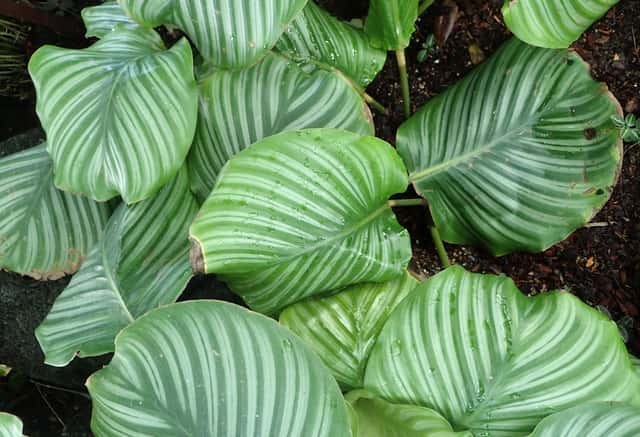
Round-leaf Calathea (Calathea orbifolia) is a hard-care plant from the Marantaceae family. Calathea orbifolia is a tropical plant native to Bolivia, known for its stunning large, rounded leaves with silver and green stripes. It is one of the most popular calatheas but also one of the most demanding in terms of care, especially regarding ambient humidity.
Round-leaf Calathea grows up to 1.0m, spread of 60cm, watering every 7 days, 16°C – 25°C, 60–80% humidity. It is suitable for indoor environments and safe for pets.
Unlike easy-care plants, Round-leaf Calathea demands constant attention to humidity and light. Not recommended for beginners. Unlike many popular species, Round-leaf Calathea is safe to keep around pets. Without adequate drainage, root rot can develop within 14 days.
How to Care for Round-leaf Calathea?
TLDR: Round-leaf Calathea needs Partial shade, watering every 7 days, and temperatures between 16-25°C with 60-80% humidity.
How Often Should You Water Round-leaf Calathea?
Keep the substrate consistently moist but not waterlogged. Water approximately every 7 days in summer and every 10-14 days in winter. Use filtered or water left to sit for 24-48 hours to avoid mineral damage.
How Much Light Does Round-leaf Calathea Need?
Place in an area with medium to high indirect light, near a window but protected from direct sun. Avoid direct sunlight at all costs as it will burn the leaves.
What Is the Best Soil for Round-leaf Calathea?
Requires acidic, well-draining substrate rich in organic matter. Porous composition helps prevent root rot while maintaining necessary moisture.
What Pot Should You Use for Round-leaf Calathea?
Plastic or glazed ceramic pot with drainage holes. Avoid terracotta pots that absorb moisture. Size 1-2 cm larger than the root ball.
Care Schedule
Fertilize
Every 15 days
Misting
Every 3 days
Rotate
Every 14 days
Repot
Every 730 days
What Is Round-leaf Calathea and Where Does It Come From?
Calathea orbifolia is a tropical plant native to Bolivia, known for its stunning large, rounded leaves with silver and green stripes. It is one of the most popular calatheas but also one of the most demanding in terms of care, especially regarding ambient humidity.
How to Propagate Round-leaf Calathea?
Division
Do not damage roots when dividing
- 1 Wait until spring to divide
- 2 Remove the plant from its pot
- 3 Carefully separate rhizomes with roots
- 4 Plant each division in fresh substrate
- 5 Maintain high humidity during establishment
Materials needed:
How Big Does Round-leaf Calathea Grow?
TLDR: Round-leaf Calathea can reach up to 1.0m tall with Medium growth rate.
Max height
1.0m
Spread
60cm
Growth rate
Medium
Foliage
Evergreen
Plant Uses
Ornamental
Great for decoration
Air Purifying
Improves air quality
Is your plant showing symptoms?
Click on the symptom to discover possible causes:
What Diseases Commonly Affect Round-leaf Calathea?
TLDR: Round-leaf Calathea is susceptible to 13 known diseases. Monitor regularly for early detection.
Root Rot
Root rot is a serious fungal disease that affects the root system of plants, causing them to decay and die. It is primarily caused by overwatering, poor drainage, or soil-borne fungi such as Pythium, Phytophthora, Rhizoctonia, and Fusarium. The disease thrives in waterlogged conditions where roots are deprived of oxygen, making them susceptible to fungal infection.
Leaf Spot
Leaf spot is a common fungal disease caused by various pathogens including Alternaria, Ascochyta, Colletotrichum, Septoria, and Venturia. It primarily affects leaves, causing discolored spots that can lead to premature leaf drop if left untreated.
Bacterial Leaf Spot
Bacterial leaf spot is a plant disease caused by bacteria in the Xanthomonas and Pseudomonas genera that affects various ornamental and edible plants. The bacteria infect leaves through wounds or natural openings, causing characteristic lesions that can lead to premature leaf drop and plant weakening.
Spider Mites
Spider mites are tiny arachnids (less than 1/20 inch long) related to spiders and ticks that feed on plant sap. They thrive in hot, dry conditions and can cause significant damage to ornamental and vegetable plants. During severe infestations, crop losses can reach 14% or higher as these pests disrupt vital plant processes including photosynthesis, carbon dioxide absorption, and transpiration.
Meaning & Symbolism
Symbolizes new beginnings and peace in the home; represents harmony and renewal
Compare with similar plants
| Attribute | Difficulty | Light | Watering | Pet Safe |
|---|---|---|---|---|
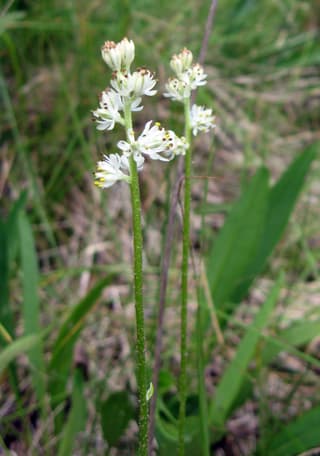
| Sticky false asphodel | Hard | Bright indirect | 1d | ✓ |
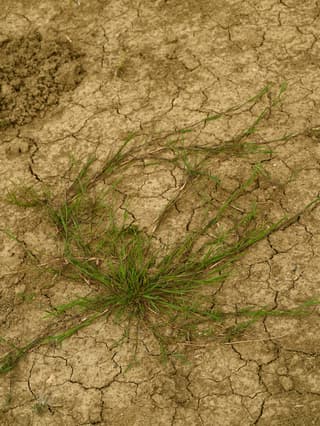
| Creeping bentgrass | Hard | Direct sun | 3d | ✓ |
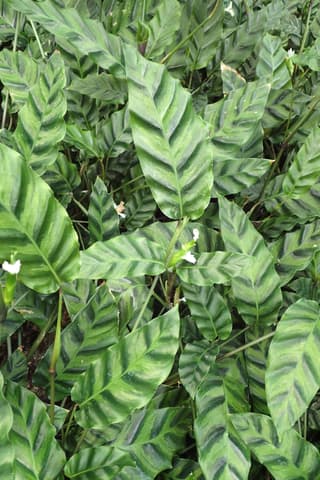
| Thai Beauty Calathea | Medium | Partial shade | 7d | ✓ |
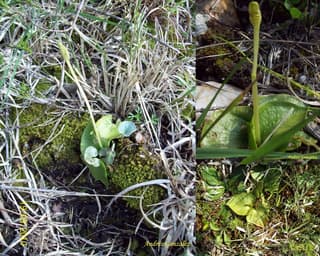
| Bulbous Adder's-tongue | Hard | Partial shade | 4d | ✓ |