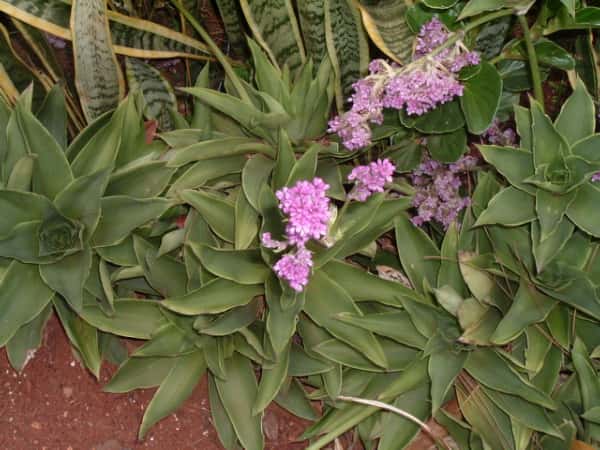
Commelinaceae
Callisia warszewicziana — Basket Plant
Callisia warszewicziana
Easy-care plant that thrives in bright indirect light with moderate watering. Allow the top 2-3 cm of soil to dry between waterings. Keep in well-ventilated spaces at temperatures between 10-30°C. Fertilize monthly during spring and summer.
Every 7 days
Partial shade
10° - 30°C
40% - 70%
Categories
What is Basket Plant?
Basket Plant (Callisia warszewicziana) is a easy-care plant from the Commelinaceae family. Callisia warszewicziana is a low-growing, evergreen perennial from the Commelinaceae family, native to Central America. Reaching only about 15 cm in height, it spreads readily via creeping stems and stolons, making it an ideal groundcover or hanging basket plant. In summer, it produces small white t...
Basket Plant grows up to 15cm, spread of 60cm, watering every 7 days, 10°C – 30°C, 40–70% humidity. It is suitable for indoor environments and not safe for pets.
Unlike many tropical plants, Basket Plant tolerates watering mistakes. Best for beginners. Without precautions, ingestion can cause irritation in pets. Keep out of reach of cats and dogs. Without adequate drainage, root rot can develop within 14 days.
How to Care for Basket Plant?
TLDR: Basket Plant needs Partial shade, watering every 7 days, and temperatures between 10-30°C with 40-70% humidity.
How Often Should You Water Basket Plant?
Water every 7 days in summer and every 10-14 days in winter, allowing the top layer of soil to dry slightly between waterings. Always use pots with drainage holes and avoid waterlogging, as root rot is the most common issue.
How Much Light Does Basket Plant Need?
Place in bright indirect light or partial shade. Tolerates gentle morning sun but avoid harsh direct sunlight that can scorch the leaves. Indoors, position near east or north-facing windows for best results.
What Is the Best Soil for Basket Plant?
Use a well-draining potting mix — a blend of standard potting soil with 20-30% perlite or coarse sand works well. Optimal pH is 6.0-7.5. Avoid compacted or water-retentive mixes.
What Pot Should You Use for Basket Plant?
Terracotta or ceramic pots with drainage holes are ideal for indoor growing. Hanging baskets showcase its trailing habit beautifully. Outdoors, it can be planted directly in garden beds as a groundcover.
Care Schedule
Fertilize
Every 30 days
Misting
Every 7 days
Repot
Every 365 days
What Is Basket Plant and Where Does It Come From?
Callisia warszewicziana is a low-growing, evergreen perennial from the Commelinaceae family, native to Central America. Reaching only about 15 cm in height, it spreads readily via creeping stems and stolons, making it an ideal groundcover or hanging basket plant. In summer, it produces small white to pink flowers with yellow centers. It is valued as an ornamental plant and has traditional medicinal uses in its native region.
How to Propagate Basket Plant?
Stem Cutting
Use clean, sterilized cutting tools. If rooting in water, change the water every 3-4 days. Soil propagation generally yields a higher success rate.
- 1 Cut a healthy stem 8-10 cm long with 2-3 nodes
- 2 Remove the lower leaves, keeping only 2-3 at the tip
- 3 Allow the cut end to callous for 1-2 hours
- 4 Place in moist well-draining soil or a glass of water
- 5 Keep in bright indirect light with moderate humidity until roots form
Materials needed:
How Big Does Basket Plant Grow?
TLDR: Basket Plant can reach up to 15cm tall with Medium growth rate.
Max height
15cm
Spread
60cm
Growth rate
Medium
Foliage
Evergreen
Warning: Toxic Plant
This plant can be toxic if ingested. Keep out of reach of:
Plant Uses
Ornamental
Great for decoration
Medicinal
Medicinal properties
Medicinal Uses
- Traditional use in Central America for treating fevers, colds, and headaches
Is your plant showing symptoms?
Click on the symptom to discover possible causes:
What Diseases Commonly Affect Basket Plant?
TLDR: Basket Plant is susceptible to 10 known diseases. Monitor regularly for early detection.
Root Rot
Root rot is a serious fungal disease that affects the root system of plants, causing them to decay and die. It is primarily caused by overwatering, poor drainage, or soil-borne fungi such as Pythium, Phytophthora, Rhizoctonia, and Fusarium. The disease thrives in waterlogged conditions where roots are deprived of oxygen, making them susceptible to fungal infection.
Gray Mold (Botrytis Blight)
Gray mold, caused by the fungus Botrytis cinerea, is one of the most common fungal diseases in plants. It affects over 200 plant species, including ornamentals, vegetables, fruits, and houseplants. The disease thrives in cool, humid conditions with poor air circulation, causing grayish spots and soft rot on infected tissues.
Powdery Mildew
Powdery mildew is a common fungal disease caused by various fungi species including Erysiphe, Podosphaera, Oïdium, and Leveillula. It affects over 10,000 plant species worldwide. The disease thrives in warm, dry climates with high humidity and appears as a distinctive white powdery coating on plant surfaces.
Leaf Spot
Leaf spot is a common fungal disease caused by various pathogens including Alternaria, Ascochyta, Colletotrichum, Septoria, and Venturia. It primarily affects leaves, causing discolored spots that can lead to premature leaf drop if left untreated.
Meaning & Symbolism
Represents grace and adaptability; its creeping, spreading habit symbolizes resilience and the quiet beauty of small, persistent things.
Fun Facts
Despite its compact 15 cm height, it can spread widely through creeping stems and stolons, making it an excellent groundcover
Traditionally used in Central American folk medicine to treat fevers, colds, and headaches
Its delicate white to pink flowers with yellow centers bloom in summer, attracting pollinators
It belongs to the Commelinaceae family, the same family as Tradescantia and Zebrina — popular trailing houseplants worldwide
Frequently asked questions
How often should I water my Basket Plant?
Is Callisia warszewicziana toxic to pets?
What light does the Basket Plant need?
How do I propagate Callisia warszewicziana?
How often should I fertilize?
Compare with similar plants
| Attribute | Difficulty | Light | Watering | Pet Safe |
|---|---|---|---|---|
| Field Maple | Easy | Bright indirect | 14d | ✓ |
| Silver Birch | Easy | Direct sun | 14d | ✓ |
| Common Blanketflower | Easy | Direct sun | 10d | ✓ |
| Cushion Bush | Easy | Direct sun | 14d | ✓ |





