1159 Medium Plants | 2026 Guide - Page 7
Discover 1159 medium plants for your garden. Complete care guide.
1159 Medium Plants
Showing 217-252 of 1159

Ruderalis Cannabis
Cannabis ruderalis
Cannabis ruderalis is a wild subspecies of Cannabis native to Central Asia, Russia, and Siberia. It is distinguished by its compact stature (rarely exceeding 60 cm) and its unique auto-flowering trait: it flowers based on plant maturity rather than light cycle (photoperiod). It has high CBD and low THC content, making it the subject of significant medicinal research. IMPORTANT: cultivation and possession of Cannabis ruderalis are REGULATED in most jurisdictions and laws vary significantly by country. This is a botanical reference, not a cultivation guide.

Hemp
Cannabis sativa
Cannabis sativa is a fast-growing annual plant in the family Cannabaceae, native to Central and South Asia. It is one of humanity's oldest cultivated plants, grown for thousands of years for fiber, food, oil, and medicine. The plant features palmate leaves with serrated leaflets, hollow stems, and produces small greenish-yellow flowers. It is dioecious, meaning male and female flowers occur on separate plants. Cannabis sativa grows vigorously in warm, sunny conditions and can reach up to 2.5 meters in height within a single growing season.
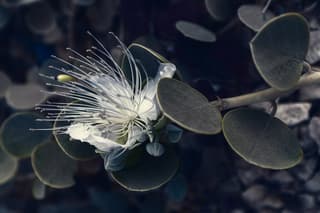
Caper Bush
Capparis spinosa
Capparis spinosa, the Caper Bush, is a drought-tolerant Mediterranean shrub prized for its edible flower buds — capers — widely used in European and Mediterranean cuisine. It produces striking white flowers with pink to purple stamens, blooming in spring and summer. The plant thrives in poor, rocky, well-drained soils and requires very little maintenance once established.
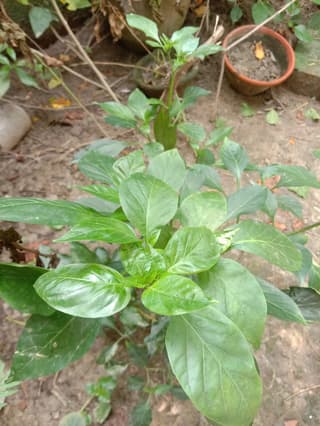
Peppers & Chili Peppers
Capsicum
Capsicum is a genus of warm-season, frost-tender flowering plants in the nightshade family (Solanaceae), native to tropical Central and South America and cultivated worldwide for their edible fruits. The genus spans everything from mild sweet peppers and bell peppers to fiery hot chilies like jalapeno, habanero, and ghost pepper - all sharing the same basic growth habit: a bushy, woody-based shrub or subshrub with simple oval leaves, star-shaped white (occasionally purple) flowers, and hollow, seed-filled fruits that ripen from green through yellow, orange, red, or purple. Grown as annuals in temperate climates and as short-lived perennials in the tropics, peppers thrive with full sun, warm days, consistently moist well-draining soil, and protection from frost.
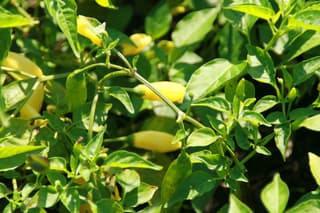
Aji Amarillo Pepper
Capsicum baccatum
Capsicum baccatum, commonly known as aji amarillo, is a South American chili pepper native to Peru and Bolivia. It produces elongated yellow-orange fruits with a fruity flavor and moderate heat, belonging to the Solanaceae family. It can be grown in containers or directly in garden beds and is prized both for culinary use and ornamental appeal.
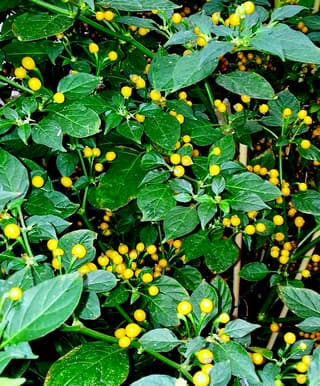
Habanero Pepper
Capsicum chinense
Capsicum chinense is the species that unites the world's most iconic hot peppers — Habanero, Scotch Bonnet, Carolina Reaper, Bhut Jolokia (Ghost Pepper), and the mild Brazilian Biquinho pepper. Native to the tropical Americas, it has been cultivated by indigenous peoples for millennia. The species produces fruits with very high concentrations of capsaicin, ranging from mild (like Biquinho and Aji Dulce) to world-record hot (Carolina Reaper, over 2 million SHU). It is a robust, ornamental plant with exceptional culinary and medicinal value.
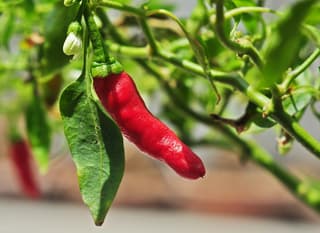
Tabasco Pepper
Capsicum frutescens
Capsicum frutescens, commonly known as the Tabasco Pepper or Bird's Eye Pepper, is a species of chili pepper in the Solanaceae family, native to tropical Americas. This iconic hot pepper species produces small, extremely pungent fruits that ripen from green to bright red. It includes famous cultivars such as Tabasco and Malagueta, and is distinct from the more common Capsicum annuum. Prized worldwide for its intense heat and fruity flavor, it is a cornerstone of hot sauces and spicy cuisines globally.
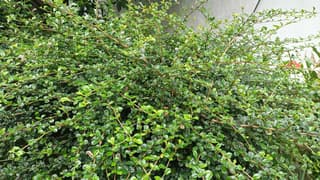
Fukien Tea Tree
Carmona retusa
Carmona retusa, commonly known as the Fukien Tea Tree, is a tropical evergreen shrub highly valued in the art of bonsai. It features small, glossy dark green leaves with a slightly rough texture due to fine hairs. It produces delicate white flowers that can appear year-round in warm climates, followed by small, decorative red berries.
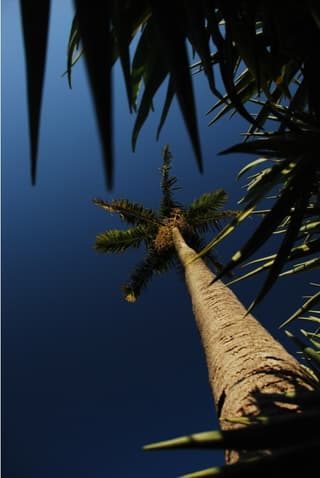
Carpentaria palm
Carpentaria acuminata
Carpentaria acuminata is a solitary palm with a slender, ringed trunk, native to the gallery forests and swamps of northern Australia, in the Carpentaria Gulf region. It can reach 10 to 20 meters in height, with dark green pinnate leaves on the upper side and bluish-green on the underside, and produces pendulous inflorescences with creamy-white flowers followed by showy red fruits.
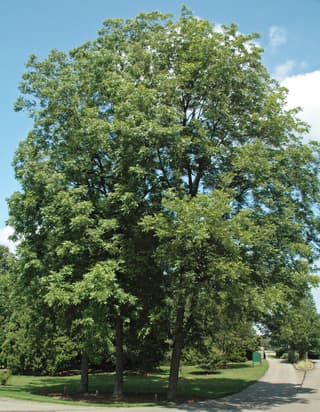
Pecan
Carya illinoinensis
The Pecan (Carya illinoinensis) is a large, majestic deciduous tree native to the southern United States and northern Mexico. It is the most economically important nut tree native to North America, prized for its sweet, buttery nuts and high-quality wood. The tree features a massive canopy with pinnately compound leaves and produces inconspicuous green catkins in the spring. It is a long-lived species that can reach heights of over 100 feet in ideal conditions.
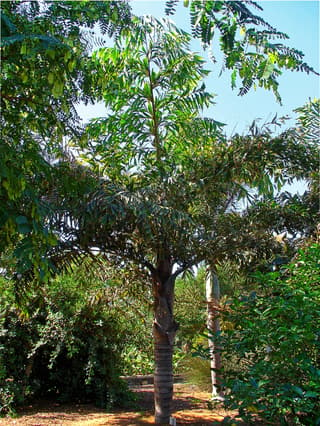
Fishtail Palm
Caryota mitis
Caryota mitis is a fascinating and distinct palm, known for its unique leaves that resemble fish fins or tails. Native to Southeast Asia, it grows in dense clumps, making it excellent for creating natural privacy screens or as a dramatic focal point in spacious interiors. Its leaves are dark green and bipinnate, providing a rich, tropical texture to the environment. It is important to note that its fruits contain calcium oxalate crystals that can cause skin irritation.
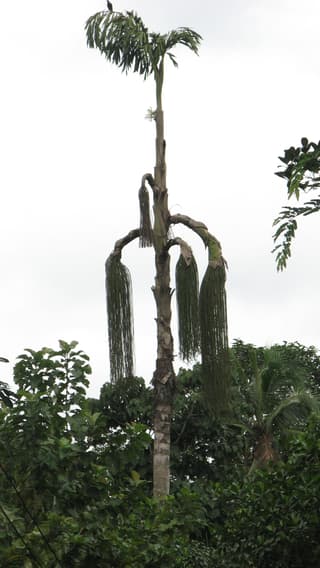
Jaggery Palm
Caryota urens
Caryota urens, commonly known as the Jaggery Palm or Solitary Fishtail Palm, is a tall tropical monocarpic palm native to India, Sri Lanka, and Southeast Asia. It is distinguished by its unique bipinnate leaves with fishtail-shaped leaflets. The plant flowers just once in its 20 to 25 year lifespan. The sap and fruit contain stinging calcium oxalate crystals that irritate skin and mucous membranes.
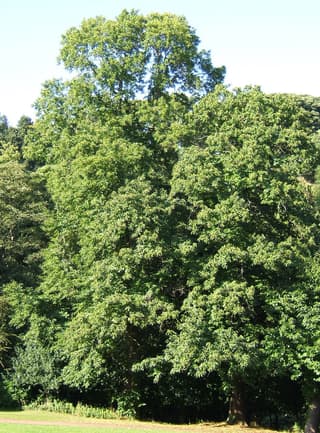
Sweet Chestnut
Castanea sativa
The Sweet Chestnut (Castanea sativa) is a large deciduous tree native to southern Europe and Asia Minor. Cultivated since antiquity for its edible nuts and durable timber, it is one of Europe's most iconic trees. It can live for centuries and grow to impressive heights, making it a majestic feature in rural landscapes and large parks.
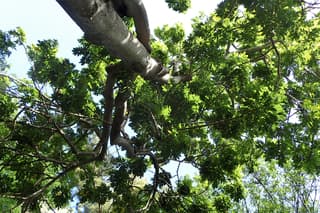
Blackbean
Castanospermum australe
Castanospermum australe, commonly known as Blackbean or Moreton Bay Chestnut, is a slow-growing tropical tree native to the rainforests of eastern Australia. As a houseplant, it is prized for its ornamental seeds and lush dark-green glossy foliage, and is popular as a "lucky bean" plant. WARNING: raw seeds are TOXIC — they contain castanospermine, saponins, and alkaloids; safe only after proper processing.
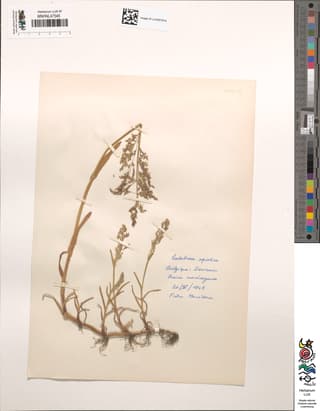
Water Whorlgrass
Catabrosa aquatica
Water whorlgrass is a low, stoloniferous semi-aquatic grass native to wet meadows, stream margins and pond edges across the temperate Northern Hemisphere. It forms creeping mats of pale green, glossy blades and sends up loose, airy flower panicles in summer. Because it roots readily at the nodes, it spreads steadily along muddy banks and shallow water, making it a useful marginal or bog-garden species rather than a houseplant.
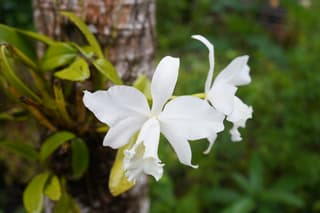
Corsage Orchid
Cattleya
Cattleya is an iconic genus of approximately 110 epiphytic and lithophytic orchid species native to the tropical Americas, ranging from Mexico to Argentina. Known as the "Queen of Orchids," the genus is celebrated for its large, fragrant, and showy flowers in vivid shades of pink, lavender, white, and yellow. In the Bloom database, a legacy entry "Cattleya spp" exists as an older collective reference for the genus. This "Cattleya" entry was created specifically for genus-level matching from Plant.id automated identifications.
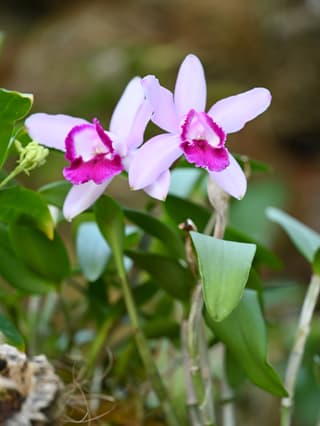
Easter Cattleya
Cattleya intermedia
Cattleya intermedia is an epiphytic orchid native to the Atlantic coastal forests of southern Brazil (São Paulo, Santa Catarina, and Rio Grande do Sul states), as well as Uruguay and Argentina. It grows on rocks and tree branches in humid coastal environments. The species produces large, fragrant, long-lasting flowers in white, lavender, and pale pink with a vibrant magenta lip, blooming in spring and summer.
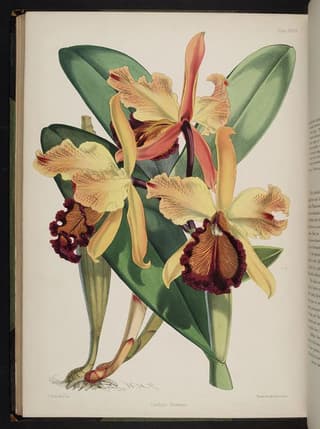
Crimson Cattleya
Cattleya labiata
Cattleya labiata is an epiphytic orchid native to northeastern Brazil, found in states such as Ceará, Pernambuco, Bahia, Sergipe, Alagoas, and Paraíba. Known as the "Queen of the Sertão" (Brazilian outback), it is one of Brazil's most emblematic orchids and was officially designated as the flower symbol of Ceará state in 2025. Its club-shaped pseudobulbs can reach 25cm in height, with a single thick, leathery light-green leaf. It produces 2 to 5 flowers per bloom, each measuring 15-20cm, in shades of pink, lilac, purple, and white, with a vibrant lip and a distinctive fragrance that inspired the famous Chanel N°5 perfume.
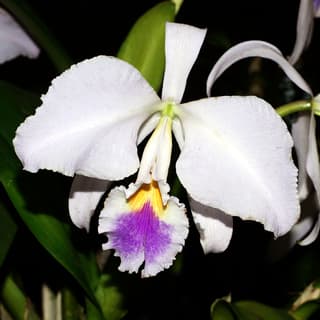
Mendel's Cattleya
Cattleya mendelii
Cattleya mendelii, commonly known as Mendel's Cattleya, is a stunning epiphytic orchid native to the cloud forests of Colombia. It produces large, showy flowers with white to pale pink petals and sepals, crowned by a magnificent crimson-purple lip with a yellow throat. Celebrated for its intense fragrance and elegant blooms, it is considered one of the most graceful species in the Cattleya genus. It grows as a unifoliate epiphyte, meaning each pseudobulb bears a single leaf, and blooms reliably in late spring.
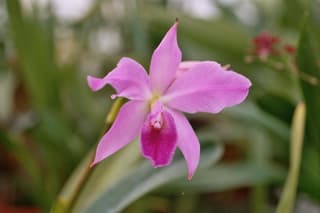
Cattleya Orchid
Cattleya spp
Cattleya (Cattleya spp) is a genus of epiphytic orchids native to the Atlantic Forest of Brazil and other tropical regions of South and Central America. Known as the Queen of Orchids, it produces large, showy flowers in vibrant shades of purple, pink, white, yellow, and orange. It is among the most cultivated orchids in the world, prized by collectors and orchid enthusiasts alike.
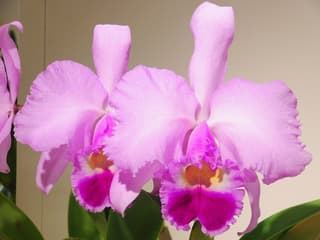
Christmas Orchid
Cattleya trianae
Cattleya trianae, the Christmas Orchid or Winter Cattleya, is the national flower of Colombia. This epiphytic orchid from the Andean cloud forests produces spectacular blooms in shades of purple, white, and pink with a distinctive lip, flowering from late December through early spring.
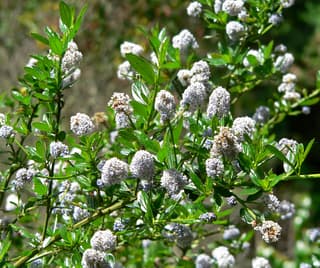
Blueblossom
Ceanothus thyrsiflorus
Ceanothus thyrsiflorus, known as blueblossom, is an evergreen shrub or small tree native to the coastal ranges of California and Oregon. Valued for its dense clusters of powder-blue to deep-blue flowers that bloom in spring, it belongs to the buckthorn family (Rhamnaceae) and thrives in Mediterranean-climate gardens.
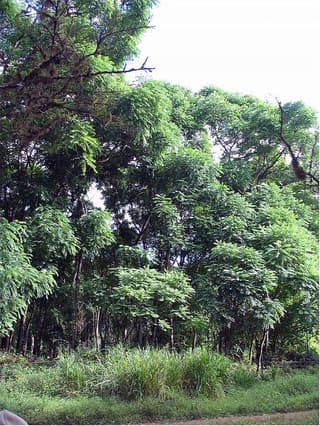
Spanish Cedar
Cedrela odorata
Spanish Cedar (Cedrela odorata) is a majestic tropical tree in the Meliaceae family, native to the Neotropics from Mexico through Central America and the Caribbean to Argentina. Its aromatic heartwood is naturally termite- and rot-resistant, making it one of the most prized timbers in Latin America. The tree is also valued for reforestation, agroforestry, and traditional medicine.
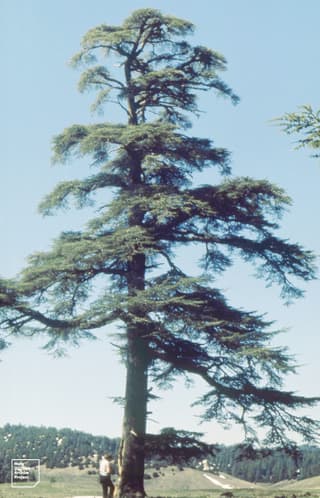
Atlas cedar
Cedrus atlantica
The Atlas cedar (Cedrus atlantica) is a large, evergreen coniferous tree belonging to the pine family (Pinaceae), native to the Atlas Mountains of North Africa and the Rif Mountains, as well as the Tell Atlas region of Algeria. In its youth, it develops a regular conical crown, but as it matures, it flattens out with spreading, horizontal, or drooping branches. Its grayish-green, short needles sit in clusters on short shoots and are scattered on long shoots, while its upright, barrel-shaped cones turn from greenish-blue to a shiny brown over 2-3 years. In its native habitat, it can grow up to 30-40 meters tall, making it one of the largest coniferous species.
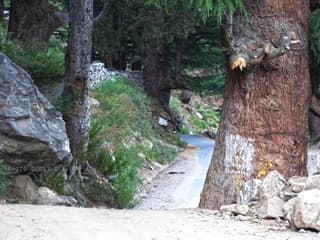
Deodar Cedar
Cedrus deodara
The deodar cedar (Cedrus deodara) is a large evergreen conifer native to the western Himalayas, from Afghanistan to India and Nepal, where it grows at elevations of 1,500-3,200 m. A true cedar in the Pinaceae family, it forms a broad, pyramidal crown with graceful, drooping branch tips and soft, blue-green to silvery needles arranged in dense whorls. Mature landscape trees typically reach 12-15 m tall with a wide spread, and can live for centuries. Revered in the Himalayas as "Devadaru" - Sanskrit for "wood of the gods" - it is prized both as a stately ornamental tree and, historically, for its rot-resistant, fragrant timber.
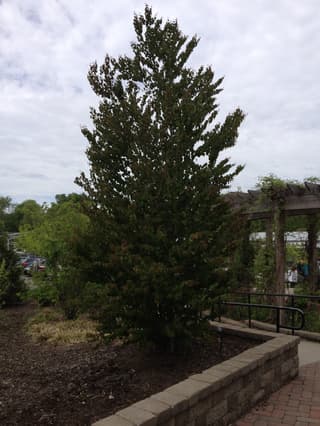
Katsura tree
Cercidiphyllum japonicum
Cercidiphyllum japonicum, known as the Katsura tree, is a deciduous tree native to Japan and China featuring characteristic heart-shaped leaves that emerge reddish and turn green throughout the summer. In autumn, the foliage shifts to shades of yellow, orange, and reddish-apricot, and as the leaves fall, they emit a sweet fragrance reminiscent of caramel, cinnamon, or cotton candy. The tree is medium to large, often multi-stemmed, with an elegant, rounded crown and grayish bark that flakes with age. It is fully hardy and frequently planted as an ornamental tree in gardens, parks, and avenues.
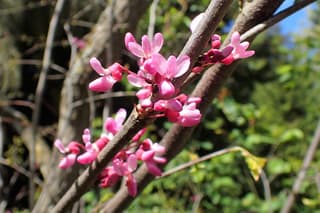
Chinese Redbud
Cercis chinensis
Cercis chinensis, commonly known as Chinese redbud, is a deciduous flowering shrub or small tree native to central China. Prized for its spectacular display of rosy-pink to magenta flowers that cover bare branches in early to mid-spring before the heart-shaped leaves emerge, it is a popular ornamental in gardens, courtyards, and as a specimen plant. Left unpruned it typically grows as a multi-stemmed shrub reaching 2-4.5 m tall, though it can be trained into a small single-trunk tree.
Cerioporus
Cerioporus
Cerioporus is a genus of polypore fungi, most notably represented by Cerioporus squamosus, commonly known as Dryad's Saddle. These fungi are characterized by their large, fan-shaped or kidney-shaped fruiting bodies that grow on decaying hardwood. They feature a distinctive pattern of brownish scales on their upper surface and a porous underside instead of gills. When young, they are tender and possess a unique scent reminiscent of watermelon rind or cucumber.
Yellow Oleander
Cervera thevetia
Cascabela thevetia, commonly known as Yellow Oleander or Lucky Nut, is an evergreen shrub or small tree prized for its glossy green foliage and tubular flowers. While aesthetically pleasing, it is extremely toxic in all its parts due to the presence of cardiac glycosides.
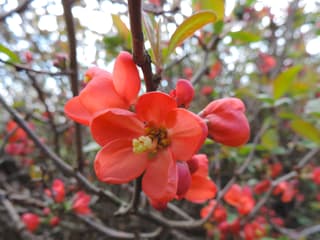
Flowering Quince
Chaenomeles speciosa
Flowering quince (Chaenomeles speciosa) is a dense, deciduous shrub native to China, Tibet, and Myanmar, belonging to the Rosaceae family. It bursts into spectacular bloom in late winter and early spring—often before its leaves emerge—producing flowers in shades of red, pink, and white. The plant also yields fragrant, yellow-green fruits high in vitamin C, valued for making jams, jellies, and medicinal preparations. It is extremely cold-hardy and adaptable to a wide range of garden conditions.
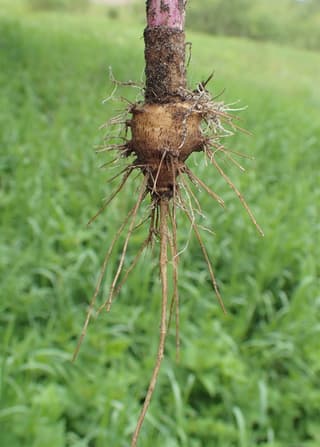
Bulbous Chervil
Chaerophyllum
Chaerophyllum is a genus of roughly 35-40 flowering herbs in the carrot family (Apiaceae), native to temperate regions of Europe, Asia, North America and northern Africa. The genus includes both wild roadside species, such as rough chervil (C. temulum), and the cultivated turnip-rooted chervil (C. bulbosum), grown for its sweet, starchy taproot. Plants form feathery, fern-like foliage and produce flat umbels of small white flowers in late spring to summer.
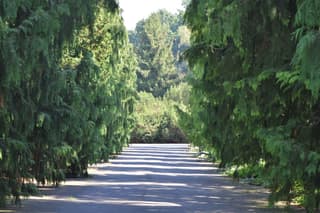
Lawson's Cypress
Chamaecyparis lawsoniana
Chamaecyparis lawsoniana, known as Lawson's Cypress or Port-Orford-cedar, is a large evergreen conifer native to southwestern Oregon and northwestern California. Renowned for its graceful, drooping branch tips and scale-like foliage, it is widely cultivated as an ornamental tree and hedge plant in temperate gardens worldwide.
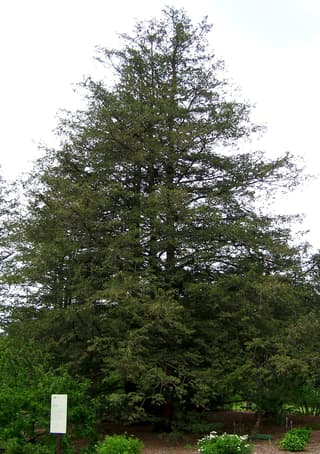
Sawara cypress
Chamaecyparis pisifera
Chamaecyparis pisifera, commonly known as Sawara cypress or Sawara false cypress, is an evergreen conifer native to Japan, belonging to the Cupressaceae family. It is widely cultivated as an ornamental tree prized for its graceful, scale-like foliage and pyramidal form. The species encompasses over 100 cultivars ranging in color from deep green to golden yellow and silver-blue, and in size from compact dwarf forms to large specimen trees reaching 60 feet. Highly valued in Japanese gardens, it is frequently found near Shinto shrines and Buddhist temples.
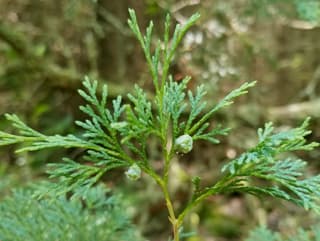
Atlantic White Cedar
Chamaecyparis thyoides
Atlantic White Cedar is a slow-growing, evergreen conifer native to the coastal freshwater swamps and bogs of eastern North America, ranging from Maine to Florida. It forms a graceful, narrow columnar shape with soft, aromatic, blue-green scale-like foliage and fibrous reddish-brown bark.
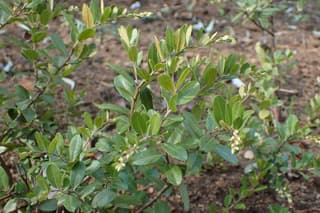
Leatherleaf
Chamaedaphne calyculata
Chamaedaphne calyculata, commonly called leatherleaf or cassandra, is a perennial dwarf evergreen shrub in the family Ericaceae and the sole species in genus Chamaedaphne. Native to acidic bogs and boreal peatlands across North America, Europe, and Asia, it spreads via rhizomes to form dense thickets. Its thick, leathery, dark green leaves turn bronze-red in winter, and it produces small white urn-shaped flowers in one-sided racemes in spring.

Cat Palm
Chamaedorea cataractarum
Chamaedorea cataractarum, commonly known as the cat palm or cascade palm, is a clumping, trunkless palm native to riverbanks and waterfalls in Mexico and Central America. Its arching, deep-green pinnate fronds emerge directly from the soil, forming dense, jungle-like clusters. It is one of the few palms considered truly non-toxic to cats and dogs.
What are Medium Plants?
Medium Plants require a bit more attention and basic gardening knowledge. These plants thrive with regular care and some cultivation experience. Ideal for those who already master the basics.
Tips for Growing Medium Plants
medium plants need a balance between attention and freedom. Keep a regular care routine, watch leaves to identify problems early, and adjust watering by season.