1159 Medium Plants | 2026 Guide - Page 8
Discover 1159 medium plants for your garden. Complete care guide.
1159 Medium Plants
Showing 253-288 of 1159
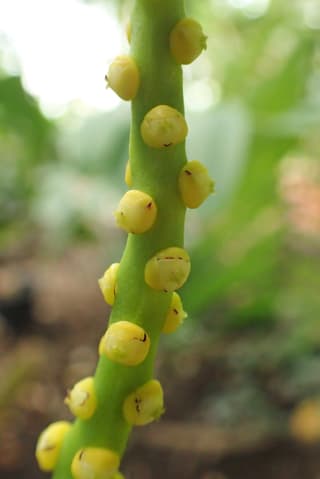
Pacaya Palm
Chamaedorea tepejilote
Chamaedorea tepejilote, commonly known as the Pacaya Palm, is a tropical understory palm native to Central America and southern Mexico. It is prized for its edible inflorescences, widely used in Guatemalan and Mexican cuisine, and for its graceful arching fronds that make it an excellent indoor or shaded garden plant.
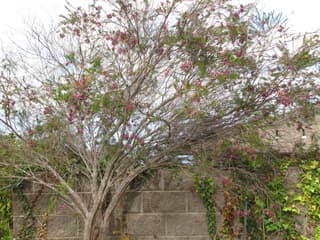
Geraldton Waxflower
Chamelaucium uncinatum
Chamelaucium uncinatum, commonly known as the Geraldton Waxflower, is a stunning evergreen shrub native to the coastal heathlands of Western Australia, particularly the Geraldton region. It produces masses of small, waxy, five-petalled flowers in shades of white, pink, magenta, and purple from late winter through spring. The needle-like foliage releases a light citrus fragrance when crushed. Highly valued as a cut flower worldwide, it thrives in dry, sunny Mediterranean-type conditions and is beloved in Australian native gardens.

Brazilian Rain Tree
Chloroleucon tortum
Chloroleucon tortum, popularly known as the Brazilian Rain Tree or Tataré, is a deciduous tree native to the Atlantic Forest and the coastal restingas of Rio de Janeiro, currently considered endangered in its original habitat. It is famous for its tortuous trunk with bark that peels off in plates to form a highly ornamental marbled texture—making it one of the most sought-after species for bonsai in Brazil. Its bipinnate leaves are delicate and drop during periods of water stress, but the tree resprouts vigorously within a few weeks. It produces fragrant, globose white to cream-colored flowers during the spring and summer.
False Parasol
Chlorophyllum molybdites
Chlorophyllum molybdites, commonly known as the false parasol or the green-spored lepiota, is a highly toxic basidiomycete fungus. It is characterized by its large white cap with brown scales and, most distinctively, its gills that turn grayish-green at maturity due to its green spores. It is one of the most common causes of mushroom poisoning in North America and tropical regions due to its resemblance to edible species like Macrolepiota procera.
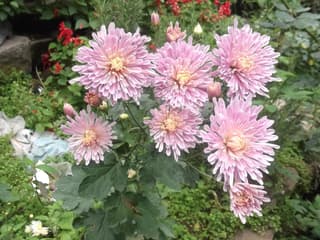
Chrysanthemum / Mum
Chrysanthemum
Chrysanthemum is a genus of flowering perennials in the daisy family (Asteraceae), prized worldwide as garden and florist plants. Native to Asia and northeastern Europe, mums are the quintessential fall bloomer, producing dense mounds of daisy-like or pom-pom flowers in shades of yellow, white, red, purple, pink, orange, and bronze.
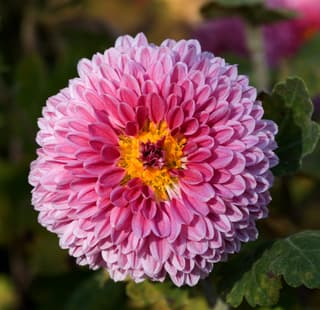
Florist's Chrysanthemum
Chrysanthemum × morifolium
The Florist's Chrysanthemum (Chrysanthemum × morifolium) is one of the world's most popular ornamental flowering plants, developed through centuries of hybridization originating in ancient China. Known for its spectacular fall blooms in shades of white, yellow, pink, red, purple, and orange, it is widely used as a cut flower, potted plant, and garden border perennial. It thrives in full sun with well-drained soil and moderate watering.
Star Apple
Chrysophyllum
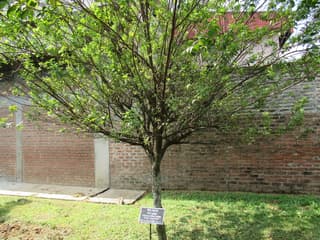
Chrysophyllum is a genus of approximately 37 species of tropical trees in the family Sapotaceae, native primarily to the tropical Americas from Mexico to northern Argentina and the Caribbean. The genus name derives from the Greek chrysos (gold) and phyllon (leaf), referring to the characteristic golden sheen on the underside of the leaves. These fast-growing trees can reach 10 to 30 meters in height, with glossy evergreen foliage, small purplish-white flowers, and highly prized edible fruits. The best-known species is Chrysophyllum cainito, the star apple, celebrated for its sweet, star-patterned pulp.
Sunset bells
Chrysothemis pulchella
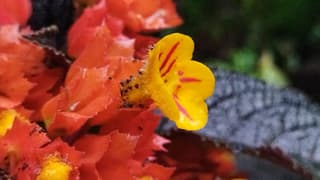
Chrysothemis pulchella is a tropical perennial plant from the Gesneriaceae family, related to African violets and gloxinias. It is known for its velvety copper-toned foliage and its tubular yellow flowers with red stripes or spots, surrounded by a very showy and long-lasting orange-red calyx, although each corolla lasts only a few days. It grows from tubers, so it may lose leaves and stems during cold seasons and sprout again when the heat returns. It reaches about 12-18 inches in height when grown indoors.

Camphor tree
Cinnamomum camphora
The Camphor tree is a majestic evergreen tree, native to East Asia, famous for its aromatic wood and the production of camphor. Its leaves are leathery, glossy, and release a characteristic fragrance when crushed. In spring, it produces small clusters of white or cream flowers, followed by small black fruits. Although it reaches large proportions in the wild, it can be grown in large pots or as a bonsai in its early years.
Watermelon
Citrullus lanatus
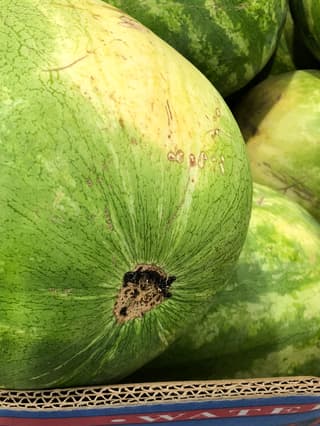
Watermelon (Citrullus lanatus) is an annual creeping plant of the cucurbit family, native to Africa. It is widely cultivated for its large, juicy fruit, which has a high water content (about 92%) and is rich in vitamins A, C, and lycopene. Its vines can extend for several meters, featuring lobed leaves and yellow flowers that give rise to fruits with green rinds and typically red flesh.
Citrus
Citrus
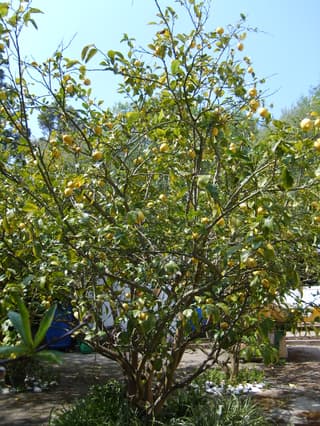
The genus Citrus comprises evergreen trees and shrubs - including oranges, lemons, limes, and mandarins - native to Southeast Asia and belonging to the Rutaceae family. Prized for their fragrant white flowers and edible fruit, citrus plants feature glossy, aromatic dark-green foliage and are grown in orchards, gardens, and containers throughout subtropical and tropical climates worldwide.
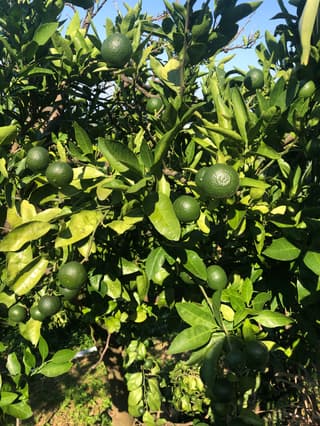
Key Lime
Citrus × aurantiifolia
Key lime (Citrus × aurantiifolia) is an evergreen citrus tree native to Southeast Asia, now widely grown across tropical and subtropical regions worldwide. Prized for its small, intensely aromatic fruits, it is a cornerstone of tropical cuisine — most famously in Key lime pie — as well as cocktails, marinades, and desserts. The tree bears fragrant white flowers with purplish tinges and glossy, dark green leaves. It is the most cold-sensitive of all commercial citrus, thriving in warm, sunny climates.
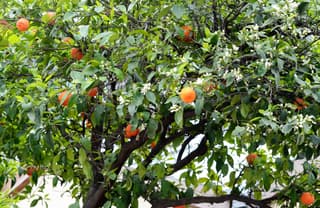
Bitter Orange
Citrus × aurantium
Bitter Orange (Citrus × aurantium) is an evergreen citrus tree originating from a natural hybrid between C. maxima and C. reticulata. Cultivated for centuries across the Mediterranean and Asia, it produces intensely fragrant white flowers and aromatic but bitter fruits. It is widely used in perfumery (neroli oil), liqueur production, traditional medicine, and as an ornamental tree in subtropical gardens.
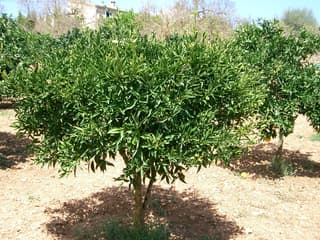
Willowleaf Mandarin
Citrus × aurantium f. deliciosa
The willowleaf mandarin is a compact evergreen citrus tree native to the Mediterranean basin, first documented in Italy in the early 1800s. It gets its name from its narrow, willow-like leaves and produces small, intensely fragrant white flowers followed by sweet, easy-peel orange fruit with a distinctive aromatic rind.
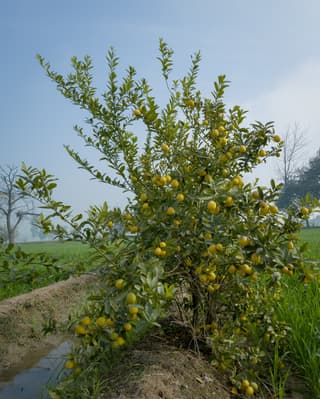
Lemon Tree
Citrus × limon
The lemon tree (Citrus × limon) is an evergreen fruit tree in the Rutaceae family, originating as a natural hybrid between the citron (Citrus medica) and bitter orange (Citrus aurantium), likely in Asia. It is one of the most widely cultivated citrus species worldwide, prized for its tart vitamin C-rich fruits, fragrant white blossoms, and year-round ornamental value. It thrives in subtropical and Mediterranean climates.
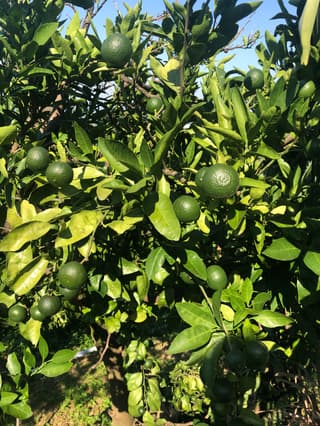
Key Lime
Citrus aurantiifolia
Key Lime (Citrus aurantiifolia) is a small, thorny citrus tree native to the Malesian region of Southeast Asia. It produces small, round, intensely aromatic and acidic fruits widely prized in culinary traditions from the Americas to Southeast Asia. The tree features glossy evergreen foliage and fragrant white flowers that bloom year-round in warm climates.
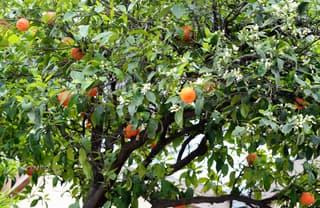
Bitter Orange
Citrus aurantium
Citrus aurantium, commonly known as Bitter Orange or Seville Orange, is an evergreen citrus tree native to Southeast Asia and widely naturalized across the Mediterranean, Middle East, and South America. It produces glossy dark-green foliage, intensely fragrant white blossoms, and round orange fruits that are too acidic for fresh consumption but prized for their culinary, medicinal, and aromatic applications. The peel yields neroli essential oil from the flowers and petit grain oil from leaves and twigs — both cornerstones of classical perfumery. As one of the most economically versatile citrus species, Bitter Orange underpins the production of liqueurs, marmalades, dietary supplements, and fine fragrances worldwide.
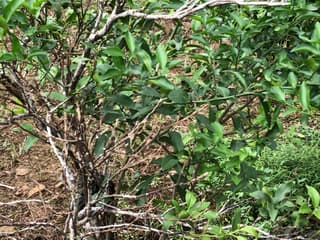
Kumquat
Citrus japonica
The kumquat (Citrus japonica) is a small evergreen citrus shrub or tree native to China, prized for its bite-sized orange fruit that is eaten whole, peel and all, offering a sweet rind and tart flesh. Compact and slow-growing, it is popular as a container and ornamental garden plant, and is one of the few citrus resistant to citrus canker.
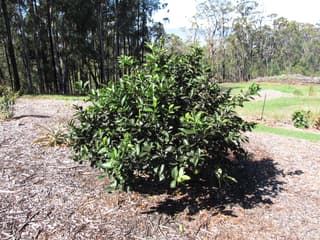
Persian Lime
Citrus latifolia
Citrus latifolia, the Persian lime or Tahiti lime, is a citrus fruit hybrid widely cultivated for its seedless, juicy fruits. It is an evergreen tree reaching up to 5 meters, bearing fragrant white flowers and producing fruit year-round in warm climates.
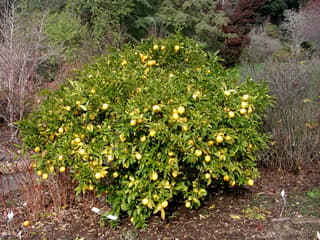
Lemon
Citrus limon
The lemon (Citrus limon) is a small evergreen tree in the Rutaceae family, native to the subtropical regions of South Asia. Recognized for its aromatic yellow oval fruits, pinkish-white flowers, and bright green foliage, it is one of the most widely cultivated citrus fruits in the world. It produces fruit with high vitamin C and citric acid content, being extensively used in cooking, folk medicine, and perfumery.
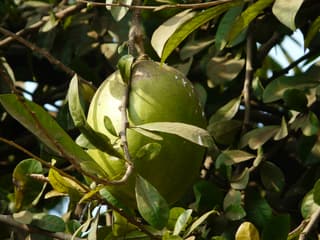
Pomelo
Citrus maxima
Citrus maxima, the pomelo, is the largest citrus fruit in the world, native to Southeast Asia, with fruit that can exceed 2 kg, a thick spongy rind, and mildly sweet, low-acid flesh. It is the wild ancestor of the grapefruit, which arose from its natural cross with the sweet orange. The tree is a tropical evergreen with a dense canopy, large leaves, and highly fragrant white flowers.

Buddha's Hand
Citrus medica var. sarcodactylis
Citrus medica var. sarcodactylis, or Buddha's Hand, is a citrus fruit native to China and northeastern India, cultivated for centuries for its spectacular fruit that divides into several fleshy 'fingers.' An evergreen shrub or small tree with glossy green foliage, it produces fragrant white flowers tinged with purple that appear almost year-round, peaking between spring and autumn. Unlike other citrons, its fruit contains neither pulp nor juice: only the highly fragrant zest and rind are used in cooking and perfumery. Frost-sensitive, it is grown in the ground in mild climate regions (USDA zones 9 to 11) and in pots, with winter protection, in cooler climates.
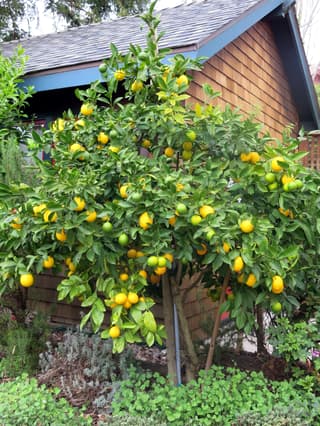
Meyer Lemon
Citrus meyeri
The Meyer Lemon is a hybrid citrus tree native to China, believed to be a cross between a true lemon and a mandarin orange. It produces sweeter, rounder, and thinner-skinned fruits than common lemons, with a deep yellow-orange color when ripe. Compact enough for containers, it thrives both indoors and outdoors in warm climates.
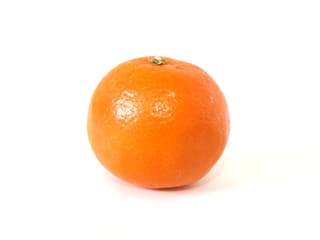
Mandarin Orange
Citrus reticulata
The mandarin orange, also known as tangerine, is a small to medium evergreen citrus tree prized for its sweet, easy-to-peel fruits. Native to Southeast Asia, it thrives in full sun with well-draining soil and is suitable for both container growing and outdoor orchards. A classic symbol of winter abundance and prosperity.
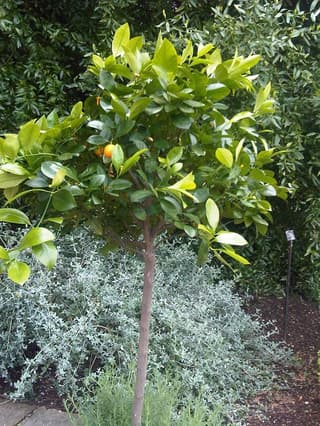
Sweet Orange
Citrus sinensis
The sweet orange (Citrus sinensis) is an evergreen fruit tree originally from southern China and Southeast Asia, now cultivated worldwide in tropical and subtropical climates. It produces juicy, vitamin C-rich fruits and fragrant white blossoms. One of the most economically important fruit crops globally, it thrives in warm, sunny gardens and can also be grown in large containers.
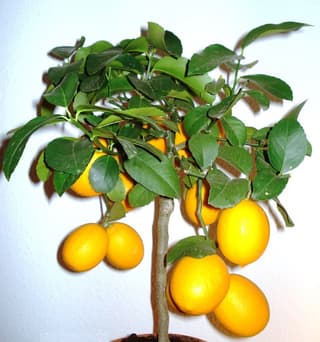
Meyer lemon
Citrus x meyeri
The Meyer lemon (Citrus x meyeri) is a citrus hybrid native to China, believed to be a cross between a true lemon and either a mandarin orange or a common orange. It was introduced to the United States in 1908 by agricultural explorer Frank Meyer. This small evergreen tree is highly popular as both an ornamental and fruiting plant, well-suited to garden beds and container growing. Its fruit is sweeter and less acidic than a true lemon, with a thin, deep yellow-orange rind. It produces fragrant white flowers, sometimes tinged purple in bud.
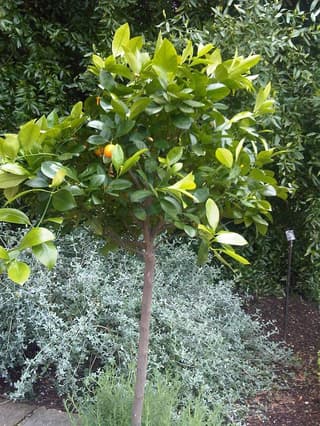
Sweet Orange
Citrus x sinensis
The sweet orange (Citrus x sinensis) is an evergreen fruit tree in the Rutaceae family, cultivated worldwide for its sweet, vitamin C-rich fruit. It features glossy, aromatic dark green leaves and fragrant white blossoms that appear in spring and winter.
Reindeer lichen
Cladonia rangiferina
Cladonia rangiferina, known as reindeer lichen, is a light grey, shrub-like species of lichen that grows in cold regions and tundras. Although it looks like a plant, it is actually a symbiotic community of fungus and algae. It is extremely resistant to low temperatures and serves as a primary food source for reindeer during winter.
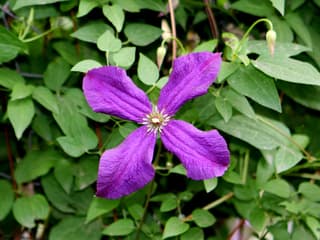
Clematis
Clematis
Clematis is a genus of woody and herbaceous flowering vines in the Ranunculaceae family, prized for its showy blooms in shades of purple, white, pink, and blue. Popular for covering trellises, fences, and walls, it flowers abundantly in spring and summer.
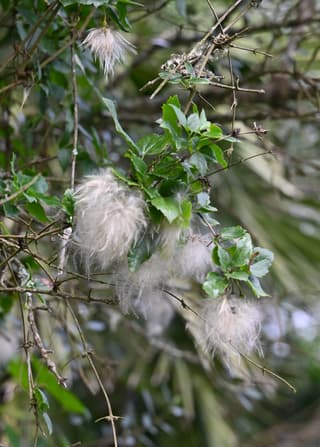
Fragrant Clematis
Clematis flammula
Clematis flammula, commonly called Fragrant Clematis, is a vigorous deciduous climber in the buttercup family (Ranunculaceae), native to the Mediterranean region and North Africa. From midsummer into autumn it produces masses of small, star-shaped, sweetly almond-scented white flowers, followed by decorative fluffy seed heads. Left to scramble, it forms a dense tangled mound, but with a trellis, fence or pergola it climbs readily to 3-4 m or more.
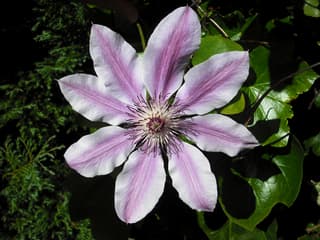
Hybrid Clematis
Clematis x hybrida
Clematis x hybrida is a deciduous climbing vine resulting from hybridization of Asian and European clematis species. Renowned for its spectacular large blooms in shades of purple, pink, white, blue, and red — which can reach up to 25 cm in diameter — it is one of the most beloved ornamental climbers in temperate gardens worldwide. It gracefully adorns fences, walls, trellises, and arbors.
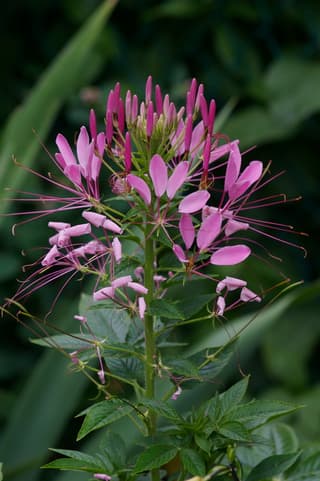
Spider Flower
Cleome hassleriana
Cleome hassleriana, commonly known as Spider Flower, is a fast-growing annual plant native to South America — particularly Brazil, Paraguay, and Argentina. It produces delicate flowers in shades of pink, purple, and white with long protruding stamens resembling spider legs, attracting butterflies, hummingbirds, and other pollinators. It is an easy-to-grow plant ideal for borders, background plantings, and cottage gardens.
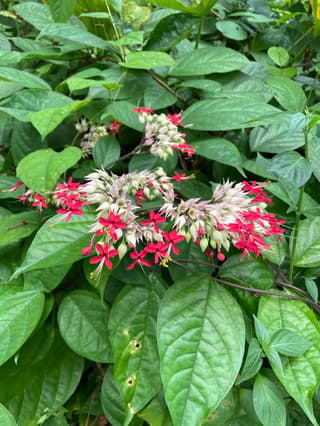
Glorybower (genus)
Clerodendrum
Clerodendrum is a large genus of tropical and subtropical plants in the Lamiaceae family, comprising over 400 species of shrubs, vines, and small trees. Celebrated for their ornamental flowers, popular species include the Bleeding Heart Vine (C. thomsoniae) and the Pagoda Flower (C. paniculatum).
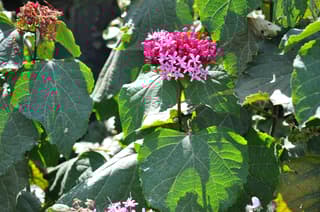
Rose Glory Bower
Clerodendrum bungei
Rose Glory Bower (Clerodendrum bungei) is a vigorous deciduous shrub native to China, prized for its spectacular summer and autumn blooms. It produces large, domed clusters of fragrant rose-pink to deep crimson flowers that stand out against its broad, dark green leaves. While the flowers are sweetly perfumed, the leaves emit a pungent odor when crushed. Fast-growing and adaptable, it is ideal for garden borders, screens, and wildlife gardens.
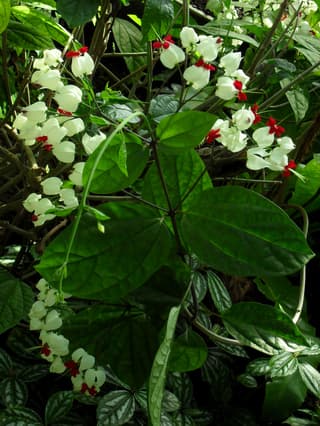
Bleeding Heart Vine
Clerodendrum thomsoniae
Clerodendrum thomsoniae is a stunning tropical climbing vine native to West Africa, prized for its striking bicolored flowers featuring pristine white heart-shaped calyces from which bright crimson tubular flowers emerge. This vigorous twining vine can grow up to 4 meters and blooms profusely in spring and summer, making it a spectacular addition to any indoor or outdoor tropical garden.
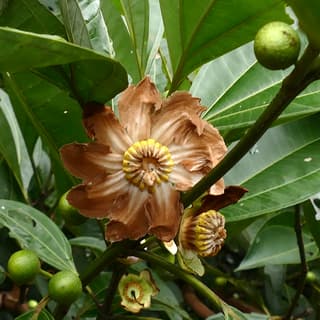
Large-flowered Clusia
Clusia grandiflora
Clusia grandiflora is a hemiepiphytic climber native to the Amazon rainforest and the Guiana region, found across Brazil, Peru, Colombia, Venezuela, Suriname and French Guiana. It begins life as an epiphyte in the canopy of a host tree, later sending roots down to the forest floor and becoming a self-supporting tree up to 10 m tall with distinctive stilt roots. Its thick, leathery leaves are typical of the genus Clusia, and its large white flowers tinged with rose, up to 20 cm across, rank among the showiest in the Clusiaceae family.
What are Medium Plants?
Medium Plants require a bit more attention and basic gardening knowledge. These plants thrive with regular care and some cultivation experience. Ideal for those who already master the basics.
Tips for Growing Medium Plants
medium plants need a balance between attention and freedom. Keep a regular care routine, watch leaves to identify problems early, and adjust watering by season.