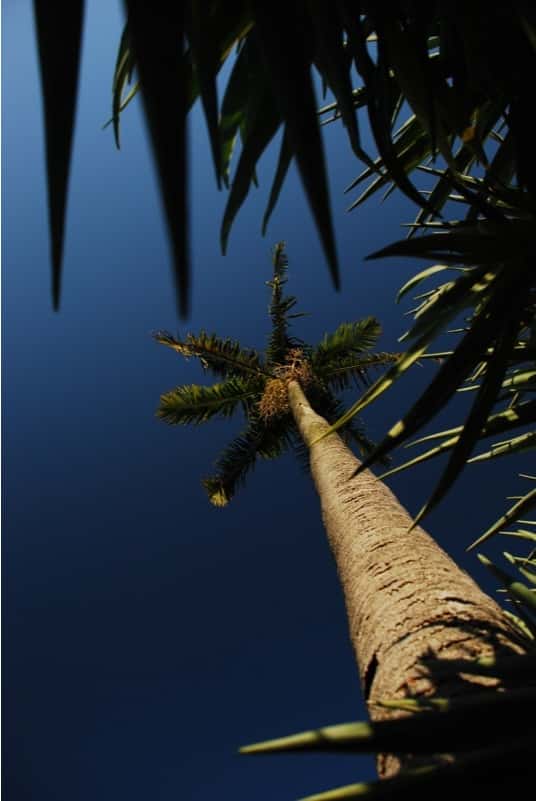
Arecaceae
Carpentaria palm: Fast Growing
Carpentaria acuminata
A fast-growing tropical palm that requires full sun as an adult (partial shade when young), rich, well-drained soil, and regular watering to maintain moisture without waterlogging. Sensitive to cold, it prefers warm, humid climates and quarterly fertilization.
Every 7 days
Bright indirect
5° - 35°C
50% - 80%
Categories
What is Carpentaria palm?
Carpentaria palm (Carpentaria acuminata) is a medium-care plant from the Arecaceae family. Carpentaria acuminata is a solitary palm with a slender, ringed trunk, native to the gallery forests and swamps of northern Australia, in the Carpentaria Gulf region. It can reach 10 to 20 meters in height, with dark green pinnate leaves on the upper side and bluish-green on the underside, and produ...
Carpentaria palm grows up to 15.0m, spread of 300cm, watering every 7 days, 5°C – 35°C, 50–80% humidity. It is suitable for indoor environments and safe for pets.
Unlike many popular species, Carpentaria palm is safe to keep around pets. Without adequate drainage, root rot can develop within 14 days.
How to Care for Carpentaria palm?
TLDR: Carpentaria palm needs Bright indirect, watering every 7 days, and temperatures between 5-35°C with 50-80% humidity.
How Often Should You Water Carpentaria palm?
Water regularly to keep the soil slightly moist, especially in the first year after planting and during dry periods; allow the top layer to dry out a bit between waterings to prevent root rot.
How Much Light Does Carpentaria palm Need?
Prefer a location with full sun for adult plants; young seedlings should be in partial shade for the first 2 to 3 years to avoid leaf burn.
What Is the Best Soil for Carpentaria palm?
Grow in fertile soil, rich in organic matter and well-drained; tolerates sandy, clayey, or loamy soils, from slightly acidic to slightly alkaline.
What Pot Should You Use for Carpentaria palm?
For pot cultivation, use a large, deep container with good drainage, preferably made of porous material like terracotta, to allow excess water to escape and accommodate its root system.
Care Schedule
Fertilize
Every 90 days
Repot
Every 730 days
What Is Carpentaria palm and Where Does It Come From?
Carpentaria acuminata is a solitary palm with a slender, ringed trunk, native to the gallery forests and swamps of northern Australia, in the Carpentaria Gulf region. It can reach 10 to 20 meters in height, with dark green pinnate leaves on the upper side and bluish-green on the underside, and produces pendulous inflorescences with creamy-white flowers followed by showy red fruits.
How Big Does Carpentaria palm Grow?
TLDR: Carpentaria palm can reach up to 15.0m tall with Fast growth rate.
Max height
15.0m
Spread
3.0m
Growth rate
Fast
Foliage
Evergreen
Warning: Toxic Plant
This plant can be toxic if ingested. Keep out of reach of:
Plant Uses
Ornamental
Great for decoration
Is your plant showing symptoms?
Click on the symptom to discover possible causes:
What Diseases Commonly Affect Carpentaria palm?
TLDR: Carpentaria palm is susceptible to 5 known diseases. Monitor regularly for early detection.
Thrips
Thrips are tiny cigar-shaped insects (1/25-inch long) that damage plants by sucking plant juices and scraping at fruits, flowers, and leaves. With over 6,000 species and rapid reproduction (lifecycle as short as 14 days), they can quickly infest plants and transmit viruses like tomato spotted wilt virus.
Scale Insects
Scale insects are small sap-sucking pests that appear as brown, shell-like bumps on plant stems and leaves. There are over 25 species, divided into armored (hard) and unarmored (soft) scales. They feed by piercing plant tissue and extracting sap, which weakens the plant and can lead to yellowing, stunted growth, and even death if left untreated. They also excrete honeydew, which attracts ants and promotes sooty mold growth.
Spider Mites
Spider mites are tiny arachnids (less than 1/20 inch long) related to spiders and ticks that feed on plant sap. They thrive in hot, dry conditions and can cause significant damage to ornamental and vegetable plants. During severe infestations, crop losses can reach 14% or higher as these pests disrupt vital plant processes including photosynthesis, carbon dioxide absorption, and transpiration.
Crown Rot
Crown rot is a serious fungal disease that attacks the crown (base) of the plant where the stem meets the soil. It is caused by various fungal pathogens including Phytophthora, Fusarium, and Rhizoctonia. The disease thrives in waterlogged conditions and can quickly spread to kill the entire plant if not addressed promptly.
Meaning & Symbolism
A symbol of tropical elegance and resilience, associated with the humid landscapes of northern Australia; it is widely used as an ornamental highlight in gardens, avenues, and commercial areas.
Compare with similar plants
| Attribute | Difficulty | Light | Watering | Pet Safe |
|---|---|---|---|---|
| Dark Fieldcap | Medium | Low light | 2d | ⚠️ |
| Azalea | Medium | Partial shade | 3d | ⚠️ |
| Muriel's Bamboo | Medium | Partial shade | 3d | ✓ |
| Bougainvillea | Medium | Direct sun | 7d | ⚠️ |




