2742 Easy Plants | 2026 Guide - Page 4
Discover 2742 easy plants for your garden. Complete care guide.
2742 Easy Plants
Showing 109-144 of 2742
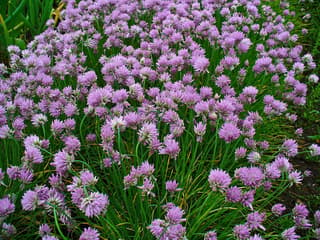
Chives
Allium schoenoprasum
Chives (Allium schoenoprasum) are a versatile herbaceous perennial native to Europe and Asia, prized for their mild onion-like flavor and attractive globe-shaped purple flowers. Forming dense grass-like clumps of hollow, cylindrical leaves up to 50 cm tall, they are among the easiest edible herbs to grow. Hardy in zones 4–8, chives die back in winter and regrow vigorously each spring. Both the leaves and flowers are edible, making this plant a favorite in herb gardens and kitchen windowsills worldwide.
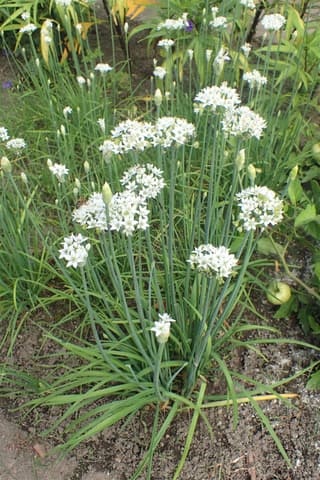
Garlic Chives
Allium tuberosum
Garlic chives (Allium tuberosum) is a bulbous perennial herb native to the Himalayan region and China. It produces flat, green strap-like leaves with a mild garlic flavor and aroma, widely prized in Asian cuisine. In summer, it bears fragrant white star-shaped flowers in umbrella-like clusters that attract pollinators. It is easy to grow and extremely versatile in the kitchen.
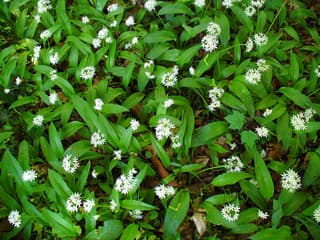
Ramsons
Allium ursinum
Allium ursinum, commonly known as ramsons or wild garlic, is a bulbous perennial herb native to the temperate woodlands of Europe and Asia. It forms lush carpets of broad, lance-shaped leaves in spring, filling forest floors with a distinctive garlic scent. Star-shaped white flowers appear from March to May, attracting pollinators. All parts of the plant are edible and it has been treasured for centuries both as a food source and medicinal herb.
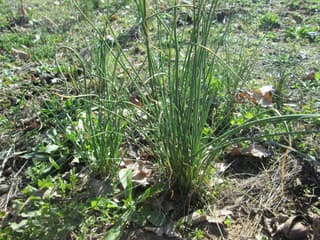
Wild Garlic
Allium vineale
Allium vineale, commonly known as wild garlic or crow garlic, is a perennial bulb-forming plant in the family Amaryllidaceae. Native to Europe, northwestern Africa, and the Middle East, it has been naturalized in North America where it is considered an invasive weed. It produces slender hollow leaves with a strong garlic scent and bears small white to purple flowers in tight umbels during spring and early summer. All parts of the plant are edible, with a flavor similar to common garlic.
Chal chal
Allophylus edulis
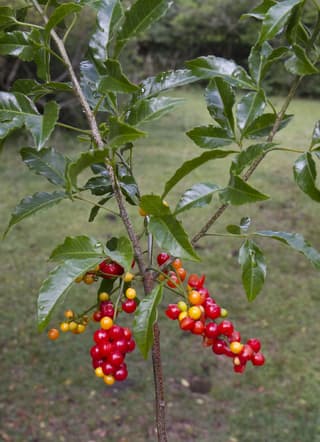
Allophylus edulis is a small tree native to Brazil, Paraguay, Argentina, Uruguay and Bolivia. It usually grows 4 to 10 m tall, occasionally 17 m, with a reddish-brown trunk and a rounded crown. The leaves have three leaflets with toothed edges, light green, and only partly drop in winter. In August and September, late winter in its home range, it bears small clusters of tiny white flowers about 2 mm across. These are followed by round fruits about 8 mm wide that turn from yellow to red between September and December, often with ripe and unripe fruit on the same cluster. The fruit is edible and much sought by thrushes and other birds, which spread the seeds. In Paraguay the leaves go into tereré, a cold yerba mate drink, and in Argentina the fruit is fermented into a drink called aloja de chal-chal.
Alder
Alnus
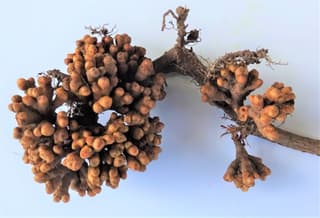
Alder (genus Alnus) is a deciduous tree from the birch family (Betulaceae), growing predominantly near watercourses, lakes, and in moist soils across the temperate zone of the Northern Hemisphere. It is characterized by rapid growth and the ability to fix atmospheric nitrogen through symbiosis with Frankia bacteria, which enriches the surrounding soil. In early spring, before the leaves emerge, it blooms with striking pendulous catkins. Alder wood does not rot when submerged in water, which is why it was traditionally used for building piles and bridge structures.

Common Alder
Alnus glutinosa
The common alder (Alnus glutinosa) is a fast-growing deciduous tree native to Europe, western Asia, and North Africa, prized for its ability to thrive in wet, boggy, and riverside soils where few other trees survive. Reaching up to 25 meters, it produces distinctive reddish-brown catkins in late winter before its rounded, glossy leaves emerge, followed by small woody cone-like fruits that persist into winter. Its roots host nitrogen-fixing bacteria (Frankia alni), allowing it to enrich poor soils naturally, making it a valuable pioneer species for riverbank stabilization, wetland restoration, and windbreaks.

Grey Alder
Alnus incana
Grey alder is a fast-growing deciduous tree native to the cooler regions of Europe and parts of North America, prized for its hardiness, adaptability to poor and wet soils, and its role as a pioneer species that fixes nitrogen in the soil. It produces distinctive purplish male catkins and small cone-like female catkins in late winter before the leaves emerge.
Aloe
Aloe
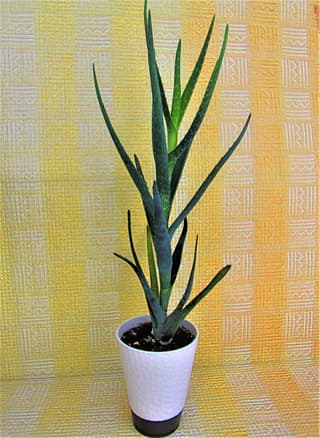
Aloe is a genus of over 500 species of succulent flowering plants native primarily to Africa, Madagascar, and the Indian Ocean islands. These robust plants form rosettes of thick, fleshy, water-storing leaves often with serrated margins. They are widely cultivated worldwide as ornamental and medicinal plants.
Krantz Aloe
Aloe arborescens
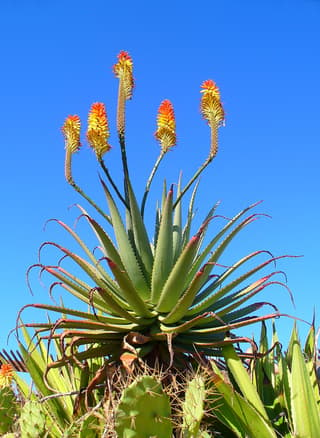
Aloe arborescens, commonly known as Krantz Aloe or Candelabra Aloe, is a large succulent shrub native to South Africa. It forms dense clumps of blue-green leaves arranged in rosettes, with edges serrated by small teeth. In winter, it produces spectacular flower spikes with tubular orange or red flowers that are extremely rich in nectar, attracting various pollinators such as hummingbirds.
Short-Leaved Aloe
Aloe brevifolia
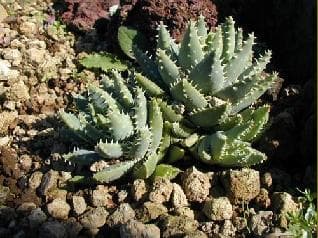
Aloe brevifolia is a compact, clump-forming succulent native to the Western Cape of South Africa. It forms dense rosettes of short, broadly triangular, blue-green fleshy leaves edged with soft white teeth. In late spring, mature clumps send up tall spikes topped with tubular orange-red flowers that attract pollinators. Slow-growing and drought tolerant, it is a popular choice for rock gardens, succulent borders, and container displays.
Jewelled Aloe
Aloe distans
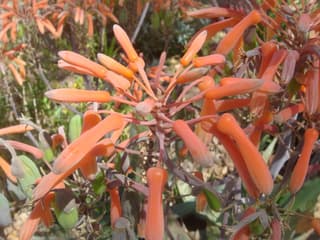
Aloe distans is a creeping, evergreen succulent from the West Coast of South Africa. Its sprawling stems carry tight rosettes of blue-green, toothed leaves that blush reddish in sun and drought. In summer and autumn it bears dense clusters of dull scarlet flowers on tall stalks. It makes a tough ground cover or container plant.
Bitter Aloe
Aloe ferox
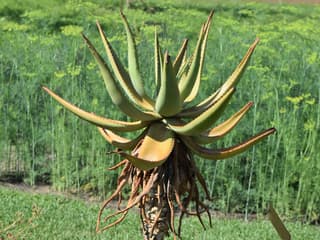
Aloe ferox, commonly known as bitter aloe or Cape aloe, is a tree-like succulent native to South Africa, forming a single rosette of spiny, grey-green leaves atop an unbranched stem that can reach up to 3 meters tall. It is renowned for its tall flower spikes bearing tubular orange-red blooms in winter, which attract sunbirds and bees.

Haworthia-leaved Aloe
Aloe haworthioides
Aloe haworthioides is a miniature succulent endemic to the central highlands of Madagascar, where it grows nestled in quartz rock crevices. It forms compact and prolific rosettes 3 to 5 cm in diameter that cluster into dense mats, featuring dark green lanceolate leaves covered in soft white spines and pustules that give it an appearance similar to the Haworthia genus (hence its name). In late summer and fall, it produces striking, fragrant, tubular flowers ranging from orange to pale pink on tall, slender stalks up to 30 cm. It is a slow-growing species, reaching barely 10 cm in height in cultivation, and is listed in CITES Appendix I due to its conservation status.
Spider Aloe
Aloe humilis
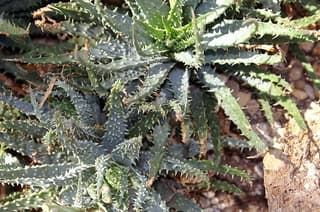
Aloe humilis, the spider aloe, is a small clumping succulent from South Africa forming tight rosettes of blue-green, upcurved leaves edged with soft white teeth. In late winter and spring it sends up tall stalks of tubular orange to coral-red flowers loved by pollinators.
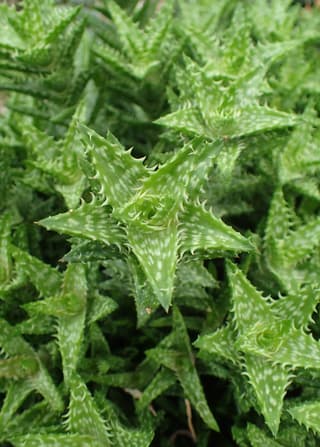
Tiger Tooth Aloe
Aloe juvenna
Aloe juvenna, popularly known as Tiger Tooth Aloe, is a charming succulent native to Kenya. It grows in compact, stacked rosettes with short, triangular, vibrant green leaves speckled with white spots. Its margins are adorned with small, harmless white teeth that resemble a tiger's jaw. When exposed to intense sunlight, the plant can develop a very attractive bronze or reddish hue.
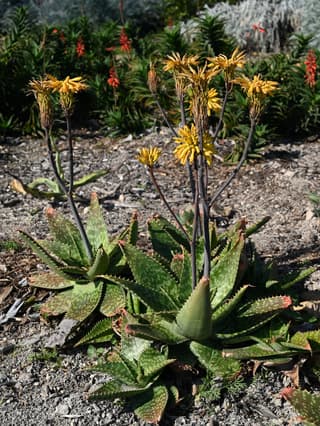
Soap Aloe
Aloe maculata
Aloe maculata, commonly known as Soap Aloe or Zebra Aloe, is a drought-tolerant succulent native to South Africa. It forms rosettes of fleshy, green leaves marked with distinctive white spots in irregular transverse rows. In late winter and spring, it produces striking coral-orange tubular flowers on branched stalks, attracting birds and pollinators. It is virtually disease-free and thrives in hot, dry conditions.
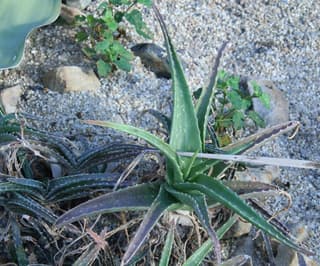
Massawa Aloe
Aloe massawana
Aloe massawana, commonly known as the Massawa Aloe, is a stemless to short-stemmed succulent native to coastal East Africa — southern Kenya, northern Tanzania, Mozambique, and Eritrea. It suckers freely to form dense clumps that can spread up to 3 meters (10 ft) across in the wild. Its thick, gray-green rosette leaves, edged with small teeth, store water to endure long dry seasons, and it sends up flower spikes with tubular red-orange blooms, typically in fall.
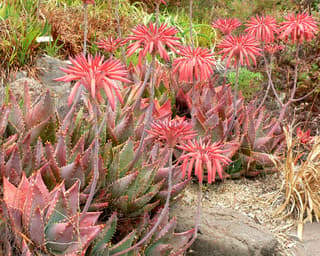
Mitre Aloe
Aloe mitriformis
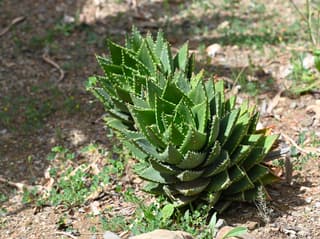
Mitre Aloe is a succulent plant from the Asphodelaceae family, native to the mountainous regions of the Western and Northern Cape in South Africa, where it grows among sandstone rocks at altitudes of 1200 – 1500 m. It forms creeping stems up to 2 m long, at the ends of which are dense rosettes of fleshy, grayish-green leaves with sharp teeth along the edges. In summer, branched flower stalks with dense clusters of dark red to bright red flowers emerge from the plant. It is a low-maintenance, fast-growing, and resilient plant that can survive long periods without watering and even mild frosts.
Mitre Aloe
Aloe perfoliata
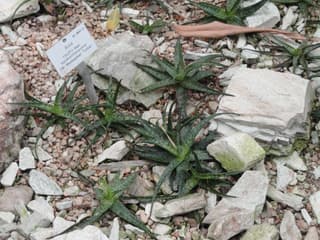
Aloe perfoliata, commonly known as Mitre Aloe, is a low-growing, mat-forming succulent native to the arid rocky slopes of South Africa. Its thick, blue-green leaves are edged with sharp white teeth and often flushed with red or pink under stress from sun or drought. In summer, tall flower spikes emerge bearing clusters of tubular red or orange blooms that attract sunbirds and bees. This tough, drought-tolerant aloe is prized by succulent collectors for its architectural form and minimal care requirements.
Snowflake Aloe
Aloe rauhii
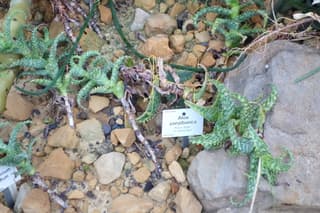
Aloe rauhii is a miniature succulent endemic to Madagascar, forming compact rosettes up to 15 cm tall. Its grey-green leaves feature white oval spots and tiny white marginal teeth resembling snowflakes. Under strong sun, foliage flushes purplish or bronze. It produces bloom stalks with tubular pink-scarlet flowers, mainly in winter and spring.
Zanzibar Aloe
Aloe squarrosa
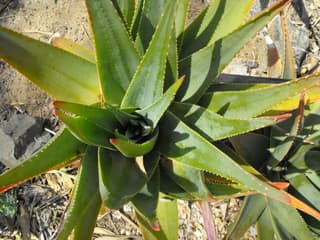
Aloe squarrosa is a small, slow-growing succulent endemic to the island of Socotra, Yemen. It forms dense rosettes of narrow, recurved leaves covered in soft white teeth along the margins, giving it a distinctive tiger-tooth appearance. Rare in cultivation, it is prized by succulent collectors for its compact size and striking silhouette.
Fynbos Aloe
Aloe succotrina
Aloe succotrina is a clump-forming succulent shrub native to the rocky, quartzitic sandstone slopes of South Africa's Cape Fold Mountains, from the Cape Peninsula to Hermanus. Stiff grey-green leaves form dense rosettes, with older outer leaves turning a distinctive purplish hue — a key identification trait. In winter it produces striking spikes of dark orange-red, green-tipped tubular flowers that attract sunbirds. Reaching up to 1.5 m tall, it thrives in full sun to semi-shade and well-drained sandy soil, tolerating drought but not frost or waterlogged roots.
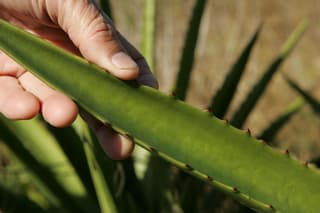
Aloe Vera
Aloe vera
Aloe vera is a succulent plant species native to the Arabian Peninsula. Known for its thick, fleshy leaves filled with a soothing gel, it has been used for centuries in traditional medicine and skincare. This hardy plant is perfect for beginners and makes an excellent houseplant.
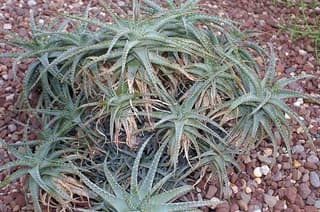
Spider Aloe
Aloe x spinosissima
The Spider Aloe (Aloe x spinosissima) is a succulent hybrid resulting from the cross between Aloe humilis (Hedgehog Aloe) and Aloe arborescens (Krantz Aloe). It forms compact, dense clumps of light green to bluish-green rosettes, with fleshy leaves covered in soft, yellowish spines on both surfaces. It multiplies rapidly through lateral offsets, forming clusters that can reach 24 to 36 inches in height and width. In well-established plants, flower stalks up to 18 inches tall emerge in late winter and early spring, displaying highly ornamental coral-red tubular flowers.
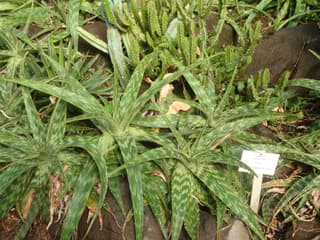
Zebra Aloe
Aloe zebrina
Aloe zebrina is a small aloe from southern tropical Africa, ranging from Namibia to northern South Africa, where it grows in dry thickets, grassland and rocky ground. It forms rosettes up to about 40 to 50 cm across, nearly stemless, and sends up offsets at the base until it becomes a clump. Each rosette holds 15 to 25 long leaves, 15 to 35 cm, dull green with large white spots lined up in crosswise bands, which is where the name zebrina comes from. The edges carry brown teeth, and the tips turn reddish in sun. In late summer and autumn it puts up a branched stalk 75 cm to 2 m tall with dull red to pink tubular flowers that birds pollinate.
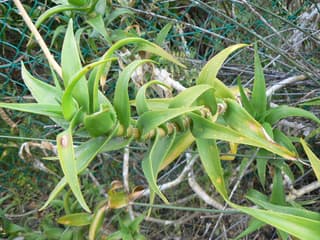
Climbing Aloe
Aloiampelos ciliaris
Aloiampelos ciliaris, known as the common climbing aloe, is a fast-growing succulent native to the dense thickets of the Eastern Cape Province, South Africa. Unlike most rosette-shaped aloe species, it develops long, thin, and flexible stems that scramble through surrounding bushes, reaching heights of up to 10 meters in its natural habitat. The succulent, deep green leaves have margins lined with fine, eyelash-like hairs (cilia), from which the species name is derived. It blooms almost continuously from fall to spring, producing long racemes of tubular orange-red flowers, which are highly favored by sunbirds in its native habitat.
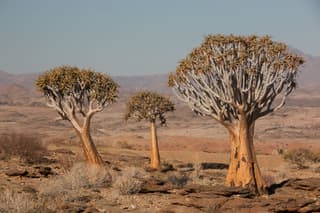
Tree Aloe
Aloidendron
Aloidendron is a genus of spectacular arborescent (tree-forming) succulents native to southern and eastern Africa, belonging to the family Asphodelaceae. The genus comprises six accepted species, including the iconic Quiver Tree (A. dichotomum) and the Giant Tree Aloe (A. barberae), Africa's largest succulent tree reaching up to 20 metres tall. These majestic plants develop thick, fibrous trunks topped with dense rosettes of blue-green or bright-green succulent leaves, producing dramatic tubular flower spikes in shades of yellow, pink, orange, or red during late autumn and winter. Long-lived and drought-adapted, tree aloes are celebrated as focal specimens in xeriscape, Mediterranean, and South African-style gardens.
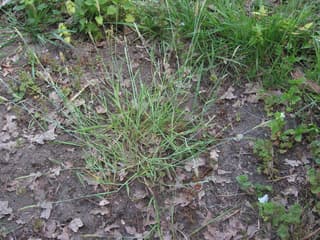
Water Foxtail
Alopecurus geniculatus
Alopecurus geniculatus, commonly known as water foxtail or marsh foxtail, is a perennial grass native to Eurasia. It forms compact tufts with erect or geniculate stems reaching up to 60 cm tall, thriving in waterlogged soils, pond margins, ditches, and seasonally flooded meadows. Its dense, cylindrical flower spikes adorned with pale yellow-orange anthers make it a subtle ornamental accent in water gardens.
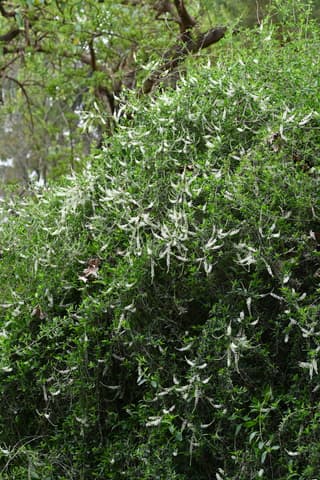
Sweet almond verbena
Aloysia gratissima
Aloysia gratissima, popularly known as sweet almond verbena, bee bush, or almond verbena, is an aromatic shrub from the Verbenaceae family, native to the temperate and subtropical regions of South America (Argentina, Paraguay, Uruguay, southern Brazil) and also found in Mexico and the southern United States. It reaches between 2 and 3.5 meters in height, with slender, flexible branches covered in small, grayish-green opposite leaves. Between spring and autumn, especially after warm rains, it is covered in tiny white flowers with an intense vanilla perfume that attract bees and other pollinators, which is why it is also known as the "bee bush." It is a very drought-resistant and low-maintenance species, ideal for xeriscape gardens, living fences, and pollinator spaces.
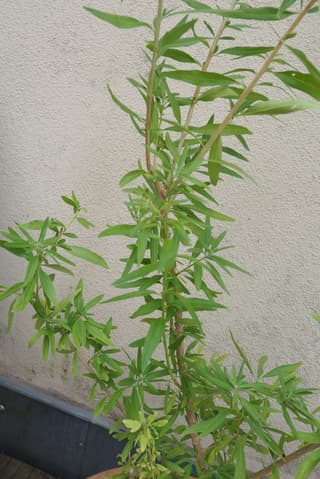
Burrito
Aloysia polystachya
An aromatic shrub from the verbena family, native to Argentina, Bolivia, and Paraguay, where it grows both wild and in home gardens. It reaches about 4.3 feet (1.3 m) in height, featuring dark green pointed leaves measuring 1.5 to 3 inches (4 to 8 cm) with a scent reminiscent of mint and lemon. In spring and summer, it produces dense spikes of tiny white flowers that are also fragrant. The leaves are used in chimarrão, tereré, and herbal teas; the plant is commercially cultivated for the "compuesta" yerba mate popular in the Río de la Plata region.
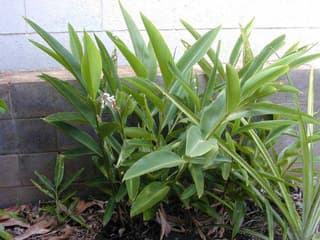
Alpinia / Ginger Lily (genus)
Alpinia
The genus Alpinia comprises over 200 species of tropical plants in the family Zingiberaceae, native primarily to tropical Asia and the Pacific. It includes popular ornamentals such as A. zerumbet (shell ginger) and A. purpurata (red ginger), as well as culinary and medicinal species like A. galanga (greater galangal).
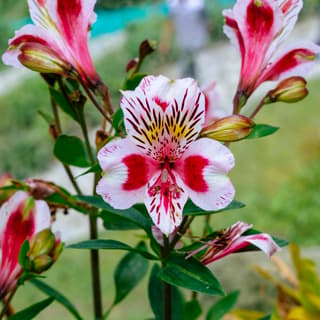
Peruvian Lily
Alstroemeria
The Peruvian Lily, scientifically known as Alstroemeria, is a popular ornamental plant prized for its vibrant and long-lasting flowers. Native to South America, it grows from rhizomes and produces upright stems with lanceolate leaves. The flowers, which come in a wide range of colors and patterns, are often bicolor and have distinct petals, with the lower ones usually marked. It is an excellent choice for flower beds, borders, and as a cut flower due to its long vase life.
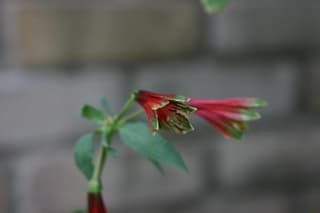
Parrot Lily
Alstroemeria psittacina
Parrot Lily (Alstroemeria psittacina) is a rhizomatous perennial native to Brazil and Argentina, celebrated for its striking red and green flowers reminiscent of parrot plumage. It blooms from summer to fall and is prized both as a garden plant and as a long-lasting cut flower. The sap may cause mild skin irritation.
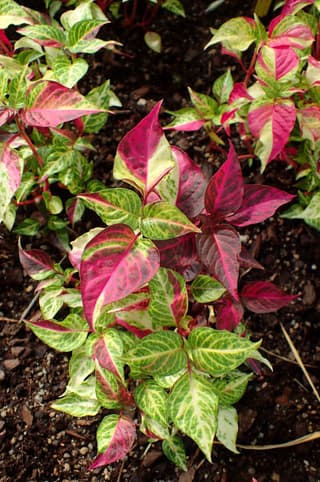
Alternanthera
Alternanthera
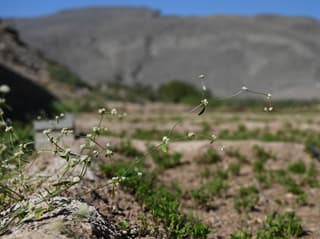
Alternanthera is a genus of about 100 species in the amaranth family (Amaranthaceae), most of them native to the tropical and subtropical Americas, with others in Asia, Africa and Australia. In gardens and pots, what people grow are the colorful foliage types sold as Joseph's coat, joyweed or calico plant: A. ficoidea, A. bettzickiana, A. dentata, A. brasiliana and hybrids such as 'Party Time', 'Red Threads' and 'Purple Knight'. They are soft-stemmed perennials that form low mounds or creep along the ground, with small opposite leaves in green, red, pink, purple, cream or yellow, often splashed together. The flowers are tiny white pompoms tucked in the leaf axils and are easy to miss. They cannot take frost, so outside the tropics they are grown as summer annuals or as houseplants. Some species in the genus are weeds, such as A. philoxeroides (alligator weed), which forms mats on rivers and ponds.
Calico Plant
Alternanthera bettzickiana
Alternanthera bettzickiana, commonly known as Calico Plant or Joseph's Coat, is a compact ornamental herb native to Brazil. It is prized for its vibrant multicolored foliage in shades of red, yellow, green, and pink. Widely used in tropical and subtropical gardens for borders, carpet bedding, and living patterns.
What are Easy Plants?
Easy Plants are ideal for beginners or people with little time for care. These species are tolerant of watering mistakes, light variations, and don't require constant attention. Perfect for those just starting out with plants.
Tips for Growing Easy Plants
To succeed with easy plants, remember: less is more. Avoid overwatering, choose a spot with adequate light, and let the soil dry between waterings. Most of these plants prefer to be 'forgotten' occasionally.