Easy-care succulent that thrives on neglect. Allow soil to dry completely between waterings. Prefers bright, direct sunlight. Perfect for beginners.
Every 14 days
Direct sun
16° - 27°C
30% - 50%
Categories
What is Aloe Vera?
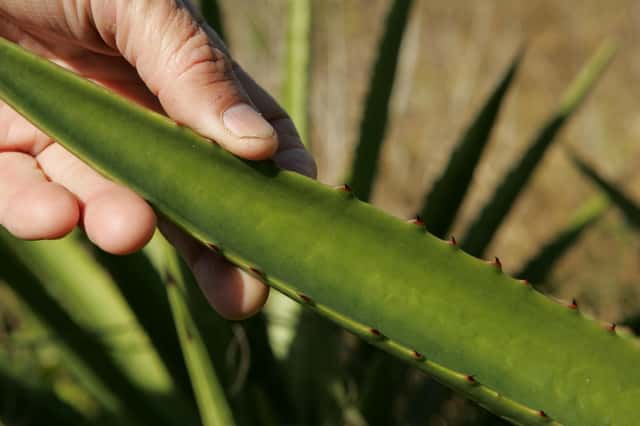
Aloe Vera (Aloe vera) is a easy-care plant from the Asphodelaceae family. Aloe vera is a succulent plant species native to the Arabian Peninsula. Known for its thick, fleshy leaves filled with a soothing gel, it has been used for centuries in traditional medicine and skincare. This hardy plant is perfect for beginners and makes an excellent houseplant.
Aloe Vera grows up to 60cm, spread of 60cm, watering every 14 days, 16°C – 27°C, 30–50% humidity. It is suitable for indoor environments and not safe for pets.
Unlike many tropical plants, Aloe Vera tolerates watering mistakes. Best for beginners. Without precautions, ingestion can cause irritation in pets. Keep out of reach of cats and dogs. Without adequate drainage, root rot can develop within 28 days.
How to Care for Aloe Vera?
TLDR: Aloe Vera needs Direct sun, watering every 14 days, and temperatures between 16-27°C with 30-50% humidity.
How Often Should You Water Aloe Vera?
Water every 2-3 weeks, allowing soil to dry completely between waterings. Reduce to once monthly in winter. Overwatering causes root rot - when in doubt, wait.
How Much Light Does Aloe Vera Need?
Thrives in bright, direct sunlight. Place near south or west-facing windows. Can tolerate some indirect light but may become leggy. Rotate occasionally for even growth.
What Is the Best Soil for Aloe Vera?
Use well-draining cactus or succulent mix. Add perlite or coarse sand for extra drainage. Never let roots sit in water.
What Pot Should You Use for Aloe Vera?
Terracotta pot with drainage holes - allows soil to dry quickly and prevents root rot
Care Schedule
Fertilize
Every 365 days
Repot
Every 730 days
What Is Aloe Vera and Where Does It Come From?
Aloe vera is a succulent plant species native to the Arabian Peninsula. Known for its thick, fleshy leaves filled with a soothing gel, it has been used for centuries in traditional medicine and skincare. This hardy plant is perfect for beginners and makes an excellent houseplant.
How to Propagate Aloe Vera?
Offsets
Best done in spring during active growth
- 1 Wait for pups to reach 3-4 inches tall
- 2 Gently separate pup from mother plant with a clean knife
- 3 Let cutting dry for 1-2 days to callous over
- 4 Plant in well-draining succulent soil
- 5 Wait 1 week before first watering
Materials needed:
How Big Does Aloe Vera Grow?
TLDR: Aloe Vera can reach up to 60cm tall with Slow growth rate.
Max height
60cm
Spread
60cm
Growth rate
Slow
Foliage
Evergreen
Warning: Toxic Plant
This plant can be toxic if ingested. Keep out of reach of:
Plant Uses
Medicinal
Medicinal properties
Ornamental
Great for decoration
Air Purifying
Improves air quality
Medicinal Uses
- Soothes burns and sunburns
- Treats minor cuts and skin irritation
- Moisturizes skin naturally
- May help with wound healing
- Used in digestive health supplements
Culinary Uses
- Aloe gel used in drinks and smoothies
- Aloe juice as health beverage
Is your plant showing symptoms?
Click on the symptom to discover possible causes:
What Diseases Commonly Affect Aloe Vera?
TLDR: Aloe Vera is susceptible to 12 known diseases. Monitor regularly for early detection.
Root Rot
Root rot is a serious fungal disease that affects the root system of plants, causing them to decay and die. It is primarily caused by overwatering, poor drainage, or soil-borne fungi such as Pythium, Phytophthora, Rhizoctonia, and Fusarium. The disease thrives in waterlogged conditions where roots are deprived of oxygen, making them susceptible to fungal infection.
Anthracnose
Anthracnose is a fungal disease caused by fungi in the genus Colletotrichum that affects many plants, including vegetables, fruits, and trees. The disease thrives in cool, wet conditions, causing dark, sunken lesions on leaves, stems, flowers, and fruits.
Sooty Mold
Sooty mold is a fungal disease that develops on surfaces coated with honeydew, a sticky sweet substance secreted by sap-sucking insects like aphids, scale insects, and whiteflies. While it does not directly infect plant tissue, it reduces photosynthetic capacity by blocking sunlight and diminishes the plant's aesthetic appearance.
Rust
Rust is a common fungal disease caused by fungi in the order Pucciniales that affects a wide variety of plants. The disease gets its name from the characteristic orange, yellow, or reddish-brown pustules that appear on leaves, resembling metal rust. This obligate fungal parasite requires living plants to survive and can cause significant economic losses in agricultural crops.
Articles about Aloe Vera

Meaning & Symbolism
Symbol of healing, protection, and good luck. Often given as a gift to wish health and prosperity.
Compare with similar plants
| Attribute | Difficulty | Light | Watering | Pet Safe |
|---|---|---|---|---|
| Field Maple | Easy | Bright indirect | 14d | ✓ |
| Silver Birch | Easy | Direct sun | 14d | ✓ |
| Common Blanketflower | Easy | Direct sun | 10d | ✓ |
| Cushion Bush | Easy | Direct sun | 14d | ✓ |





