Rhizoctonia solani — Plant Disease
Rhizoctonia solani is a soil-borne fungus that attacks stems, roots, and young seedlings. It thrives in warm, humid weather and in soil that stays wet or drains poorly. Typical signs include seedlings collapsing at the soil line (damping-off), sunken brown lesions near the soil on stems, brown rotting roots, wilting even when the soil is moist, and slow, stunted growth. In lawns, it can cause the well-known “brown patch” during warm, humid periods. Many plants are at risk, including vegetables (such as lettuce, beans, and brassicas), ornamentals, houseplants, and turfgrass.
What is Rhizoctonia solani?
Rhizoctonia solani is a fungal condition with moderate severity that affects plants. Rhizoctonia solani is a soil-borne fungus that attacks stems, roots, and young seedlings. It thrives in warm, humid weather and in soil that stays wet or drains poorly. Typical signs include seedlings collapsing at the soil line (damping-off), sunken brown lesions near the soil on stems, brown rotti...
Rhizoctonia solani is a fungal disease with moderate severity. It affects 1 plant species in our database. This condition is contagious and can spread between plants.
Unlike bacterial infections, Rhizoctonia solani spreads slowly but is harder to eradicate. Without treatment, affected leaves won't recover. Without isolation, nearby plants can become infected within days.
🧪 Natural vs Chemical: Which Treatment Works for Rhizoctonia solani?
🌱 Natural Solutions
- ✓ Improve drainage and avoid overwatering, and water in the morning so leaves and soil surfaces dry by evening.
- ✓ Use clean pots and fresh, sterile potting mix for seedlings and houseplants.
- ✓ Space plants for good airflow and remove plant debris and lawn thatch.
- ✓ Disinfect tools and trays and do not reuse soil from infected plants.
- ✓ Remove and discard heavily infected plants and surrounding potting mix and do not compost them.
- ✓ For garden beds, consider soil solarization in midsummer by covering moist soil with clear plastic for 4–6 weeks.
- ✓ Aerate lawns and reduce thatch.
- ✓ Keep seedlings warm with good light and gentle airflow, avoid soggy media, and let trays drain fully.
- ✓ Avoid heavy nitrogen, especially during warm, humid spells.
- ✓ Where available, apply products with beneficial microbes such as trichoderma species or bacillus-based biofungicides (for example, bacillus amyloliquefaciens or bacillus subtilis) as a drench or mix, following the label.
💉 Chemical Solutions
- ✓ Choose a fungicide with azoxystrobin if home-garden products are approved and the label lists rhizoctonia or brown patch.
- ✓ Consider thiophanate-methyl or flutolanil where labeled and available.
- ✓ Apply preventively or at first symptoms and follow the label strictly for crop, site (edible garden, ornamentals, or turf), reentry, and application intervals.
- ✓ Rotate modes of action to reduce resistance.
- ✓ Do not use products that are not labeled for your plant or setting.
🛡️ How to Prevent Rhizoctonia solani?
TLDR: Prevent Rhizoctonia solani with 7 essential care practices. Regular monitoring is key for early detection.
- ✓ Start with clean pots, trays, and fresh potting mix.
- ✓ Quarantine new plants for 1–2 weeks and check roots before potting up.
- ✓ Water deeply but less often, and let the top of the soil dry slightly between waterings.
- ✓ Ensure good drainage, use raised beds if needed, and avoid overcrowding.
- ✓ Keep lawns aerated and manage thatch, and avoid heavy nitrogen during warm, humid weather.
- ✓ Rotate crops in vegetable beds for 2–3 years and avoid planting into cold, waterlogged soil.
- ✓ Clean tools with 70% alcohol or a 10% bleach solution and promptly remove dead leaves and spent plants.
🔗Related Diseases
Rust
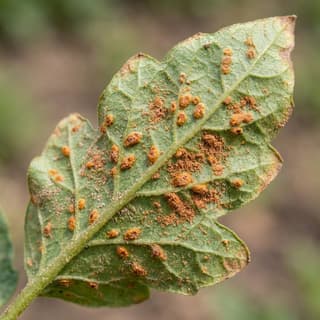
Rust fungi (Pucciniales) are fungal diseases that form rust-colored, usually orange to brown pustules with powdery spore dust on leaves, stems, or fruits. Typical symptoms include small spots that develop into cushions or rings; leaves turn yellow, curl, and drop prematurely. The fungi spread primarily in damp weather and dense foliage. Many ornamental and crop plants are affected, frequently including roses, mallows (hollyhocks), pears (pear rust), and currants. Some rust fungi require two host plants for their life cycle, such as pear and certain juniper species.
Cherry Witches' Broom
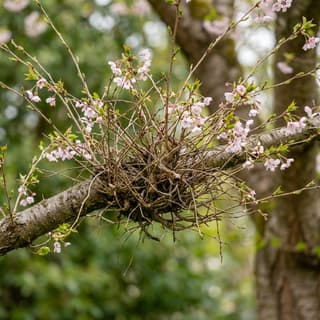
Taphrina wiesneri is a fungal disease affecting cherry trees (Prunus species, including sweet, sour, and ornamental varieties). The fungus overwinters in buds and bark, infecting young leaves and shoots during cool, wet spring weather. Infected leaves become thickened, puckered, and curled, often displaying reddish or yellow blotches and a fine whitish bloom on the surface. Severely affected leaves may drop prematurely. Small twigs can develop 'witches' brooms,' which are dense clusters of weak, distorted shoots.
Powdery Mildew
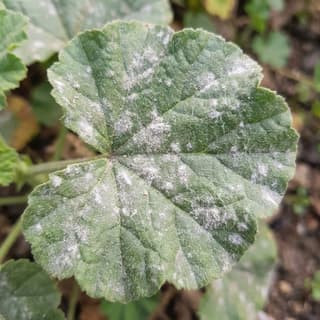
MediumPowdery mildew is a common fungal disease caused by various fungi species including Erysiphe, Podosphaera, Oïdium, and Leveillula. It affects over 10,000 plant species worldwide. The disease thrives in warm, dry climates with high humidity and appears as a distinctive white powdery coating on plant surfaces.

Root Rot
HighRoot rot is a serious fungal disease that affects the root system of plants, causing them to decay and die. It is primarily caused by overwatering, poor drainage, or soil-borne fungi such as Pythium, Phytophthora, Rhizoctonia, and Fusarium. The disease thrives in waterlogged conditions where roots are deprived of oxygen, making them susceptible to fungal infection.