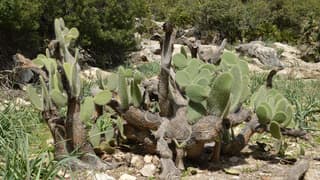
Aaron's Beard Cactus with Cactus corking? Rare but Treatable
Opuntia leucotricha
Cactus corking on Aaron's Beard Cactus: What to Know?
Cactus corking on Aaron's Beard Cactus (Opuntia leucotricha) is a environmental condition with low severity. Aaron's Beard Cactus has low susceptibility to this disease. Cactus corking is a natural aging process where the base of the plant turns brown, tough, and bark-like. While it is often a sign of a healthy, maturing plant, it can also be triggered by environmenta...
Aaron's Beard Cactus is a easy-care plant. Recovery from Cactus corking takes approximately 30 days with proper treatment. As an indoor plant, ensure good ventilation to aid recovery.
Unlike most plants, Aaron's Beard Cactus has natural resistance to Cactus corking. Best treated with preventive measures rather than reactive treatment.
🔍 What Does Cactus corking Look Like on Aaron's Beard Cactus?
- • Tan or brown skin at the base
- • Firm and bark-like texture
- • Gradual upward progression from soil line
- • No soft spots or foul odor
- • Plant remains structurally stable
❓ What Causes Cactus corking on Aaron's Beard Cactus?
- → Natural aging of the specimen
- → Excessive sun exposure or sunburn
- → Physical scarring from handling
- → Low humidity or temperature fluctuations
🛡️ How to Prevent Cactus corking on Aaron's Beard Cactus?
TLDR: Prevent Cactus corking on Aaron's Beard Cactus with 4 essential preventive care practices.
- ✓ Rotate the plant for even light
- ✓ Avoid moving plants suddenly to bright sun
- ✓ Maintain consistent watering schedules
- ✓ Protect from physical bumps or scratches
🌱 How to Care for Aaron's Beard Cactus to Prevent Cactus corking?
💧 How to Water
In summer water roughly every 2 weeks, only once the mix is completely dry. In winter, almost stop watering. Avoid watering on overcast, humid or cold days.
☀️ Lighting
Full sun is best; outdoors it also accepts afternoon shade. Indoors it needs very bright light with some direct sun.
🪴 Ideal Soil
Use a cactus mix with plenty of coarse sand or grit. The plant rots easily in cold, wet soil.