Cactus corking: Environmental Stress | How to Fix
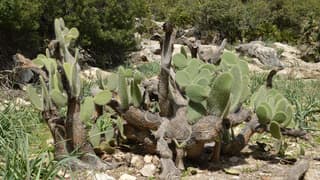
Cactus corking is a natural aging process where the base of the plant turns brown, tough, and bark-like. While it is often a sign of a healthy, maturing plant, it can also be triggered by environmental stress such as improper lighting, physical injury, or sudden changes in temperature. Unlike rot, corked areas are firm to the touch and do not spread rapidly or smell.
Slow
30 days
What is Cactus corking?
Cactus corking is a environmental condition with low severity that affects plants. Cactus corking is a natural aging process where the base of the plant turns brown, tough, and bark-like. While it is often a sign of a healthy, maturing plant, it can also be triggered by environmental stress such as improper lighting, physical injury, or sudden changes in temperature. Unlike rot, c...
Cactus corking is a environmental disease with low severity that spreads at a slow rate. Recovery typically takes approximately 30 days with proper treatment. It affects 2 plant species in our database.
Unlike infectious diseases, Cactus corking is caused by environmental conditions. Without correcting the environment, symptoms return even after treatment. Unlike severe diseases, Cactus corking is rarely fatal. Best treated with homemade organic methods. Unlike many common diseases, Cactus corking is not contagious between plants.
🔍 What Are the Symptoms of Cactus corking?
TLDR: Cactus corking presents 5 main symptoms. Early identification is crucial for effective treatment.
Main Symptoms
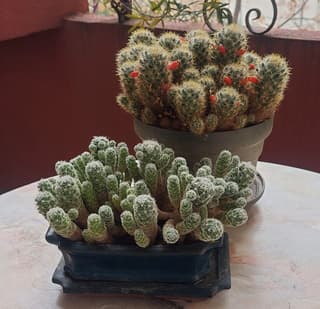
- ! Tan or brown skin at the base
- ! Firm and bark-like texture
- ! Gradual upward progression from soil line
- ! No soft spots or foul odor
- ! Plant remains structurally stable
Visual Signs
❓ What Causes Cactus corking in Plants?
- → Natural aging of the specimen
- → Excessive sun exposure or sunburn
- → Physical scarring from handling
- → Low humidity or temperature fluctuations
💊 How to Treat Cactus corking?
Step by Step
- 1
Check the firmness of the brown area
- 2
Adjust the light source if needed
- 3
Monitor the growth over several weeks
- 4
Maintain a consistent care routine
🧪 Natural vs Chemical: Which Treatment Works for Cactus corking?
🌱 Natural Solutions
- ✓ Adjust light levels gradually
- ✓ Maintain stable indoor temperatures
- ✓ Ensure proper drainage to prevent stress
💉 Chemical Solutions
- ✓ None required for environmental corking
🛡️ How to Prevent Cactus corking?
TLDR: Prevent Cactus corking with 4 essential care practices. Regular monitoring is key for early detection.
- ✓ Rotate the plant for even light
- ✓ Avoid moving plants suddenly to bright sun
- ✓ Maintain consistent watering schedules
- ✓ Protect from physical bumps or scratches
🔗Related Diseases
Severe Defoliation
HighThis condition involves a sudden and massive loss of leaves caused by adverse environmental factors. The plant sheds its foliage in an attempt to survive extreme stress, such as abrupt temperature changes, improper watering, or transplant shock. If the underlying cause is not addressed, the plant may completely wither and die.
Mechanical Damage and Leaf Scarring
LowPhysical injuries to plant tissue caused by wind, pets, repotting, or handling. Unlike human skin, these wounds do not heal; instead, they form dry, brown scar tissue or holes. As this is an environmental issue, it does not spread from plant to plant, but it can provide entry points for fungal infections.
Physical or Mechanical Damage
LowInjuries caused by external factors such as strong winds, hail, poorly disinfected pruning tools, accidental impacts, or rough handling. These wounds break the plant's tissues and can serve as an entry point for fungi and bacteria if not treated promptly.
Corky scab
LowCorky scab, also known as Oedema, is a physiological disorder caused by water imbalance. It happens when a plant takes up water faster than it can use it, causing cells to swell and burst. This creates rough, cork-like bumps on the underside of leaves or stems. It is not caused by a fungus or bacteria, but by high humidity and overwatering.