Complete Plant Guide
Explore plants by difficulty, season and more. Find the perfect plant for you.
Difficulty
Categories
Plants by City
🗺️ Plants by City3635 plants found
Showing 145-180 of 3635
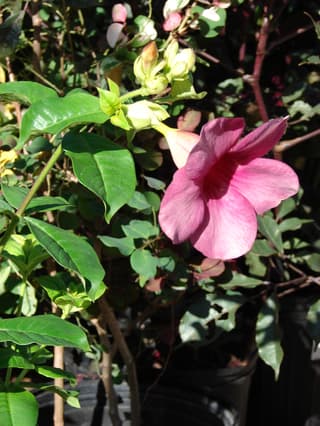
Purple Allamanda
Allamanda blanchetii
Purple Allamanda (Allamanda blanchetii) is a woody, semi-climbing tropical shrub in the Apocynaceae family, native to Bahia, Brazil. It produces large, trumpet-shaped flowers in shades of reddish-purple to lavender-pink with a contrasting yellow throat, blooming profusely from spring through fall. The velvety, elliptical leaves are arranged in whorls along flexible stems that can be trained on a trellis or pruned into a compact shrub. It is a moderately fast-growing tropical plant that demands full sun and warmth, and is sensitive to frost. The entire plant, especially its milky sap, is toxic and a skin irritant, so gloves should be worn when handling or pruning.
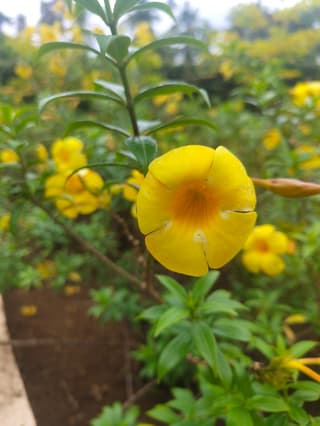
Golden Trumpet
Allamanda cathartica
Allamanda cathartica, commonly known as Golden Trumpet or Yellow Allamanda, is a fast-growing tropical vine native to Brazil, belonging to the Apocynaceae family. It is prized for its stunning golden-yellow, trumpet-shaped flowers that bloom nearly year-round in tropical climates. Widely used to cover pergolas, fences, and walls, it thrives in full sun with regular watering. WARNING: All parts of the plant are highly toxic, containing cardiac glycosides and irritating latex.
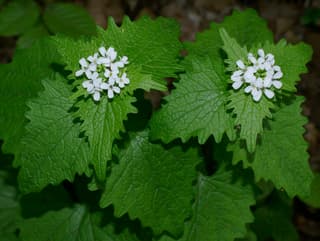
Garlic Mustard
Alliaria petiolata
Garlic mustard (Alliaria petiolata) is a biennial herbaceous plant in the mustard family (Brassicaceae), widely distributed across Central and Northern Europe as well as parts of Asia. In its first year, it forms a basal rosette of heart-shaped, deeply toothed leaves, while in its second year, it sends up a 60–100 cm tall stem with white, four-petaled flowers. Its distinctive feature is the intense garlic scent released when the leaves are crushed, which is due to the presence of glucosinolates. The plant inhabits open deciduous forests, road and forest edges, and slopes, and is known as an invasive species in North America. It is an important host plant for the Orange-tip butterfly (Anthocharis cardamines) and its caterpillars.
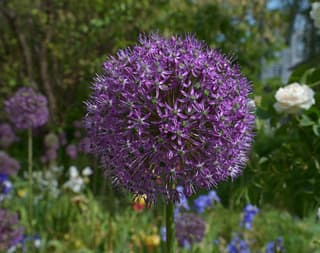
Ornamental Onion
Allium
Allium is a large genus of bulbous flowering plants in the family Amaryllidaceae, comprising approximately 700 species including ornamental garden plants as well as culinary staples such as onion, garlic, and chives. Ornamental alliums produce striking spherical flower heads in shades of purple, pink, white, and yellow, and are prized in gardens and cut flower arrangements alike.
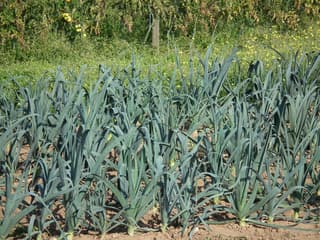
Leek
Allium ampeloprasum
Allium ampeloprasum, commonly known as leek or wild leek, is a biennial bulbous plant in the Amaryllidaceae family, native to southern Europe, southwestern Asia, and northern Africa. It produces broad, flat, blue-green leaves and a tender white shaft prized in cooking. In its second year, it forms a beautiful spherical umbel of lilac flowers that attract pollinators.
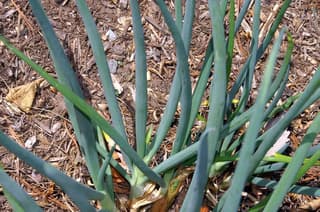
Onion
Allium cepa
The onion (Allium cepa) is one of the most widely cultivated and consumed vegetables in the world, originating from Central Asia. Belonging to the Amaryllidaceae family, it has been grown for thousands of years for its culinary and medicinal properties. It produces succulent bulbs rich in sulfur compounds, flavonoids, and antioxidants.
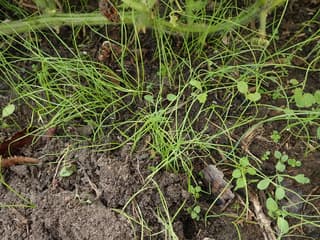
Green onions
Allium fistulosum
Allium fistulosum, popularly known as green onions, is a perennial herbaceous plant essential for any vegetable garden. Its leaves are cylindrical, hollow, and deep green, growing in compact clumps. Unlike the common onion, it does not form developed globose bulbs, being prized for the mild and refreshing flavor of its stalks and white bases.
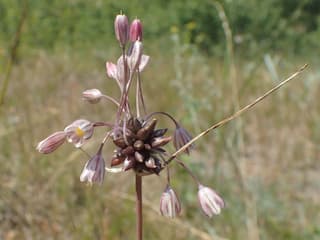
Field Garlic
Allium oleraceum
Field garlic (Allium oleraceum) is a wild bulbous perennial in the Amaryllidaceae family, native to Europe, where it grows in fields, banks, and roadsides. It produces narrow, semi-cylindrical leaves and, in summer, a loose umbel of bell-shaped flowers ranging from white to greenish, pink, or brownish, often accompanied by small aerial bulbils that enable vegetative propagation. It is a hardy, easy-to-grow species traditionally foraged as an edible aromatic herb similar to cultivated garlic.
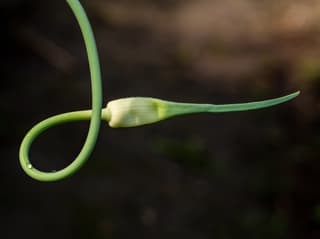
Garlic
Allium sativum
Allium sativum, popularly known as garlic, is a bulbous plant in the Amaryllidaceae family. It is widely cultivated worldwide for its culinary and medicinal properties. The plant produces an underground bulb composed of several segments called cloves, encased in a papery skin.
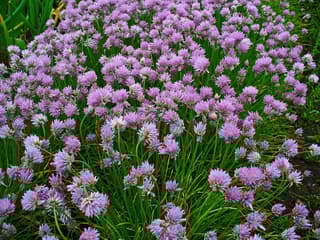
Chives
Allium schoenoprasum
Chives (Allium schoenoprasum) are a versatile herbaceous perennial native to Europe and Asia, prized for their mild onion-like flavor and attractive globe-shaped purple flowers. Forming dense grass-like clumps of hollow, cylindrical leaves up to 50 cm tall, they are among the easiest edible herbs to grow. Hardy in zones 4–8, chives die back in winter and regrow vigorously each spring. Both the leaves and flowers are edible, making this plant a favorite in herb gardens and kitchen windowsills worldwide.
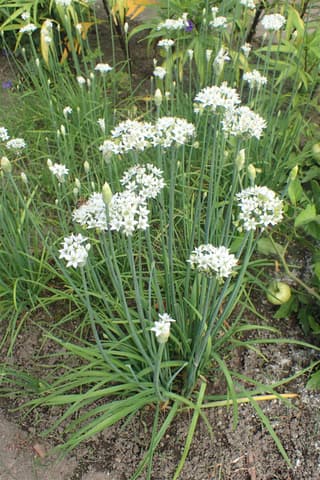
Garlic Chives
Allium tuberosum
Garlic chives (Allium tuberosum) is a bulbous perennial herb native to the Himalayan region and China. It produces flat, green strap-like leaves with a mild garlic flavor and aroma, widely prized in Asian cuisine. In summer, it bears fragrant white star-shaped flowers in umbrella-like clusters that attract pollinators. It is easy to grow and extremely versatile in the kitchen.
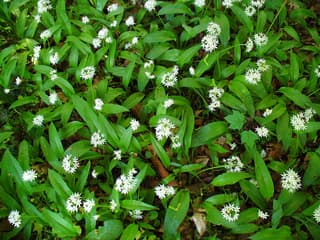
Ramsons
Allium ursinum
Allium ursinum, commonly known as ramsons or wild garlic, is a bulbous perennial herb native to the temperate woodlands of Europe and Asia. It forms lush carpets of broad, lance-shaped leaves in spring, filling forest floors with a distinctive garlic scent. Star-shaped white flowers appear from March to May, attracting pollinators. All parts of the plant are edible and it has been treasured for centuries both as a food source and medicinal herb.
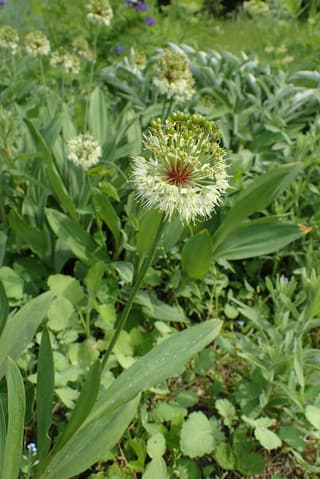
Victory Onion
Allium victorialis
Allium victorialis is a hardy perennial bulbous plant in the Amaryllidaceae family, native to alpine and subalpine regions of Europe and Asia. Remarkably cold-hardy, it withstands temperatures down to -30°C (USDA hardiness zone 4). The plant forms compact clumps of broad, glossy, dark green foliage resembling leeks. It produces tall, leafless flowering scapes (30-70 cm) with loose hemispheric umbels of 20-35 small white to creamy-green flowers blooming May through August. Small bulbs (10-20 mm diameter) cluster on a short rhizome, naturally self-dividing over time to create expanding colonies.
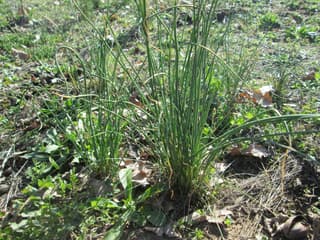
Wild Garlic
Allium vineale
Allium vineale, commonly known as wild garlic or crow garlic, is a perennial bulb-forming plant in the family Amaryllidaceae. Native to Europe, northwestern Africa, and the Middle East, it has been naturalized in North America where it is considered an invasive weed. It produces slender hollow leaves with a strong garlic scent and bears small white to purple flowers in tight umbels during spring and early summer. All parts of the plant are edible, with a flavor similar to common garlic.
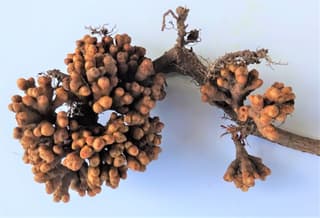
Alder
Alnus
Alder (genus Alnus) is a deciduous tree from the birch family (Betulaceae), growing predominantly near watercourses, lakes, and in moist soils across the temperate zone of the Northern Hemisphere. It is characterized by rapid growth and the ability to fix atmospheric nitrogen through symbiosis with Frankia bacteria, which enriches the surrounding soil. In early spring, before the leaves emerge, it blooms with striking pendulous catkins. Alder wood does not rot when submerged in water, which is why it was traditionally used for building piles and bridge structures.

Common Alder
Alnus glutinosa
The common alder (Alnus glutinosa) is a fast-growing deciduous tree native to Europe, western Asia, and North Africa, prized for its ability to thrive in wet, boggy, and riverside soils where few other trees survive. Reaching up to 25 meters, it produces distinctive reddish-brown catkins in late winter before its rounded, glossy leaves emerge, followed by small woody cone-like fruits that persist into winter. Its roots host nitrogen-fixing bacteria (Frankia alni), allowing it to enrich poor soils naturally, making it a valuable pioneer species for riverbank stabilization, wetland restoration, and windbreaks.
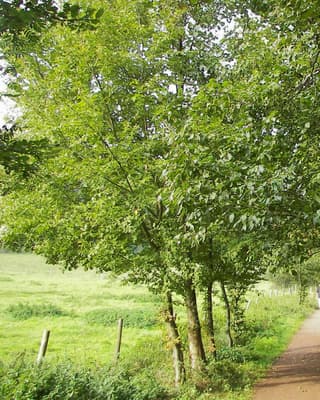
Grey Alder
Alnus incana
Grey alder is a fast-growing deciduous tree native to the cooler regions of Europe and parts of North America, prized for its hardiness, adaptability to poor and wet soils, and its role as a pioneer species that fixes nitrogen in the soil. It produces distinctive purplish male catkins and small cone-like female catkins in late winter before the leaves emerge.
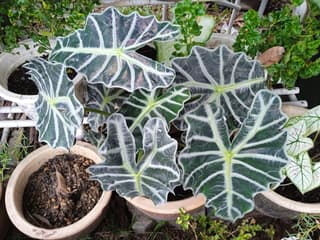
Alocasia Polly
Alocasia × mortfontanensis
Alocasia × mortfontanensis, commonly known as the African Mask Plant or Alocasia Amazonica, is a stunning hybrid featuring large, arrow-shaped leaves. The foliage is a deep, dark green, almost black, with dramatic, thick silvery-white veins and wavy, scalloped edges. It is a centerpiece plant that brings a tropical, prehistoric aesthetic to any indoor space.
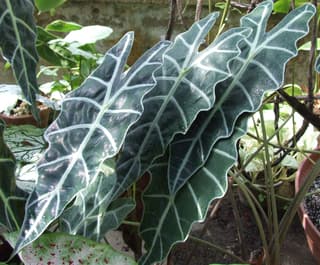
African Mask Plant
Alocasia amazonica
Alocasia amazonica is a stunning tropical hybrid known for its dramatic arrow-shaped leaves with bold white veining against deep green foliage and rich purple undersides. Despite its name suggesting Amazonian origins, it is actually a hybrid created in a Florida nursery in the 1950s from Southeast Asian parent species. This compact variety, often sold as "Polly," makes an excellent statement houseplant.
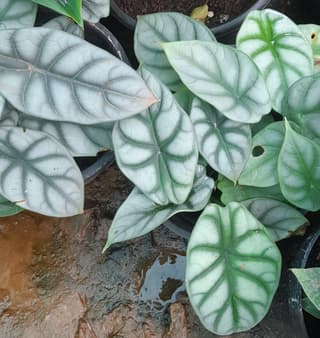
Dragon Scale Alocasia
Alocasia baginda
Alocasia baginda, commonly known as Dragon Scale, is a striking tropical houseplant native to the rainforests of Borneo. Its large, silver-green leaves feature a deeply textured, scale-like surface that mimics dragon skin, with dark green veins creating a dramatic contrast. Each leaf is thick and leathery, making it one of the most visually impressive aroids available to collectors.
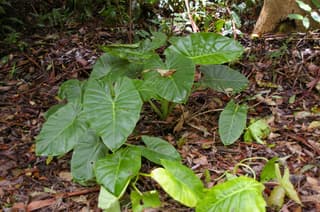
Cunjevoi
Alocasia brisbanensis
Alocasia brisbanensis, commonly known as Cunjevoi, is a large-leafed tropical perennial native to the rainforest margins of eastern Australia. It features dramatic, glossy, spade-shaped leaves up to 70 cm long on long purplish-green petioles, making it a striking ornamental plant. All parts of the plant contain calcium oxalate crystals and are highly toxic if ingested.

Green Shield Alocasia
Alocasia clypeolata
Alocasia clypeolata, commonly known as the Green Shield Alocasia, is a compact evergreen aroid endemic to the Philippines, first collected on the island of Mindanao. It belongs to the Araceae family and is prized by collectors for its rounded, shield-shaped leaves marked with dark, contrasting veins radiating outward from the center of each leaf. Reaching a modest height and spread of around 30 cm, this rhizomatous perennial forms a dense rosette of around six firm leaves atop a short central stem. In its native tropical rainforest understory, it grows in rocky, well-drained soil at low elevations, sheltered from direct sun. Like most Alocasia species, its tissues contain calcium oxalate crystals, making it toxic if ingested by pets or humans.
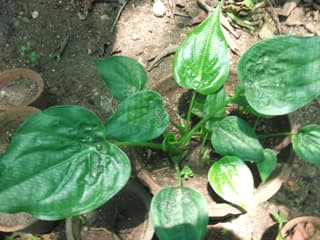
Chinese Taro
Alocasia cucullata
Alocasia cucullata, commonly known as Chinese Taro or Buddha's Hand, is a compact tropical plant native to Southeast Asia. It features glossy, heart-shaped to arrow-shaped leaves on long petioles, held upright in a striking architectural form. This evergreen perennial thrives in warm, humid environments and is widely cultivated as an ornamental houseplant. Revered across Thailand and Laos as a sacred plant of good fortune, it is traditionally placed at home entrances and Buddhist temples.

Dwarf Upright Elephant Ear
Alocasia gageana
Alocasia gageana, commonly known as the dwarf upright elephant ear, is a perennial aroid native to the tropical rainforests of Myanmar, Laos, Thailand, and southern China. Its emerald-green, arrow-shaped leaves have deeply etched veins and gently scalloped edges, growing up to 50 cm across. Despite its common name, it is not truly tiny; it can reach up to 1 m tall with good care.
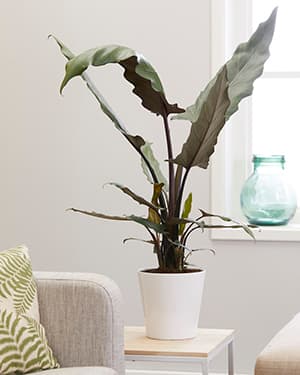
Purple Sword
Alocasia lauterbachiana
Alocasia lauterbachiana, better known as the Purple Sword, is a striking aroid prized for its long, narrow, sword-shaped leaves. The glossy dark green upper surface contrasts dramatically with a deep purple-maroon underside, and new growth often emerges with a metallic sheen. Native to the humid understories of New Guinea, it grows as a compact rhizomatous perennial that rarely tops 1.2-1.5 m indoors, forming an upright clump of upward-arching foliage rather than sprawling. Like most Alocasia, it prefers to be left slightly on the drier side between thorough waterings and is sensitive to both soggy roots and prolonged drought, making consistency the key to happy growth.
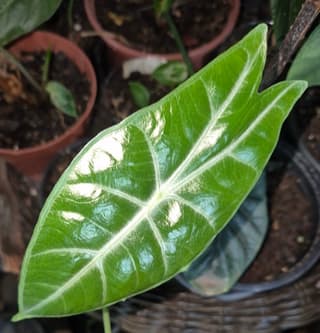
Dragon Scale Alocasia
Alocasia longiloba
Alocasia longiloba is a striking tropical plant native to the humid rainforests of Southeast Asia — Borneo, Malaysia, and Thailand. It is best known for its dramatic arrow- or heart-shaped leaves adorned with silvery-green venation that stands out boldly against a deep green background, giving it the popular name 'Dragon Scale Alocasia.' The texture of the leaf surface can appear almost reptilian, especially in the highly sought-after 'Dragon Scale' and 'Silver' cultivated forms. As a houseplant it typically reaches 60–120 cm tall, making it an elegant focal point in living rooms, offices, and indoor gardens. It belongs to the family Araceae and shares its genus with approximately 90 other fascinating species.
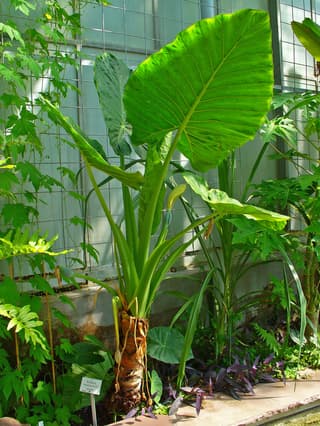
Giant Taro
Alocasia macrorrhizos
Alocasia macrorrhizos is a spectacular tropical perennial from Southeast Asia, prized for its enormous upright arrow-shaped leaves that can reach up to 1.5 meters in length. Known as Giant Elephant's Ear, this fast-growing plant makes a bold architectural statement both indoors and in tropical gardens. It belongs to the Araceae family and features thick, prominently veined, glossy green leaves on sturdy upright stems.
Rugose Alocasia
Alocasia melo
Alocasia melo, commonly called the rugose alocasia, is a compact jewel Alocasia endemic to the ultramafic slopes of Sabah, Malaysian Borneo. It forms a low rosette of thick, nearly circular leaves with a deeply bumpy, wrinkled surface that resembles the rind of a cantaloupe melon, giving the species its name. The upper leaf surface is a deep bluish-green while the underside is pale and smooth. Unlike many thin-leaved aroids, its stiff, rugged foliage resists tearing and physical damage, but the short, fleshy corm beneath the soil is highly sensitive to overwatering and cold, soggy conditions. Grown as a houseplant for its sculptural texture, it demands bright indirect light, high humidity, and a chunky, fast-draining aroid mix to thrive.
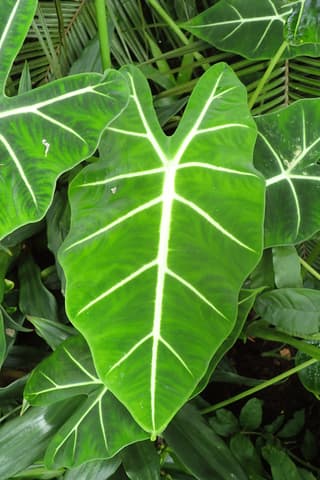
Green Velvet Alocasia
Alocasia micholitziana
Alocasia micholitziana, commonly known as the Green Velvet Alocasia or Frydek, is a striking tropical houseplant native to the Philippines. It is prized for its velvety dark green leaves with dramatically contrasting white veins and a deeply ribbed texture. A member of the Araceae family, it thrives as an indoor plant in warm, humid environments and can be a stunning focal point in any home.
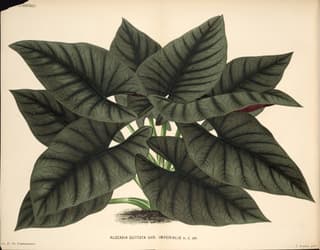
Alocasia Nebula
Alocasia nebula
Alocasia nebula is a highly coveted jewel aroid prized for its velvety, deeply corrugated leaves marked with silvery, cloud-like ('nebula') veining against a dark green backdrop. Part of the Alocasia longiloba complex from the tropical rainforests of Southeast Asia, it forms a compact clumping rosette from an underground corm, rarely exceeding 90 cm in cultivation. Its dramatic foliage and collector status make it a centerpiece for humidity-controlled terrariums and greenhouse cabinets.
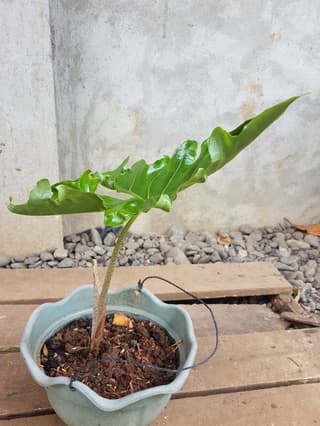
Batwing Alocasia
Alocasia nycteris
Alocasia nycteris, commonly called the Batwing Alocasia, is a rare aroid endemic to lowland forests of Panay Island in the Philippines. It is prized by collectors for its dark, glossy, arrow-shaped leaves whose rear lobes flare outward at nearly a right angle, evoking the outstretched wings of a bat. First displayed publicly in 2003 by Filipino hobbyist Antonio Advincula, it was formally described as a new species in 2007. In its native habitat it grows on rocky, shaded slopes and forest edges at very low elevation, and indoors it forms a wide, horizontal clump up to about 1.5 m tall.
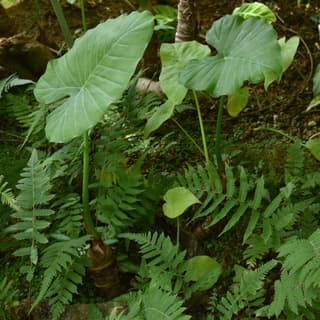
Night-Scented Lily
Alocasia odora
Alocasia odora, commonly known as the Night-Scented Lily or Asian Taro, is a striking tropical plant from the Araceae family, native to East and Southeast Asia. Its large arrow-shaped leaves can reach up to 60 cm in length, and the plant can grow to 2.4 meters tall. It produces fragrant cream-to-pale-peach flowers on a spadix during spring and summer, notably scented at night. WARNING: Toxic to humans, cats, and dogs when ingested raw due to calcium oxalate crystals.
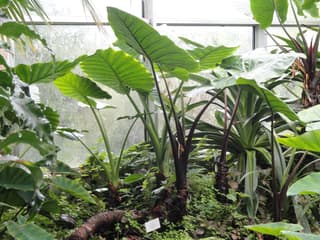
Black Metallic Taro
Alocasia plumbea
Alocasia plumbea, commonly known as the Black Metallic Taro, is a robust rhizomatous aroid native to tropical Southeast Asia. It is prized for its large, heart-shaped leaves with a striking metallic sheen ranging from olive-green to near-black purple, accented by contrasting veins and dark petioles. In cultivation it can reach up to 1.5 m (5 ft) tall. Its inflorescence -- a typical aroid spathe and spadix -- is inconspicuous and rarely appears indoors.
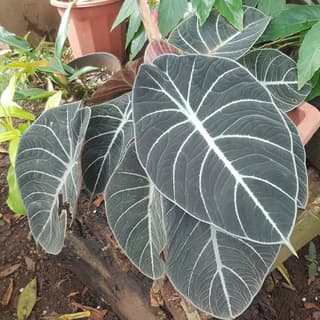
Black Velvet Alocasia
Alocasia reginula
Alocasia reginula, commonly known as Black Velvet Alocasia, is a striking compact tropical plant native to the rainforests of Borneo. It is prized for its deep, near-black velvety leaves adorned with contrasting silvery-white veins. Unlike larger Alocasia species, this jewel alocasia stays small and manageable, making it an ideal statement houseplant. Its thick, succulent-like rhizomes store water, giving it some drought tolerance but also making it highly susceptible to root rot if overwatered.
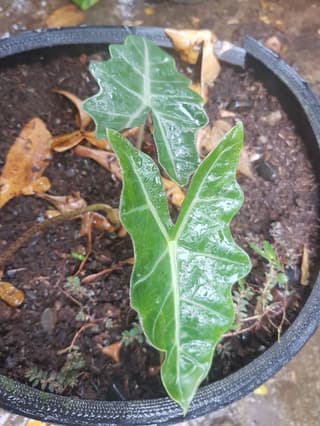
Kris Plant
Alocasia sanderiana
Alocasia sanderiana, commonly known as the Kris Plant or Sander's Alocasia, is a stunning tropical foliage plant native to the Philippines. It features dramatic arrow-shaped dark green leaves with silvery-white veins and wavy, serrated edges that resemble the blade of a Kris dagger — hence its popular name. Critically endangered in its natural rainforest habitat, it is prized as a collector's houseplant worldwide.
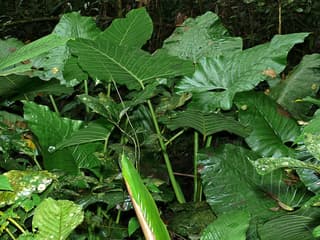
Yucatan Princess
Alocasia sarawakensis
Alocasia sarawakensis, popularly sold as 'Yucatan Princess', is a large tropical aroid from the swamp forests of Borneo. It forms a dramatic clump of glossy, arrow-shaped, dark green leaves with wavy edges and reddish-purple undersides, rising from sturdy reddish-brown stems. In the wild it can reach up to 2.4 m (8 ft) tall, though potted specimens usually stay more compact.
Find the Perfect Plant
Our plant guide helps you find ideal species for your experience level and time of year.
Browse by Difficulty, Season & More
Use the filters below to narrow this catalog by care difficulty, season, environment, or search directly by name. Each filter leads to a focused list tailored to your specific growing conditions.