Sapindaceae
Alectryon: Aromatic Plant
Alectryon
Alectryon species generally want a sunny to lightly shaded spot with free-draining, humus-rich soil. Once established they tolerate periods of drought and, in hardier species such as A. excelsus, light frost - but young plants need regular watering and frost protection while they establish. Growth is slow to moderate, and the trees are largely trouble-free outdoors, though scale insects and caterpillars can appear on foliage.
Every 14 days
Bright indirect
-4° - 35°C
% - %
Categories
What is Alectryon?
Alectryon (Alectryon) is a medium-care plant from the Sapindaceae family. Alectryon is a genus of roughly 30 species of evergreen trees and shrubs in the soapberry family (Sapindaceae), ranging from low shrubs to canopy trees over 30 m tall. The genus is native across Australasia, Melanesia, Polynesia and Southeast Asia, with its greatest diversity in eastern Australia; i...
Alectryon grows up to 30.0m, watering every 14 days, -4°C – 35°C. It is not suitable for indoor environments and not safe for pets.
Without precautions, ingestion can cause irritation in pets. Keep out of reach of cats and dogs.
How to Care for Alectryon?
TLDR: Alectryon needs Bright indirect, watering every 14 days, and temperatures between -4-35°C with 40-70% humidity.
How Often Should You Water Alectryon?
Water young plants regularly to keep the soil lightly moist while roots establish; mature trees are relatively drought-tolerant and only need supplemental water in extended dry spells.
How Much Light Does Alectryon Need?
Grow in full sun to part shade outdoors - more sun generally means denser foliage and better flowering and fruiting.
What Is the Best Soil for Alectryon?
Plant in well-drained, nutrient-rich soil (pH roughly 6.0-7.5); avoid heavy, waterlogged ground, which encourages root rot.
What Pot Should You Use for Alectryon?
Best grown in the ground as a specimen or shelter tree; if pot-grown while young, use a large, well-draining container and pot up regularly as the root system develops.
What Is Alectryon and Where Does It Come From?
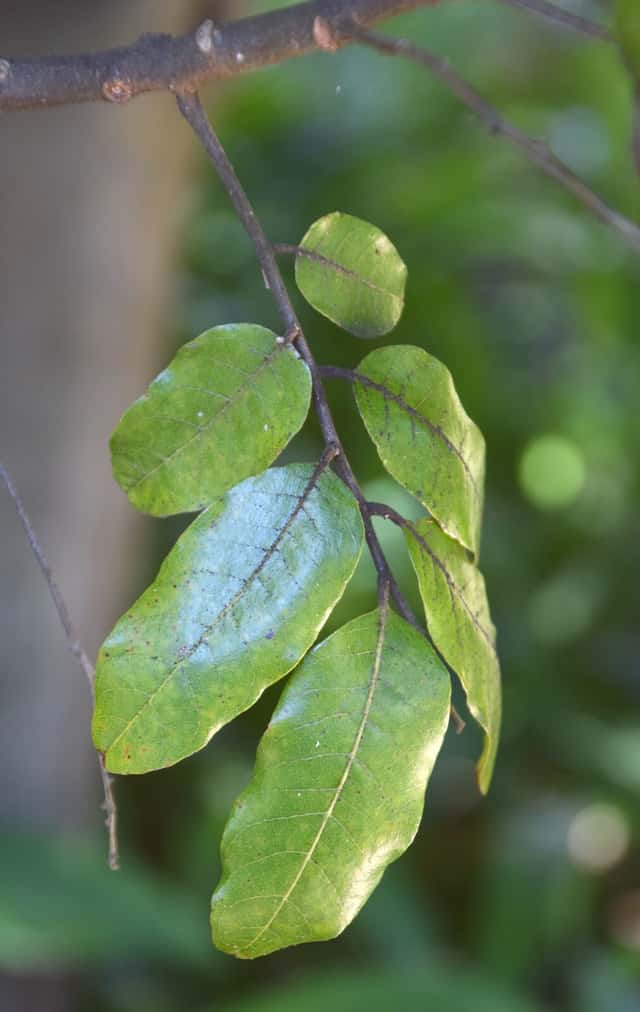
Alectryon is a genus of roughly 30 species of evergreen trees and shrubs in the soapberry family (Sapindaceae), ranging from low shrubs to canopy trees over 30 m tall. The genus is native across Australasia, Melanesia, Polynesia and Southeast Asia, with its greatest diversity in eastern Australia; its best-known member, the New Zealand titoki (Alectryon excelsus), reaches 15-20 m with fluted black bark and glossy pinnate leaves. Small crimson flowers are followed by leathery seed capsules that split open to reveal a bright red, fleshy aril wrapped around a single black seed - a display recalling a bird's eye, or the cockscomb that gives the genus its Greek name (alektryon, "rooster").
How to Propagate Alectryon?
Seed sowing
- Fresh seed germinates far more reliably than stored or dried seed.
- Leaving any fleshy aril on the seed encourages fungal rot before it can germinate.
- 1 Seed collection
Collect fresh seeds from ripe, fully red arils as soon as they fall or split open.
- 2 Cleaning
Remove all the fleshy aril and wash the black seed thoroughly to prevent it rotting in the mix.
- 3 Sowing
Sow in a free-draining seed-raising mix and keep moist in a warm, lightly shaded spot until germination.
Materials needed:
How Big Does Alectryon Grow?
TLDR: Alectryon can reach up to 30.0m tall with Slow growth rate.
Max height
30.0m
Growth rate
Slow
Foliage
Evergreen
Warning: Toxic Plant
This plant can be toxic if ingested. Keep out of reach of:
Plant Uses
Ornamental
Great for decoration
Medicinal
Medicinal properties
Edible
Can be consumed
Aromatic
Pleasant fragrance
Medicinal Uses
- Seed oil traditionally applied by Maori to wounds and skin conditions
Culinary Uses
- Ripe red aril occasionally eaten fresh or made into a liqueur; the black seed itself is not eaten (contains cyanogenic compounds)
Is your plant showing symptoms?
Click on the symptom to discover possible causes:
What Diseases Commonly Affect Alectryon?
TLDR: Alectryon is susceptible to 3 known diseases. Monitor regularly for early detection.
Scale Insects
Scale insects are small sap-sucking pests that appear as brown, shell-like bumps on plant stems and leaves. There are over 25 species, divided into armored (hard) and unarmored (soft) scales. They feed by piercing plant tissue and extracting sap, which weakens the plant and can lead to yellowing, stunted growth, and even death if left untreated. They also excrete honeydew, which attracts ants and promotes sooty mold growth.
Caterpillars
Caterpillars are the larval stage of moths and butterflies that feed voraciously on plant foliage, stems, flowers, and fruits. Common species include cabbage loopers, tomato hornworms, armyworms, and cutworms. These pests can cause extensive damage by consuming large amounts of plant tissue in a short time. They vary in size from small (1/4 inch) to large (5 inches), with colors ranging from green to brown, often featuring stripes or spots. Caterpillars are highly mobile and can quickly spread throughout gardens, making them one of the most destructive common pests.
Root Rot
Root rot is a serious fungal disease that affects the root system of plants, causing them to decay and die. It is primarily caused by overwatering, poor drainage, or soil-borne fungi such as Pythium, Phytophthora, Rhizoctonia, and Fusarium. The disease thrives in waterlogged conditions where roots are deprived of oxygen, making them susceptible to fungal infection.
Meaning & Symbolism
In Maori tradition the crimson aril and glossy black seed of titoki (A. excelsus) recall a bird's eye, and the seed oil was once a prized status symbol used for anointing hair and skin.
Compare with similar plants
| Attribute | Difficulty | Light | Watering | Pet Safe |
|---|---|---|---|---|
| Dark Fieldcap | Medium | Low light | 2d | ⚠️ |
| Azalea | Medium | Partial shade | 3d | ⚠️ |
| Field Maple | Easy | Bright indirect | 14d | ✓ |
| Muriel's Bamboo | Medium | Partial shade | 3d | ✓ |




