Complete Plant Guide
Explore plants by difficulty, season and more. Find the perfect plant for you.
Difficulty
Categories
Plants by City
🗺️ Plants by City3766 plants found
Showing 901-936 of 3766
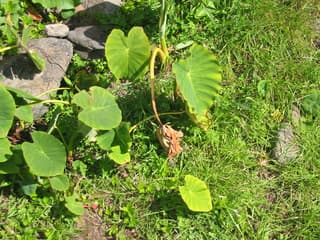
Taro
Colocasia
Colocasia is a genus of large-leaved tropical perennials native to Southeast Asia, grown worldwide both as a dramatic foliage plant and, in the case of Colocasia esculenta (taro), as one of the world's oldest cultivated food crops. Its broad, heart- or arrow-shaped leaves rise on long petioles from an underground corm, giving it the common name "elephant ear". All parts of the raw plant contain needle-like calcium oxalate crystals that irritate skin and mouth, so the corms and leaves are always cooked thoroughly before eating.

Taro
Colocasia esculenta
Colocasia esculenta, commonly known as Taro or Elephant Ear, is a tropical perennial plant prized for its dramatic heart-shaped leaves that can reach up to 60cm in length. Native to Southeast Asia, it is one of the oldest cultivated plants in the world, grown both as an ornamental foliage plant and as a food crop for its edible corms. The plant produces large, velvety green leaves on long succulent stems, creating a lush tropical appearance.
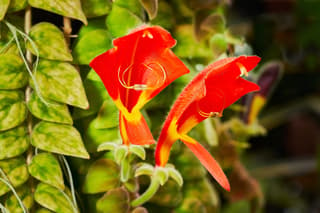
Goldfish Plant
Columnea gloriosa
Columnea gloriosa, commonly called the goldfish plant, is a trailing epiphyte native to the tropical rainforests of Costa Rica and Central America. It belongs to the Gesneriaceae family and is prized for its thick, waxy, dark-green leaves and tubular orange-to-red flowers that resemble small leaping goldfish. It blooms mainly in spring and summer along cascading stems that can reach up to 90 cm in length.
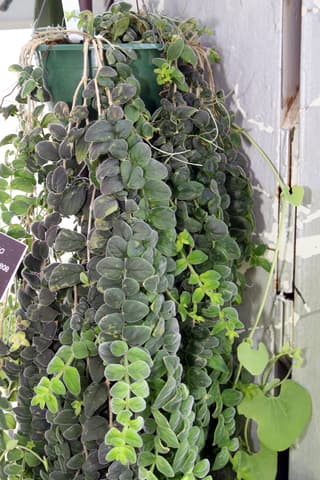
Goldfish plant
Columnea microcalyx
Columnea microcalyx is a tropical epiphytic plant native to Central America, belonging to the Gesneriaceae family. It features trailing stems that can reach up to 90 cm in length, adorned with small, glossy dark green leaves. Its tubular orange to bright red flowers resemble tiny goldfish, giving the plant its common name. It is an ideal houseplant for hanging baskets where it can display its elegant pendulous habit.
Golden Everlasting
Comanthera elegans
Comanthera elegans, popularly known as the golden everlasting or congonha, is a rupicolous herb endemic to the rocky fields (campos rupestres) of the Espinhaço Range in Minas Gerais, Brazil. It forms clumps of narrow basal leaves from which erect, unbranched stems emerge, topped with small flower heads of golden to cream bracts that maintain their color and shape for a long time after drying—hence the name "everlasting." It is one of the most commercially exploited Eriocaulaceae species in Brazil, with inflorescences harvested for handicrafts and floral arrangements since the 20th century. Today, it is listed as Endangered (EN) due to predatory harvesting, poorly managed fires, and climate change, which reduce the rocky field areas suitable for the species.

Asiatic Dayflower
Commelina communis
Commelina communis is a fast-growing summer annual herb native to East Asia, now naturalized across eastern North America. It produces sprawling, hairless stems with lance-to-egg-shaped leaves and distinctive two-petaled blue flowers that open for a single morning before fading. The young shoots and leaves are edible with a mild, mucilaginous texture, and the plant has a long history of use in traditional Asian medicine.
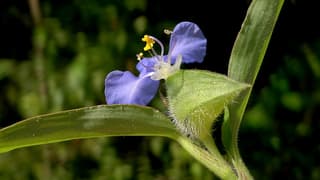
Whitemouth Dayflower
Commelina erecta
Commelina erecta, commonly known as Whitemouth Dayflower or Erect Dayflower, is a perennial herb native to the Americas. It produces vivid sky-blue flowers with a small white lower petal, each lasting only a single day. A resilient and adaptable plant, it thrives in sunny to partially shaded gardens and is valued for both its ornamental beauty and traditional medicinal uses across South America.
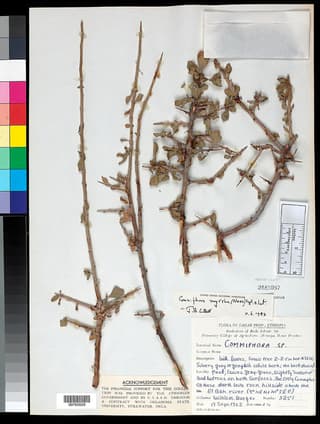
Myrrh
Commiphora myrrha
Commiphora myrrha is a large shrub or small thorny deciduous tree native to the arid regions of Northeast Africa (Ethiopia, Somalia, Kenya) and the Arabian Peninsula (Oman, Yemen, Saudi Arabia). It features twisted, zigzagging gray branches often ending in sharp spines, light papery bark that peels in strips, and small, aromatic trifoliate leaves. It is famous for exuding an aromatic, brownish-yellow oleoresin—myrrh—when wounded, which has been used for millennia in incense, perfumes, cosmetics, and traditional medicine. It tolerates poor, stony soils, extreme heat, and long periods of drought.
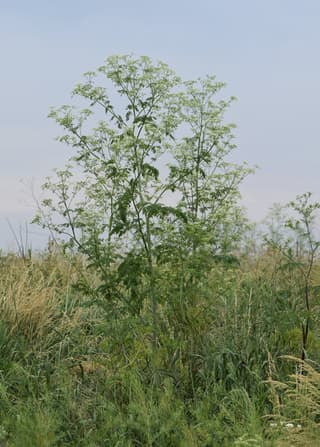
Poison hemlock
Conium maculatum
Poison hemlock (Conium maculatum) is a biennial herb in the Apiaceae family, native to Europe, North Africa, and temperate Asia, now naturalized as an invasive weed throughout much of the world. It is recognized by its hollow, ridged stems with purple spotting, its highly divided feathery leaves similar to parsley, and its small white flowers clustered in umbels. It is one of the most poisonous plants in temperate flora: all parts contain piperidine alkaloids (primarily coniine), responsible for fatal poisonings in humans and animals. It grows spontaneously in ditches, riverbanks, abandoned fields, and other moist, disturbed soils.
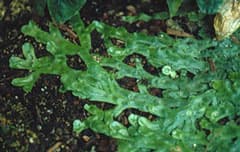
Great Scented Liverwort
Conocephalum
Conocephalum is a genus of thallose liverworts (bryophytes) in the family Conocephalaceae, best known for the distinctive hexagonal patterning on their thallus surface resembling snake scales — earning them the nickname "snakeskin liverwort." These non-vascular plants thrive in shaded, moist habitats such as stream banks, wet rocks, and forest floors. They are widely used in terrariums, vivariums, and paludariums as a lush, low-growing green carpet.
milky conecap
Conocybe apala
Conocybe apala, commonly known as the milky conecap, is a saprobic mushroom that frequently appears in lawns, pastures, and compost heaps. It is characterized by its fragile, pale cream to white conical cap and thin, brittle stem. These mushrooms are ephemeral, often appearing in the early morning after rain or heavy dew and collapsing by midday when exposed to the sun.
Cone Plant
Conophytum angelicae subsp. tetragonum
Conophytum angelicae subsp. tetragonum is a tiny, cushion-forming or loose-clumping mesemb succulent from the Aizoaceae family. The tetragonum subspecies is characterized by its square (tetragonal) cross-section, with body pairs measuring only 12-18 mm in diameter, featuring a smooth or slightly faceted, light beige-greyish-green epidermis. It is native to the rocky desert scrub of northwestern South Africa, specifically the Richtersveld and Namaqualand (ranging from East Richtersveld to Concordia, Pofader, and Warmbad in Bushmanland). A typical winter-growing 'living stone,' it enters dormancy in summer, during which the old leaf pair dries out into a papery sheath to protect the new pair developing beneath. In autumn, it produces small, fragrant, nocturnal flowers with bronze, pale yellow, or purplish-red petals.

Burger's Onion
Conophytum burgeri
Conophytum burgeri is a dwarf and highly compact succulent, endemic to a very restricted area of Bushmanland in the Northern Cape Province, South Africa, between Springbok and Pofadder. It consists of a single fleshy, onion-shaped body with a small fissure at the top from which the flower and new pair of leaves emerge. Its epidermis is smooth, shiny, and translucent, with coloration ranging from light green to purple, often taking on reddish-purple tones under intense sun. Over time, it may slowly divide to form small clusters of up to about five bodies. In nature, it grows in rocky and clayey soil among quartz pebbles, relying on winter mists and dew to survive the arid climate. It blooms in early autumn (April-May in the Southern Hemisphere), with sweet-scented purple flowers that open for a few hours in the late afternoon.
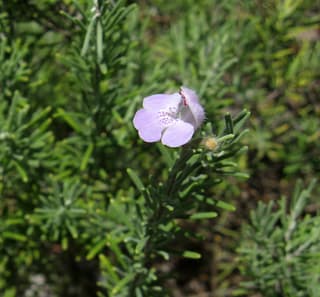
False Rosemary
Conradina
Conradina is a small genus of about seven aromatic, evergreen shrubs in the mint family (Lamiaceae), native to the sandy scrublands and coastal dunes of the southeastern United States, especially Florida. Commonly called false rosemary for its needle-like, gray-green leaves and rosemary-like scent, the plants form dense, rounded mounds 60-90 cm tall covered in small two-lipped purple, lavender, or white flowers from spring through fall. Highly drought-tolerant and adapted to poor, well-drained sandy soils, Conradina species are popular in xeriscaping, pollinator gardens, and coastal restoration plantings. Several species, including C. brevifolia, C. etonia, and C. glabra, are rare and federally protected.
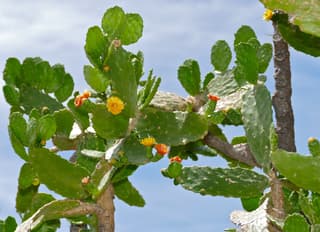
Caribbean Tree Cactus
Consolea falcata
Consolea falcata is a rare tree cactus from Hispaniola, in the prickly pear subfamily (Opuntioideae). In the wild it has been recorded from a single spot on the coast of north-western Haiti, near Port-de-Paix, where fewer than a dozen plants grew on bare limestone a few metres above the sea; that population may have been lost in the 2008 floods, and the species is listed as Critically Endangered. It grows as a small tree or shrub 1.5-2 m tall with upright, very dark, glossy green arms. Its flat pads are long and narrow, up to 35 cm by 9 cm, and are often curved like a sickle, which gives the plant its name (from the Latin falx, sickle). Pads carry glochids and either no spines or a few yellowish to pale brown ones, 1-4 cm long. The flowers are red, up to 5 cm across. Like other Consolea, plants are usually male or female and are pollinated by hummingbirds.
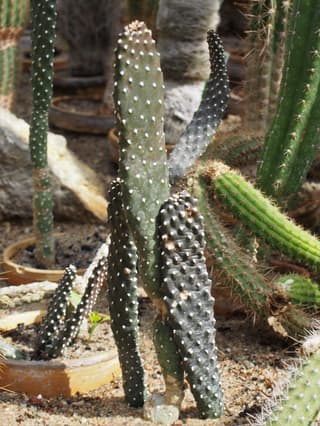
Road Kill Cactus
Consolea rubescens
Consolea rubescens is a tall, tree-like cactus from the Cactaceae family, native to the Caribbean islands (Puerto Rico, Virgin Islands, Lesser Antilles). It forms a woody trunk from which flattened, oval segments (pads) grow, taking on a reddish-purple hue in strong sunlight. In nature, it can reach up to 6 meters in height. In spring and summer, yellow-orange-red flowers appear, followed by edible, tart fruits.
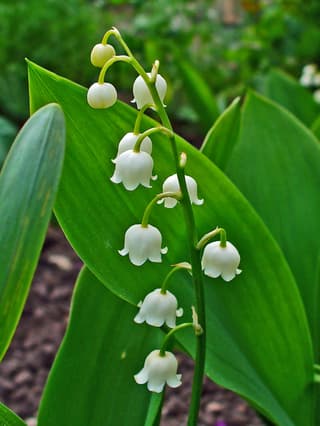
Lily of the Valley
Convallaria majalis
Lily of the Valley (Convallaria majalis) is a delicate, shade-loving perennial native to the cool temperate woodlands of Europe and Asia. It produces elegant, arching stems adorned with pairs of lance-shaped leaves and dainty, bell-shaped white flowers with an intensely sweet fragrance. Despite its delicate appearance, it is a vigorous spreader that forms dense ground-covering colonies. All parts of the plant are highly toxic due to cardiac glycosides, making it dangerous to children and pets.
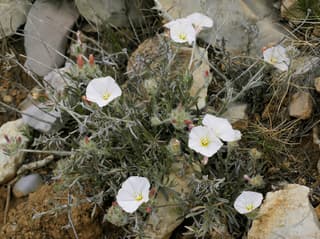
Silverbush
Convolvulus
Convolvulus is a genus in the Convolvulaceae family that ranges from climbers and ground covers to small shrubs, such as the silver-leaved silverbush (Convolvulus cneorum). They bear funnel- or trumpet-shaped flowers in white, pink and blue that open with the sun. They are prized in dry gardens, borders and containers.

Field Bindweed
Convolvulus arvensis
Field Bindweed (Convolvulus arvensis) is a fast-growing, rhizomatous perennial vine in the morning glory family. Native to Europe and Asia, it has become a widespread and highly invasive weed across temperate regions worldwide. Its funnel-shaped white or pale pink flowers open in summer, while its deep, extensive root system makes it notoriously difficult to eradicate once established.
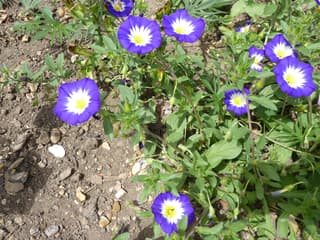
Dwarf Morning Glory
Convolvulus tricolor
Convolvulus tricolor, commonly known as Dwarf Morning Glory, is a compact annual plant native to the Mediterranean region. It produces stunning trumpet-shaped flowers with a characteristic tricolor pattern — deep blue or purple petals surrounding a white ring and bright yellow center. Each flower lasts only one day, but the plant blooms prolifically throughout summer, creating a continuous display of color in borders, containers, and ground cover plantings.
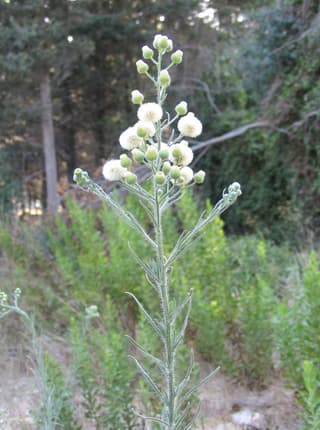
Argentine fleabane
Conyza bonariensis
Conyza bonariensis is an annual (occasionally biennial) herbaceous plant native to South America, belonging to the Asteraceae family. It is characterized by erect growth branching from the base, a height of 20-100 cm, and grey-green foliage covered in stiff bristles. The flowers are small, in capitula, with yellow disc florets and creamy bracts. It is one of the most problematic invasive plants in cultivated areas, notably resistant to glyphosate, primarily affecting soybean and corn crops.
Cookeina tricholoma
Cookeina tricholoma
Cookeina tricholoma is a tropical ascomycete fungus known for its vibrant cup shape and distinct marginal hairs. Found on decaying wood in humid forests, it displays colors ranging from pink to reddish-orange. It is not a plant, but a saprophytic fungus essential for the decomposition of organic matter.
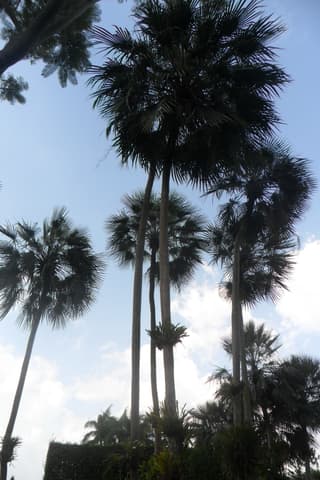
Carnauba Palm
Copernicia prunifera
Copernicia prunifera, the carnauba palm, is a fan palm endemic to the semi-arid Caatinga of northeastern Brazil (Ceara, Piaui, Maranhao, Rio Grande do Norte and Bahia), where it grows along rivers and in seasonally flooded ground that receives only about 800mm of poorly distributed rainfall a year. Mature specimens reach up to 20m tall on a slim, ringed trunk topped by a dense crown of stiff, blue-green fan leaves, and can live for two centuries. It is nicknamed "arvore da vida" (tree of life) in Brazil because almost every part is used, most famously the fine wax coating its fronds, harvested and refined into carnauba wax -- the hardest natural wax in commercial use, prized for polishes, cosmetics and coatings.
Flocculose inkcap
Coprinellus flocculosus
Coprinellus flocculosus is a short-lived, saprotrophic fungal species recognizable by its distinctive cap covered in flaky, whitish veil remnants. Initially ovoid, it becomes bell-shaped before eventually liquefying into a black ink (autolysis), which gives the 'inkcap' family its name. It often appears in clusters on decaying wood, wood chips, or nitrogen-rich soil.
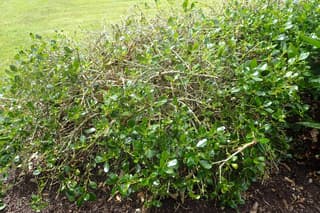
Mirror Plant
Coprosma repens
Coprosma repens, commonly known as the Mirror Plant, is a glossy-leaved evergreen shrub native to New Zealand. Its highly reflective, lacquered leaves give it the distinctive mirror-like appearance that inspired its name. It is an exceptionally tough coastal plant, tolerating salt spray, wind, and drought once established, making it a popular choice for hedging and screening in exposed gardens.
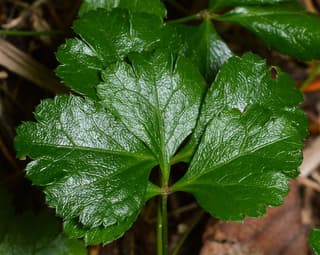
Threeleaf Goldthread
Coptis trifolia
Coptis trifolia, commonly known as Threeleaf Goldthread or Canker Root, is a small evergreen perennial native to boreal forests of North America and East Asia. It forms low-growing mats of glossy trifoliate leaves, with delicate white flowers in spring and summer. Its most distinctive feature is its bright golden-yellow underground rhizomes, from which it derives its common name. The plant contains berberine alkaloids and was historically used by indigenous peoples for treating mouth ulcers and as a bitter tonic.
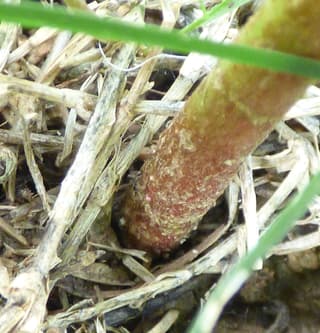
Jute Mallow
Corchorus olitorius
Corchorus olitorius is a fast-growing, erect annual herb in the mallow family (Malvaceae), prized across Africa, the Middle East, and Asia as a leafy vegetable. Left to mature it can reach 1.5-3.5 m, with slender green stems, serrated glossy leaves, and small solitary yellow flowers followed by slender ridged seed pods. Young shoots and leaves are harvested repeatedly for cooking -- most famously in Egyptian molokhia soup -- and the stem fibers can also be spun into jute-like textiles.

Spanish Elm
Cordia alliodora
The Spanish Elm (Cordia alliodora) is a tree in the Boraginaceae family, native to the tropical forests of the Americas, ranging from Mexico to Argentina. It can reach up to 30 meters in height, featuring a cylindrical, fluted trunk and branches with hollow nodes that often serve as nesting sites for ants and stingless bees. Its name 'alliodora' refers to the characteristic garlic-like scent emitted by its wood. It is a fast-growing deciduous tree, highly valued as a timber species, for shade in coffee and cocoa agroforestry systems, and as an ornamental for its abundant, fragrant white flowers that primarily bloom during the dry season.
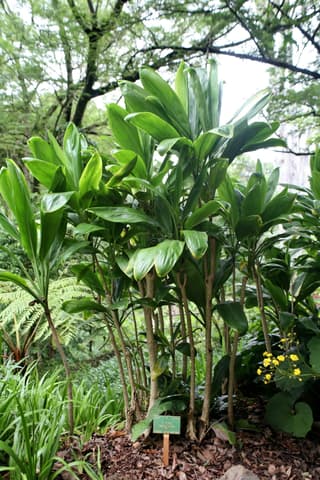
Ti Plant
Cordyline
Cordyline is a genus of tropical and subtropical plants prized for their striking foliage in shades of green, red, purple, and pink. Widely grown as both a houseplant and a garden specimen, they are primarily cultivated for their bold ornamental appearance.
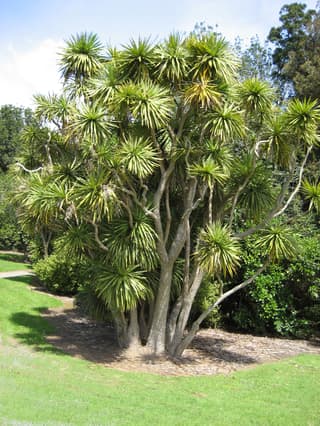
Cabbage Tree
Cordyline australis
Cordyline australis, commonly known as the Cabbage Tree or Tī kōuka, is an iconic palm-like tree native to New Zealand. Despite its tropical appearance, it is a remarkably hardy outdoor specimen that can tolerate temperatures as low as -7°C. It produces long, sword-shaped leaves that form a dramatic architectural crown, and mature trees develop a thick, fibrous trunk. In summer, established plants produce spectacular frothy spikes of tiny, fragrant white flowers. A beloved symbol of New Zealand landscapes, it is widely used as a bold architectural plant in gardens and streetscapes worldwide.
Ti Plant
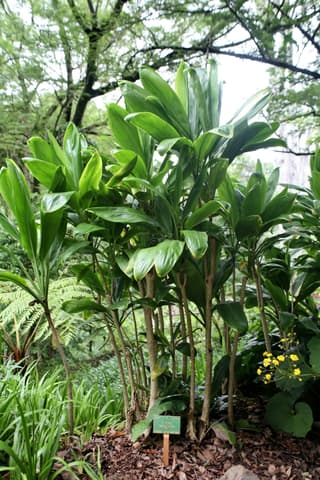
Cordyline fruticosa
Cordyline fruticosa, commonly known as the Ti Plant or Hawaiian Good Luck Plant, is a striking tropical shrub native to Southeast Asia and the Pacific Islands. Famous for its bold, lance-shaped leaves that come in a stunning array of colors — deep red, pink, purple, and variegated combinations — this plant is as ornamental as it is culturally significant. In Hawaiian and Polynesian traditions, the Ti Plant is considered sacred and is believed to bring good luck and ward off evil spirits.
Ti Plant
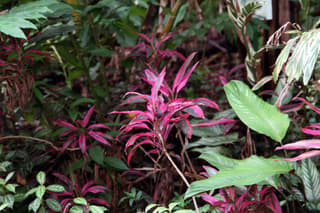
Cordyline terminalis
Cordyline terminalis, commonly known as the Ti Plant or Hawaiian Ti, is a striking tropical ornamental in the family Asparagaceae, native to Southeast Asia and the Pacific Islands. It is celebrated for its bold, sword-shaped leaves that come in a stunning range of colors — from deep greens to rich burgundy, red, and pink. Revered as sacred in Hawaiian and Polynesian cultures, it symbolizes good luck and spiritual protection. Note: it is toxic to cats, dogs, and humans if ingested (contains saponins).
Large-flowered Tickseed
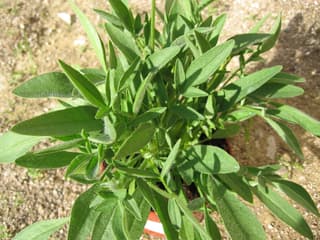
Coreopsis grandiflora
Coreopsis grandiflora, commonly known as Coreopsis or Tickseed, is a perennial plant native to North America, belonging to the Asteraceae family. Its radiant golden flowers bloom from late spring through summer, attracting pollinators such as bees and butterflies. It is an extremely hardy, drought-tolerant plant that is easy to grow.
Plains Coreopsis
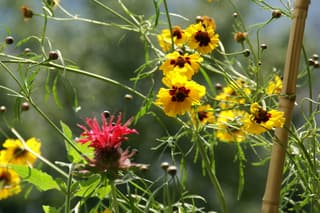
Coreopsis tinctoria
Plains Coreopsis (Coreopsis tinctoria) is a cheerful annual wildflower native to North America, producing masses of bright daisy-like flowers in yellow, red, burgundy, and gold from spring through fall. A staple of prairie meadows, it thrives in full sun with minimal care, making it a favorite for wildflower gardens and pollinator habitats.
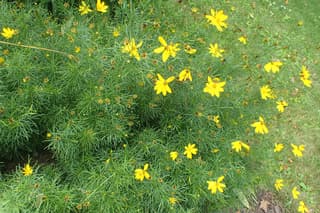
Threadleaf Coreopsis
Coreopsis verticillata
Threadleaf coreopsis is a bushy, drought-tolerant perennial prized for its fine, needle-like foliage arranged in whorls and its abundance of small, star-shaped, butter-yellow flowers. Native to the southeastern United States, it forms dense clumps 60-90 cm tall and wide, blooming profusely from late spring through fall. It is a low-maintenance garden staple, popular in borders, rock gardens, and pollinator plantings.
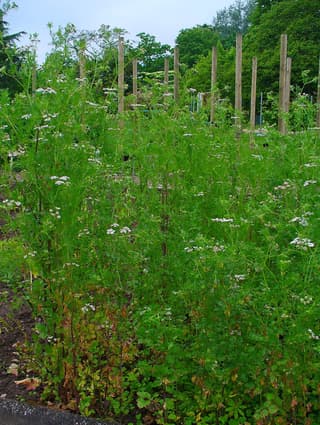
Coriander
Coriandrum sativum
Coriander (Coriandrum sativum) is a fast-growing annual herb from the Apiaceae family, native to the Mediterranean and Middle East. Both its fresh leaves (known as cilantro) and dried seeds are widely used in cuisines across the globe. The plant grows 30–60 cm tall and produces small white or pink flowers in spring and summer before setting seed.
Find the Perfect Plant
Our plant guide helps you find ideal species for your experience level and time of year.
Browse by Difficulty, Season & More
Use the filters below to narrow this catalog by care difficulty, season, environment, or search directly by name. Each filter leads to a focused list tailored to your specific growing conditions.