634 Medium Pet Safe | 2026 Guide - Page 10
Find 634 medium pet safe. Complete guide for your garden.
634 Pet Safe with medium level
Showing 325-360 of 634
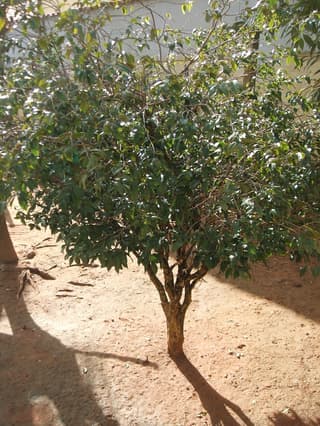
Jabuticaba
Jaboticaba
The jabuticabeira is a slow-growing, evergreen Brazilian fruit tree known for its cauliflory: white flowers and fruits emerge directly from the trunk and thick branches rather than just at the tips of the limbs. Native to the Atlantic Forest (primarily Minas Gerais, São Paulo, and Rio de Janeiro), it can take 8 to 10 years to bear fruit when grown from seed, but grafted seedlings or those obtained through air layering fruit much earlier, between 3 and 5 years. It is widely used as both a fruit-bearing and ornamental tree, including in pots and as bonsai.
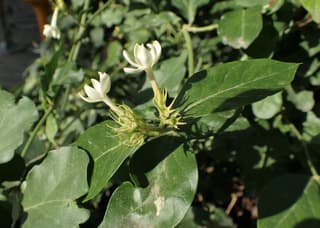
Jasmine
Jasminum
Jasminum is a genus of about 200 species of shrubs and vines in the olive family (Oleaceae), native to tropical and warm temperate regions of Asia, Africa, Australasia and Oceania. Grown for their intensely fragrant, star-shaped flowers, usually white or yellow, jasmines range from compact evergreen shrubs to vigorous climbing vines that can reach several meters with support. Popular garden and houseplant species include Jasminum officinale (common jasmine), Jasminum sambac (Arabian jasmine, used to scent jasmine tea) and Jasminum polyanthum (a fast-growing winter-flowering climber). Most jasmines bloom heaviest in spring and summer, filling gardens and homes with perfume especially in the evening. Because this entry covers the genus as a whole, care guidance below reflects typical requirements shared across common cultivated species; individual species can vary in hardiness, mature size and growth habit.
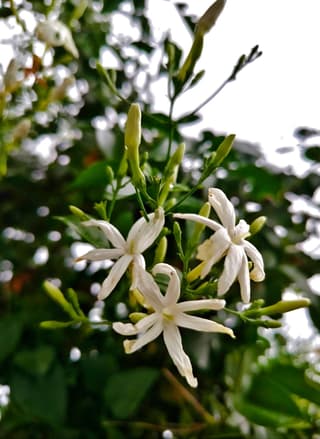
Azores Jasmine
Jasminum azoricum
Azores jasmine (Jasminum azoricum) is an evergreen climbing shrub in the olive family (Oleaceae), prized for its fragrant white flowers with a subtle citrus scent that bloom from spring through fall. With woody stems at the base and trailing, semi-woody growth above, it can reach 2.5 to 6 meters in height when given support to climb. Its glossy, dark green trifoliate leaves keep the plant attractive year-round.
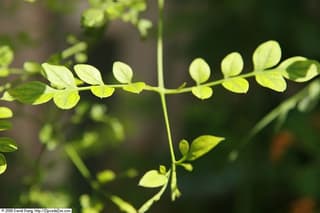
Common Jasmine
Jasminum officinale
Jasminum officinale, known as Common Jasmine or True Jasmine, is a vigorous semi-evergreen climbing vine native to Persia and the Himalayas. Celebrated worldwide for its intensely sweet, iconic fragrance, it produces clusters of delicate white flowers tinged pink in bud from late spring through autumn. A single plant can perfume an entire garden.
Arabian Jasmine
Jasminum sambac
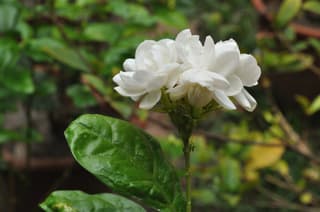
Arabian Jasmine (Jasminum sambac) is a tropical, evergreen climbing shrub native to South and Southeast Asia, particularly India. Celebrated for its intensely fragrant white flowers that bloom in the evening, it is one of the most culturally significant plants in Asia. It serves as the national flower of the Philippines (sampaguita) and one of Indonesia's three national flowers (melati putih). Widely grown as an ornamental, it is also treasured for jasmine tea production, perfumery, and traditional medicine.
Resurrection Lily
Kaempferia rotunda
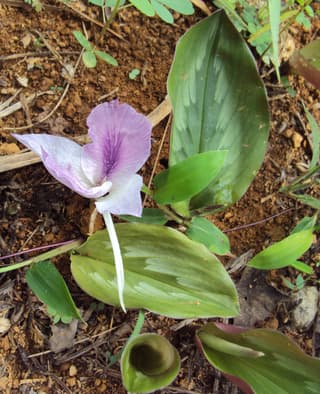
Kaempferia rotunda, commonly known as Resurrection Lily or Tropical Crocus, is a perennial herbaceous plant in the Zingiberaceae family, native to Southeast Asia including India and Myanmar. It is celebrated for its stunning purple and white flowers that emerge directly from the ground before the leaves appear each spring, creating a magical display reminiscent of a resurrection. The broad ornamental leaves feature decorative patterns in shades of green. During winter, the plant enters full dormancy, dying back completely to the rhizome, only to resurge vigorously the following season.
Red Hot Poker (genus)
Kniphofia
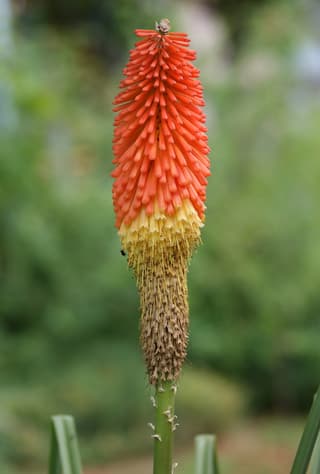
Kniphofia is a genus of herbaceous perennial plants native to Africa, famous for their tall, torch-like flower spikes in shades of red, orange, and yellow. Commonly called Red Hot Poker or Torch Lily, they are prized in ornamental gardens for their drought tolerance and spectacular late-season blooms.
Golden Rain Tree
Koelreuteria paniculata
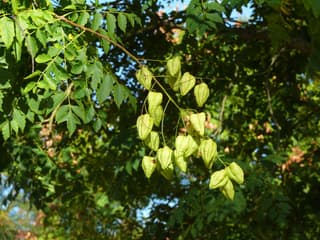
Koelreuteria paniculata, commonly known as the Golden Rain Tree, is a deciduous ornamental tree native to China, Korea, and Japan. It is celebrated for its spectacular cascading panicles of bright yellow flowers in midsummer and its distinctive papery, lantern-like seed pods that turn from green to pinkish-bronze in late summer and persist through winter, providing multi-season interest.
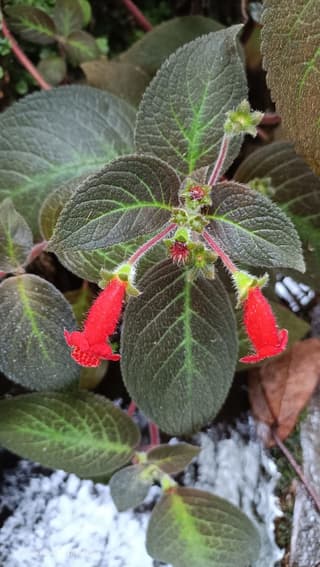
Tree Gloxinia
Kohleria amabilis
Kohleria amabilis, known as the tree gloxinia, is a rhizomatous perennial in the Gesneriaceae family native to Colombia and Honduras. It features velvety, silver-patterned oval leaves and nodding tubular flowers that are pink outside with red or purple spotting inside, blooming from late winter through summer.
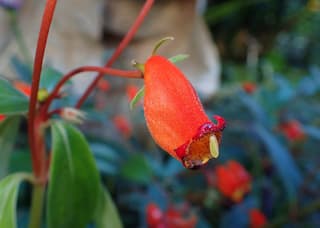
Tree Gloxinia
Kohleria eriantha
Kohleria eriantha (often treated today as a synonym of Kohleria hirsuta) is a rhizomatous (scaly-rooted) perennial from the Gesneriaceae family—the same family as the African violet—native to the tropical mountain cloud forests of South America, primarily Colombia and Ecuador. Its velvety, hairy leaves and tubular, orange-red flowers with yellow-spotted throats that bloom from summer to fall make it a popular potted houseplant. Due to its rhizomes, it tolerates drought better than persistently waterlogged soil.
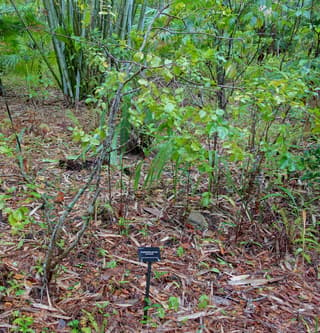
Black Ironwood
Krugiodendron ferreum
Black Ironwood (Krugiodendron ferreum) is a tree native to South Florida, the Caribbean, and Central America, belonging to the Rhamnaceae family. Famous for having the densest wood in the Americas—with a density of up to 1.42 g/cm³, so heavy that it sinks in water—it is a slow-growing and extremely long-lived species. It features opposite, leathery, oval leaves with an emarginate apex, persisting on the branches for two to three years. The flowers are small, greenish, and inconspicuous; the fruits are dark purple drupes, favored by birds and wild mammals. It grows in rocky limestone environments, dry forests, and coastal hammocks, tolerating intense drought, salt spray, and hurricane-force winds.
Sheathed Woodtuft
Kuehneromyces mutabilis
The Sheathed Woodtuft (Kuehneromyces mutabilis) is an excellent edible mushroom that grows in clusters on the stumps of deciduous trees. Its cap is hygrophanous, meaning it changes color based on moisture levels: it is yellowish-brown when wet and turns lighter in the center as it dries. The stem features a ring, below which are small dark scales; this is a critical identifying feature to distinguish it from the deadly poisonous Funeral Bell (Galerina marginata).
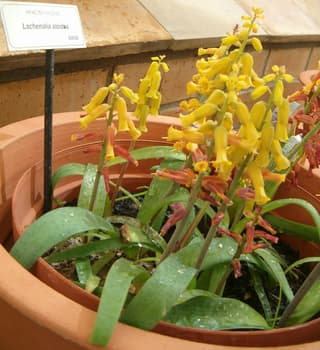
Cape Cowslip
Lachenalia
Lachenalia is a genus of roughly 130 winter-growing bulbous species native almost exclusively to the winter-rainfall regions of South Africa's Western and Northern Cape, with a few extending into Namibia. Commonly known as Cape cowslips or Cape hyacinths, these small bulbs produce strap-shaped, often mottled leaves and dense spikes of tubular, waxy flowers in vivid yellows, oranges, reds, pinks, greens and purples between late winter and early spring. This profile covers general genus-level care guidance applicable across most Lachenalia species and hybrids rather than a single species, since care needs are broadly consistent across the genus.
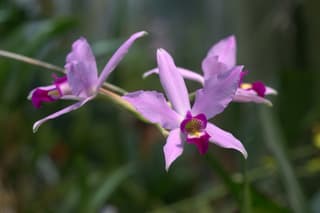
Laelia Orchid
Laelia
Laelia is a genus of epiphytic orchids in the family Orchidaceae, native to Mexico, Central America and the mountainous highlands of Brazil. Species form elongated pseudobulbs that store water and nutrients, each bearing one to a few leathery leaves and an upright spike of showy pink, purple or white flowers. Closely related to Cattleya, Laelia orchids are prized by growers for their toughness and spectacular blooms.
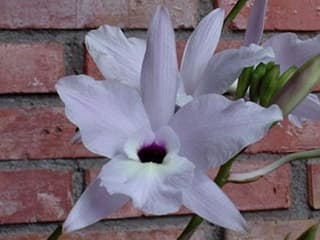
Rosy Tinted Laelia
Laelia rubescens
Laelia rubescens is an epiphytic or lithophytic orchid native to Mexico and Central America, found in seasonally dry deciduous forests at elevations between 100 and 1700 meters. It produces compact pseudobulbs and delicate flowers in shades of white, pink, and lavender with a red-brown blotch on the lip, blooming primarily in autumn and winter.
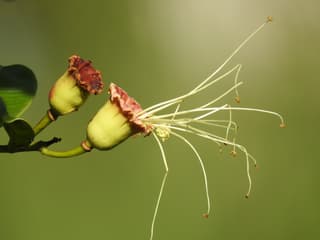
Thimble Tree
Lafoensia pacari
The Thimble Tree (Lafoensia pacari) is a native tree of the Brazilian Cerrado (savanna), belonging to the Lythraceae family. It is a medium to large deciduous tree reaching 5–18 meters tall, with a trunk 30–60 cm in diameter. Its spectacular spring and summer blooms feature large, fringed white flowers with long stamens. Highly valued in traditional Cerrado medicine, it is also widely used in urban landscaping and riparian forest restoration across Brazil.
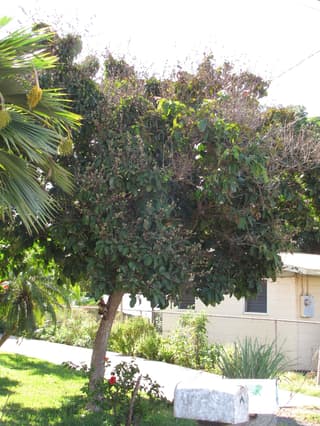
Queen's Crape Myrtle
Lagerstroemia speciosa
The Queen's Crape Myrtle is a fast-growing, deciduous flowering tree native to tropical and subtropical Asia, prized for its large panicles of crinkled pink, purple, or lavender flowers that bloom through summer and into fall. Reaching up to 18 meters tall in the landscape, it also produces smooth, peeling gray bark and woody seed capsules that persist into winter. Its leaves are the source of banaba tea, a traditional folk remedy.
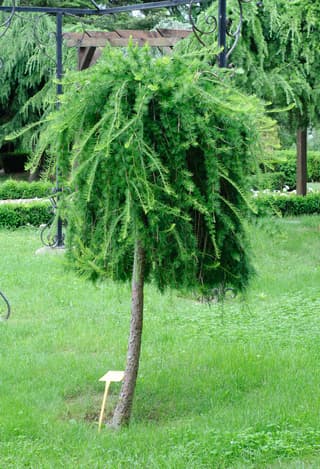
European Larch
Larix decidua
European Larch (Larix decidua) is a deciduous coniferous tree species from the pine family (Pinaceae), native to the mountains of Central Europe – the Alps and Carpathians. As one of the few conifers, it sheds its soft, bright green needles, gathered in bundles, in winter, which turn golden-yellow in autumn. It can reach heights of 30-45 m and is one of the fastest-growing coniferous trees in temperate climates, growing up to 60 cm annually when young. It is a pioneer species, exceptionally frost-hardy (USDA zones 2-6), and long-lived – some specimens in Europe reach an age of up to 500 years. Larch wood is very durable and valued in construction and carpentry.
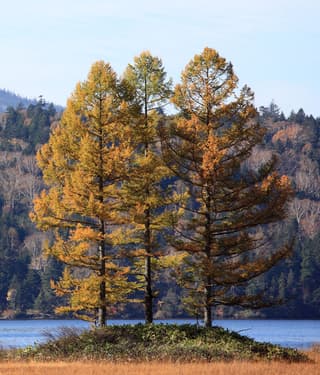
Japanese Larch
Larix kaempferi
The Japanese larch is a deciduous conifer native to the mountains of central Honshu, Japan. Unlike most conifers, it sheds its soft, light-green needles each autumn, first turning a striking golden-yellow to orange-red. It grows into a pyramidal tree, reaching large size in landscape cultivation, and is also a popular subject for bonsai.
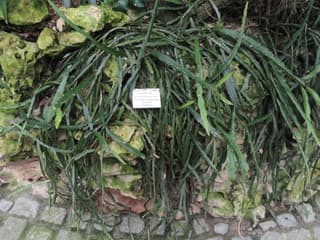
Lepismium cruciforme
Lepismium cruciforme
Lepismium cruciforme, commonly known as the Hurricane Cactus, is a striking epiphytic cactus native to the rainforests of South America. Unlike typical desert cacti, it grows on trees and features long, segmented stems that are often three-angled or flat. Under bright light, the foliage can take on a beautiful reddish-purple hue. It produces small, delicate flowers along the stem margins, followed by ornamental berry-like fruits.
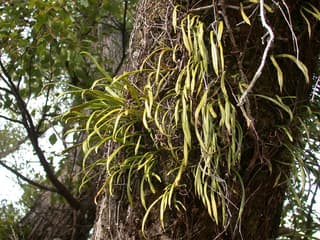
Lepisorus fern
Lepisorus
Lepisorus is a genus of mostly epiphytic and lithophytic ferns in the Polypodiaceae family, found across temperate and tropical Asia, with species such as Lepisorus thunbergianus reaching Japan, Taiwan and Hawaii. They form small tufts of leathery, strap-shaped, evergreen fronds arising from a creeping rhizome, with round sori along the underside of the fronds. They grow on tree trunks, mossy rocks and cliffs, from sea level to high elevations.
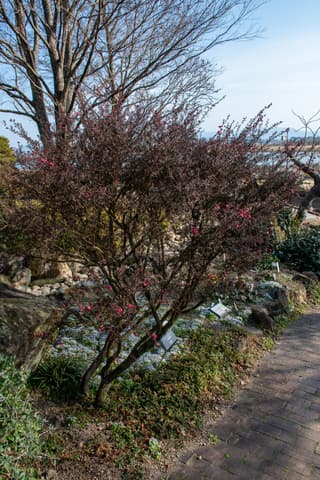
Manuka
Leptospermum scoparium
Leptospermum scoparium, commonly known as Manuka or New Zealand Tea Tree, is an evergreen shrub native to New Zealand and southeast Australia. It is widely recognized for its delicate five-petaled flowers and small, pointed, intensely aromatic leaves. This plant is the primary source for the production of the famous Manuka honey, valued worldwide for its unique antibacterial properties.
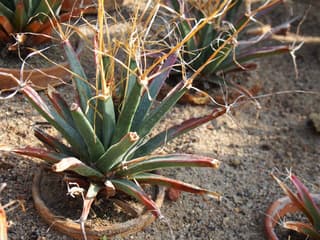
Agave Cactus
Leuchtenbergia principis
Leuchtenbergia principis, commonly known as the Agave Cactus, is a unique cactus native to central and northern Mexico. It is the only species in its genus and stands out for its long, bluish-green triangular tubercles, which give it an agave-like appearance, topped with papery and harmless spines. It develops a thick taproot and, in summer, produces large, fragrant yellow flowers.
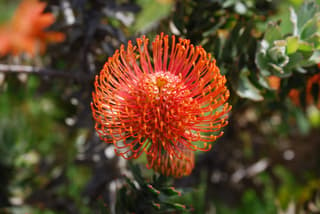
Pincushion Protea
Leucospermum cordifolium
A low, rounded evergreen shrub from the Western Cape of South Africa, endemic to the fynbos biome. It grows 1.5–2 m tall and 1.5–2.5 m wide. The leaves are heart-shaped to oblong, leathery, and glossy. Striking spherical inflorescences, 10–12 cm in diameter, with protruding styles resemble a pincushion; they bloom in orange, red, or yellow.
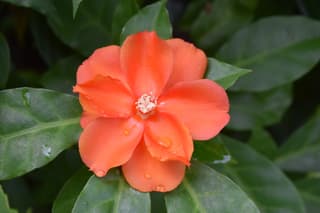
Leaf Cactus
Leuenbergeria
Leuenbergeria is a small genus of leafy, tree-like cacti native to the Caribbean basin, Central America and northern South America. Unlike most cacti, Leuenbergeria species keep true leaves and develop woody, bark-covered stems while young, so at first glance they look more like a spiny shrub than a classic cactus. The genus was split from the broader Pereskia group in 2012 and now forms its own subfamily, Leuenbergerioideae, considered the most primitive lineage within Cactaceae. The best documented species, Leuenbergeria bleo (Rose Cactus), grows as a spiny shrub or small tree up to 8 meters tall along riverbanks and in secondary forest, producing showy orange to pink rose-like flowers followed by edible yellow fruit. Leaves, fruit and bark have a long history of traditional medicinal use across Central America and Southeast Asia.
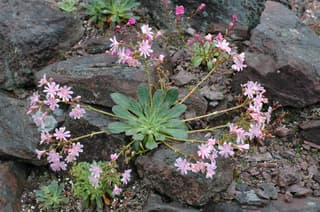
Siskiyou Lewisia
Lewisia cotyledon
Lewisia cotyledon, commonly known as Siskiyou Lewisia or Cliff Maids, is an evergreen succulent perennial native to the rocky subalpine mountains of southern Oregon and northern California. It forms compact basal rosettes of thick, fleshy leaves and produces stunning multi-petaled flowers in shades of pink, orange, white, yellow, and red from spring into early summer. A tough yet delicate-looking alpine gem, it thrives in rocky, well-drained soils and is highly prized in rock gardens and alpine containers.
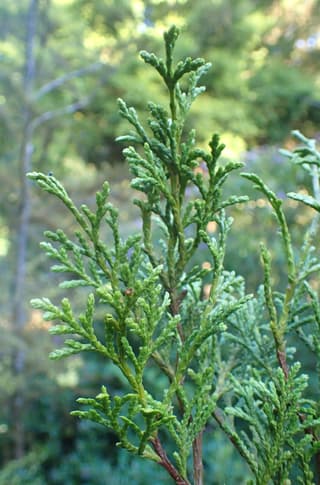
New Zealand Cedar
Libocedrus bidwillii
Libocedrus bidwillii, known as pahautea or kaikawaka in Māori, is an evergreen conifer endemic to New Zealand. This imposing conifer can reach 25 meters in height in its natural habitat, although in cultivation it usually stays between 8 and 15 meters with a narrow pyramidal crown 3 to 5 meters wide. Its leaves are small, scale-like, and glossy dark green, arranged in four rows on flattened branchlets. Adapted to the montane and subalpine forests of New Zealand's North and South Islands, at altitudes between 250 and 1,850 meters, it thrives in cool climates with high rainfall and frequent fog. It is one of New Zealand's slowest-growing conifers and can live between 800 and 1,000 years. Its wood, light reddish with a slightly purple hue when cut, was prized by the Māori for its lightness and rot resistance.
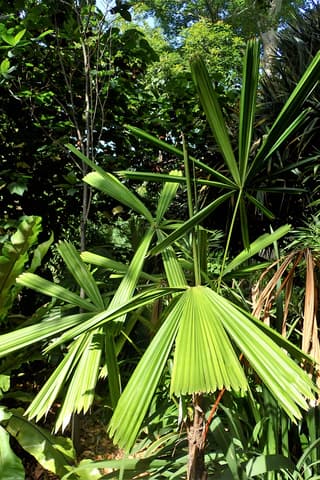
Mangrove Fan Palm
Licuala spinosa
The Mangrove Fan Palm (Licuala spinosa) is a tropical clumping palm native to Southeast Asia, recognized by its deeply divided fan-shaped leaves and spiny leaf stems. It thrives in coastal swamps, riverbanks, and mangrove edges, making it a striking ornamental specimen for tropical and subtropical gardens.
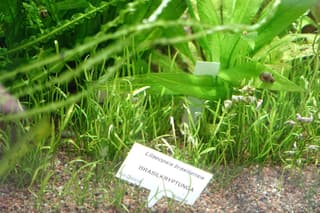
Micro Sword
Lilaeopsis brasiliensis
Lilaeopsis brasiliensis is a popular aquatic groundcover plant from the Apiaceae family, native to South American waters. It forms dense, low carpets with fine, grass-like leaves and reaches a maximum height of about 7 cm. The plant spreads via runners (stolons) and is excellent for foreground planting. It is fully aquatic and is cultivated permanently submerged.
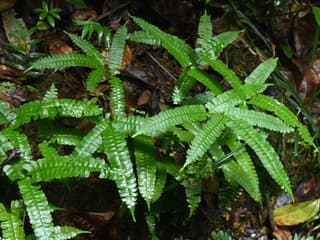
Necklace Fern
Lindsaea
Lindsaea is a genus of roughly 180 small to medium-sized ferns in the family Lindsaeaceae, commonly known as necklace ferns. Native to moist tropical and subtropical forests across Asia, Australia, the Pacific, Madagascar, and South America, these ferns grow as low, spreading clumps of finely divided, leathery fronds. Species such as the screw fern (Lindsaea linearis) and weeping fern (Lindsaea pendula) are grown as ornamental houseplants and shade-garden specimens for their delicate, evergreen foliage.
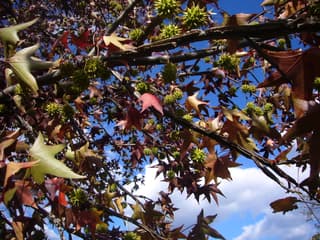
Sweetgum
Liquidambar styraciflua
Sweetgum (Liquidambar styraciflua) is a majestic deciduous tree native to eastern North America. Celebrated for its spectacular autumn foliage in shades of red, orange, yellow, and purple, it is one of the most admired ornamental trees in parks and gardens. It can reach up to 80 feet tall and produces distinctive spiky seed pods known as "gumballs."
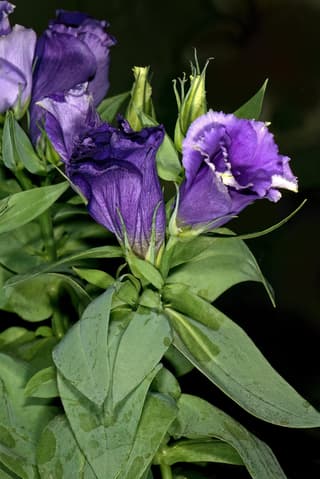
Lisianthus
Lisianthus russellianus
Lisianthus (Eustoma russellianum, synonym Eustoma grandiflorum) is an annual or biennial herbaceous plant in the Gentianaceae family, native to the prairies and moist fields of the southern United States, Mexico, and northern South America. Known for its large, silky, rose- or tulip-shaped flowers, it is one of the most widely cultivated cut flowers in the world, frequently used in wedding bouquets and floral arrangements due to its elegance and long vase life. Its erect stems support multiple blooms in shades of purple, white, pink, lavender, and blue, above waxy, grayish-green foliage.
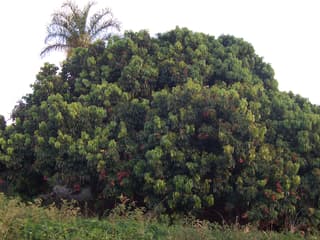
Lychee
Litchi chinensis
Lychee (Litchi chinensis) is a subtropical fruit tree native to southern China (Guangdong and Fujian provinces), belonging to the Sapindaceae family. Renowned for its delicious rose-colored fruits with juicy, translucent white flesh and a floral fragrance, it is cultivated across tropical and subtropical regions worldwide. The evergreen tree grows slowly, reaching up to 12 meters in height under ideal conditions. Small white flowers emerge in spring, developing into the characteristic clusters of rough-skinned fruits.
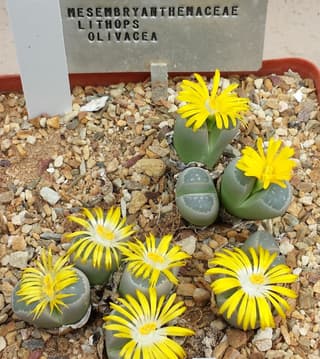
Living Stones
Lithops sp
Living Stones (Lithops sp) are fascinating succulents native to southern Africa, renowned for their extraordinary ability to mimic pebbles and rocks in their desert habitat. Belonging to the family Aizoaceae, these miniature marvels evolved thick, fleshy leaf pairs that store water, enabling survival in extreme arid conditions. Standing just 3-5 cm tall, they produce stunning daisy-like flowers in yellow, white, or orange during autumn and winter.
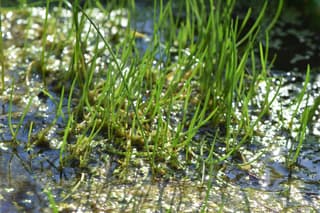
Shoreweed
Littorella uniflora
Littorella uniflora, commonly known as shoreweed, is a small aquatic perennial plant native to the shores of nutrient-poor freshwater lakes across Northwestern Europe. It forms dense, grass-like carpets on sandy or gravelly substrates and is popular in aquascaping for its fine-textured, low-growing foreground coverage. This dioecious plant produces inconspicuous white flowers when grown emersed in summer.
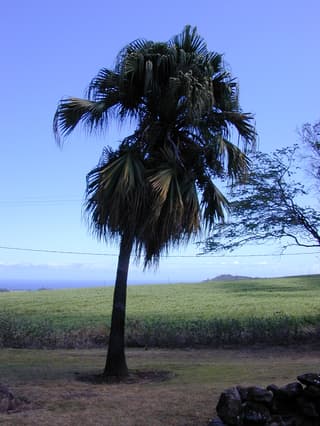
Chinese Fan Palm
Livistona chinensis
Livistona chinensis, commonly known as the Chinese Fan Palm or Fountain Palm, is a slow-growing tropical palm native to southern Japan, Taiwan, and southern China. Its distinctive fan-shaped fronds with gracefully drooping tips can reach up to 15 meters tall in the wild, making it a striking ornamental choice for gardens and spacious interiors.
Medium Care Pet Safe
Our selection of 634 medium pet safe combines the characteristics of this category with moderate care needs. Ideal for those with basic experience.
Why Choose Medium Pet Safe?
Combining the beauty of pet safe with medium difficulty level lets you enjoy this category with a balanced care commitment. Each plant was selected to offer the best characteristics of the category at the care level you are looking for.