500 Best Easy Care for Wołowice - Wełoćicy | 2026 Guide - Page 13
The 500 best easy care to grow in Wołowice - Wełoćicy. Ideal climate: 10.4°C, 76.2% humidity.
500 Easy Care for Wołowice - Wełoćicy
Showing 433-468 of 500
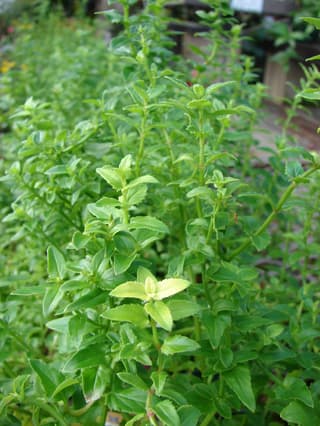
Twinspur
Diascia spp
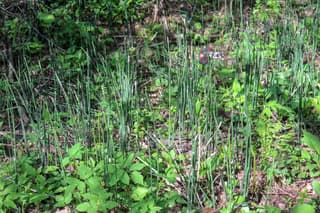
Horsetail
Equisetum spp
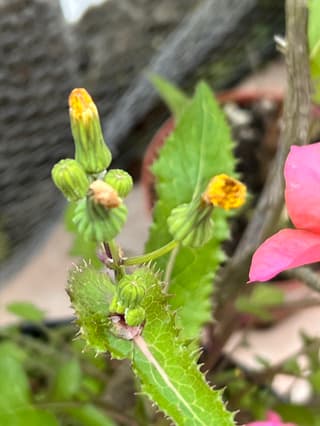
Sow Thistle
Sonchus
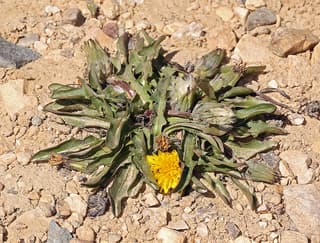
Horned Dandelion
Taraxacum ceratophorum
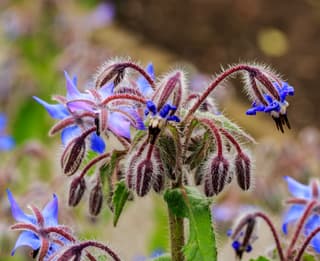
Borage
Borago officinalis
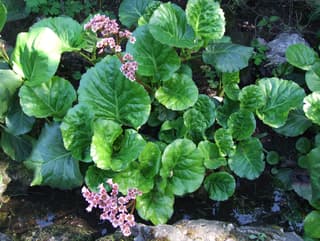
Heart-leaved Bergenia
Bergenia crassifolia
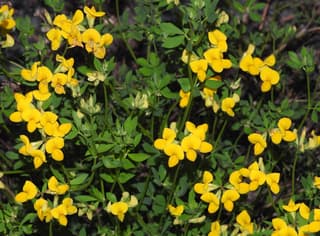
Bird's-Foot Trefoil
Lotus
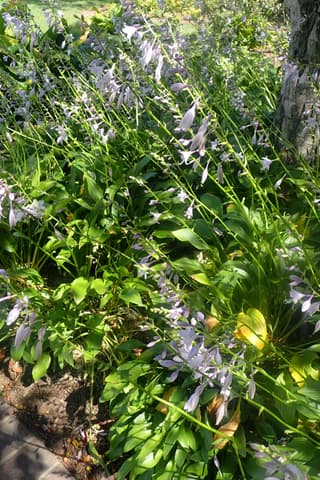
Narrow-leaved Plantain Lily
Hosta lancifolia
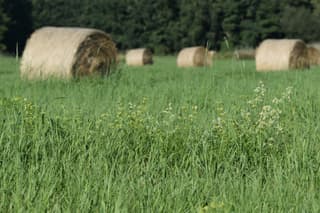
White Bedstraw
Galium album
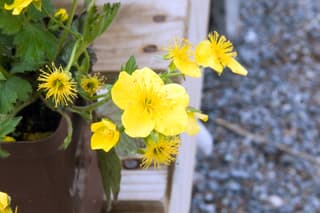
Barren Strawberry
Waldsteinia ternata
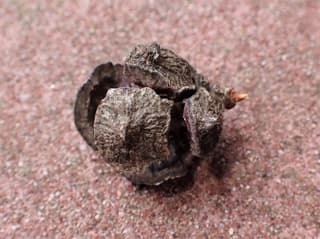
Mexican Cypress
Cupressus lusitanica
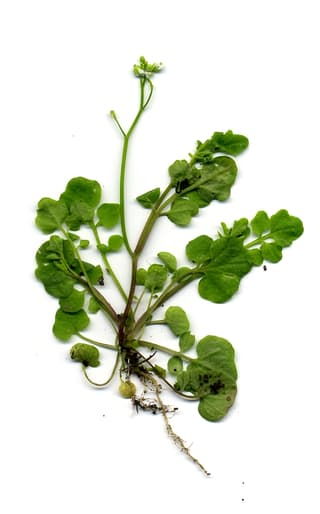
Hairy Bittercress
Cardamine hirsuta
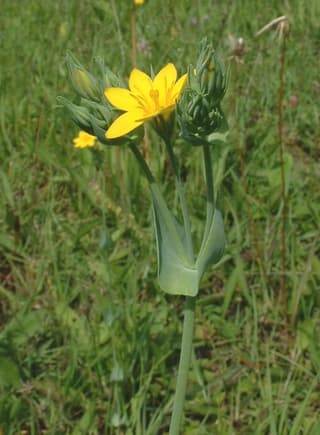
Yellow-wort
Blackstonia perfoliata
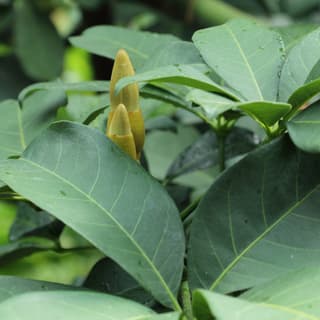
Money Tree
Pachira aquatica
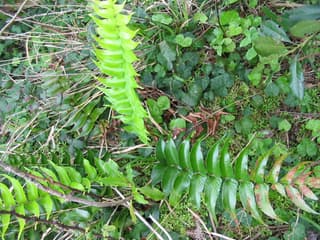
Japanese Holly Fern
Cyrtomium falcatum
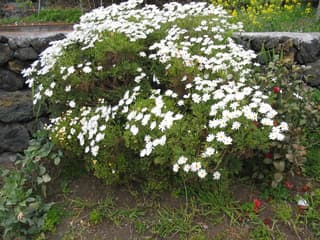
Marguerite Daisy
Argyranthemum frutescens
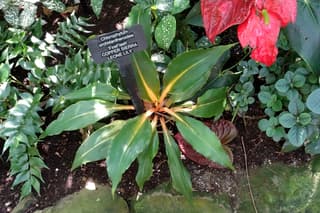
Mandarin Plant
Chlorophytum orchidastrum
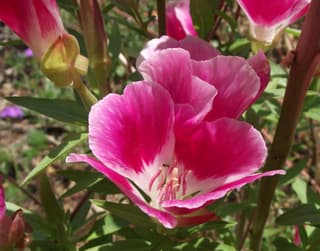
Farewell to Spring
Clarkia amoena
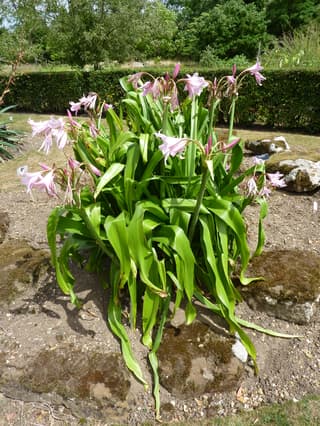
Powell's Crinum Lily
Crinum x powellii
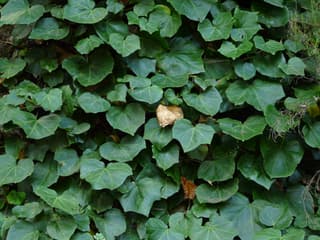
Algerian Ivy
Hedera canariensis
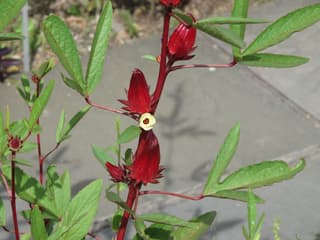
Roselle
Hibiscus sabdariffa
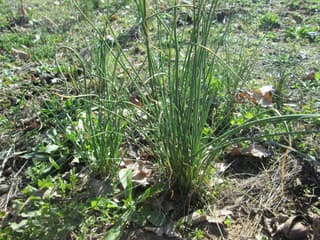
Wild Garlic
Allium vineale
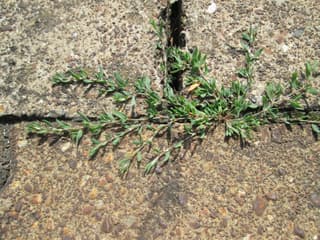
Oval-leaf Knotweed
Polygonum arenastrum
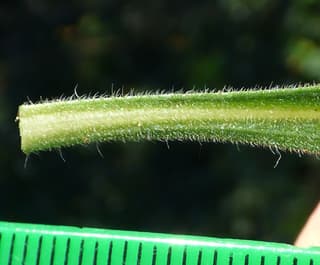
Guernsey Fleabane
Erigeron sumatrensis
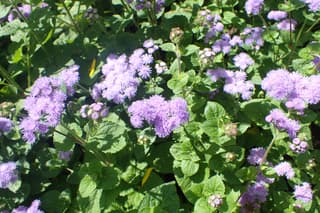
Floss Flower
Ageratum houstonianum
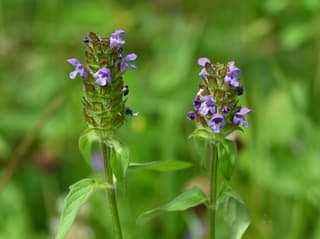
Self-Heal
Prunella vulgaris
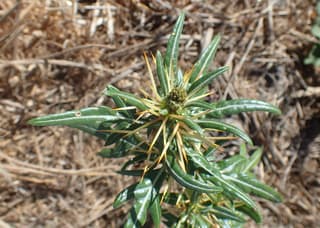
Spiny Cocklebur
Xanthium spinosum
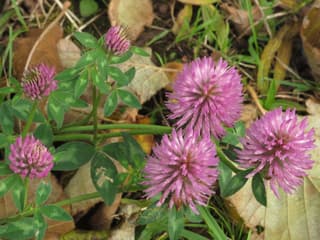
Red Clover
Trifolium pratense
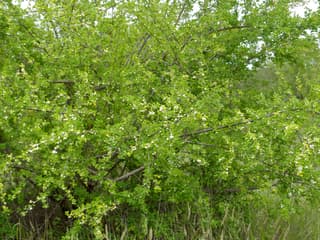
White-Berry Bush
Flueggea virosa
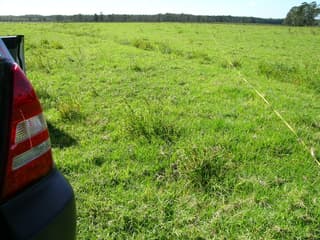
Kikuyu Grass
Cenchrus clandestinus
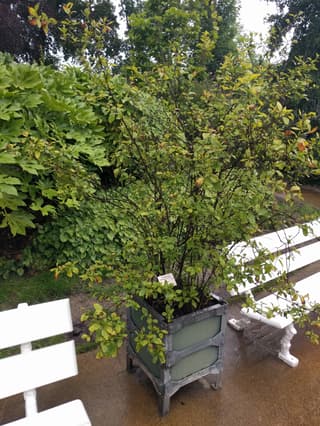
Cape Leadwort
Plumbago auriculata
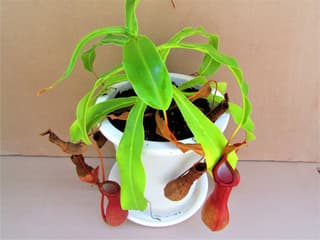
Common Swamp Pitcher-Plant
Nepenthes mirabilis
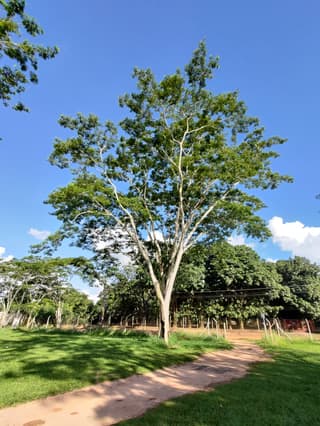
White Silk Tree
Albizia niopoides
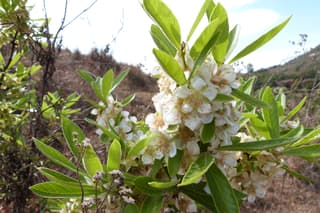
Guabiroba
Campomanesia pubescens

Silk Floss Tree
Ceiba speciosa
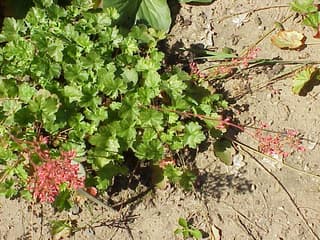
Coral Bells
Heuchera
Ideal Easy Care for Wołowice - Wełoćicy's Climate
Wołowice - Wełoćicy has an average temperature of 10.4°C and humidity of 76.2%, conditions that directly influence which easy care best adapt to the local environment.
How to Grow Easy Care in Wołowice - Wełoćicy
To successfully grow easy care in Wołowice - Wełoćicy, consider that the average temperature of 10.4°C and humidity of 76.2% create a specific microclimate. High humidity favors tropical species, but requires attention to ventilation to prevent fungal issues.
Advantages of Choosing Adapted Easy Care
Easy Care adapted to Wołowice - Wełoćicy's climate show greater resistance, healthy growth, and less need for interventions.