377 Best Succulents for Tabaporã | 2026 Guide - Page 6
The 377 best succulents to grow in Tabaporã. Ideal climate: 25.4°C, 75% humidity.
377 Succulents for Tabaporã
Showing 181-216 of 377
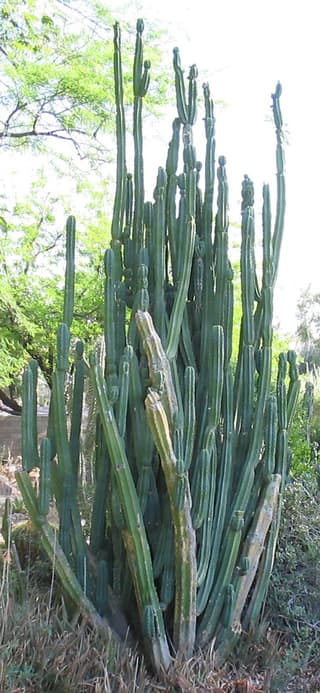
San Pedro Cactus
Trichocereus pachanoi
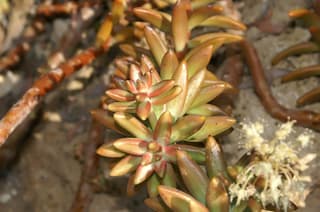
Coppertone Stonecrop
Sedum nussbaumerianum
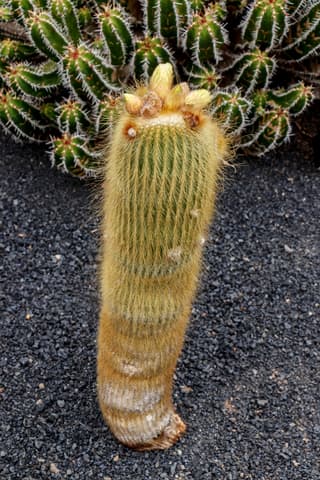
Golden Ball Cactus
Parodia leninghausii
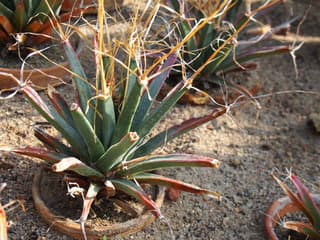
Agave Cactus
Leuchtenbergia principis

Chin Cactus
Gymnocalycium

Chenille Plant
Echeveria pulvinata
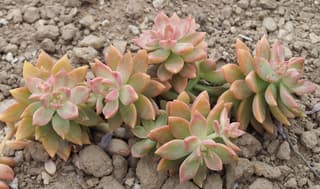
California Sunset
Graptosedum 'California Sunset'

Giant Velvet Rose
Aeonium canariense

Chilean Corkscrew Cactus
Eulychnia castanea
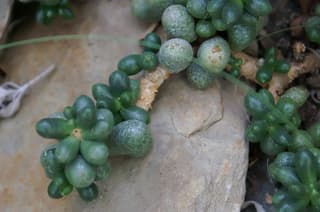
Jellybean Sedum
Sedum hernandezii

Powder Puff Cactus
Mammillaria bocasana
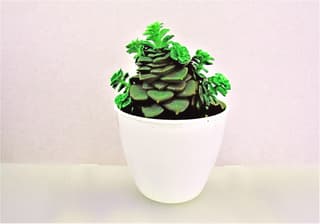
Letizia Sedeveria
Sedeveria 'Letizia'
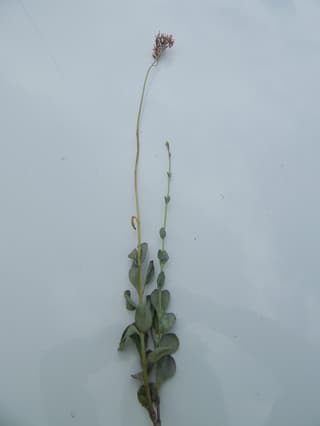
Common Kalanchoe
Kalanchoe rotundifolia
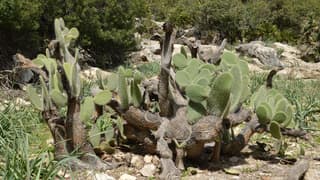
Aaron's Beard Cactus
Opuntia leucotricha
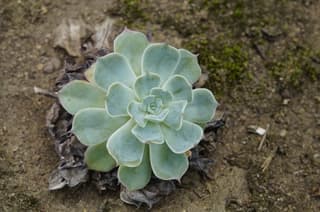
Blue Echeveria
Echeveria secunda
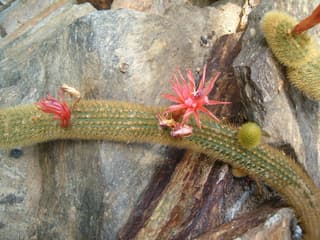
Golden Rat-tail Cactus
Cleistocactus winteri
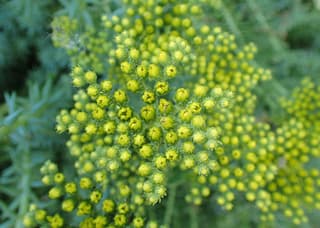
Blue Stonecrop
Petrosedum rupestre
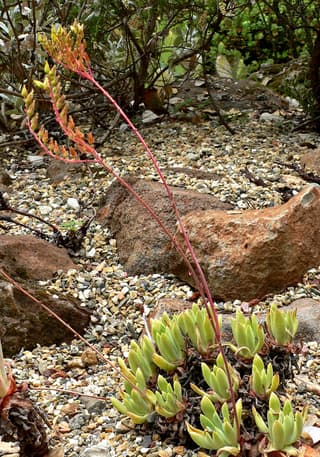
Greene's Liveforever
Dudleya greenei

Black Echeveria
Echeveria affinis
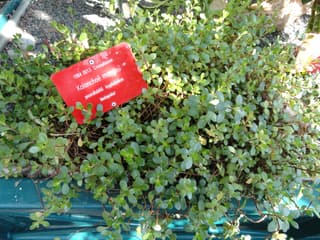
Chandelier Plant
Kalanchoe manginii
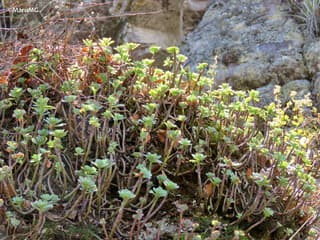
Palmer's Sedum
Sedum palmeri
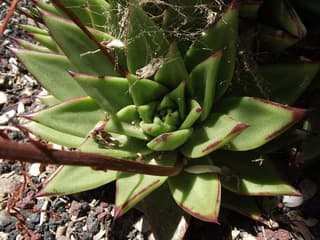
Lipstick Echeveria
Echeveria agavoides
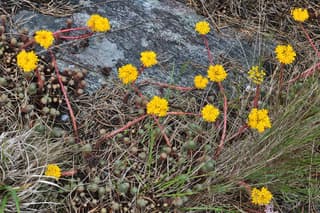
Rock Stonecrop
Petrosedum forsterianum
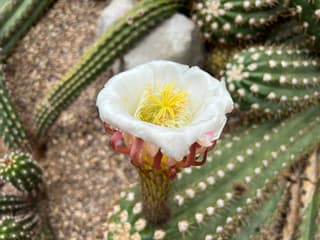
Argentine White Torch Cactus
Soehrensia candicans
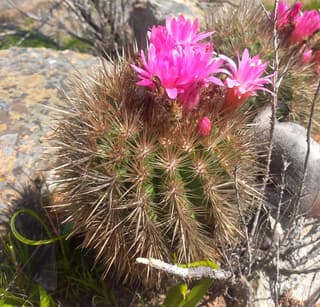
Chilean Pink Cactus
Eriosyce subgibbosa
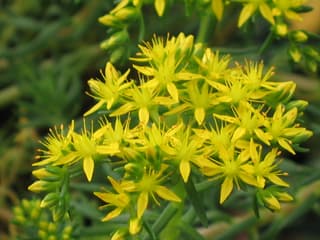
Mexican Stonecrop
Sedum mexicanum
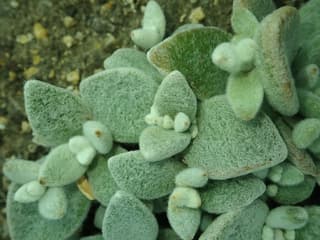
Snow white panda plant
Kalanchoe eriophylla
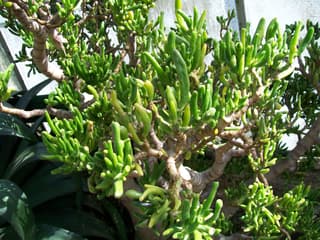
Gollum Jade
Crassula ovata 'Gollum'

Blue Spruce Stonecrop
Sedum reflexum
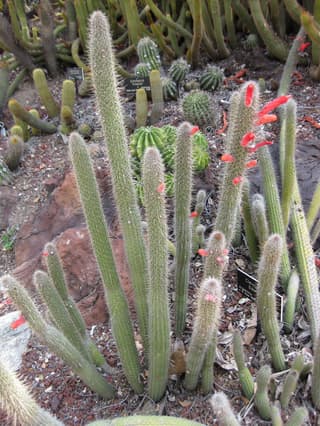
Scarlet Bugler
Cleistocactus baumannii
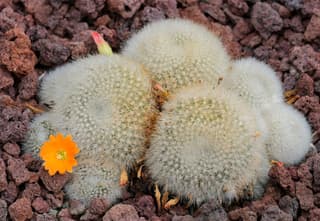
Crown Cactus
Rebutia
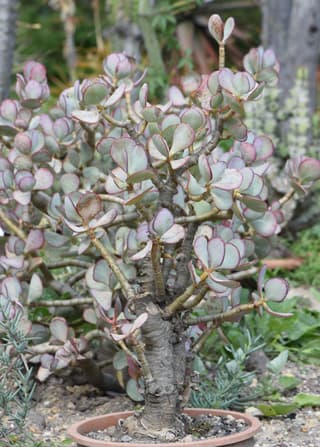
Silver Jade Plant
Crassula arborescens
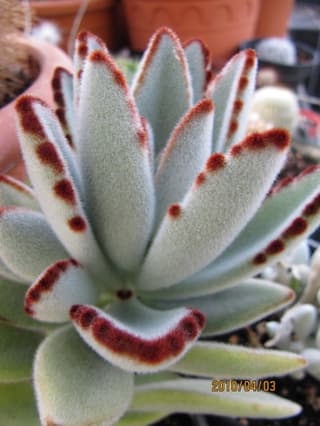
Panda Plant
Kalanchoe tomentosa
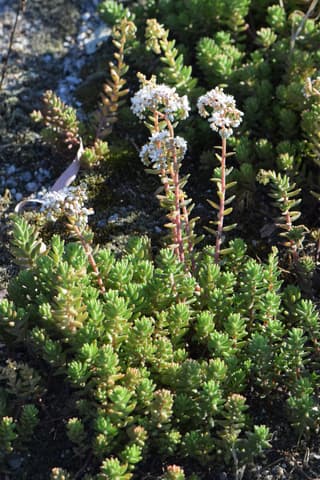
White Stonecrop
Sedum album
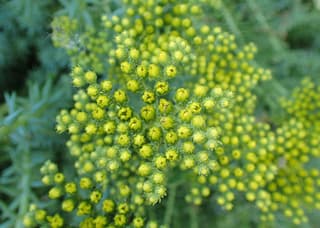
Stonecrop
Petrosedum
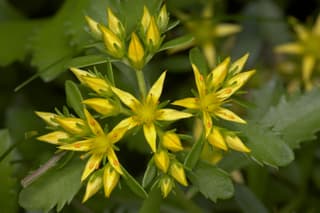
Orange Stonecrop
Sedum kamtschaticum
Ideal Succulents for Tabaporã's Climate
Tabaporã has an average temperature of 25.4°C and humidity of 75%, conditions that directly influence which succulents best adapt to the local environment.
How to Grow Succulents in Tabaporã
To successfully grow succulents in Tabaporã, consider that the average temperature of 25.4°C and humidity of 75% create a specific microclimate. High humidity favors tropical species, but requires attention to ventilation to prevent fungal issues.
Advantages of Choosing Adapted Succulents
Succulents adapted to Tabaporã's climate show greater resistance, healthy growth, and less need for interventions.