376 Best Succulents for Scott | 2026 Guide - Page 5
The 376 best succulents to grow in Scott. Ideal climate: 6.4°C, 76.7% humidity.
376 Succulents for Scott
Showing 145-180 of 376
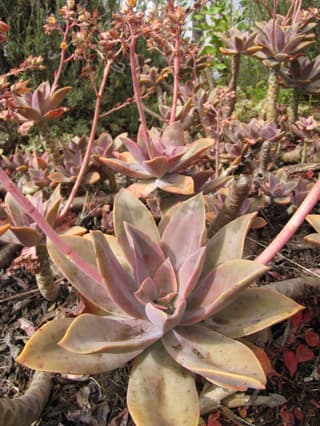
Graptoveria Ellen
Graptoveria 'Ellen'
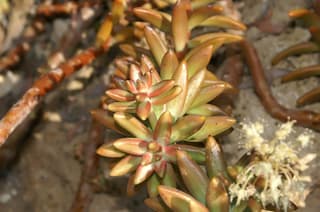
Coppertone Stonecrop
Sedum nussbaumerianum
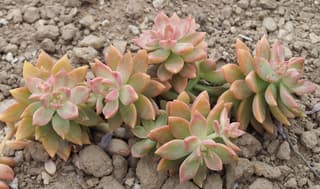
California Sunset
Graptosedum 'California Sunset'

Chilean Corkscrew Cactus
Eulychnia castanea
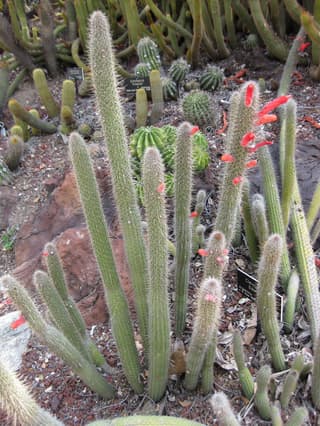
Scarlet Bugler
Cleistocactus baumannii
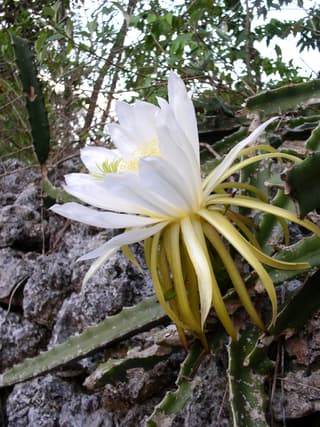
Strawberry Pear
Selenicereus triangularis
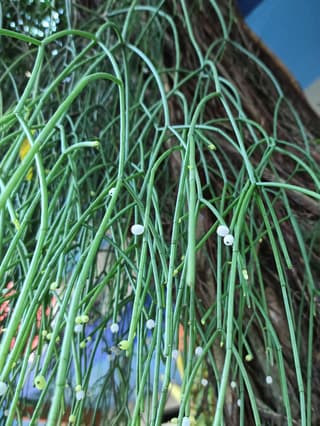
Mistletoe Cactus
Rhipsalis

Chalk Dudleya
Dudleya pulverulenta
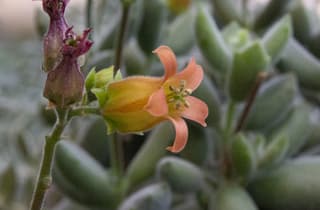
Bear's Paw
Cotyledon tomentosa
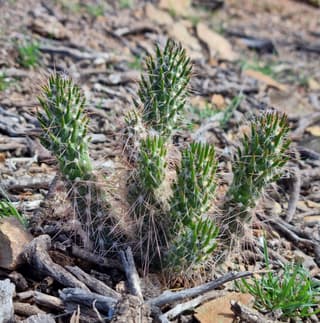
Old Man of the Andes
Austrocylindropuntia vestita
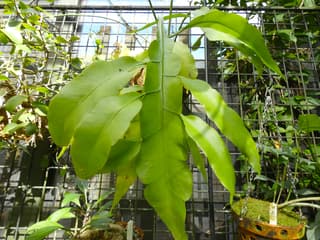
Queen of the Night
Epiphyllum oxypetalum
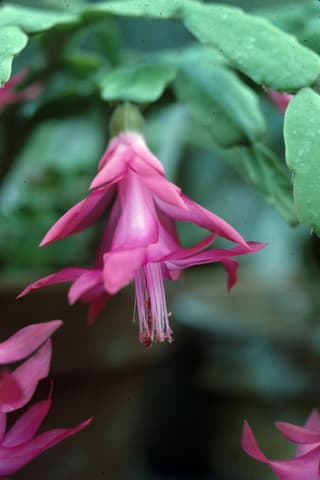
Christmas Cactus
Schlumbergera buckleyi
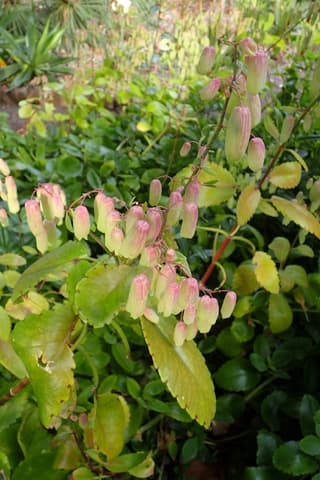
Cathedral Bells
Kalanchoe pinnata
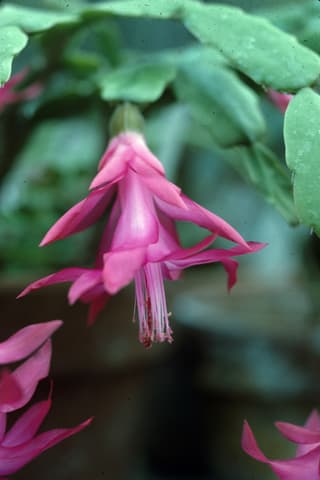
Christmas Cactus
Schlumbergera × buckleyi
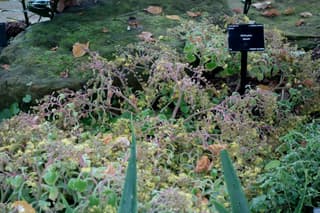
Tree of Love
Aichryson laxum
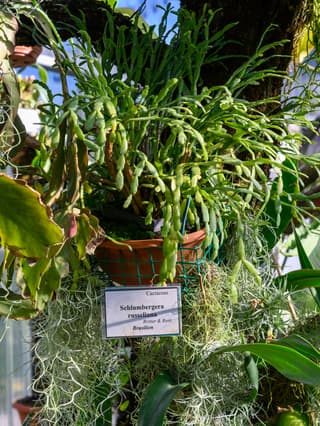
Christmas Cactus
Schlumbergera russelliana
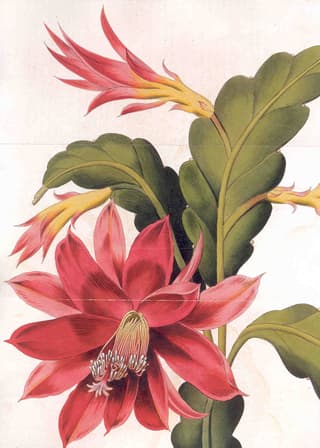
Red Orchid Cactus
Disocactus ackermannii
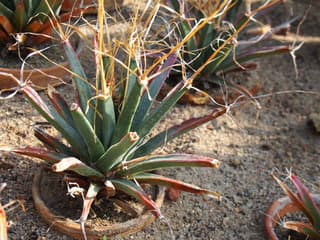
Agave Cactus
Leuchtenbergia principis
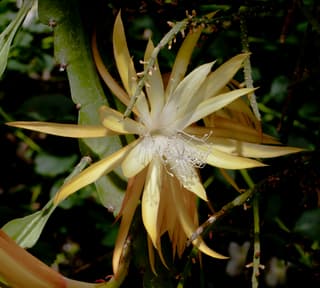
Fishbone cactus
Epiphyllum anguliger
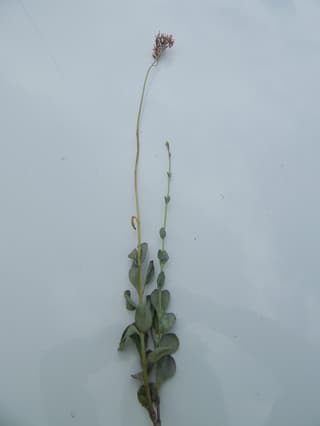
Common Kalanchoe
Kalanchoe rotundifolia
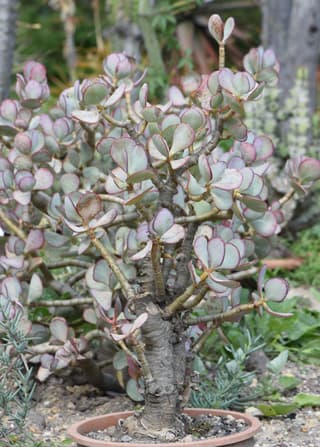
Silver Jade Plant
Crassula arborescens
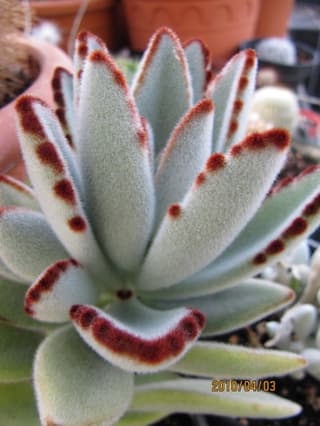
Panda Plant
Kalanchoe tomentosa
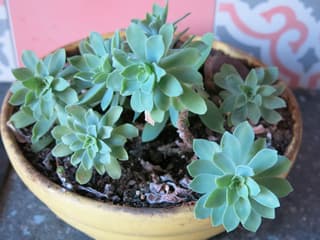
Aeonium
Aeonium
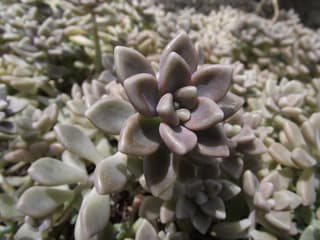
Marbled Succulent
Sedum mendozae
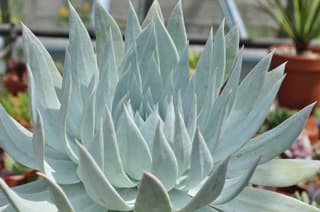
Liveforever
Dudleya
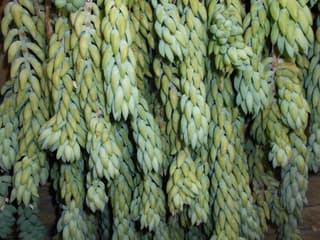
Burro's Tail
Sedum morganianum
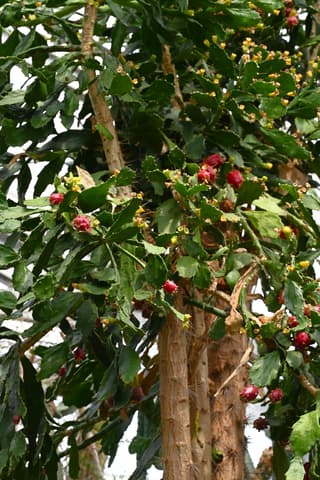
Brazilian Tree Cactus
Brasiliopuntia brasiliensis
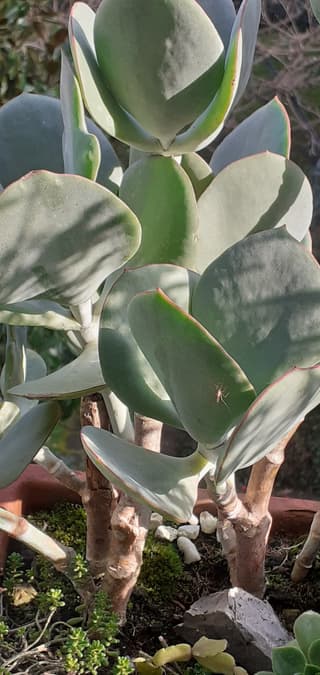
Pig's Ear
Cotyledon orbiculata

Black Echeveria
Echeveria affinis
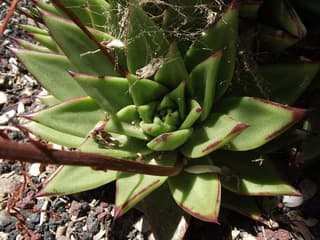
Lipstick Echeveria
Echeveria agavoides
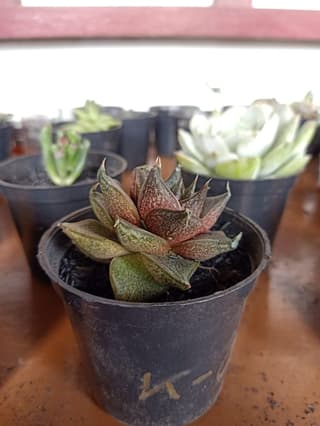
Purpus's Echeveria
Echeveria purpusorum
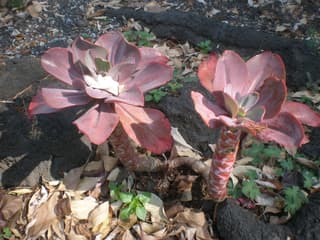
Carnival Echeveria
Echeveria gibbiflora
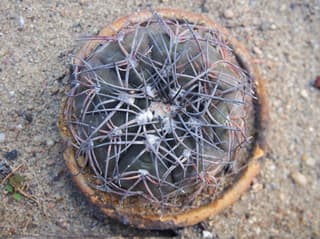
Pflanz's Chin Cactus
Gymnocalycium pflanzii
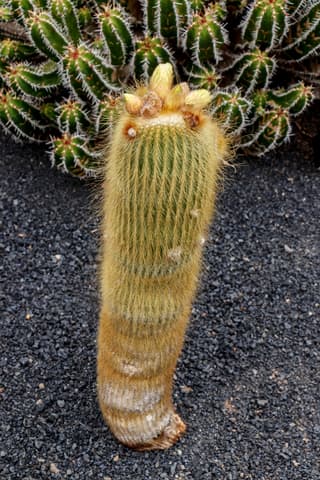
Golden Ball Cactus
Parodia leninghausii
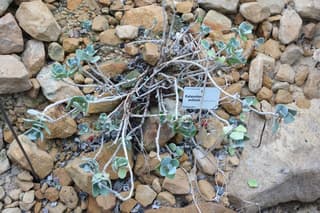
Millot Kalanchoe
Kalanchoe millotii
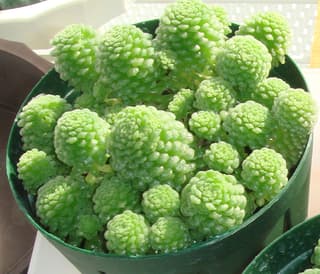
Monanthes polyphylla
Monanthes polyphylla
Ideal Succulents for Scott's Climate
Scott has an average temperature of 6.4°C and humidity of 76.7%, conditions that directly influence which succulents best adapt to the local environment.
How to Grow Succulents in Scott
To successfully grow succulents in Scott, consider that the average temperature of 6.4°C and humidity of 76.7% create a specific microclimate. High humidity favors tropical species, but requires attention to ventilation to prevent fungal issues.
Advantages of Choosing Adapted Succulents
Succulents adapted to Scott's climate show greater resistance, healthy growth, and less need for interventions.