Cactaceae
Red Orchid Cactus: Pet-Safe Plant
Disocactus ackermannii
Grow it like an epiphyte: bright indirect light, an airy well-draining mix, and water only when the top of the mix dries. A cool, drier winter rest triggers the vivid spring blooms.
Every 10 days
Bright indirect
10° - 30°C
50% - 70%
Categories
What is Red Orchid Cactus?
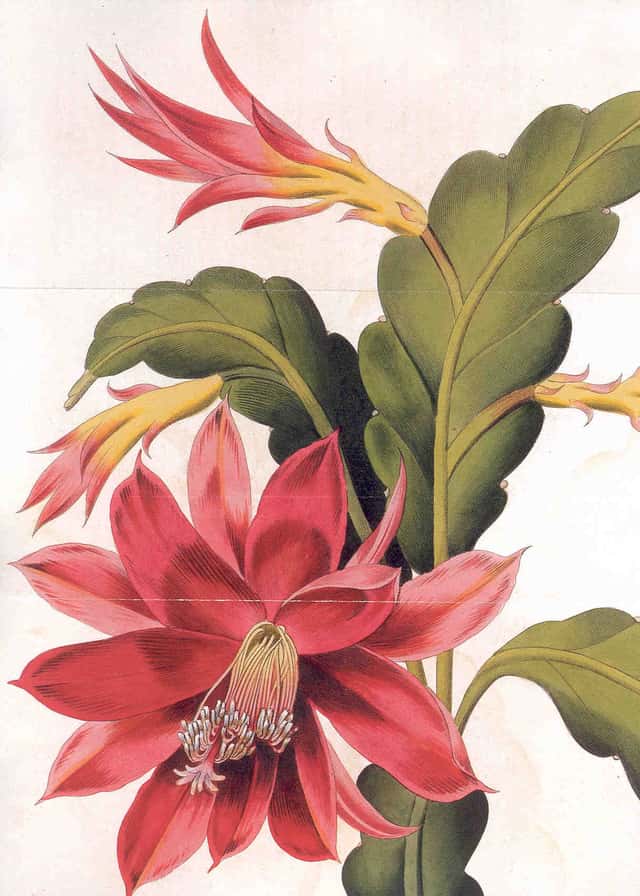
Red Orchid Cactus (Disocactus ackermannii) is a easy-care plant from the Cactaceae family. Disocactus ackermannii is an epiphytic orchid cactus with flattened, arching green stems and spectacular, large scarlet-red flowers with yellow stamens. Native to Mexican rainforests, it grows on trees rather than in soil and is a favorite for hanging baskets.
Red Orchid Cactus grows up to 60cm, spread of 60cm, watering every 10 days, 10°C – 30°C, 50–70% humidity. It is suitable for indoor environments and safe for pets.
Unlike many tropical plants, Red Orchid Cactus tolerates watering mistakes. Best for beginners. Unlike many popular species, Red Orchid Cactus is safe to keep around pets. Without adequate drainage, root rot can develop within 20 days.
How to Care for Red Orchid Cactus?
TLDR: Red Orchid Cactus needs Bright indirect, watering every 10 days, and temperatures between 10-30°C with 50-70% humidity.
How Often Should You Water Red Orchid Cactus?
Water thoroughly when the top few centimeters dry out, then let it drain fully; keep much drier in winter to encourage flowering.
How Much Light Does Red Orchid Cactus Need?
Give bright, filtered light but shield it from more than an hour or two of hot direct sun, which scorches the stems.
What Is the Best Soil for Red Orchid Cactus?
Use a loose, fast-draining epiphytic cactus or orchid mix in a basket or pot with ample drainage.
What Pot Should You Use for Red Orchid Cactus?
A hanging basket or wide, well-drained pot suits its arching, pendant stems.
Care Schedule
Fertilize
Every 30 days
Repot
Every 730 days
What Is Red Orchid Cactus and Where Does It Come From?
Disocactus ackermannii is an epiphytic orchid cactus with flattened, arching green stems and spectacular, large scarlet-red flowers with yellow stamens. Native to Mexican rainforests, it grows on trees rather than in soil and is a favorite for hanging baskets.
How to Propagate Red Orchid Cactus?
Segment Cuttings
- Let the cut callus before planting.
- Do not water for a few days after potting.
- 1 Cut
Remove a healthy stem segment 15 to 30 cm long.
- 2 Callus
Let the cut end dry and callus for several days in a shaded spot.
- 3 Plant
Insert the calloused end into a barely moist, free-draining cactus mix until roots form.
Materials needed:
Seed Sowing
- Keep warm and humid.
- Seedlings grow slowly.
- 1 Sow
Surface-sow fresh seed on a fine, moist cactus mix.
- 2 Germinate
Cover to hold humidity and keep warm in bright indirect light until seedlings appear.
Materials needed:
How Big Does Red Orchid Cactus Grow?
TLDR: Red Orchid Cactus can reach up to 60cm tall with Medium growth rate.
Max height
60cm
Spread
60cm
Growth rate
Medium
Foliage
Evergreen
Plant Uses
Ornamental
Great for decoration
Is your plant showing symptoms?
Click on the symptom to discover possible causes:
What Diseases Commonly Affect Red Orchid Cactus?
TLDR: Red Orchid Cactus is susceptible to 5 known diseases. Monitor regularly for early detection.
Root Rot
Root rot is a serious fungal disease that affects the root system of plants, causing them to decay and die. It is primarily caused by overwatering, poor drainage, or soil-borne fungi such as Pythium, Phytophthora, Rhizoctonia, and Fusarium. The disease thrives in waterlogged conditions where roots are deprived of oxygen, making them susceptible to fungal infection.
Overwatering
Overwatering occurs when plants receive too much water, depriving roots of oxygen and causing root rot. This environmental stress is one of the most common causes of houseplant death, as waterlogged soil prevents roots from breathing and functioning properly.
Mealybugs
Mealybugs are small, soft-bodied insects covered with a white, waxy, cottony material. They are common pests of houseplants and outdoor plants in mild climates. These sap-sucking insects feed on plant tissue, causing damage, stunted growth, and can lead to plant death if left untreated. They produce sticky honeydew which attracts sooty mold.
Scale Insects
Scale insects are small sap-sucking pests that appear as brown, shell-like bumps on plant stems and leaves. There are over 25 species, divided into armored (hard) and unarmored (soft) scales. They feed by piercing plant tissue and extracting sap, which weakens the plant and can lead to yellowing, stunted growth, and even death if left untreated. They also excrete honeydew, which attracts ants and promotes sooty mold growth.
Meaning & Symbolism
Its brilliant, short-lived blooms symbolize passion and beauty that rewards patience.
Compare with similar plants
| Attribute | Difficulty | Light | Watering | Pet Safe |
|---|---|---|---|---|
| Field Maple | Easy | Bright indirect | 14d | ✓ |
| Silver Birch | Easy | Direct sun | 14d | ✓ |
| Common Blanketflower | Easy | Direct sun | 10d | ✓ |
| Cushion Bush | Easy | Direct sun | 14d | ✓ |





