371 Best Succulents for New Castle County | 2026 Guide - Page 6
The 371 best succulents to grow in New Castle County. Ideal climate: 14.2°C, 69.1% humidity.
371 Succulents for New Castle County
Showing 181-216 of 371
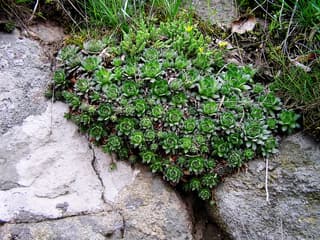
Russian Houseleek
Sempervivum ruthenicum
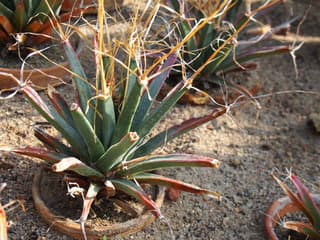
Agave Cactus
Leuchtenbergia principis
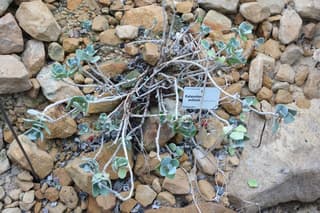
Millot Kalanchoe
Kalanchoe millotii

Chilean Corkscrew Cactus
Eulychnia castanea

Corsican Stonecrop
Sedum dasyphyllum
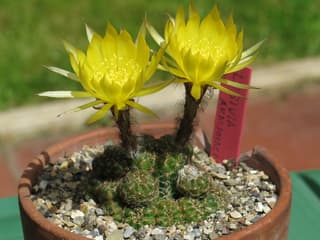
Spider Cactus
Lobivia arachnacantha
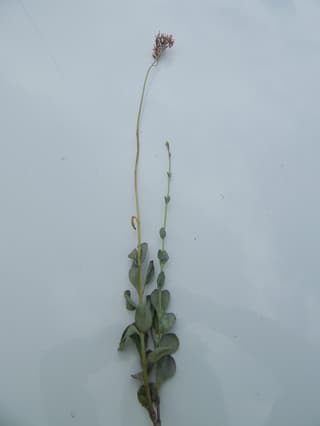
Common Kalanchoe
Kalanchoe rotundifolia
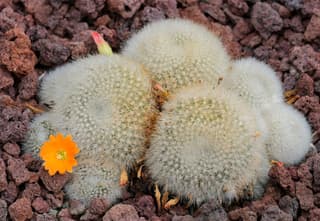
Crown Cactus
Rebutia
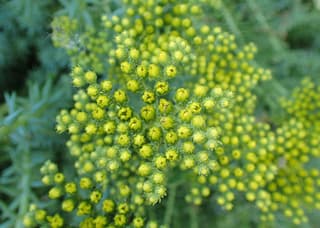
Stonecrop
Petrosedum
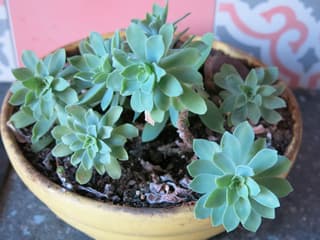
Aeonium
Aeonium
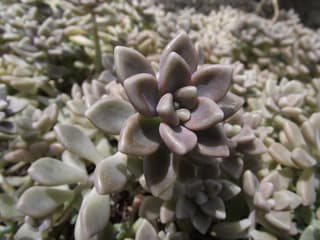
Marbled Succulent
Sedum mendozae

Chalk Dudleya
Dudleya pulverulenta
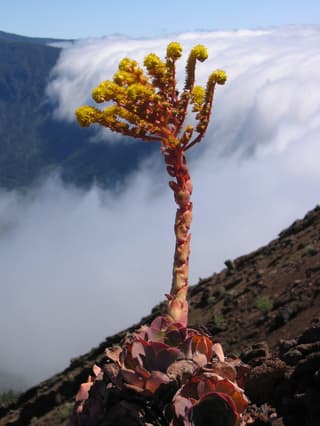
Canary Island Rose
Aeonium aureum
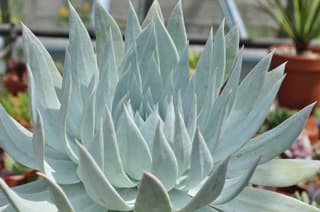
Liveforever
Dudleya
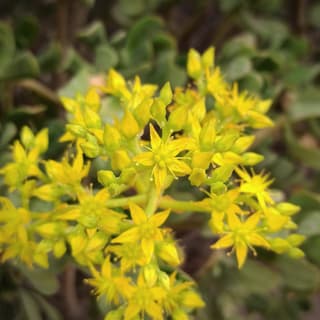
Tree Stonecrop
Sedum dendroideum
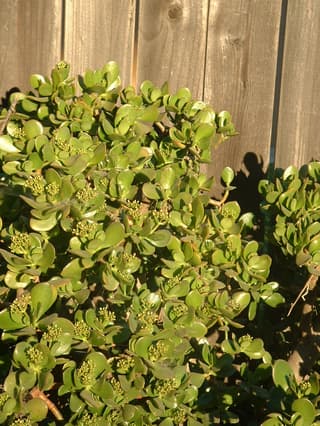
Jade Plant
Crassula ovata
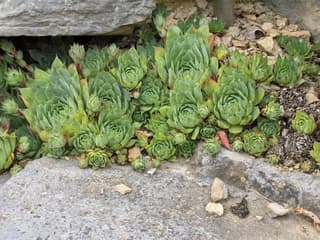
Common Houseleek
Sempervivum tectorum
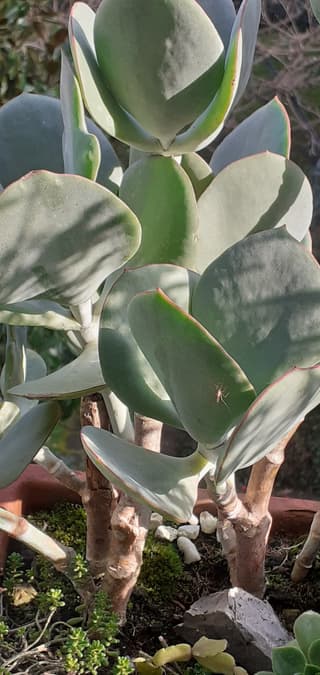
Pig's Ear
Cotyledon orbiculata
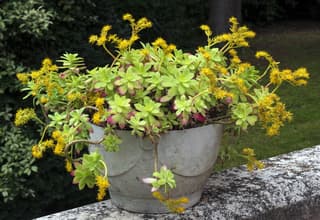
Pacific Stonecrop
Sedum spathulifolium
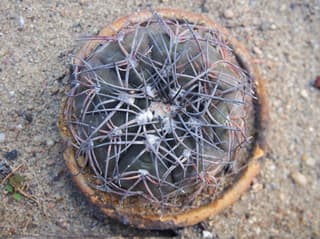
Pflanz's Chin Cactus
Gymnocalycium pflanzii
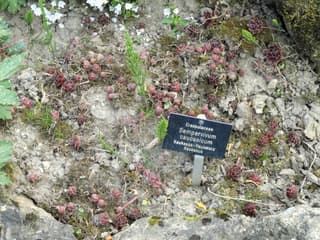
Caucasian Houseleek
Sempervivum caucasicum
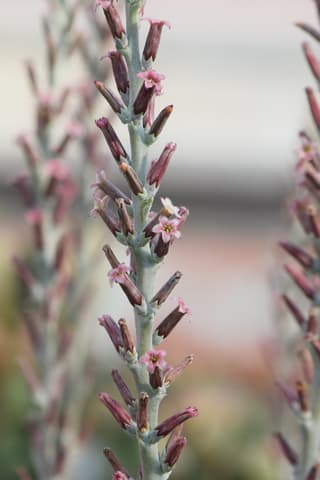
Plover Eggs Plant
Adromischus cooperi
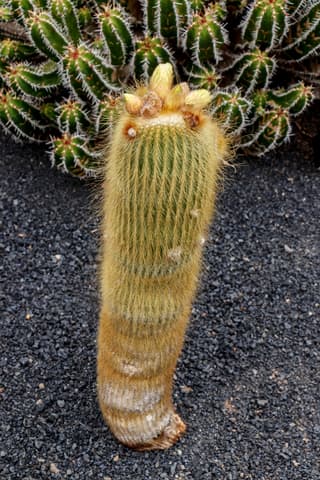
Golden Ball Cactus
Parodia leninghausii
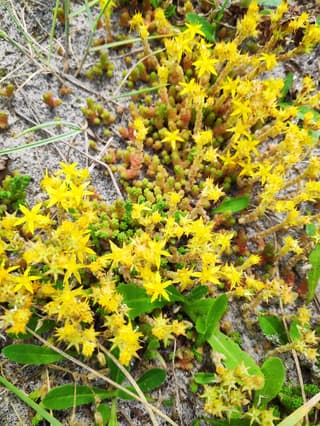
Goldmoss stonecrop
Sedum acre
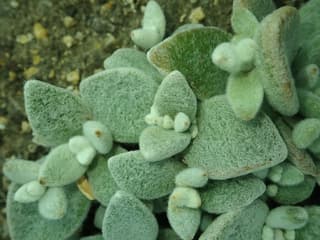
Snow white panda plant
Kalanchoe eriophylla
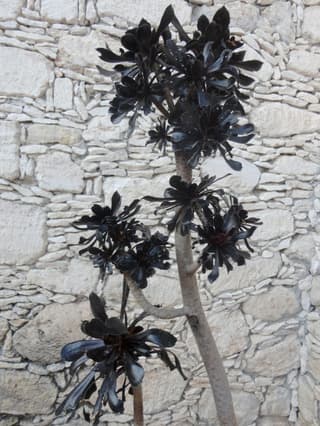
Black Rose
Aeonium 'Zwartkop'

Sim's Aeonium
Aeonium simsii

Giant Velvet Rose
Aeonium canariense
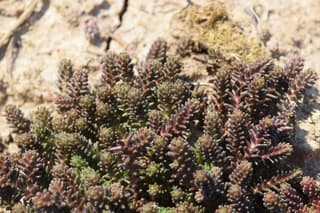
tasteless stonecrop
Sedum sexangulare
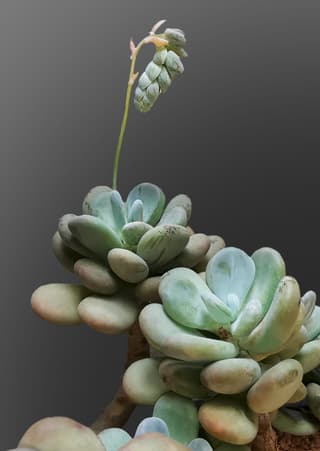
Moonstones
Pachyphytum
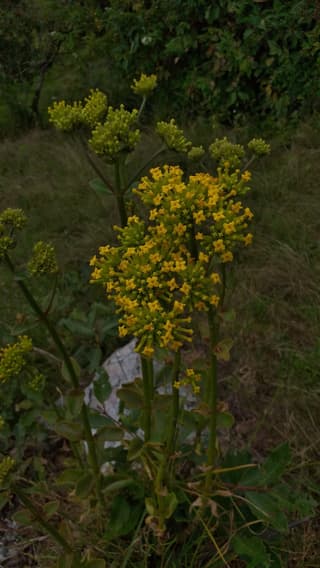
Dense-flowered Kalanchoe
Kalanchoe densiflora
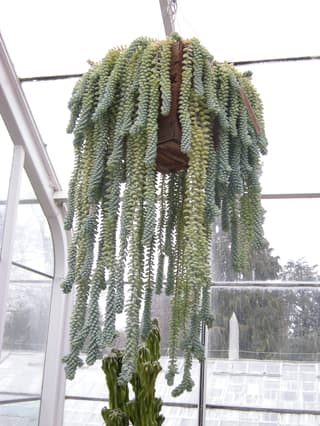
Baby Donkey Tail
Sedum burrito
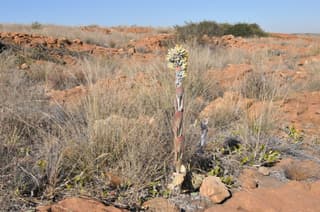
Paddle Plant
Kalanchoe thyrsiflora
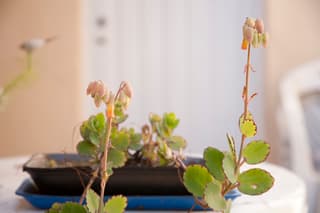
Lavender Scallops
Kalanchoe fedtschenkoi
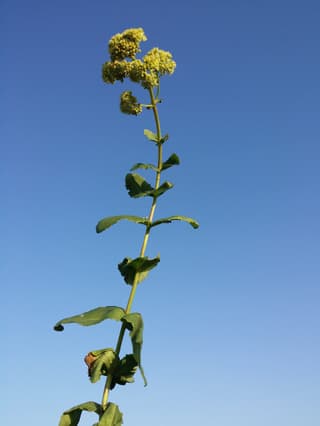
Great Stonecrop
Hylotelephium maximum
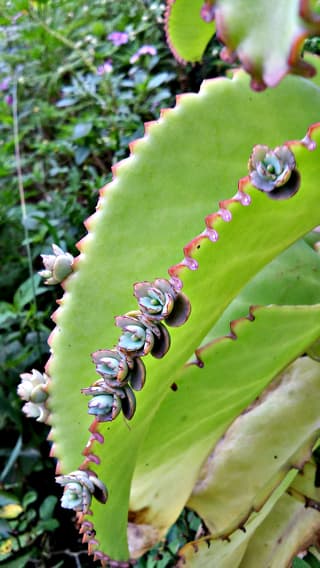
Big Mama Kalanchoe
Kalanchoe laetivirens
Ideal Succulents for New Castle County's Climate
New Castle County has an average temperature of 14.2°C and humidity of 69.1%, conditions that directly influence which succulents best adapt to the local environment.
How to Grow Succulents in New Castle County
To successfully grow succulents in New Castle County, consider that the average temperature of 14.2°C and humidity of 69.1% create a specific microclimate. Moderate humidity is favorable for most species in this category.
Advantages of Choosing Adapted Succulents
Succulents adapted to New Castle County's climate show greater resistance, healthy growth, and less need for interventions.