366 Best Succulents for Lins | 2026 Guide - Page 6
The 366 best succulents to grow in Lins. Ideal climate: 23.5°C, 69.7% humidity.
366 Succulents for Lins
Showing 181-216 of 366
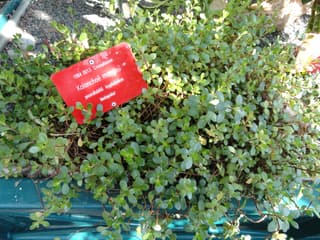
Chandelier Plant
Kalanchoe manginii
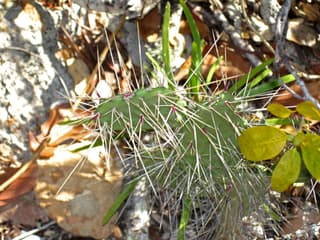
Sweet Prickly Pear
Opuntia dillenii
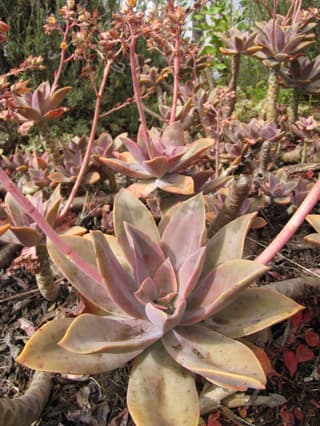
Graptoveria Ellen
Graptoveria 'Ellen'
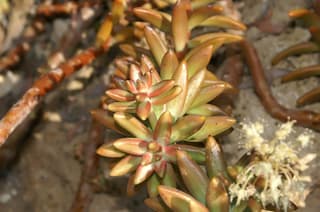
Coppertone Stonecrop
Sedum nussbaumerianum
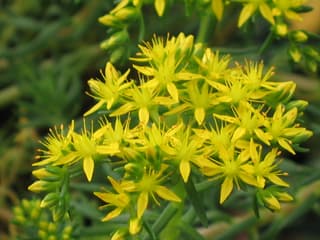
Mexican Stonecrop
Sedum mexicanum
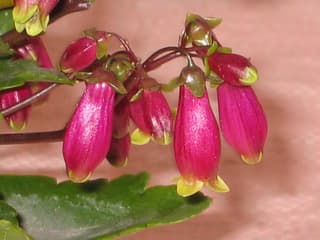
Pearl Bells
Kalanchoe porphyrocalyx
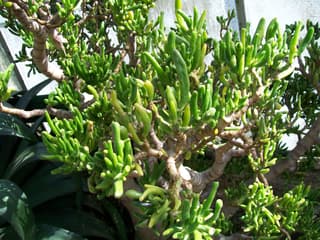
Gollum Jade
Crassula ovata 'Gollum'
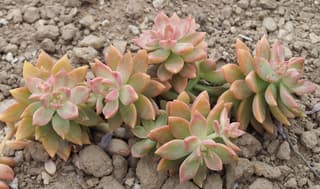
California Sunset
Graptosedum 'California Sunset'

Chilean Corkscrew Cactus
Eulychnia castanea
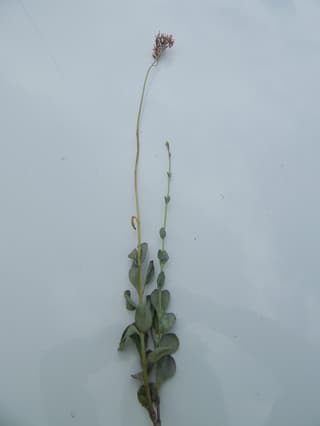
Common Kalanchoe
Kalanchoe rotundifolia
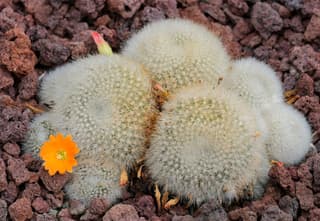
Crown Cactus
Rebutia
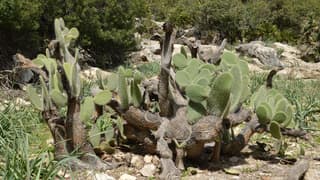
Aaron's Beard Cactus
Opuntia leucotricha
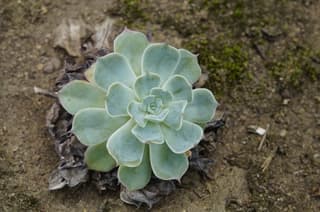
Blue Echeveria
Echeveria secunda
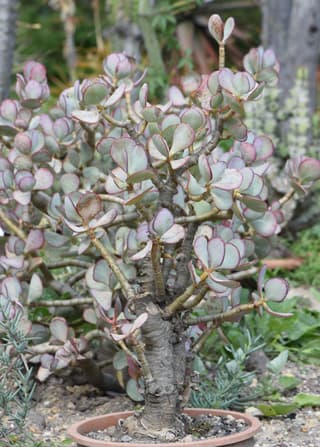
Silver Jade Plant
Crassula arborescens
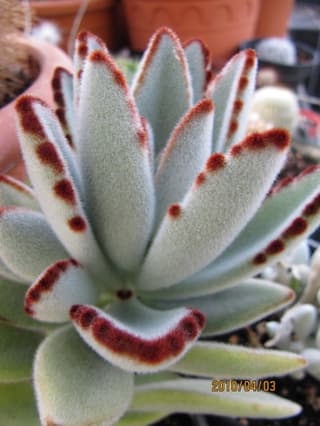
Panda Plant
Kalanchoe tomentosa
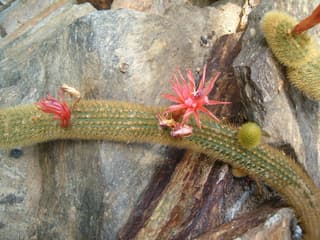
Golden Rat-tail Cactus
Cleistocactus winteri
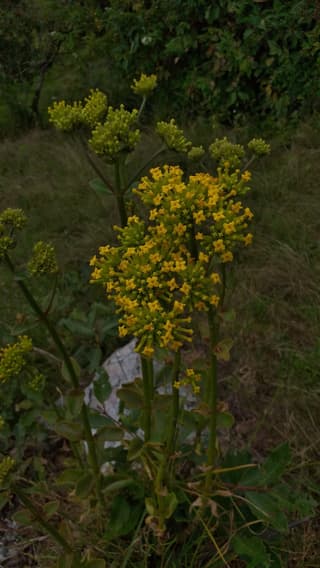
Dense-flowered Kalanchoe
Kalanchoe densiflora
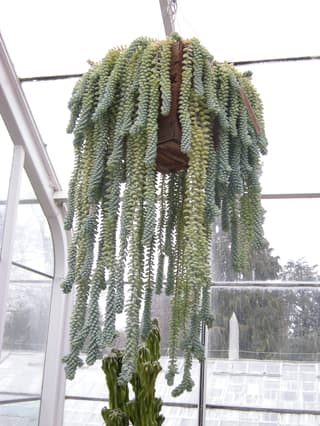
Baby Donkey Tail
Sedum burrito
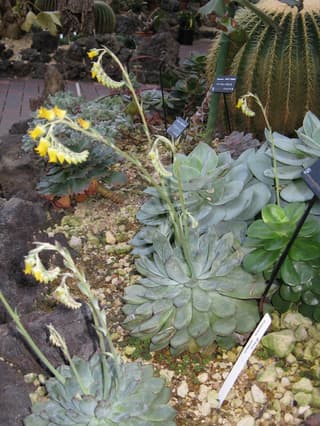
Pulido's Echeveria
Echeveria pulidonis
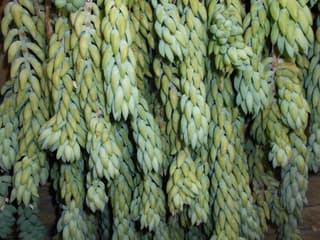
Burro's Tail
Sedum morganianum
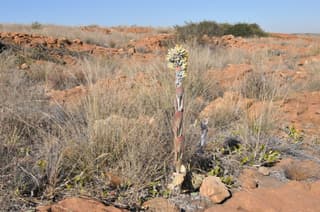
Paddle Plant
Kalanchoe thyrsiflora
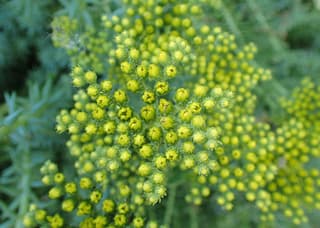
Blue Stonecrop
Petrosedum rupestre
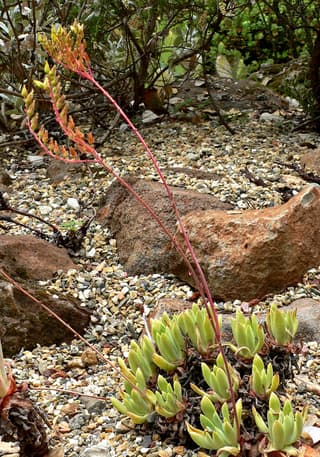
Greene's Liveforever
Dudleya greenei
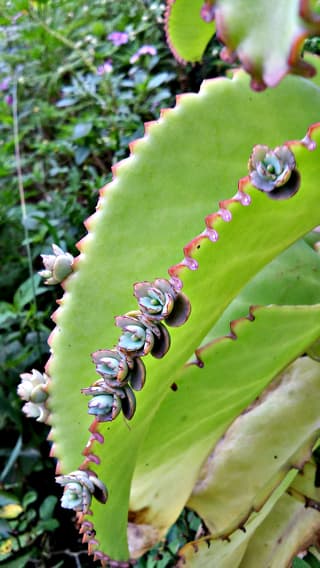
Big Mama Kalanchoe
Kalanchoe laetivirens
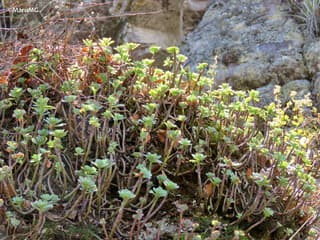
Palmer's Sedum
Sedum palmeri
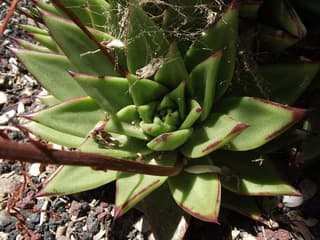
Lipstick Echeveria
Echeveria agavoides
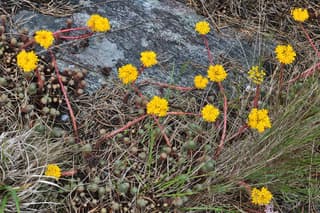
Rock Stonecrop
Petrosedum forsterianum
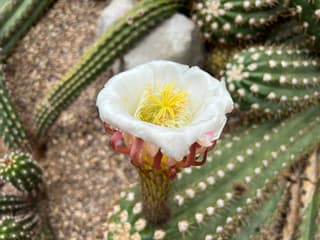
Argentine White Torch Cactus
Soehrensia candicans
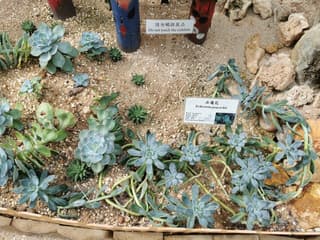
Peacock Echeveria
Echeveria peacockii
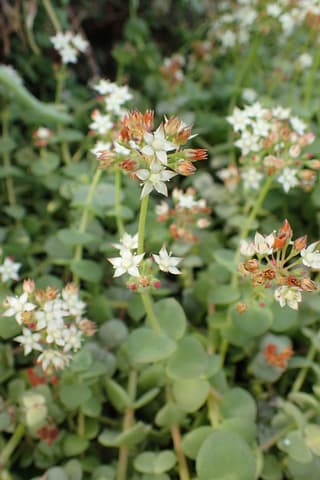
Calico Kitten
Crassula pellucida
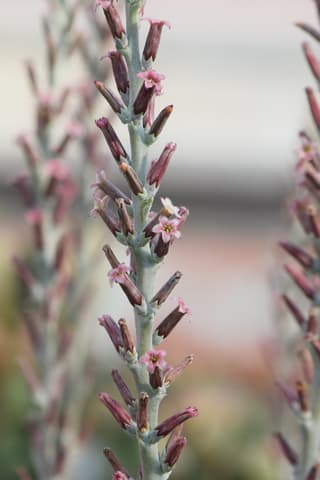
Plover Eggs Plant
Adromischus cooperi
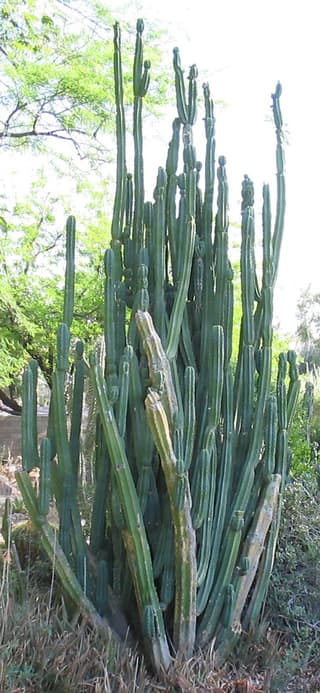
San Pedro Cactus
Trichocereus pachanoi
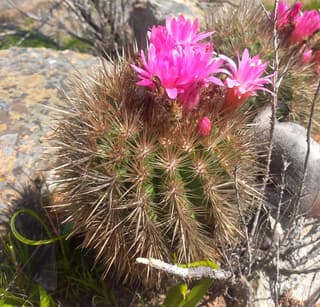
Chilean Pink Cactus
Eriosyce subgibbosa
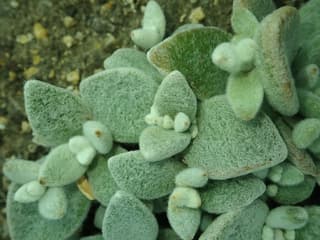
Snow white panda plant
Kalanchoe eriophylla
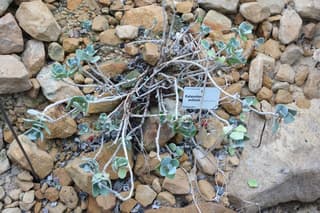
Millot Kalanchoe
Kalanchoe millotii
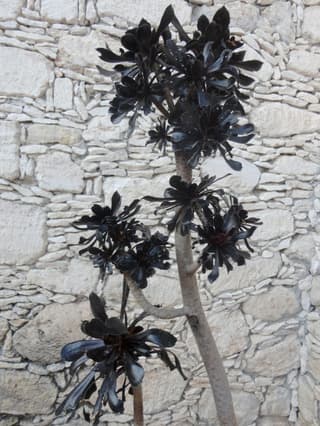
Black Rose
Aeonium 'Zwartkop'
Ideal Succulents for Lins's Climate
Lins has an average temperature of 23.5°C and humidity of 69.7%, conditions that directly influence which succulents best adapt to the local environment.
How to Grow Succulents in Lins
To successfully grow succulents in Lins, consider that the average temperature of 23.5°C and humidity of 69.7% create a specific microclimate. Moderate humidity is favorable for most species in this category.
Advantages of Choosing Adapted Succulents
Succulents adapted to Lins's climate show greater resistance, healthy growth, and less need for interventions.