Bloom
🌿

500 Best Pet Safe for Caxias do Sul | 2026 Guide - Page 8

The 500 best pet safe to grow in Caxias do Sul. Ideal climate: 16.9°C, 81.9% humidity.

🌡️ 16.9°C
💧 81.9%

500 Pet Safe for Caxias do Sul

Showing 253-288 of 500
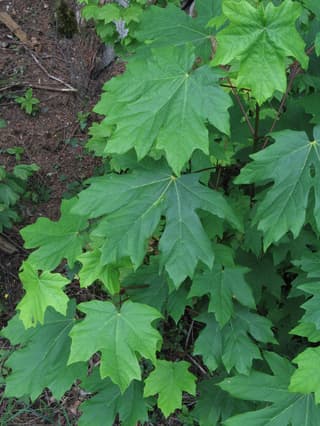
Bigleaf maple
253
★ 86%

Bigleaf maple

Acer macrophyllum

Medium 💧 7 days 🌡️ -18°C - 35°C
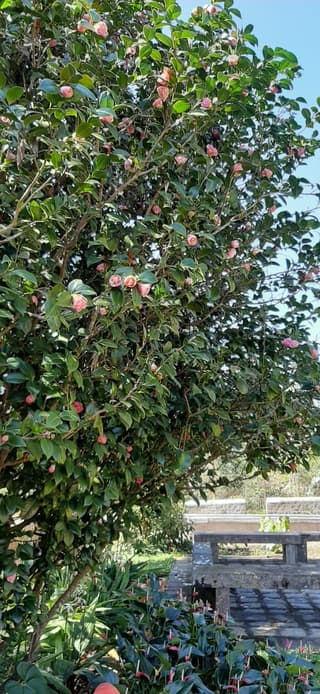
Sasanqua Camellia
254
★ 86%

Sasanqua Camellia

Camellia sasanqua

Medium 💧 7 days 🌡️ -12°C - 35°C
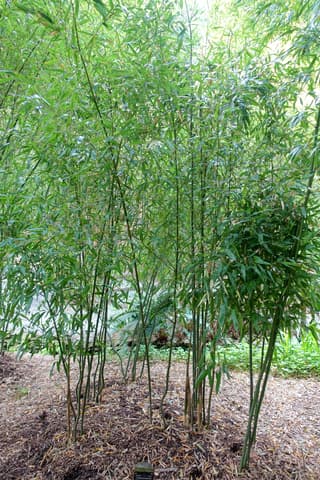
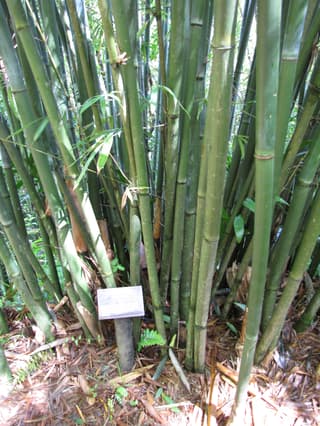
Yellow Groove Bamboo
255
★ 86%

Yellow Groove Bamboo

Phyllostachys aureosulcata
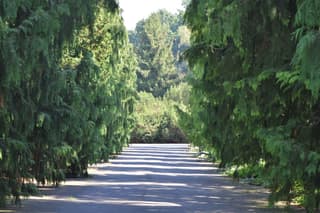
Medium 💧 7 days 🌡️ -20°C - 38°C
Lawson's Cypress
256
★ 86%

Lawson's Cypress

Chamaecyparis lawsoniana
Medium 💧 10 days 🌡️ -18°C - 35°C
Wild Angelica
257
★ 86%

Wild Angelica

Angelica sylvestris

Medium 💧 7 days 🌡️ -20°C - 35°C
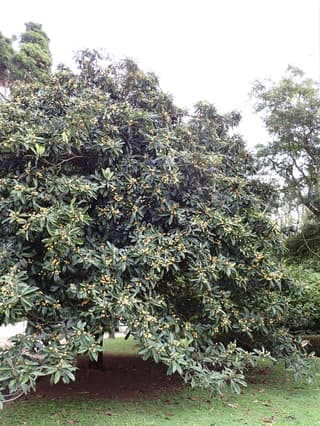
Loquat
258
★ 86%

Loquat

Rhaphiolepis bibas

Easy 💧 10 days 🌡️ -12°C - 35°C
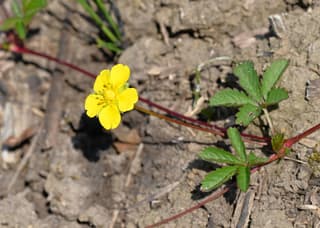
Creeping Cinquefoil
259
★ 86%

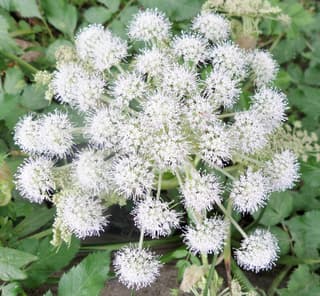
Creeping Cinquefoil

Potentilla reptans
Easy 💧 7 days 🌡️ -15°C - 35°C
Umbrella Sedge
260
★ 86%

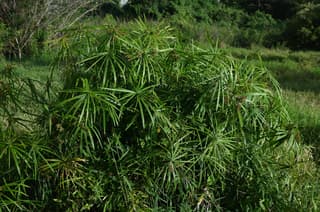
Umbrella Sedge

Cyperus

Easy 💧 2 days 🌡️ 10°C - 29°C
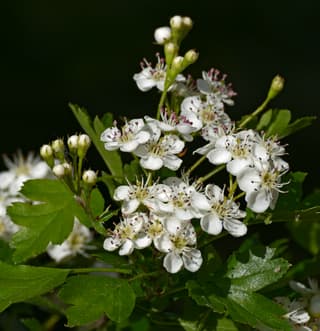
Common Hawthorn
261
★ 86%

Common Hawthorn

Crataegus monogyna

Easy 💧 7 days 🌡️ -15°C - 35°C
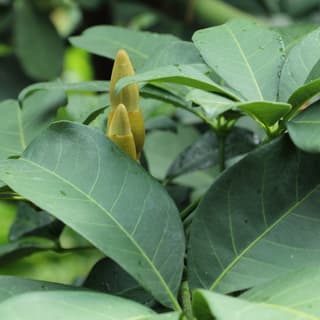
Money Tree
262
★ 86%

Money Tree

Pachira aquatica

Easy 💧 7 days 🌡️ 12°C - 25°C
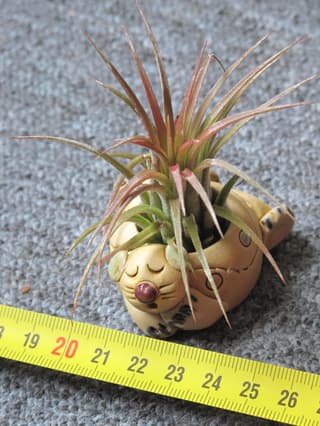
Sky Plant
263
★ 86%

Sky Plant

Tillandsia ionantha

Easy 💧 3 days 🌡️ 10°C - 30°C
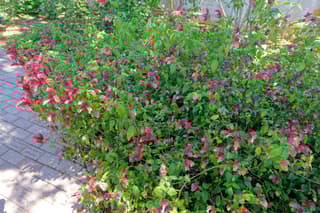
Shrimp Plant
264
★ 86%

Shrimp Plant

Justicia brandegeeana

Easy 💧 5 days 🌡️ 10°C - 29°C
Slender Weavers Bamboo
265
★ 86%

Slender Weavers Bamboo

Bambusa textilis gracili
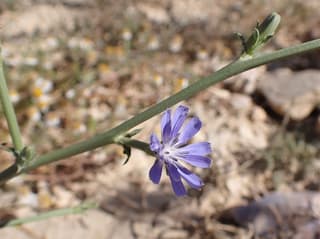
Easy 💧 3 days 🌡️ 5°C - 38°C
Endive
266
★ 86%

Endive

Cichorium endivia

Easy 💧 3 days 🌡️ 5°C - 24°C
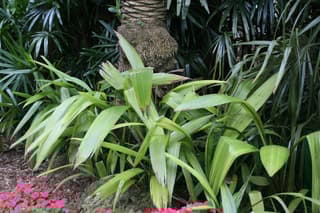
Palm Grass
267
★ 86%

Palm Grass

Curculigo capitulata

Easy 💧 7 days 🌡️ 10°C - 28°C
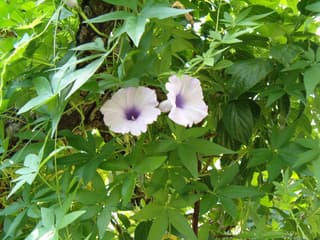
Mile-a-minute vine
268
★ 86%

Mile-a-minute vine

Ipomoea cairica

Easy 💧 7 days 🌡️ 5°C - 38°C
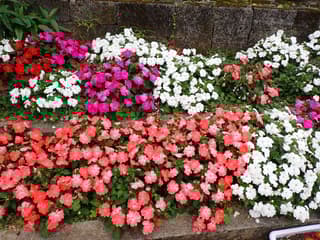
New Guinea Impatiens
269
★ 86%

New Guinea Impatiens

Impatiens hawkeri
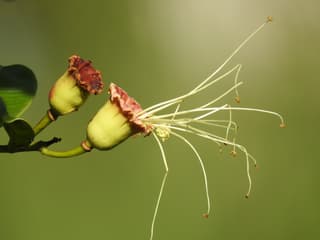
Easy 💧 2 days 🌡️ 10°C - 29°C
Thimble Tree
270
★ 86%

Thimble Tree

Lafoensia pacari

Medium 💧 14 days 🌡️ 5°C - 38°C
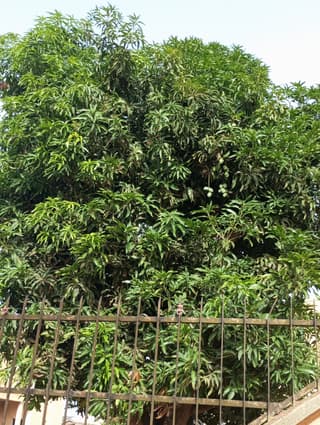
Mango Tree
271
★ 86%

Mango Tree

Mangifera indica

Medium 💧 10 days 🌡️ -1°C - 48°C
Creeping bentgrass
272
★ 85%

Creeping bentgrass

Agrostis stolonifera
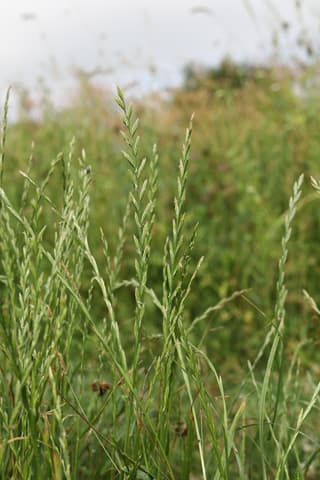
Hard 💧 3 days 🌡️ -20°C - 30°C
Perennial ryegrass
273
★ 85%

Perennial ryegrass

Lolium perenne

Easy 💧 3 days 🌡️ -28°C - 35°C
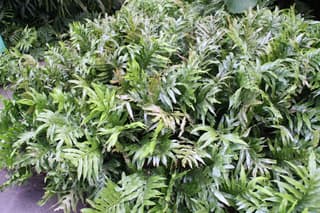
Wart Fern
274
★ 85%

Wart Fern

Phymatosorus scolopendria

Easy 💧 4 days 🌡️ 13°C - 27°C
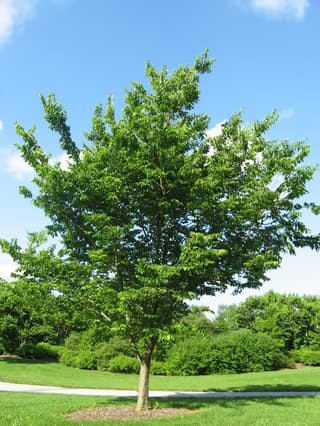
Common hackberry
275
★ 85%

Common hackberry

Celtis occidentalis

Easy 💧 14 days 🌡️ -40°C - 38°C
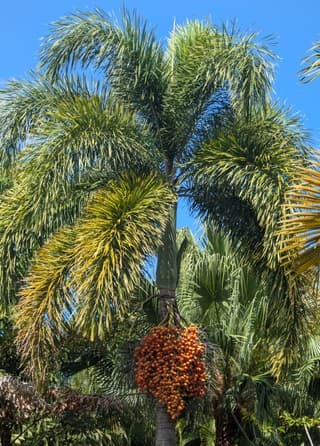
foxtail palm
276
★ 85%

foxtail palm

Wodyetia

Medium 💧 7 days 🌡️ 10°C - 35°C
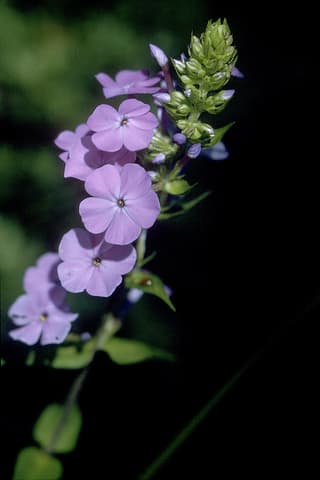
Wild Sweet William
277
★ 85%

Wild Sweet William

Phlox maculata

Easy 💧 7 days 🌡️ -29°C - 35°C
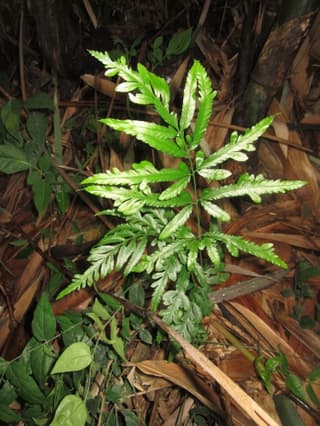
Silver Lace Fern
278
★ 85%

Silver Lace Fern

Pteris ensiformis

Medium 💧 4 days 🌡️ 13°C - 27°C
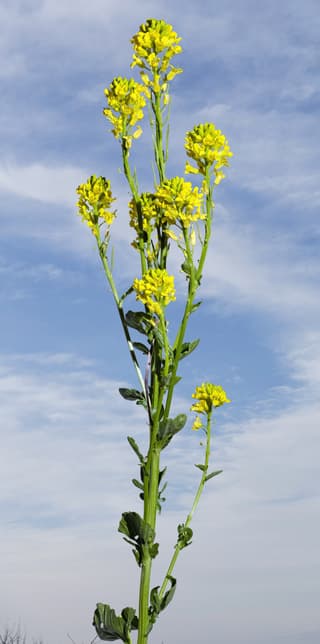
Wintercress
279
★ 85%

Wintercress

Barbarea vulgaris

Easy 💧 7 days 🌡️ -20°C - 30°C
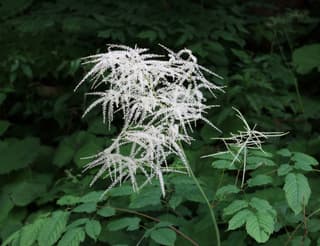
Goat's Beard
280
★ 85%

Goat's Beard

Aruncus dioicus

Easy 💧 7 days 🌡️ -29°C - 35°C
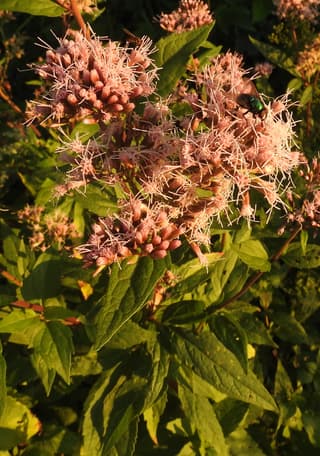
Boneset
281
★ 85%

Boneset

Eupatorium

Easy 💧 5 days 🌡️ -15°C - 30°C
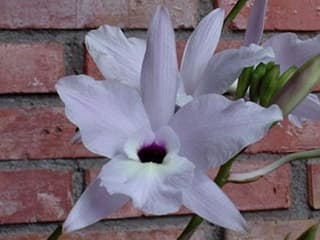
Rosy Tinted Laelia
282
★ 85%

Rosy Tinted Laelia

Laelia rubescens

Medium 💧 7 days 🌡️ 9°C - 32°C
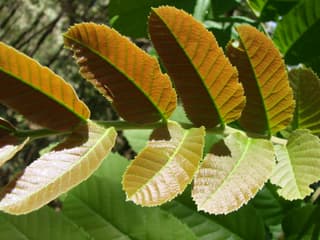
Camboata Tree
283
★ 85%

Camboata Tree

Cupania

Medium 💧 10 days 🌡️ 10°C - 32°C
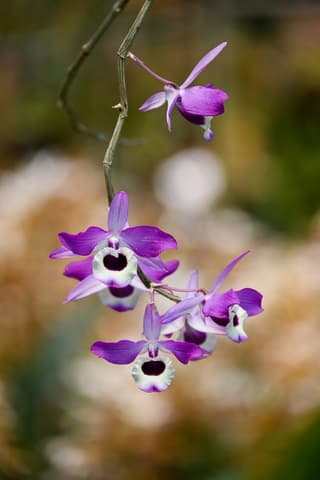
Dendrobium Orchid (genus)
284
★ 85%

Dendrobium Orchid (genus)

Dendrobium

Medium 💧 7 days 🌡️ 10°C - 35°C
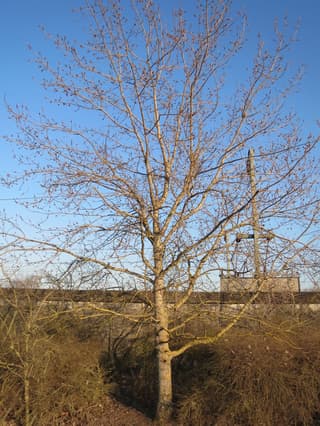
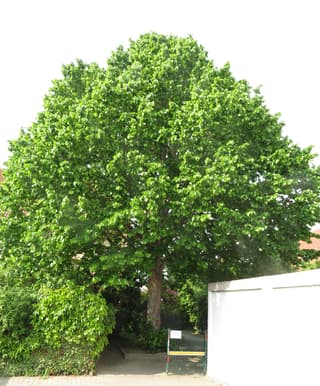
Poplar
285
★ 85%

Poplar

Populus

Easy 💧 7 days 🌡️ -40°C - 38°C
Common Hazel
286
★ 85%

Common Hazel

Corylus avellana

Easy 💧 10 days 🌡️ -34°C - 38°C
Mexican Cypress
287
★ 85%

Mexican Cypress

Cupressus lusitanica

Easy 💧 14 days 🌡️ 12°C - 30°C
Dawn Redwood
288
★ 85%

Dawn Redwood

Metasequoia glyptostroboides

Easy 💧 7 days 🌡️ -30°C - 35°C

Ideal Pet Safe for Caxias do Sul's Climate

Caxias do Sul has an average temperature of 16.9°C and humidity of 81.9%, conditions that directly influence which pet safe best adapt to the local environment.

How to Grow Pet Safe in Caxias do Sul

To successfully grow pet safe in Caxias do Sul, consider that the average temperature of 16.9°C and humidity of 81.9% create a specific microclimate. High humidity favors tropical species, but requires attention to ventilation to prevent fungal issues.

Advantages of Choosing Adapted Pet Safe

Pet Safe adapted to Caxias do Sul's climate show greater resistance, healthy growth, and less need for interventions.