500 Best Pet Safe for Caxias do Sul | 2026 Guide - Page 7
The 500 best pet safe to grow in Caxias do Sul. Ideal climate: 16.9°C, 81.9% humidity.
500 Pet Safe for Caxias do Sul
Showing 217-252 of 500
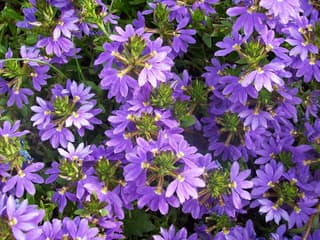
Fan Flower
Scaevola
Mangrove
Rhizophora
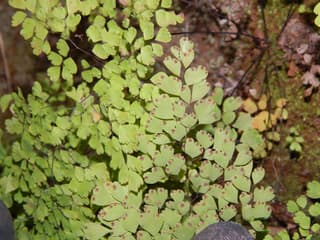
Delta Maidenhair Fern
Adiantum raddianum

Capirona
Calycophyllum spruceanum
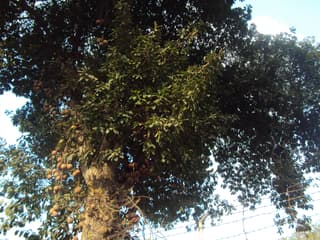
Cannonball Tree
Couroupita guianensis
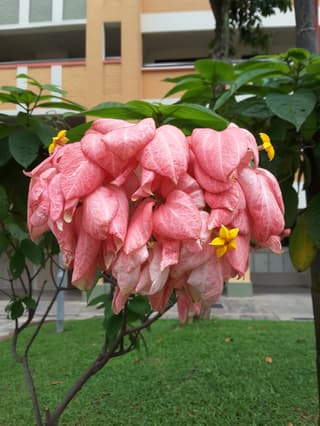
Dona Alicia Mussaenda
Mussaenda alicia
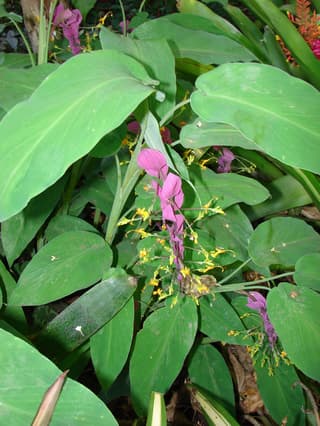
Dancing Lady Ginger
Globba winitii
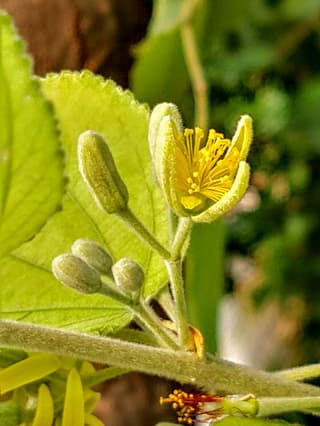
Phalsa
Grewia asiatica
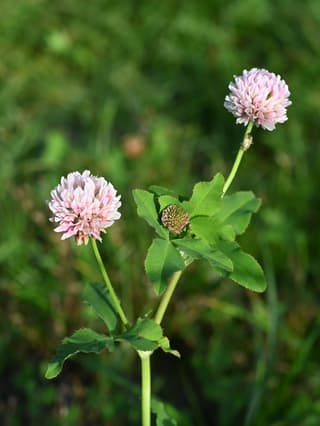
Alsike Clover
Trifolium hybridum
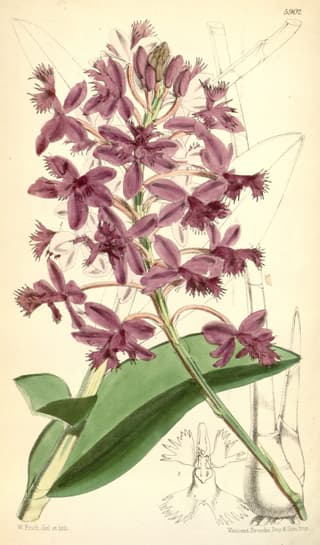
Jamieson's Epidendrum
Epidendrum jamiesonis
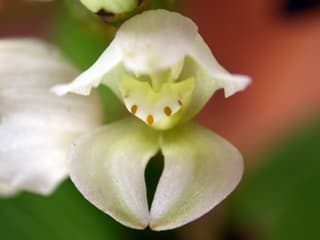
Govenia
Govenia
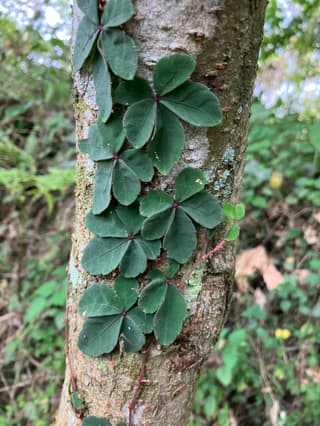
Lizard Vine
Tetrastigma obtectum
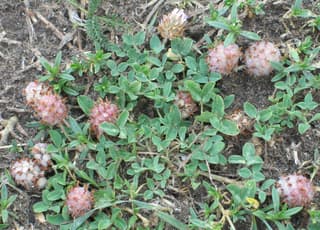
Strawberry Clover
Trifolium fragiferum
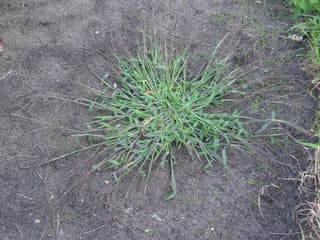
hairy crabgrass
Digitaria sanguinalis
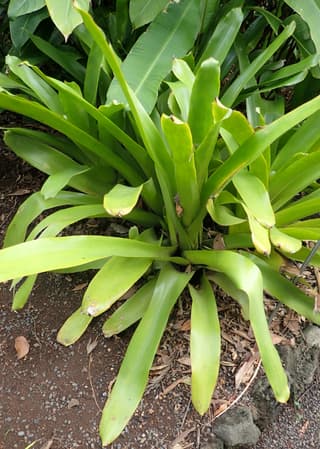
Orange Bromeliad
Aechmea blanchetiana
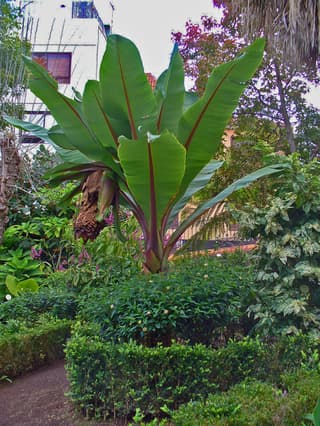
Abyssinian Banana
Ensete ventricosum
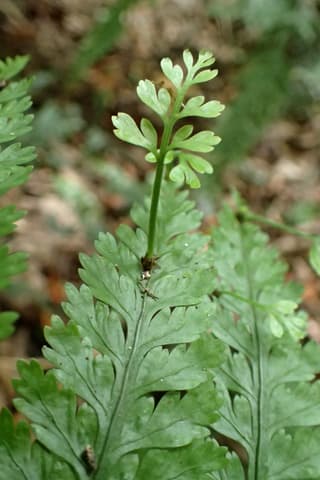
Hen and Chickens Fern
Asplenium bulbiferum
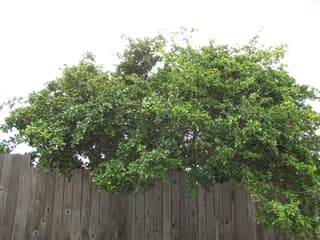
Barbados cherry
Malpighia emarginata
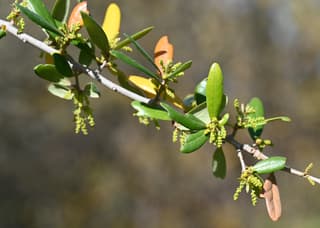
Southern Live Oak
Quercus virginiana
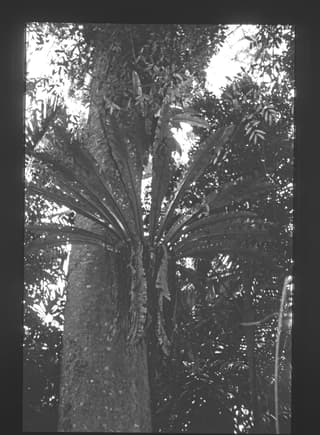
Birds Nest Fern
Asplenium australasicum
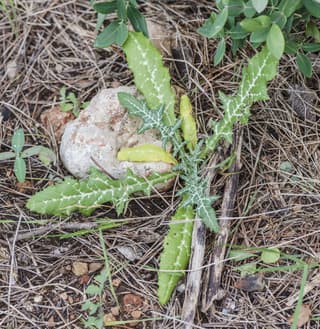
Common Sowthistle
Sonchus oleraceus
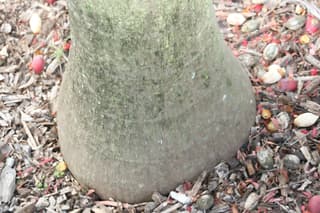
Montgomery Palm
Veitchia arecina
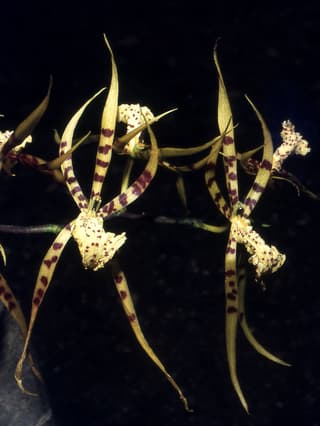
Spider Orchid
Brassia arachnoidea
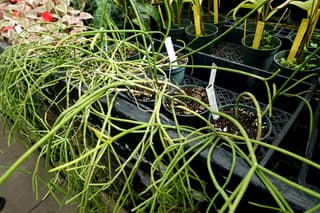
Mistletoe cactus
Rhipsalis baccifera
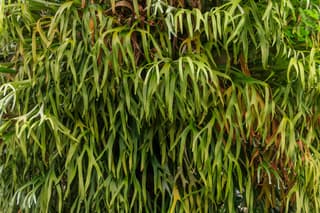
Staghorn Fern
Platycerium bifurcatum
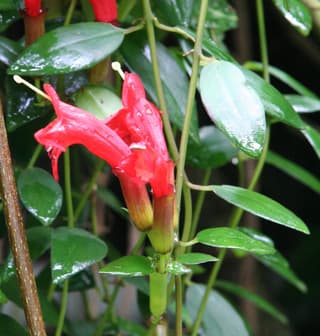
Lipstick Plant
Aeschynanthus radicans

Bangalow Palm
Archontophoenix cunninghamiana
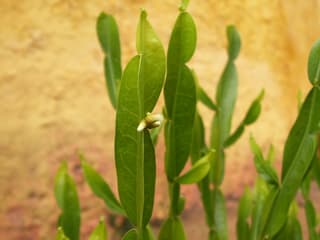
Carqueja
Baccharis trimera
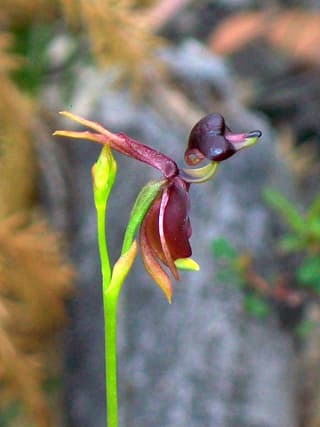
Flying Duck Orchid
Caleana major
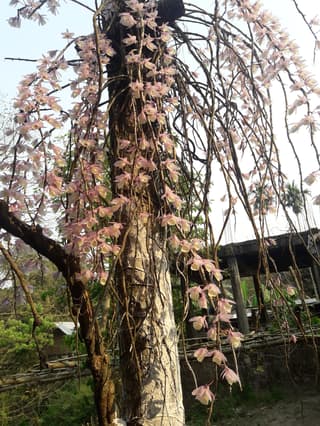
Hooded Orchid
Dendrobium aphyllum
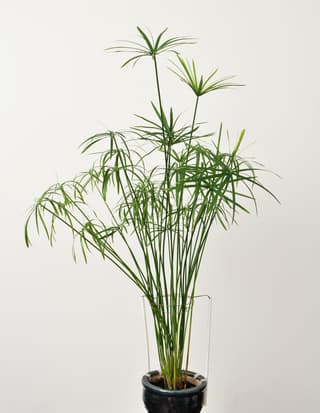
Umbrella Papyrus
Cyperus alternifolius
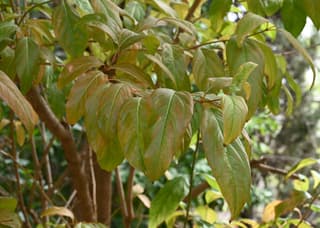
Fiddlewood
Citharexylum spinosum

London plane
Platanus × hispanica
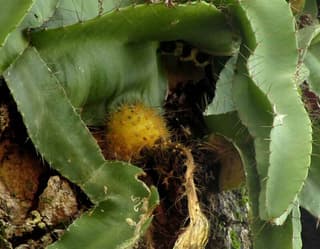
Dog-tail Cactus
Deamia testudo
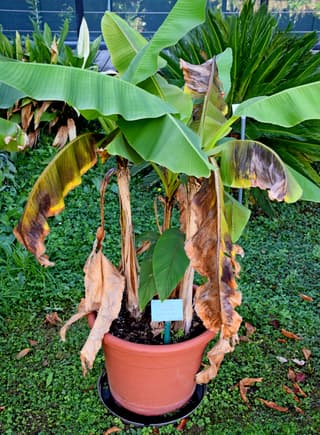
Japanese Banana
Musa basjoo
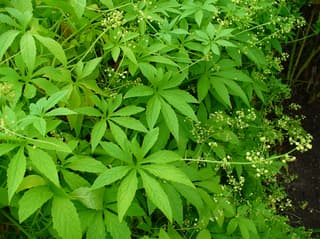
Caigua
Cyclanthera pedata
Ideal Pet Safe for Caxias do Sul's Climate
Caxias do Sul has an average temperature of 16.9°C and humidity of 81.9%, conditions that directly influence which pet safe best adapt to the local environment.
How to Grow Pet Safe in Caxias do Sul
To successfully grow pet safe in Caxias do Sul, consider that the average temperature of 16.9°C and humidity of 81.9% create a specific microclimate. High humidity favors tropical species, but requires attention to ventilation to prevent fungal issues.
Advantages of Choosing Adapted Pet Safe
Pet Safe adapted to Caxias do Sul's climate show greater resistance, healthy growth, and less need for interventions.