Asteraceae
Endive (Cichorium endivia): Complete Growing Guide
Cichorium endivia
Endive is a cool-season plant that prefers full sun and moist, well-drained fertile soil. Regular watering is essential to keep soil slightly moist. Avoid temperatures above 24°C (75°F) which cause bolting and increased bitterness. Fertilize every 30 days with a balanced fertilizer.
Every 3 days
Bright indirect
5° - 24°C
50% - 80%
Categories
What is Endive?
Endive (Cichorium endivia) is a easy-care plant from the Asteraceae family. Endive (Cichorium endivia) is an annual or biennial herbaceous plant in the Asteraceae family, native to the Mediterranean region. It produces rosettes of broad or curly green leaves with a characteristic mildly bitter flavor. Widely cultivated as a leafy vegetable, it is enjoyed both raw in salads...
Endive grows up to 1.5m, spread of 60cm, watering every 3 days, 5°C – 24°C, 50–80% humidity. It is not suitable for indoor environments and safe for pets.
Unlike many tropical plants, Endive tolerates watering mistakes. Best for beginners. Unlike many popular species, Endive is safe to keep around pets.
How to Care for Endive?
TLDR: Endive needs Bright indirect, watering every 3 days, and temperatures between 5-24°C with 50-80% humidity.
How Often Should You Water Endive?
Water thoroughly every 2-3 days, soaking deeply into the root zone. Avoid overwatering to prevent root rot. Water in the morning so leaves can dry throughout the day. Apply water directly to the root zone to reduce leaf disease.
How Much Light Does Endive Need?
Grow in full sun, at least 6 hours of direct light per day. In hot climates, provide light afternoon shade to prevent premature bolting during warmer periods.
What Is the Best Soil for Endive?
Use loamy, well-drained soil rich in organic matter. Ideal pH is between 6.0 and 7.8. Incorporate compost before planting to ensure good fertility and adequate moisture retention.
What Pot Should You Use for Endive?
Clay or plastic pots with drainage holes. Minimum 30 cm depth to accommodate the taproot.
Care Schedule
Fertilize
Every 30 days
What Is Endive and Where Does It Come From?
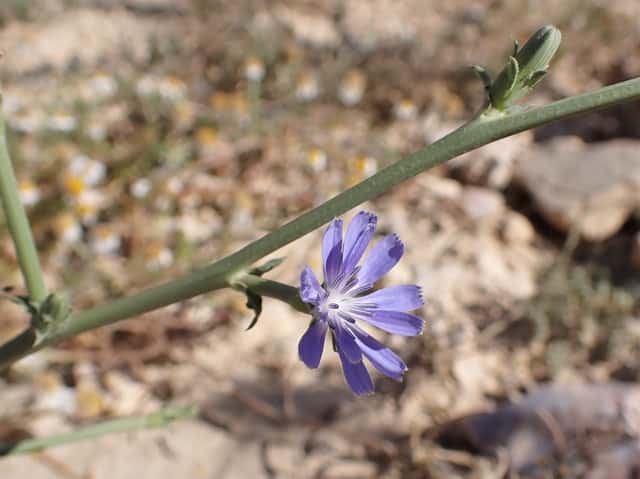
Endive (Cichorium endivia) is an annual or biennial herbaceous plant in the Asteraceae family, native to the Mediterranean region. It produces rosettes of broad or curly green leaves with a characteristic mildly bitter flavor. Widely cultivated as a leafy vegetable, it is enjoyed both raw in salads and cooked in soups and sautéed dishes. It can develop pale blue to violet flowers on tall stems that tower above the foliage.
How to Propagate Endive?
Direct sowing
Sow preferably in autumn or winter. In high-altitude regions or mild climates, year-round cultivation is possible. Transplant when seedlings have 4-6 leaves.
- 1 Prepare soil by loosening and adding compost
- 2 Sow seeds 0.6 cm deep
- 3 Space seeds 5-10 cm apart with 45 cm between rows
- 4 Keep soil moist until germination
- 5 Thin seedlings to leave the most vigorous ones
Materials needed:
How Big Does Endive Grow?
TLDR: Endive can reach up to 1.5m tall with Medium growth rate.
Max height
1.5m
Spread
60cm
Growth rate
Medium
Foliage
Evergreen
Plant Uses
Edible
Can be consumed
Medicinal
Medicinal properties
Medicinal Uses
- Depurative and diuretic properties
- Supports liver function and digestion
- Stomachic and mild laxative action
- Rich in inulin, a prebiotic that supports intestinal health
Culinary Uses
- Raw in salads
- Sautéed with olive oil and garlic
- In soups and broths
- Grilled as a side dish
- Braised with lemon and herbs
Is your plant showing symptoms?
Click on the symptom to discover possible causes:
What Diseases Commonly Affect Endive?
TLDR: Endive is susceptible to 12 known diseases. Monitor regularly for early detection.
Anthracnose
Anthracnose is a fungal disease caused by fungi in the genus Colletotrichum that affects many plants, including vegetables, fruits, and trees. The disease thrives in cool, wet conditions, causing dark, sunken lesions on leaves, stems, flowers, and fruits.
Damping Off
Damping off is a soil-borne fungal disease that affects seeds and young seedlings, causing rotting of stem and root tissues at and below the soil line. It is caused by several fungi including Pythium, Rhizoctonia, Fusarium, and Phytophthora. The disease thrives in cold, wet conditions with poor air circulation.
Downy Mildew
Downy mildew is a fungal-like disease caused by oomycetes (water molds) that thrives in cool, wet conditions. It affects a wide range of plants, causing yellowing leaves with fuzzy white-gray growth underneath, leading to defoliation and reduced yields if left untreated.
Septoria Leaf Spot
Septoria leaf spot is a destructive fungal disease caused by Septoria lycopersici, particularly devastating during seasons of moderate temperature and abundant rainfall. The disease starts on lower leaves and progresses upward, causing small circular spots with tan to gray centers and dark brown margins. If left untreated, it can dramatically reduce plant yields and cause complete leaf blight.
Meaning & Symbolism
Endive symbolizes resilience and bitter wisdom — its characteristic bitterness represents finding balance between hardship and reward in life.
Fun Facts
Endive can reach up to 1.5 m tall when flowering, producing beautiful pale blue flowers
Blanching the leaves (tying outer leaves around the head) reduces bitterness and improves flavor
Rich in inulin, endive is a natural prebiotic that feeds beneficial gut bacteria
It was cultivated by ancient Egyptians and Greeks as both a medicinal and food plant
Frequently asked questions
How often should I water endive?
Can endive be grown in containers?
Why is my endive too bitter?
When is the best time to plant endive?
Is endive toxic to pets?
Compare with similar plants
| Attribute | Difficulty | Light | Watering | Pet Safe |
|---|---|---|---|---|
| Field Maple | Easy | Bright indirect | 14d | ✓ |
| Silver Birch | Easy | Direct sun | 14d | ✓ |
| Common Blanketflower | Easy | Direct sun | 10d | ✓ |
| Cushion Bush | Easy | Direct sun | 14d | ✓ |





