How Often to Water Aloe Vera: The Soil Test
Water aloe vera when the potting soil is completely dry all the way to the bottom, not on a set schedule. Learn how to check the soil, what thin or mushy leaves mean, and how winter, direct sun, and terracotta pots change things.
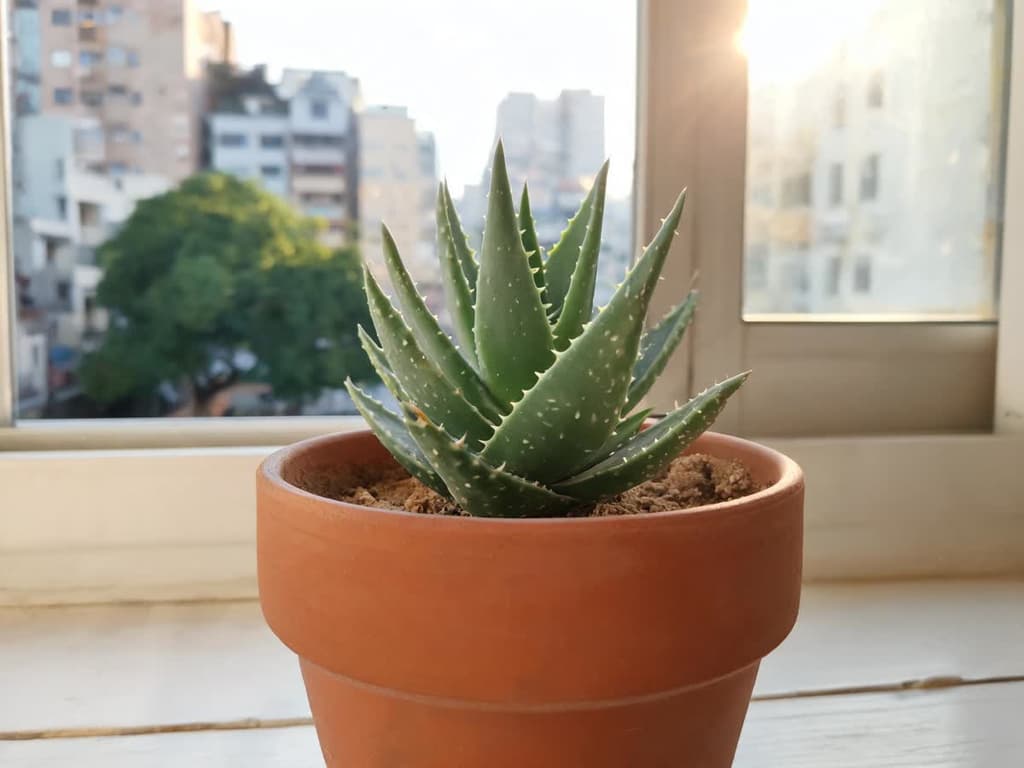
How often to water aloe vera: when the soil in the pot is dry all the way to the bottom, not on a set day of the week. Indoors in Brazil, this usually takes weeks, not days. In winter, the soil takes longer to dry, and the interval between waterings becomes longer.
None of the university extensions consulted for this guide gives a set number of days for Aloe vera. An extension is the service through which a university provides research-based plant guidance to the public. Extensions give a criterion instead: dry soil. The exact schedule that works for your aloe vera depends on sunlight, pot type, and the season. You will discover that number within two or three waterings.
Quick summary:
Water when the soil is completely dry all the way to the bottom of the pot. When in doubt, wait another 2 or 3 days.
A thin, wrinkled leaf that curls inward, paired with dry soil, calls for watering the very same day.
A soft, translucent, or yellow leaf at the base, paired with moist soil, means too much water. Do not water.
In Brazil, aloe vera grows from September to March and slows down from April to August. In winter, water less, but without letting the leaf wrinkle.
Terracotta pots, strong sunlight, and heat dry the soil faster. Plastic pots, shade, and cold temperatures keep the soil moist longer.
How often to water aloe vera
Water aloe vera when the soil in the pot is dry all the way to the bottom. The schedules you see online range from 7 days to 1 month, and each one simply describes a different home. None of them cite an actual pot measurement.
Source | Interval | Stated condition |
|---|---|---|
Spider Farmer (grow shop, Europe) | 2 to 4 weeks; once a month or less in winter | spring and summer |
Florea (shop, Sweden) | 2 to 3 weeks | spring and summer, soil completely dry to the bottom |
Bright Lane Gardens (blog, USA) | 3 to 4 weeks | depends on household humidity and temperature |
Portuguese-language gardening articles | 7 to 14 days | soil dry to the touch |
The difference between 7 days and 1 month comes down to the home where the aloe vera lives. Imagine an aloe vera in direct sunlight, in a terracotta pot, during a Southeast summer. Its soil dries out much faster than the same plant kept in a plastic pot, far from a window, in July in the South. The dry-soil criterion applies to both homes. A fixed number of days does not.
Aloe vera tolerates long intervals because of how its leaf works. The plant performs CAM photosynthesis, common in plants from dry places. In this type of photosynthesis, the leaf closes its pores during the day and opens them at night, when the air is cooler. That way it loses little water. The thick leaf stores water in a dedicated tissue, which the plant uses during dry periods (Frontiers in Plant Science, 2016).
The test: dry soil all the way to the bottom of the pot
American university extensions do not completely agree on how much the soil needs to dry. They split into three answers:
Dry surface: the Penn State Extension directs watering thoroughly when the soil surface is dry, during the period when the plant is growing.
Top 2.5 cm (1 inch) dry: UF/IFAS, from the University of Florida, says to water only when the top 2.5 cm (1 inch) layer is dry to the touch.
Soil dry all the way through: the NC State Extension, from North Carolina State University, directs gardeners to let the soil dry out completely between waterings. Iowa State says the same for succulents in general.
This guide follows the third answer: soil dry all the way to the bottom. Penn State itself notes in the very same paragraph that with succulents, underwatering is better than overwatering. In a deep pot, the surface dries days before the bottom does, and that is precisely where the aloe vera's roots sit.
The University of Maryland connects all three answers: it advises testing the soil at a depth of 1 inch or more, depending on the size of the pot. In a small pot, 1 inch of dry soil reaches nearly to the bottom. In a large pot, the bottom may still be wet.
To check the bottom, use one of these two tests:
Wooden skewer: insert the skewer until it touches the bottom of the pot and wait 1 minute. If it comes out clean and dry, water. If it comes out dark or with soil clinging to it, wait another 2 or 3 days.
Pot weight: lift the pot right after watering and remember how heavy it feels. A pot with dry soil feels noticeably lighter, and you will learn the difference in two or three waterings.
When watering, soak all the soil until water runs out of the drainage hole, and empty the saucer. Maryland explains why: thorough watering prevents pockets of dry soil inside the pot. Other succulents in your home follow the same logic, explained in the guide on how to water succulents.
The aloe leaf confirms the soil test
The texture of an aloe leaf changes depending on how much water it has stored. Use the leaf as a second indicator, always alongside the soil test:
Firm, thick, and smooth leaf: the plant has stored water. Wait for the soil to dry out, even if your usual watering day has already passed.
Thin, lengthwise-wrinkled leaf curling inward: the plant is dipping into its reserves. If the soil is dry all the way to the bottom, water the same day. Penn State uses this signal in winter: water less, but never let the leaves wrinkle.
Soft, almost translucent leaf, or yellowing starting from the base, with moist soil: too much water. Iowa State describes overwatering in succulents this way: leaves that turn yellow, soft, and mushy, and eventually drop off.
Our guide on how to care for aloe vera includes a table that separates overwatering from underwatering by texture, color, and the plant's base.
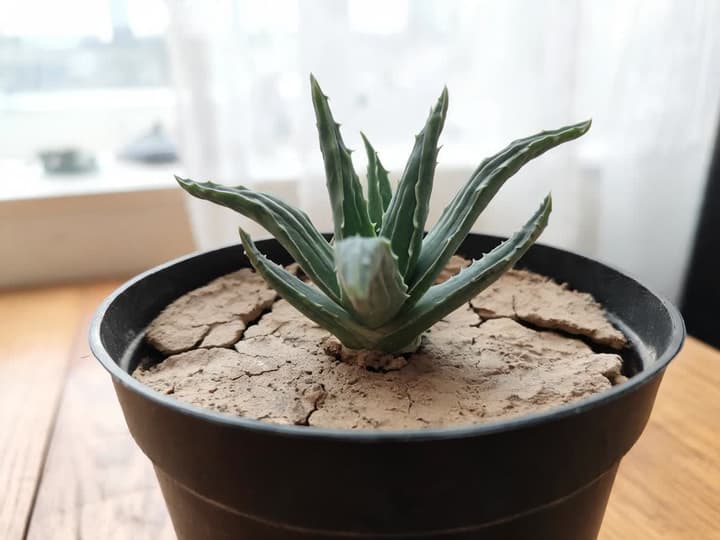
A wrinkled leaf is not always thirst. The Iowa State University Extension explains the trap: with root rot, the plant loses roots and begins absorbing little water. The leaf then wilts and wrinkles as if it lacked water. Watering more at that point makes the problem worse.
Checking the soil separates the two conditions. A wrinkled leaf with bone-dry soil means thirst. A wrinkled leaf with soil that has stayed moist for days points to root trouble: do not water; unpot the plant and inspect its roots.
Should I water an aloe vera with dry soil and brown tips?
If the soil is dry all the way to the bottom, water it now until water drains from the hole. Dry soil alone is enough of a cue: you do not need to wait for the leaves to wrinkle before watering.
A brown tip by itself does not tell you whether your aloe vera has received too little or too much water. Iowa State lists leaves turning brown among the signs of underwatering. The Swedish shop Florea lists brownish leaves among the signs of overwatering. The deciding factors are the soil moisture and leaf texture. Bloom's page on aloe vera with brown tips covers the other causes of brown tips.
My aloe vera drooped after a 2-week trip
Two weeks without water falls well within what an aloe vera can handle. Iowa State notes that succulents can go weeks, sometimes longer, without water. That is why thirst is not the primary suspect when an aloe vera droops after you return from a trip. Before watering, check three things:
Dry soil with thin, wrinkled leaves: water once until water runs out of the drainage hole, then wait for the soil to dry out again. Do not leave the pot soaking in water for hours, as that waterlogs the roots.
Flattened, outward-spreading leaves with pale color: this is a lack of light. Iowa State explains that rosette-forming succulents flatten and spread their leaves to catch more light. A rosette is the circular cluster of leaves radiating from the center of the plant, like in aloe vera. Move the aloe closer to a window.
Soft, dark base with moist soil: this is root rot, and the trip was purely a coincidence. Do not water. Bloom's page on aloe vera rot outlines the treatment.
What shortens and what lengthens the watering interval
The time soil takes to dry out determines your watering frequency. Five conditions alter that timeframe:
Condition | Soil dries faster (shorter intervals) | Soil dries slower (longer intervals) |
|---|---|---|
Season in Brazil | September to March, heat and growth | April to August, cold and the plant at rest |
Light | direct sun right by a window | far from windows, overcast skies |
Pot | raw terracotta, small pot | plastic, oversized pot |
Location | indoors, protected from rain | outdoor yard or open balcony, exposed to rain |
Plant | large aloe vera with rootbound pot | recently potted pup |
Watering aloe vera in winter and summer in Brazil
Penn State divides the aloe vera's year into two phases. The plant grows from early spring to early fall, which in Brazil runs from September to March. It stays dormant in the fall and winter, which run from April to August here.
During dormancy, Penn State advises cutting back on watering until the soil is only slightly moist, without letting the leaves wrinkle. Winter calls for longer intervals between waterings, but not months without any water. There are two perspectives here. Penn State accepts slightly moist soil during rest. NC State instructs letting it dry out completely and watering less in winter. This guide follows the dry skewer test, because cold temperatures combined with wet soil rot the plant's base. If leaves begin thinning and wrinkling in July, water as soon as the soil is dry to the bottom, even in the cold.
The University of Wisconsin Extension notes that most Aloe species come from summer-rainfall regions and grow in the summer. Aloe is the genus of aloe vera. In a pot with very good drainage, these plants tolerate frequent rains during the warm months. In cold, overcast weather, Wisconsin instructs keeping the soil drier.
Across much of Brazil, summer is the rainy season, coinciding directly with the aloe vera's active growth period. An outdoor aloe vera catches rain right when it consumes the most water. The dangerous combination is cold coupled with soggy soil: in winter, move the pot out of the rain.
Sunlight and window placement
More sun dries the soil faster. NC State says most plants in the Aloe genus, such as aloe vera, need at least 6 hours of sun per day. In Brazil, the sunniest windows face north and west. An aloe vera in these windows needs more frequent waterings than an aloe vera in a bright corner without direct sun.
Terracotta pots versus plastic pots
NC State considers terracotta pots the best option for aloe vera. The porous walls of raw clay let moisture evaporate, drying the soil faster than in a plastic pot of identical size. When moving an aloe from plastic to terracotta, check the soil earlier during the first few watering cycles.
Pot size matters just as much as pot material. UF/IFAS recommends potting aloe vera into a container no more than two sizes larger. An oversized pot retains moisture longer than the roots can drink, and that stagnant water leads to rot.
Aloe vera outdoors versus indoors
An aloe vera planted directly in garden soil, once well-rooted, survives almost entirely on rainfall. UF/IFAS says this regarding Florida: water to help the plant establish, and then let natural rain handle the rest. A container on an uncovered balcony also catches rain, and every heavy downpour counts as a watering when timing your intervals.
Newly planted or repotted aloe vera
Pups and newly repotted aloe veras should go 1 week without water so injured roots have time to callus over and heal. Our guide on how to care for aloe vera provides step-by-step instructions for pups, including that first waterless week.
How to find your aloe vera's watering schedule
You can pinpoint your aloe vera's watering interval by logging two or three waterings. Here is how:
Water thoroughly until water drains from the bottom hole, and write down the date.
Starting on day 7, run the skewer test every 2 or 3 days.
On the day the skewer comes out dry all the way to the bottom, water the plant and record the date again.
Repeat the cycle one more time. The number of days between waterings is your aloe vera's baseline interval for that specific pot and season.
Recalibrate twice a year: in September, when the plant slows down, and in April, when it resumes active growth. Moving the pot or repotting into a different container will also alter your watering frequency.
Bloom's free plan includes a plant care schedule. Add a reminder to check the soil based on the interval you measured. Other succulents in your collection follow the exact same soil test, and our guide to succulent care covers light, soil, and pots for them.
Watering more often does not make aloe vera grow faster
Too little water stunts growth: aloe vera produces fewer leaves and fewer offsets, according to the 2016 review in Frontiers in Plant Science. Excess water, conversely, rots the base of the plant.
The review's only frequency data comes from field crops, not containers. In an arid plot in Mexico, the irrigation routine yielding the most leaves and gel was a deep watering: 3 hours, once a week. The other tested setups included watering twice weekly. That specific schedule does not translate to indoor potted plants. What the study does demonstrate is more modest: watering twice weekly produced no better results than a single deep watering once a week.
Cacti also need dry soil before each watering, but on a different schedule, and our guide on how often to water a cactus explains the key differences.
Frequently asked questions
Can you water aloe vera every day?
No. Daily watering keeps the soil constantly wet, and NC State advises letting aloe vera soil dry out completely between waterings. Continuously soggy soil suffocates roots and opens the door to rot. Even in summer heat and full sun, potted aloe vera takes several days to dry out down to the bottom.
How long can aloe vera go without water?
Weeks. Iowa State notes that succulents can go weeks, sometimes longer, without water, and aloe vera stores moisture in its fleshy leaves. None of the university extensions consulted sets a hard day limit for potted aloe vera without water. The clear sign that reserves are depleted is thin, wrinkled foliage: once the soil is dry to the bottom, water thoroughly.
Can a soft, yellowing aloe vera be saved?
It can be saved if the plant's base remains firm. Stop watering, remove the plant from its pot, and inspect the roots. Trim away dark, mushy roots before repotting in dry potting mix. Iowa State notes that some plants recover once the soil dries, while others are already too decayed: in that case, save only healthy parts as cuttings.
Can I water aloe vera on the same day every week?
Use a set day to check the soil, not to apply water. Aloe soil dries at completely different speeds in summer compared to winter, and watering strictly by the calendar adds moisture to soil that has not dried out yet. Test with a wooden skewer on your designated day, and water only if it comes out dry from the very bottom.
Summary
Water aloe vera when a wooden skewer comes out dry from the bottom of the pot. Thin, wrinkled leaves confirm thirst when the soil is dry. Soft leaves accompanied by moist soil signal overwatering. From September through March, soil dries more rapidly. From April through August, space waterings farther apart without letting leaves wrinkle.
Bloom builds a personalized watering schedule for your aloe vera and reminds you when it is time to check the soil. The app is available for iPhone and iPad.
Sources
UF/IFAS Extension Charlotte County: One of the most popular houseplants, aloe (2025)
Iowa State University Extension: Common Problems and Issues of Succulents
University of Maryland Extension: What Causes Aloe Leaves to Turn Yellow? (2023)
Cristiano, G., Murillo-Amador, B., De Lucia, B. (2016). Propagation Techniques and Agronomic Requirements for the Cultivation of Barbados Aloe (Aloe vera (L.) Burm. F.): A Review. Frontiers in Plant Science 7: 1410.
Related articles
How to Care for a Goldfish Plant: Light, Watering, and Blooms
How to care for a goldfish plant: bright light without strong sun, water when the soil surface dries, and humid air. Learn how to tell a Nematanthus from a Columnea, why it drops leaves, and how to get it to bloom again.
Lavender Leaves Turning Yellow: Where the Yellowing Starts Shows the Cause
Lower leaves turning yellow with moist soil means overwatered roots, the most common cause. Old leaves drying one by one on woody stems is normal. Take the stem and root test, see if your plant can still be saved, and find out what to do today.
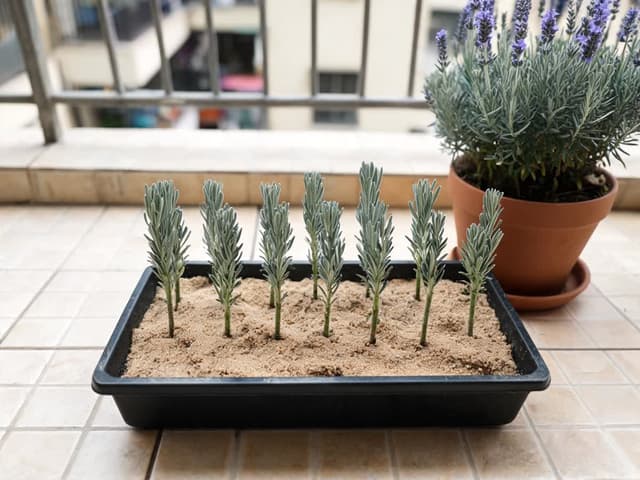
How to Propagate Lavender: Where to Cut and Why Cuttings Rot
A lavender cutting comes from a non-flowering branch tip, about 4 inches long, planted in sandy soil that never stays soggy. Learn where to cut, rooting times, seasonality in Brazil, and what to do if the base turns black.