Sea buckthorn with Root-Knot Nematodes? Rare but Treatable
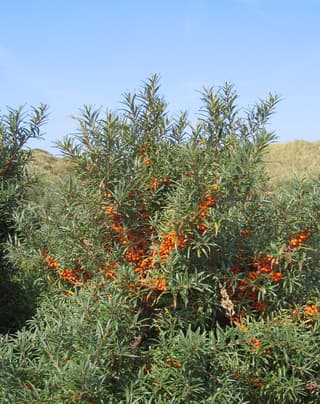
Hippophae rhamnoides
Root-Knot Nematodes on Sea buckthorn: What to Know?
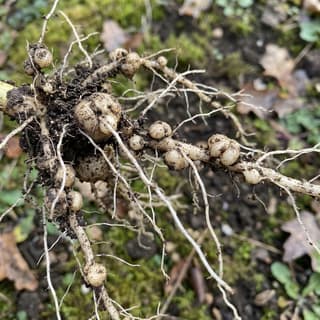
Root-Knot Nematodes on Sea buckthorn (Hippophae rhamnoides) is a pest condition with moderate severity. Sea buckthorn has low susceptibility to this disease. Root-knot nematodes (Meloidogyne species) are microscopic roundworms that parasitize plant roots, causing characteristic galls or knots. These soil-borne pests are among the most economically damaging...
Sea buckthorn is a easy-care plant. Recovery from Root-Knot Nematodes takes approximately 90 days with proper treatment.
Unlike most plants, Sea buckthorn has natural resistance to Root-Knot Nematodes. Best treated with preventive measures rather than reactive treatment. Unlike fungal diseases, Root-Knot Nematodes on Sea buckthorn responds quickly to integrated pest management.
🔍 What Does Root-Knot Nematodes Look Like on Sea buckthorn?
- • Characteristic galls or knots on roots (1-10mm in diameter)
- • Root swelling, distortion, and excessive branching
- • Yellowing of leaves (chlorosis), especially lower leaves
- • Wilting during hot periods despite adequate soil moisture
- • Stunted growth and reduced vigor
- • Reduced flowering and fruit production
- • Plant death in severe infestations
- • Discolored or necrotic root tips
❓ What Causes Root-Knot Nematodes on Sea buckthorn?
- → Infection by microscopic roundworms (Meloidogyne incognita, M. javanica, M. arenaria)
- → Nematode larvae penetrate roots and establish feeding sites
- → Enzymes injected by nematodes cause cell enlargement (galls)
- → Contaminated soil, water, or infected plant material
- → Warm soil temperatures (70-80°F/21-27°C) favor reproduction
- → Sandy, well-drained soils are most susceptible
- → Can survive in soil for years without host plants
🛡️ How to Prevent Root-Knot Nematodes on Sea buckthorn?
TLDR: Prevent Root-Knot Nematodes on Sea buckthorn with 8 essential preventive care practices.
- ✓ Plant resistant or tolerant varieties when available
- ✓ Rotate crops with non-susceptible plants (grasses, crucifers)
- ✓ Solarize soil before planting using clear plastic tarps (3-5 days in mid-summer)
- ✓ Use certified disease-free planting material
- ✓ Practice good sanitation: clean tools, remove infected roots immediately
- ✓ Improve soil health with organic matter to encourage beneficial microorganisms
- ✓ Avoid moving soil from infested to clean areas
- ✓ Plant French marigolds (Tagetes patula) as trap crops or cover crops
🌱 How to Care for Sea buckthorn to Prevent Root-Knot Nematodes?
💧 How to Water
Water young seedlings regularly during their first year until they are established. Mature plants are highly drought-tolerant and only need watering during prolonged heatwaves without rain—excessive watering in heavy soil can cause root rot.
☀️ Lighting
Requires full sun all day long—flowering and berry yields decrease significantly in partial shade.
🪴 Ideal Soil
Prefers light, sandy to sandy-loam, well-drained soil with a pH of approximately 5.5–7.5. Avoid heavy, clayey, and waterlogged soils where there is a risk of root rot.
Frequently asked questions
Can Root-Knot Nematodes kill my Sea buckthorn?
How long does Sea buckthorn take to recover from Root-Knot Nematodes?
Is Root-Knot Nematodes contagious to other plants near Sea buckthorn?
Sources & References
- Sea Buckthorn - Hippophae rhamnoides: All You Need To Know
- Hippophae rhamnoides - Wikipedia
- Rakytník pestovanie | rastlinky.sk
- Rakytník rešetliakový - Hippophae: Tajomstvo bohatej úrody
- Sea buckthorn treatments, pest and disease control | Armuro
- Hippophae rhamnoides (HIORH) Pests | EPPO Global Database