
Bird of Paradise Prone to Leaf Tip Necrosis: How to Protect
Strelitzia reginae
Leaf Tip Necrosis on Bird of Paradise: What to Know?
Leaf Tip Necrosis on Bird of Paradise (Strelitzia reginae) is a environmental condition with moderate severity. Bird of Paradise has high susceptibility to this disease. Leaf tip necrosis, also known as tip burn, is a non-infectious environmental condition where the tips and edges of leaves turn brown, dry, and crispy. This occurs due to various stress factors affecti...
Bird of Paradise is a medium-care plant. Recovery from Leaf Tip Necrosis takes approximately 14 days with proper treatment. As an indoor plant, ensure good ventilation to aid recovery.
Bird of Paradise is highly susceptible to Leaf Tip Necrosis, unlike most plants in the same family. Without early intervention, recovery takes 21 days instead of 14 days.
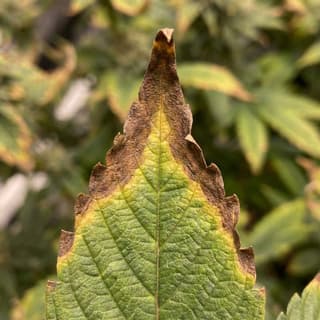
🔍 What Does Leaf Tip Necrosis Look Like on Bird of Paradise?
- • Brown or black discoloration at leaf tips
- • Dry, crispy texture on affected areas
- • Progressive browning from tip toward leaf base
- • Dead tissue at leaf margins
- • Tips may curl or become brittle
❓ What Causes Leaf Tip Necrosis on Bird of Paradise?
- → Salt and mineral buildup in soil from tap water
- → Low humidity levels, especially indoors
- → Inconsistent watering (both over and underwatering)
- → Calcium, magnesium, or potassium deficiency
- → Excessive light or heat exposure
- → Root damage or root-bound conditions
- → Fluoride or chlorine sensitivity from tap water
💊 How to Treat Leaf Tip Necrosis on Bird of Paradise?
TLDR: Treat Leaf Tip Necrosis on Bird of Paradise with quick treatment (~7 days) or organic (~14 days). Bird of Paradise has high susceptibility to this disease.
Quick Fixes
Step 1
Check soil moisture immediately - water if dry, improve drainage if soggy
Step 2
Remove severely affected leaves to prevent stress
Step 3
Apply balanced liquid fertilizer at half strength
Step 4
Spray leaves with calcium-magnesium foliar solution
Step 5
Ensure proper air circulation around plant
Step 6
Move plant to location with appropriate light levels if needed
Organic Treatment
Step 1
Test soil pH and nutrient levels to identify deficiencies
Step 2
Apply organic mulch (2-3 inches) over root zone to retain moisture
Step 3
Improve drainage if soil is waterlogged
Step 4
Amend soil with compost or well-rotted organic matter
Step 5
Water consistently, keeping soil moist but not soggy
Step 6
Apply foliar spray of diluted seaweed extract or compost tea weekly
Step 7
Add organic calcium sources like crushed eggshells or bone meal if deficient
🛡️ How to Prevent Leaf Tip Necrosis on Bird of Paradise?
TLDR: Prevent Leaf Tip Necrosis on Bird of Paradise with 8 essential preventive care practices.
- ✓ Use filtered, distilled, or rainwater instead of tap water
- ✓ Maintain consistent watering schedule
- ✓ Increase humidity with humidifier or pebble trays
- ✓ Flush soil periodically to remove salt buildup
- ✓ Ensure adequate calcium and magnesium in fertilizer
- ✓ Provide appropriate light levels for species
- ✓ Avoid placing plants near heating vents or AC
- ✓ Let tap water sit 24 hours before use to dissipate chlorine
🌱 How to Care for Bird of Paradise to Prevent Leaf Tip Necrosis?
💧 How to Water
Water once a week during spring and summer, reducing to every two weeks in winter. Allow the top 2 inches of soil to dry between waterings. Ensure proper drainage to prevent root rot as this plant has fleshy roots prone to rot in excess moisture.
☀️ Lighting
Provide bright, indirect light with some direct morning or evening sun. Avoid harsh afternoon sun which can burn the large leaves. At least 3-4 hours of sunlight daily is ideal for flowering.
🪴 Ideal Soil
Use well-draining, fertile loamy soil rich in organic matter. Sandy or loamy soils work best. Maintain a slightly acidic to neutral pH (6.0-7.0).
Frequently asked questions
Can Leaf Tip Necrosis kill my Bird of Paradise?
How long does Bird of Paradise take to recover from Leaf Tip Necrosis?
Is Leaf Tip Necrosis contagious to other plants near Bird of Paradise?
Sources & References
- The clever instant fix for brown tips on any houseplant
- Tip-Burn: How to Identify, Treat, & Prevent NOW
- Diagnosing Leaf Necrosis: A Step-by-Step Guide
- Burnt Plant Leaves? - What causes It and how to avoid it?
- How to Prevent and Treat Leaf Tip Burn in Houseplants
- LEAF-TIP NECROSIS: Causes
- What Causes Plant Leaf Tip Burns
- How to care for Strelitzia reginae - Leafy Life
- Strelitzia Care: Expert Tips - PLNTS.com
- Strelitzia reginae - NC State Extension
- Strelitzia reginae - Gardenia.net
- Strelitzia reginae - PlantZAfrica SANBI