Leaf Tip Necrosis: Environmental Stress | How to Fix
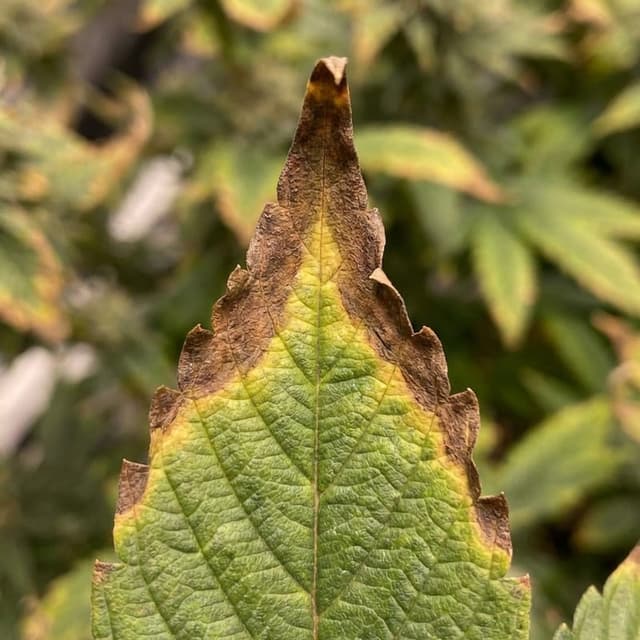
Leaf tip necrosis, also known as tip burn, is a non-infectious environmental condition where the tips and edges of leaves turn brown, dry, and crispy. This occurs due to various stress factors affecting the plant's ability to maintain healthy tissue at the leaf extremities.
Slow
14 days
What is Leaf Tip Necrosis?
Leaf Tip Necrosis is a environmental condition with moderate severity that affects plants. Leaf tip necrosis, also known as tip burn, is a non-infectious environmental condition where the tips and edges of leaves turn brown, dry, and crispy. This occurs due to various stress factors affecting the plant's ability to maintain healthy tissue at the leaf extremities.
Leaf Tip Necrosis is a environmental disease with moderate severity that spreads at a slow rate. Recovery typically takes approximately 14 days with proper treatment. It affects 10 plant species in our database.
Unlike infectious diseases, Leaf Tip Necrosis is caused by environmental conditions. Without correcting the environment, symptoms return even after treatment. Unlike many common diseases, Leaf Tip Necrosis is not contagious between plants.
🔍 What Are the Symptoms of Leaf Tip Necrosis?
TLDR: Leaf Tip Necrosis presents 5 main symptoms. Early identification is crucial for effective treatment.
Main Symptoms
- ! Brown or black discoloration at leaf tips
- ! Dry, crispy texture on affected areas
- ! Progressive browning from tip toward leaf base
- ! Dead tissue at leaf margins
- ! Tips may curl or become brittle
Visual Signs
❓ What Causes Leaf Tip Necrosis in Plants?
- → Salt and mineral buildup in soil from tap water
- → Low humidity levels, especially indoors
- → Inconsistent watering (both over and underwatering)
- → Calcium, magnesium, or potassium deficiency
- → Excessive light or heat exposure
- → Root damage or root-bound conditions
- → Fluoride or chlorine sensitivity from tap water
💊 How to Treat Leaf Tip Necrosis?
TLDR: Treat Leaf Tip Necrosis with 7 days of quick treatment or 14 days of organic treatment. Full recovery takes approximately 14 days.
Quick Fixes
~7 days
Step 1
Check soil moisture immediately - water if dry, improve drainage if soggy
Step 2
Remove severely affected leaves to prevent stress
Step 3
Apply balanced liquid fertilizer at half strength
Step 4
Spray leaves with calcium-magnesium foliar solution
Step 5
Ensure proper air circulation around plant
Step 6
Move plant to location with appropriate light levels if needed
Materials needed:
Organic Treatment
~14 days
Step 1
Test soil pH and nutrient levels to identify deficiencies
Step 2
Apply organic mulch (2-3 inches) over root zone to retain moisture
Step 3
Improve drainage if soil is waterlogged
Step 4
Amend soil with compost or well-rotted organic matter
Step 5
Water consistently, keeping soil moist but not soggy
Step 6
Apply foliar spray of diluted seaweed extract or compost tea weekly
Step 7
Add organic calcium sources like crushed eggshells or bone meal if deficient
Materials needed:
Expert Treatment
~21 days
Step 1
Conduct comprehensive soil test including pH, NPK, calcium, magnesium, and micronutrients
Step 2
Analyze irrigation water for salt content and pH
Step 3
Diagnose root cause: nutrient deficiency, salt accumulation, water stress, or environmental factors
Step 4
Develop targeted fertilization program based on test results
Step 5
Implement proper irrigation schedule with soil moisture monitoring
Step 6
Apply chelated micronutrients if deficiencies detected
Step 7
Flush soil if salt accumulation is present (leach with 2-3 times pot volume)
Step 8
Adjust pH if needed (6.0-6.5 for most plants)
Step 9
Monitor plant response weekly and adjust protocol
Step 10
Implement preventive maintenance schedule
Step by Step
- 1
{"order": 1, "title": "Trim damaged tips", "description": "Cut off brown tips with sterilized scissors at a 45-degree angle to maintain natural leaf shape"}
- 2
{"order": 2, "title": "Flush the soil", "description": "Run distilled water through pot until it drains freely from bottom to remove accumulated salts"}
- 3
{"order": 3, "title": "Adjust watering", "description": "Switch to filtered or distilled water and establish consistent watering routine"}
- 4
{"order": 4, "title": "Increase humidity", "description": "Use humidifier, mist daily, or place on pebble tray with water"}
- 5
{"order": 5, "title": "Check nutrients", "description": "Apply calcium-magnesium supplement if deficiency suspected"}
- 6
{"order": 6, "title": "Monitor recovery", "description": "Watch new growth for healthy green tips indicating problem is resolved"}
🧪 Natural vs Chemical: Which Treatment Works for Leaf Tip Necrosis?
🌱 Natural Solutions
- ✓ Flush soil with distilled water to remove salt buildup
- ✓ Apply calcium-magnesium foliar spray
- ✓ Increase humidity around plant
- ✓ Trim severely affected leaves
- ✓ Adjust light intensity if excessive
- ✓ Improve drainage if soil stays too wet
💉 Chemical Solutions
- ✓ Use balanced fertilizer with micronutrients
- ✓ Apply calcium nitrate for calcium deficiency
- ✓ Use Epsom salt solution for magnesium boost
- ✓ Consider specialized houseplant fertilizer
Treatment Comparison
| Type | Estimated time | Steps | Difficulty | Best For |
|---|---|---|---|---|
| ⚡Quick | ~7 days | 6 | Advanced | Urgent cases |
| 🌿Organic | ~14 days | 7 | Advanced | Indoor plants |
| 🔬Expert | ~21 days | 10 | Advanced | Severe infections |
🛡️ How to Prevent Leaf Tip Necrosis?
TLDR: Prevent Leaf Tip Necrosis with 8 essential care practices. Regular monitoring is key for early detection.
- ✓ Use filtered, distilled, or rainwater instead of tap water
- ✓ Maintain consistent watering schedule
- ✓ Increase humidity with humidifier or pebble trays
- ✓ Flush soil periodically to remove salt buildup
- ✓ Ensure adequate calcium and magnesium in fertilizer
- ✓ Provide appropriate light levels for species
- ✓ Avoid placing plants near heating vents or AC
- ✓ Let tap water sit 24 hours before use to dissipate chlorine
🔗Related Diseases
Severe Defoliation
HighThis condition involves a sudden and massive loss of leaves caused by adverse environmental factors. The plant sheds its foliage in an attempt to survive extreme stress, such as abrupt temperature changes, improper watering, or transplant shock. If the underlying cause is not addressed, the plant may completely wither and die.
Severe Defoliation and Dormancy
HighThis condition is triggered by extreme environmental stress, such as sudden temperature fluctuations, insufficient light, or improper watering. In an effort to survive, the plant sheds its leaves and enters a dormant state to conserve energy.
Leaf Drop (Environmental Stress)
MediumLeaf drop occurs when a plant undergoes sudden environmental changes, such as insufficient light, excessive wind, or temperature fluctuations. It is not a fungal disease, but rather a physical response to stress.
Physical Leaf Damage
LowThis is not an infectious disease, but rather the result of external mechanical or environmental factors. It occurs due to rough handling, strong winds, hail, or pets. Leaves exhibit tears, cuts, or frayed edges, but the rest of the plant typically remains healthy and green.
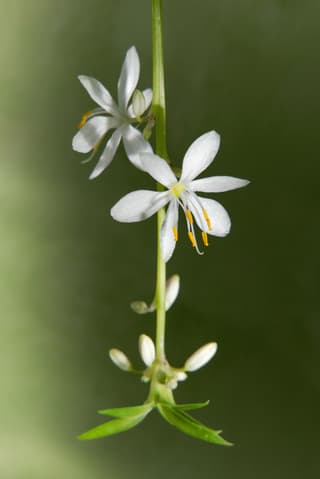
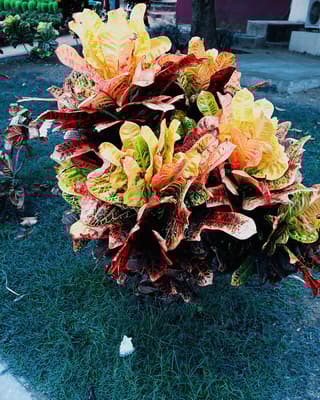
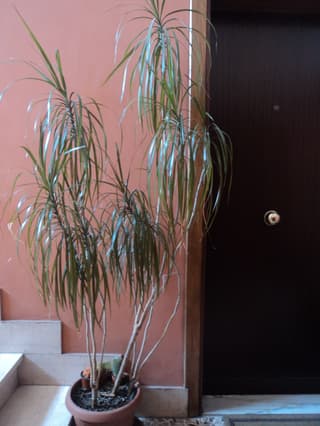
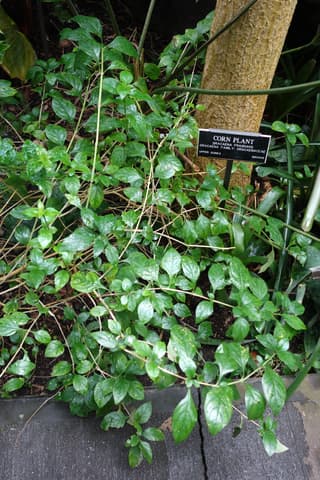
🌿 Which Plants Are Most Affected by Leaf Tip Necrosis?

Sources & References
- The clever instant fix for brown tips on any houseplant
- Tip-Burn: How to Identify, Treat, & Prevent NOW
- Diagnosing Leaf Necrosis: A Step-by-Step Guide
- Burnt Plant Leaves? - What causes It and how to avoid it?
- How to Prevent and Treat Leaf Tip Burn in Houseplants
- LEAF-TIP NECROSIS: Causes
- What Causes Plant Leaf Tip Burns