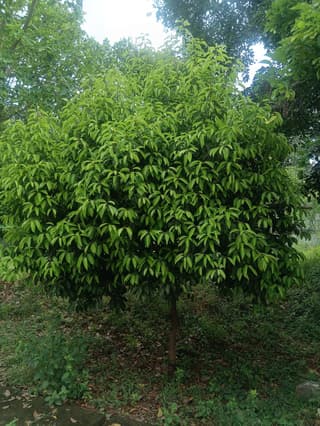
Spanish Cherry with Colletotrichum gloeosporioides: Prevention & Cure
Mimusops elengi
Colletotrichum gloeosporioides on Spanish Cherry: What to Know?
Colletotrichum gloeosporioides on Spanish Cherry (Mimusops elengi) is a fungal condition with moderate severity. Spanish Cherry has moderate susceptibility to this disease. Colletotrichum gloeosporioides is a fungus that causes anthracnose. It thrives in warm, humid weather and spreads primarily through water splashes and dense vegetation. You typically see small, dark b...
Spanish Cherry is a medium-care plant.
Unlike bacterial infections, Colletotrichum gloeosporioides on Spanish Cherry can be managed with organic fungicides.
🛡️ How to Prevent Colletotrichum gloeosporioides on Spanish Cherry?
TLDR: Prevent Colletotrichum gloeosporioides on Spanish Cherry with 5 essential preventive care practices.
- ✓ Keep foliage dry, ensure good air circulation around plants, and water at the root zone.
- ✓ Regularly clean pots and tools, and avoid unnecessary wounding during pruning and handling.
- ✓ Use sterile potting soil when repotting and avoid reusing soil from diseased plants.
- ✓ Rotate growing locations between seasons in the vegetable garden, use mulch to prevent splashing, harvest in dry weather, and store fruits in a cool, dry place.
- ✓ Inspect plants regularly and promptly remove the first signs of small spots.
🌱 How to Care for Spanish Cherry to Prevent Colletotrichum gloeosporioides?
💧 How to Water
Water every 10-14 days, keeping the soil slightly moist without waterlogging. Young saplings need more frequent watering, while established specimens can tolerate dry periods.
☀️ Lighting
Grow in full sun for abundant flowering; it tolerates partial shade, but growth and flowering are reduced in heavily shaded areas.
🪴 Ideal Soil
Use soil rich in organic matter and well-drained, such as a loamy type. It adapts to sandy, clayey, or slightly saline soils, provided they do not remain waterlogged for long periods.