Helichrysum with Grey Mould: Prevention & Cure
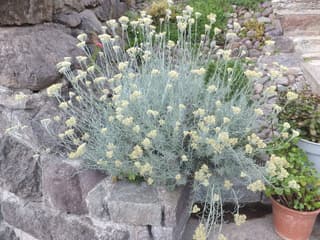
Helichrysum
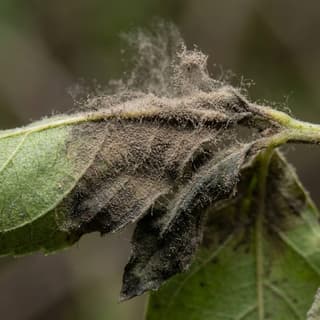
Grey Mould on Helichrysum: What to Know?
Grey Mould on Helichrysum (Helichrysum) is a fungal condition with moderate severity. Helichrysum has moderate susceptibility to this disease.
Helichrysum is a easy-care plant.
Unlike bacterial infections, Grey Mould on Helichrysum can be managed with organic fungicides.
🌱 How to Care for Helichrysum to Prevent Grey Mould?
💧 How to Water
Water deeply but infrequently. In pots, let the top few centimetres of compost dry out before soaking again, roughly every 7-10 days in summer and much less in winter. Plants in the ground need watering only until established and then during long droughts or heatwaves. Never leave the roots sitting in wet soil and water at the base, keeping the foliage dry.
☀️ Lighting
Give it full sun, at least six hours of direct light a day, in a spot sheltered from cold, drying winds. In shade the stems become leggy, the silver colour fades and flowering is poor. It is an outdoor plant; indoors it rarely gets enough light.
🪴 Ideal Soil
Use a well-drained, poor to moderately fertile soil, ideally neutral to alkaline. Sandy, gravelly or loamy soils are fine; heavy clay must be improved with grit. In containers, mix about 30% horticultural grit or perlite into a loam-based compost and make sure the pot drains freely.