African Milk Bush with Grey Mould? Rare but Treatable
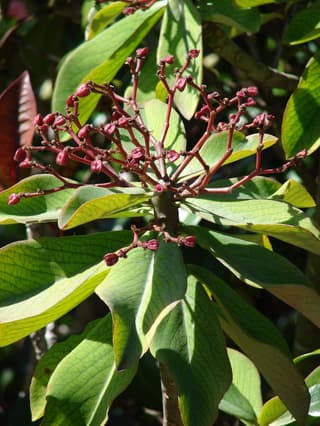
Synadenium grantii
Grey Mould on African Milk Bush: What to Know?
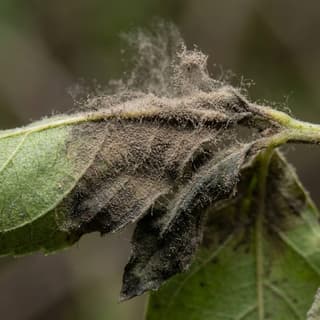
Grey Mould on African Milk Bush (Synadenium grantii) is a fungal condition with moderate severity. African Milk Bush has low susceptibility to this disease.
African Milk Bush is a medium-care plant. As an indoor plant, ensure good ventilation to aid recovery.
Unlike most plants, African Milk Bush has natural resistance to Grey Mould. Best treated with preventive measures rather than reactive treatment. Unlike bacterial infections, Grey Mould on African Milk Bush can be managed with organic fungicides. Without precautions, chemical treatments for Grey Mould can be harmful to pets. Use organic methods for African Milk Bush in pet-friendly homes.
🌱 How to Care for African Milk Bush to Prevent Grey Mould?
💧 How to Water
Water only when the substrate is almost completely dry—on average every 10 to 15 days, and even less frequently in winter. Never allow water to sit in the pot's saucer: excess moisture is the primary cause of root rot in this species.
☀️ Lighting
Prefers full sun to well-lit partial shade. It tolerates direct outdoor sun well; indoors, keep it near a bright window—low light causes the stem to become leggy and weak.
🪴 Ideal Soil
Use a light, well-drained substrate, mixing equal parts garden soil, coarse sand, and perlite (or a ready-made cactus and succulent mix). The ideal pH is neutral to slightly acidic (6.0 to 7.5). Avoid compacted or waterlogged soils.