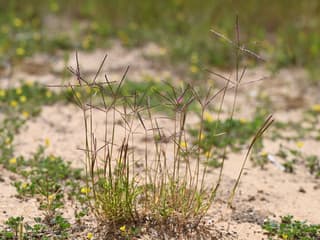
Bermuda grass with Wilting Leaves: Pet-Safe Treatment
Cynodon dactylon
Bermuda grass is a plant that needs bright light and infrequent watering. When showing wilting leaves, it may indicate issues related to its environment or care.
Is your Bermuda grass showing wilting leaves? Discover 5 possible causes and how to treat them.
🔍 Possible Causes (5)
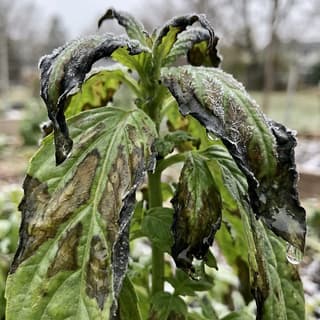
Cold Damage
Cold damage, also known as frost injury, occurs when plants are exposed to freezing or near-freezing temperatures. This environmental stress can cause cellular damage as ice crystals form within plant tissues, rupturing cells and disrupting normal plant functions. Chilling injury can also occur in sensitive species at temperatures between 32-55°F (0-10°C), even without actual freezing.
✓ Related symptoms:
- • Leaves become limp, wilted, and droopy
⚡ Quick Fixes:
Step 1
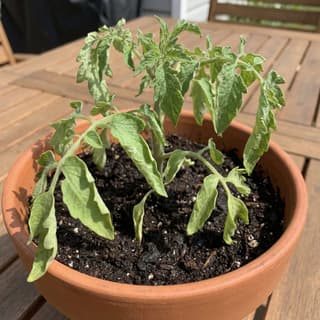
Heat Stress
Heat stress occurs when plants are exposed to excessively high temperatures, typically above 85-90°F (29-32°C), causing physiological damage and compromising vital processes such as photosynthesis and transpiration.
✓ Related symptoms:
- • Wilting of leaves and stems
⚡ Quick Fixes:
Step 1
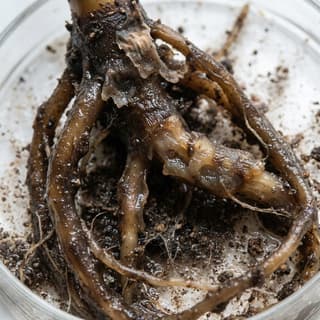
Pythium Root Rot
Pythium root rot is a serious fungal disease caused by various Pythium species including P. aphanidermatum, P. ultimum, and P. irregulare. These water molds are present in practically all cultivated soils and attack plant roots under wet conditions, causing rapid wet rot that can extend into the stem. The disease is favored by poor drainage, overwatering, and specific temperatures depending on the species.
✓ Related symptoms:
- • Wilting during the day with recovery at night
⚡ Quick Fixes:
Step 1
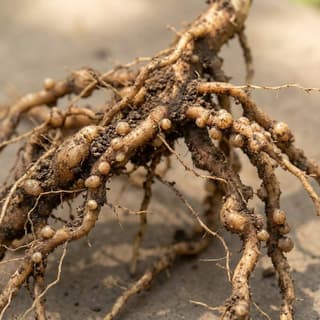
Root-Knot Nematodes
Root-knot nematodes (Meloidogyne species) are microscopic roundworms that parasitize plant roots, causing characteristic galls or knots. These soil-borne pests are among the most economically damaging plant pathogens worldwide, affecting a wide range of ornamental and edible plants. The nematodes inject enzymes into root cells, causing abnormal swelling and disrupting water and nutrient uptake.
✓ Related symptoms:
- • Wilting during hot periods despite adequate soil moisture
⚡ Quick Fixes:
Step 1
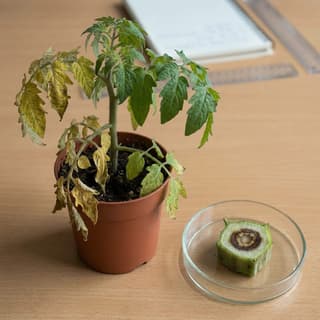
Fusarium Wilt
Fusarium wilt is a serious fungal disease caused by the soil-borne fungus Fusarium oxysporum. The fungus invades roots and blocks the water-conducting vessels (xylem) of the plant, causing progressive wilting and eventual death. Host-specific forms of the pathogen exist that attack different plant species.
✓ Related symptoms:
- • Wilting during the hottest part of the day with recovery at night (early stage)
- • Progressive upward wilting from the stem base
⚡ Quick Fixes:
Remove Plant