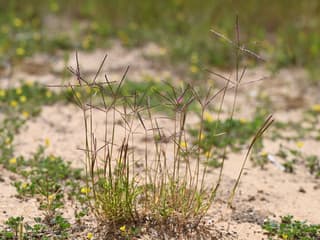
Bermuda grass with Root Rot: Pet-Safe Treatment
Cynodon dactylon
Bermuda grass is a plant that needs bright light and infrequent watering. When showing root rot, it may indicate issues related to its environment or care.
Is your Bermuda grass showing root rot? Discover 2 possible causes and how to treat them.
🔍 Possible Causes (2)
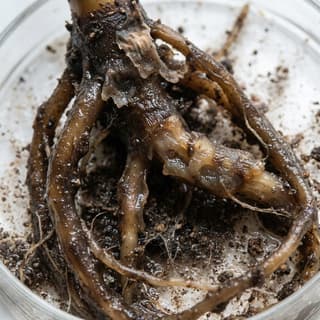
Pythium Root Rot
Pythium root rot is a serious fungal disease caused by various Pythium species including P. aphanidermatum, P. ultimum, and P. irregulare. These water molds are present in practically all cultivated soils and attack plant roots under wet conditions, causing rapid wet rot that can extend into the stem. The disease is favored by poor drainage, overwatering, and specific temperatures depending on the species.
✓ Related symptoms:
- • Dark brown to black wet rot of roots
- • Crown may turn brown-black with soft rot
⚡ Quick Fixes:
Step 1
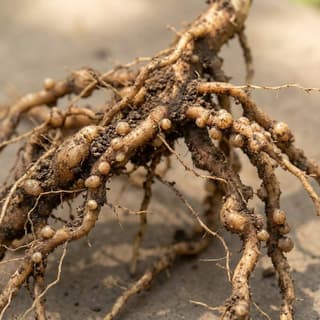
Root-Knot Nematodes
Root-knot nematodes (Meloidogyne species) are microscopic roundworms that parasitize plant roots, causing characteristic galls or knots. These soil-borne pests are among the most economically damaging plant pathogens worldwide, affecting a wide range of ornamental and edible plants. The nematodes inject enzymes into root cells, causing abnormal swelling and disrupting water and nutrient uptake.
✓ Related symptoms:
- • Discolored or necrotic root tips
⚡ Quick Fixes:
Step 1