Complete Plant Guide
Explore plants by difficulty, season and more. Find the perfect plant for you.
Difficulty
Categories
Plants by City
🗺️ Plants by City3613 plants found
Showing 3565-3600 of 3613

Foxtail Palm
Wodyetia bifurcata
Wodyetia bifurcata, commonly known as the Foxtail Palm, is a stunning single-trunked palm native to the rainforests and open woodlands of the Cape Melville region in Queensland, Australia. Its distinctive arching fronds, with leaflets radiating in all directions like a fox's bushy tail, make it one of the most ornamental palms in tropical and subtropical landscapes worldwide.
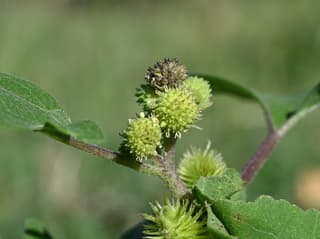
Cocklebur
Xanthium
Xanthium is a genus of annual herbaceous weeds in the family Asteraceae, native to the Americas and eastern Asia. It is best known for its spiny bur fruits that cling to clothing and animal fur, aiding seed dispersal. Plants grow in disturbed soils, roadsides, and open fields, reaching up to 120 cm tall.
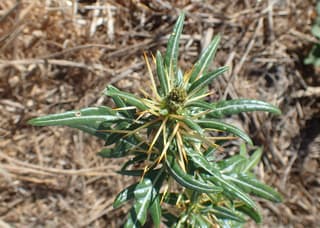
Spiny Cocklebur
Xanthium spinosum
Xanthium spinosum, commonly known as Spiny Cocklebur or Bathurst Burr, is an annual invasive herb in the Asteraceae family, presumed native to South America. It is characterized by long yellowish three-pronged spines at leaf bases and spiny burs that cling readily to animal fur and clothing. It is considered a serious agricultural weed and is highly toxic to livestock and humans.
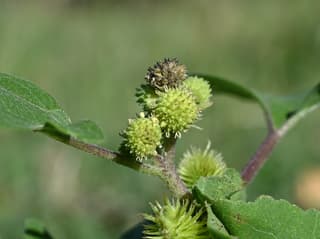
Rough Cocklebur
Xanthium strumarium
Xanthium strumarium, known as Rough Cocklebur, is an annual herbaceous weed belonging to the Asteraceae family. It is a cosmopolitan invasive species found on all continents except Antarctica, thriving in disturbed soils, floodplains, roadsides, and agricultural fields. It is best known for its hard, spiny burs that cling to animal fur and clothing — a property that inspired the invention of velcro. The plant is highly toxic, particularly in the seedling and cotyledon stages, where it contains carboxyatractyloside, a diterpenoid glycoside fatal to livestock and potentially to humans.
Maritime sunburst lichen
Xanthoria parietina
Xanthoria parietina, commonly known as the maritime sunburst lichen or common orange lichen, is a highly resilient lichen species often seen on rocks, walls, and tree bark. Its characteristic bright yellow or orange color is provided by a pigment called parietin, which protects the cells from intense UV radiation. This species lives in symbiosis, with its body composed of a fungus and an alga. It is an excellent bioindicator, as it tolerates nitrogen-rich environments well but remains sensitive to certain types of air pollution.
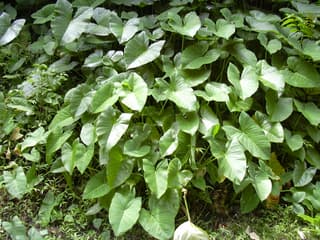
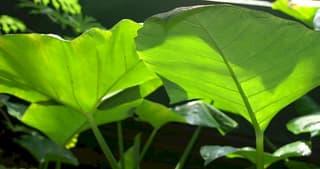
Giant Elephant Ear
Xanthosoma robustum
The giant elephant ear (Xanthosoma robustum) is a tropical aroid native to Mexico and Central America, prized for its massive shield-shaped leaves in deep emerald green with striking white veining. It can reach up to 3.6 m tall under ideal conditions, forming an imposing clump in tropical gardens or large containers.
Arrowleaf Elephant Ear
Xanthosoma sagittifolium
Xanthosoma sagittifolium, popularly known as Arrowleaf Elephant Ear, is a lush tropical plant with large heart- or arrow-shaped leaves. Native to Central and South America, it is widely cultivated for both its ornamental value and its culinary use in various regions. Its leaves can reach impressive sizes, creating a jungle-like look in gardens or well-lit interiors.
Strawflower
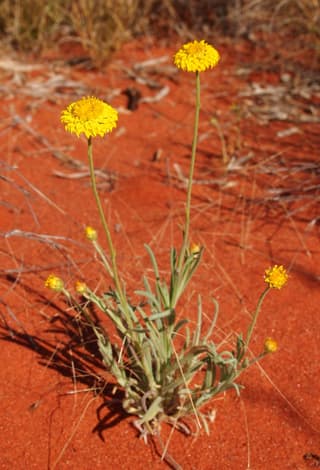
Xerochrysum bracteatum
Xerochrysum bracteatum, commonly known as the Strawflower or Everlasting Daisy, is a cheerful Australian native wildflower celebrated for its papery, long-lasting blooms in shades of yellow, orange, pink, red, and white. Its flowers retain their shape and color for years when dried, making it a favorite for everlasting floral arrangements. A drought-tolerant, sun-loving plant, it thrives in garden borders and containers with minimal care.
Red-cracking Bolete
Xerocomellus chrysenteron
Xerocomellus chrysenteron, commonly known as the red-cracking bolete, is a common edible mushroom characterized by its velvety, brown cap that cracks at maturity to reveal a reddish subcutaneous layer. The pores are yellow, turning greenish-blue when bruised, and the stem is often tinted with ruby red.
Silver Dollar Vine
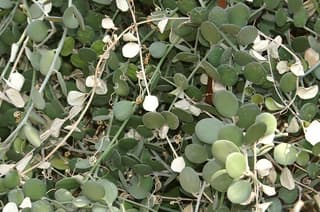
Xerosicyos danguyi
A climbing succulent native to Madagascar, belonging to the Cucurbitaceae family. Its fleshy, round, grayish-green leaves resemble silver coins, which gives it its common name. It grows as a vine with thin, woody stems that can reach several meters in length, making it ideal for hanging pots or growing on a trellis in bright indoor spaces.

Tallow wood
Ximenia americana
Ximenia americana, known as tallow wood, hog plum, or sea lemon, is a semi-parasitic (hemiparasitic) shrub or small tree in the Olacaceae family, found in tropical regions of the Americas, Africa, and Asia. Its roots connect to those of host plants to obtain water and supplemental nutrients. It features thorny branches, bright green oval leaves, small, white, fragrant flowers, and an ovoid yellow or orange fruit with juicy, acidic, edible pulp. It is highly valued for its extraordinary resistance to drought and heat, making it ideal for arid climates and poor soils. Note: the seeds and leaves contain cyanogenic compounds and should not be consumed raw.

Caribbean Swordlily
Xiphidium caeruleum
A rhizomatous perennial herb from the Haemodoraceae family, native to tropical forests ranging from southern Mexico and the Caribbean to central Brazil and Bolivia. It forms compact clumps of linear, bright light-green leaves arranged in a fan shape, reaching heights of 1 foot to 3 feet. In spring and summer, it produces delicate panicles of tubular white flowers that hang downward, followed by fruits that ripen from green to orange, red, and finally black. It is cultivated as an ornamental plant in shaded gardens, borders, and containers, and has traditional uses in folk medicine as a diuretic and anti-inflammatory.
stag's horn
Xylaria
Xylaria, commonly known as the Stag's Horn fungus or Candle-snuff fungus, is a genus of ascomycete fungi. It is characterized by its tough, carbonaceous, and upright fruiting bodies that often branch like antlers. Initially, the tips are covered in white asexual spores (conidia), giving them a 'snuffed candle' appearance, before turning entirely black as they mature and produce sexual spores.
Oriental False Hawksbeard
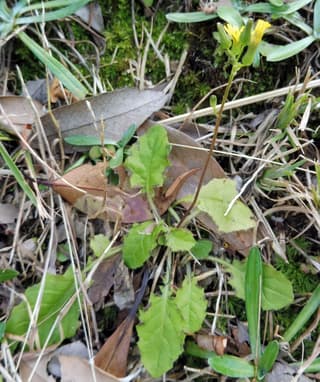
Youngia japonica
Oriental False Hawksbeard (Youngia japonica) is an annual or biennial herb in the Asteraceae family, native to East Asia (Japan, Korea, and China), and now naturalized in various tropical and subtropical regions worldwide, including Brazil. It forms a basal rosette of oblanceolate, lobed leaves from which branched stems emerge, bearing small yellow flower heads. It is a hardy, fast-growing plant commonly found in gardens, flowerbeds, nurseries, and sidewalk cracks, and is considered invasive in several countries. Its young leaves are edible, and the species has traditional uses in Asian folk medicine.
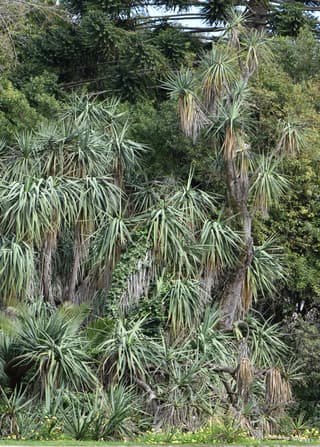
Yucca
Yucca
Yucca is a genus of about 40-50 species of perennial shrubs and trees in the family Asparagaceae, native to hot, arid regions of the Americas including Mexico, the southwestern United States, and the Caribbean. Known for their dramatic sword-like leaves and towering white flower spikes, yuccas are among the most iconic desert and garden plants in the world. Popular indoor species include Yucca elephantipes (Spineless Yucca) and Y. gigantea; outdoors, Y. filamentosa and Y. aloifolia thrive in garden landscapes.
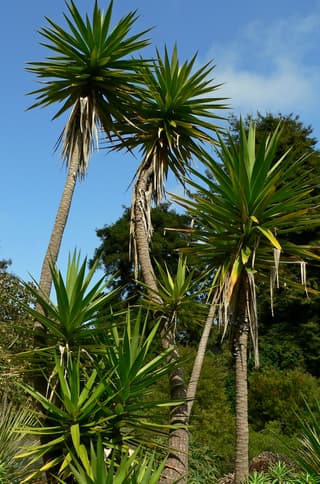
Spanish Bayonet
Yucca aloifolia
Yucca aloifolia, commonly known as Spanish Bayonet, is a striking evergreen shrub or small tree native to the southeastern United States, Mexico, and the Caribbean. It features stiff, sword-like leaves with razor-sharp tips that form a dramatic rosette atop a woody trunk. In summer, it produces tall spikes of creamy white bell-shaped flowers that attract pollinators. Its bold architectural form makes it a popular choice for xeriscape gardens, coastal landscapes, and as a natural security barrier.
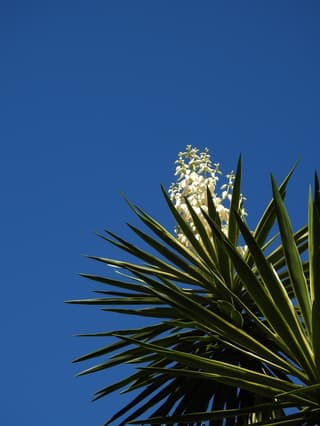
Spineless Yucca
Yucca elephantipes
The Spineless Yucca (Yucca elephantipes) is a striking ornamental plant from the Asparagaceae family, native to Mexico and Central America. Known for its thick trunk base resembling an elephant's foot, it is extremely hardy and easy to care for. It can reach up to 10 meters outdoors, but typically grows 2-4 meters indoors.
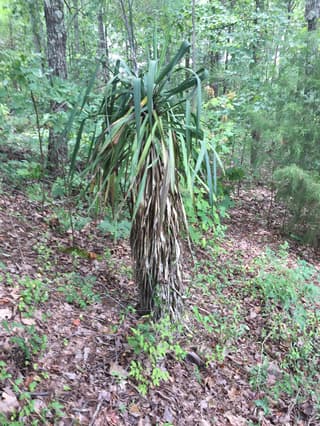
Adam's Needle
Yucca filamentosa
Yucca filamentosa, commonly known as Adam's Needle, is a striking evergreen perennial native to the southeastern United States. It forms bold architectural rosettes of stiff, sword-shaped leaves edged with distinctive curly white filaments. In late spring to early summer, it sends up dramatic tall panicles of creamy white, bell-shaped flowers that attract pollinators like yucca moths and hummingbirds. Exceptionally drought-tolerant and cold-hardy down to zone 4, it thrives in full sun and well-drained soils, making it ideal for xeriscaping, coastal gardens, and rock gardens.
Weak-leaf Yucca
Yucca flaccida
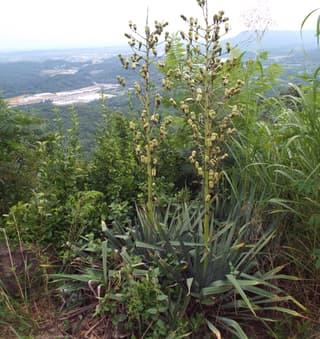
Yucca flaccida, commonly known as Weak-leaf Yucca or Adam's Needle, is a hardy evergreen shrub native to the eastern United States. It forms a dramatic basal rosette of long, sword-shaped leaves that characteristically droop or flop at their tips — the source of its common name. Tall, creamy white flower spikes emerge in summer, making it a striking ornamental plant for dry gardens and landscapes.
Spineless Yucca
Yucca gigantea
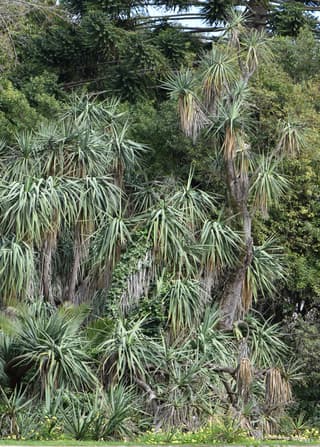
Yucca gigantea, commonly known as Spineless Yucca or Giant Yucca, is a striking large-stemmed tree native to Central America (Mexico, Guatemala, Belize, Honduras). Unlike most yuccas, its leaves have soft, flexible tips making it safer to handle. Grown indoors it forms a dramatic architectural focal point with rosettes of long, arching green leaves atop thick, sculptural trunks. Outdoors in warm climates it can reach 9 m or more and produces tall panicles of creamy-white bell-shaped flowers in summer. It is prized for its drought tolerance, low maintenance needs, and bold tropical aesthetic.
Spanish Dagger
Yucca gloriosa
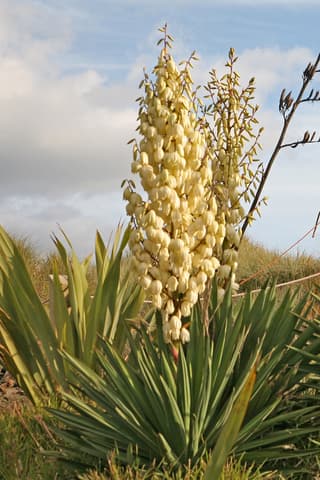
Yucca gloriosa, commonly known as the Spanish Dagger, is an evergreen shrub native to the southeastern United States. Its stiff, sword-shaped leaves form imposing basal rosettes, and its flower stalk can reach up to 16 feet in height with bell-shaped white flowers. It is an extremely hardy plant, tolerating drought, heat, wind, and salt spray.
Coontie
Zamia
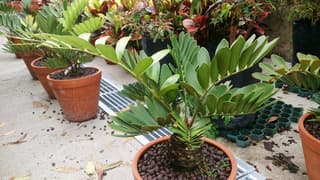
Zamia is a genus of roughly 80 cycad species native to the tropics and subtropics of the Americas, from the southeastern United States to South America. Despite its palm-like rosette of stiff, feathery fronds, Zamia is not a palm or fern but an ancient gymnosperm - a living relative of plants that predate the dinosaurs. It grows from a partly underground caudex (stem) and produces cone-like reproductive structures instead of flowers.
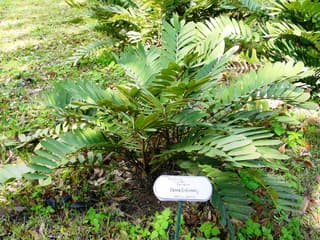
Cardboard Palm
Zamia furfuracea
Zamia furfuracea, commonly known as the Cardboard Palm, is not a true palm but a cycad native to the coastal region of Veracruz, Mexico. One of the most ancient plant lineages on Earth, cycads have existed for over 200 million years. Its stiff, leathery, dark-green fronds radiate from a central trunk, creating a striking architectural appearance highly prized in ornamental gardening worldwide.
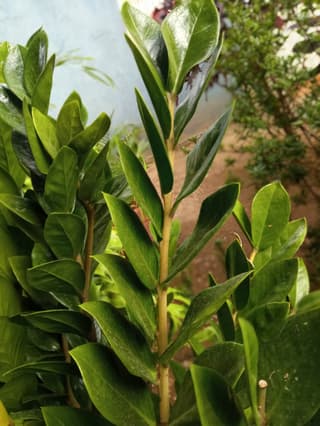
ZZ Plant
Zamioculcas
The ZZ Plant (Zamioculcas zamiifolia) is a tropical perennial native to Eastern Africa, prized for its exceptional drought tolerance and glossy, dark-green foliage. A member of the Araceae family, it stores water in thick rhizomes and fleshy roots, making it one of the most forgiving houseplants available. Its arching stems lined with oval, waxy leaflets add an elegant, sculptural quality to any interior space.
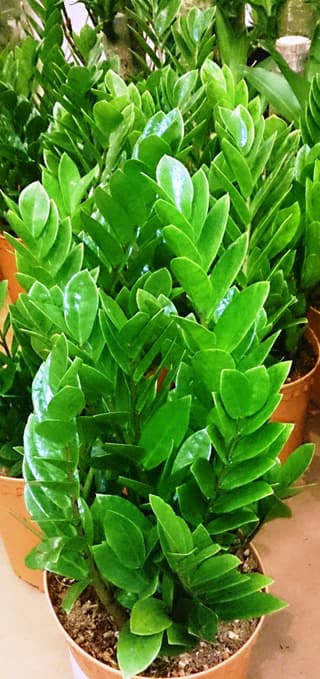
ZZ Plant
Zamioculcas zamiifolia
The ZZ Plant (Zamioculcas zamiifolia) is a tropical perennial native to eastern Africa, renowned for its glossy, dark green pinnate leaves and remarkable resilience. Its ability to thrive in low light conditions and tolerate drought makes it one of the most popular and beginner-friendly houseplants. The plant grows from underground rhizomes that store water, allowing it to survive extended periods without watering.
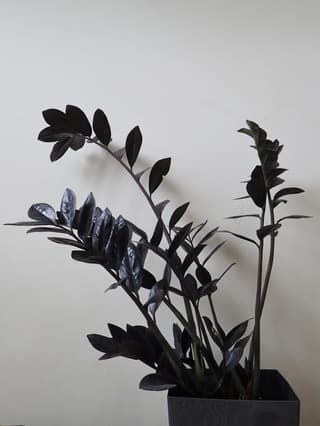
Raven ZZ Plant
Zamioculcas zamiifolia 'Raven'
The Raven ZZ Plant is a striking cultivar of the classic ZZ plant, prized for its glossy, deep purple-black foliage. New shoots emerge bright lime green and gradually darken to near-black over 4-8 weeks, creating a dramatic two-tone effect on mature plants. Like its green parent, it stores water in thick underground rhizomes, making it extremely drought-tolerant and nearly indestructible for beginners.
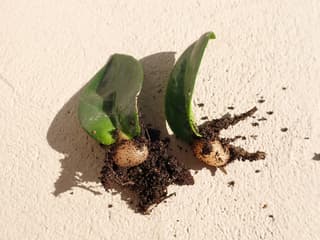
Dwarf ZZ Plant
Zamioculcas zamiifolia 'Zenzi'
The Dwarf ZZ Plant (Zamioculcas zamiifolia 'Zenzi') is a compact cultivar of the popular ZZ Plant, featuring smaller, more rounded leaflets on arching stems. Native to East Africa as a selected cultivar, it is perfect for small spaces. Highly resilient, it tolerates low light and extended dry periods thanks to its water-storing rhizomes. WARNING: contains calcium oxalate crystals — toxic to humans, dogs and cats.
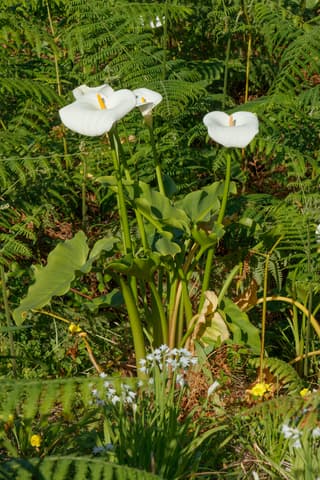
Calla Lily
Zantedeschia aethiopica
Zantedeschia aethiopica, commonly known as Calla Lily or Arum Lily, is a striking perennial from the family Araceae, native to southern Africa. It produces iconic trumpet-shaped white spathes surrounding a yellow spadix, with large, glossy, arrow-shaped leaves. Widely grown as an ornamental plant in gardens and as a cut flower, it thrives in moist, fertile soil.
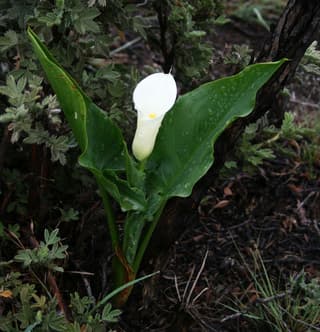
Spotted Calla Lily
Zantedeschia albomaculata
Zantedeschia albomaculata, commonly known as the Spotted Calla Lily, is a tuberous perennial native to Southern Africa (South Africa, Zimbabwe, and Tanzania). It features distinctive white-spotted dark green leaves and elegant pale spathes with a characteristic maroon throat. Belonging to the family Araceae, this ornamental plant goes dormant in winter and re-emerges with striking foliage in spring.
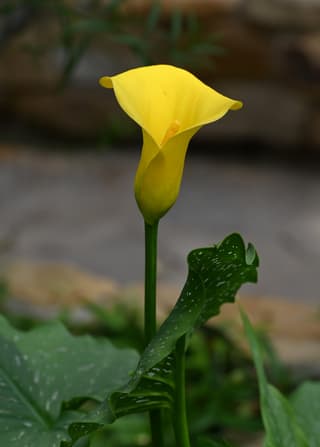
Golden Arum Lily
Zantedeschia elliottiana
The Golden Arum Lily (Zantedeschia elliottiana) is a herbaceous perennial native to South Africa, prized for its stunning golden-yellow spathes that emerge amid green leaves spotted with white translucent markings. It is one of the most elegant colored varieties in the Zantedeschia genus, widely used in floral arrangements and ornamental gardens. WARNING: All parts of the plant are toxic to humans, cats, and dogs due to calcium oxalate crystals.
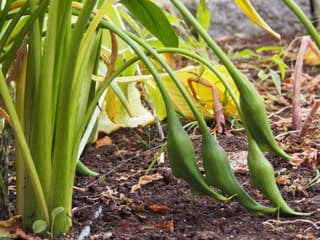
Pink Calla Lily
Zantedeschia rehmannii
Zantedeschia rehmannii, the Pink Calla Lily, is a rhizomatous perennial native to the coastal provinces of South Africa, belonging to the Araceae family. It produces graceful funnel-shaped spathes in shades of pink, lilac, and white with a yellow spadix. Popular as an ornamental houseplant and garden specimen. WARNING: contains insoluble calcium oxalate crystals — toxic to cats, dogs, and humans.
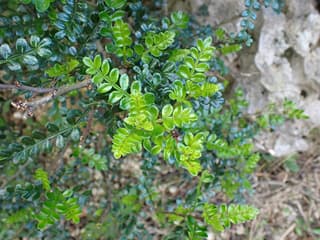
Chinese pepper tree
Zanthoxylum beecheyanum
Zanthoxylum beecheyanum, commonly known as the Chinese Pepper or Tiny-leaf Sichuan Pepper, is a slow-growing evergreen shrub native to East Asia. It is highly prized in the bonsai community for its naturally small, glossy pinnate leaves and compact growth habit. The plant features small thorns along its branches and produces aromatic foliage that emits a citrusy scent when crushed. In maturity, it may produce tiny greenish flowers followed by small reddish-brown peppercorns.
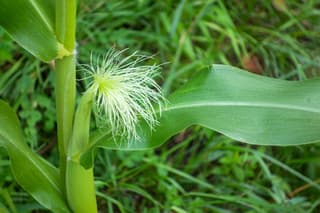
Corn / Maize
Zea
Zea is a genus of tall annual grasses in the Poaceae family, best known through its widely cultivated species Zea mays (corn or maize), a staple cereal crop grown worldwide for its starchy kernels.
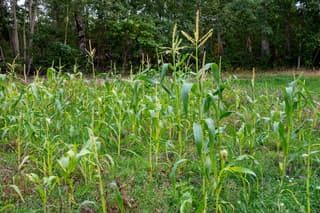
Corn
Zea mays
Zea mays, commonly known as corn or maize, is an annual grass native to Mesoamerica. It is one of the world's most important crops, characterized by its rapid growth, sturdy stalks, and the production of ears enclosed in husks. Beyond its economic importance, it is a plant of great cultural and nutritional value for many civilizations.
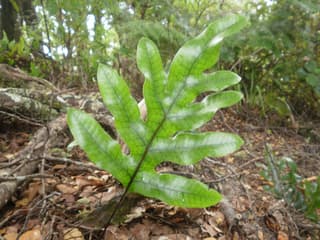
Kangaroo Fern
Zealandia pustulata
Zealandia pustulata, commonly known as the kangaroo fern or hound's tongue fern, is an epiphytic and lithophytic fern native to New Zealand, eastern Australia (Queensland, New South Wales, Victoria, Tasmania), Lord Howe Island and Norfolk Island. In the wild it climbs over rocks, tree trunks and forest floor debris via long, creeping grey-green rhizomes, producing leathery, glossy green fronds that range from simple to deeply lobed. Formerly classified under Microsorum and Phymatosorus, it was moved to its own genus, Zealandia, in 2019. Slow-growing but tough and adaptable, it is prized as a low-maintenance houseplant, hanging basket subject, or shaded ground cover, tolerating periods of drought once established and rarely troubled by pests or disease.
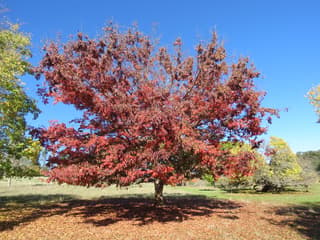
Japanese Zelkova
Zelkova serrata
Zelkova serrata, commonly known as Japanese Zelkova or Keaki, is a graceful deciduous tree native to Japan, China, and Korea. A member of the elm family (Ulmaceae), it is celebrated for its vase-shaped canopy, serrated leaves that turn brilliant shades of orange, red, and burgundy in autumn, and its distinctive honeycomb-patterned bark. Widely planted as an urban shade tree, it is also one of the most revered subjects in the art of bonsai.
Find the Perfect Plant
Our plant guide helps you find ideal species for your experience level and time of year.
Browse by Difficulty, Season & More
Use the filters below to narrow this catalog by care difficulty, season, environment, or search directly by name. Each filter leads to a focused list tailored to your specific growing conditions.