Rutaceae
Chinese pepper tree: Aromatic Plant
Zanthoxylum beecheyanum
Requires bright light and consistently moist but well-drained soil. It thrives in high humidity and benefits from regular pruning to maintain its dense, ornamental shape.
Every 5 days
Bright indirect
10° - 30°C
40% - 70%
Categories
What is Chinese pepper tree?
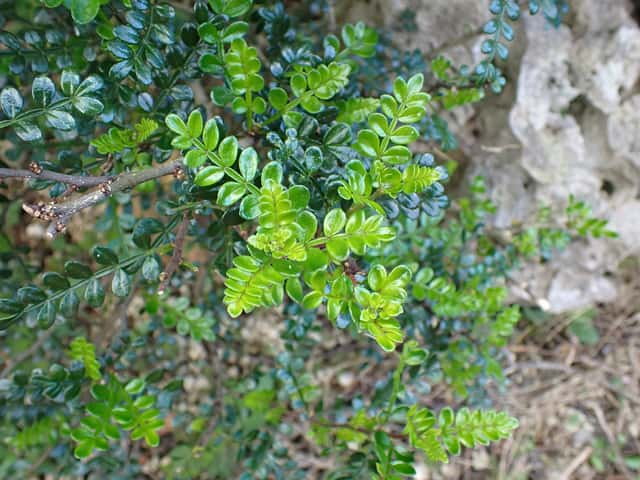
Chinese pepper tree (Zanthoxylum beecheyanum) is a medium-care plant from the Rutaceae family. Zanthoxylum beecheyanum, commonly known as the Chinese Pepper or Tiny-leaf Sichuan Pepper, is a slow-growing evergreen shrub native to East Asia. It is highly prized in the bonsai community for its naturally small, glossy pinnate leaves and compact growth habit. The plant features small thorns along...
Chinese pepper tree grows up to 2.0m, spread of 150cm, watering every 5 days, 10°C – 30°C, 40–70% humidity. It is suitable for indoor environments and safe for pets.
Unlike many popular species, Chinese pepper tree is safe to keep around pets. Without adequate drainage, root rot can develop within 10 days.
How to Care for Chinese pepper tree?
TLDR: Chinese pepper tree needs Bright indirect, watering every 5 days, and temperatures between 10-30°C with 40-70% humidity.
How Often Should You Water Chinese pepper tree?
Water thoroughly when the top layer of soil feels slightly dry, but ensure the pot never sits in standing water.
How Much Light Does Chinese pepper tree Need?
Place in a south-facing window or a very bright spot; it can tolerate direct morning sun but needs protection from intense afternoon heat.
What Is the Best Soil for Chinese pepper tree?
Use a specialized bonsai soil mix containing akadama, pumice, and lava rock for optimal drainage.
What Pot Should You Use for Chinese pepper tree?
Unglazed ceramic bonsai pots are preferred to allow for better root aeration and moisture control.
Care Schedule
Fertilize
Every 14 days
Misting
Every 2 days
Rotate
Every 7 days
Repot
Every 730 days
What Is Chinese pepper tree and Where Does It Come From?
Zanthoxylum beecheyanum, commonly known as the Chinese Pepper or Tiny-leaf Sichuan Pepper, is a slow-growing evergreen shrub native to East Asia. It is highly prized in the bonsai community for its naturally small, glossy pinnate leaves and compact growth habit. The plant features small thorns along its branches and produces aromatic foliage that emits a citrusy scent when crushed. In maturity, it may produce tiny greenish flowers followed by small reddish-brown peppercorns.
How to Propagate Chinese pepper tree?
Semi-hardwood Cuttings
- Keep the medium warm using a heat mat
- Avoid direct sunlight until roots are established
- 1 Take Cuttings
Cut a 10-15cm section of semi-hardwood stem just below a leaf node.
- 2 Prepare Stem
Remove the lower leaves and dip the cut end into rooting hormone powder.
- 3 Planting
Insert the cutting into a moist mix of perlite and peat moss, then cover with a plastic dome to maintain humidity.
Materials needed:
Seed Propagation
- Use fresh seeds whenever possible
- Be patient as germination can be very erratic
- 1 Scarification
Gently rub the hard seed coat with sandpaper to allow moisture penetration.
- 2 Stratification
Place seeds in a damp paper towel inside a fridge for 90 days to simulate winter.
- 3 Sowing
Sow seeds in a well-draining seed starter mix and keep at room temperature.
Materials needed:
How Big Does Chinese pepper tree Grow?
TLDR: Chinese pepper tree can reach up to 2.0m tall with Slow growth rate.
Max height
2.0m
Spread
1.5m
Growth rate
Slow
Foliage
Deciduous
Plant Uses
Ornamental
Great for decoration
Edible
Can be consumed
Aromatic
Pleasant fragrance
Medicinal Uses
- Used in traditional medicine for digestive support
- Topical applications for minor pain relief
Culinary Uses
- Seed husks used as a spice similar to Sichuan pepper
- Young leaves used as a garnish or flavoring in Asian dishes
Is your plant showing symptoms?
Click on the symptom to discover possible causes:
What Diseases Commonly Affect Chinese pepper tree?
TLDR: Chinese pepper tree is susceptible to 11 known diseases. Monitor regularly for early detection.
Root Rot
Root rot is a serious fungal disease that affects the root system of plants, causing them to decay and die. It is primarily caused by overwatering, poor drainage, or soil-borne fungi such as Pythium, Phytophthora, Rhizoctonia, and Fusarium. The disease thrives in waterlogged conditions where roots are deprived of oxygen, making them susceptible to fungal infection.
Aphids
Aphids are small, soft-bodied, pear-shaped insects (1/16 to 1/8 inch long) that feed by sucking nutrient-rich sap from plants. They reproduce rapidly and can quickly weaken plants, causing distorted growth and transmitting plant viruses. Aphids come in various colors including green, black, red, yellow, brown, and gray. They secrete honeydew, a sticky substance that attracts ants and encourages sooty mold growth.
Scale Insects
Scale insects are small sap-sucking pests that appear as brown, shell-like bumps on plant stems and leaves. There are over 25 species, divided into armored (hard) and unarmored (soft) scales. They feed by piercing plant tissue and extracting sap, which weakens the plant and can lead to yellowing, stunted growth, and even death if left untreated. They also excrete honeydew, which attracts ants and promotes sooty mold growth.
Caterpillars
Caterpillars are the larval stage of moths and butterflies that feed voraciously on plant foliage, stems, flowers, and fruits. Common species include cabbage loopers, tomato hornworms, armyworms, and cutworms. These pests can cause extensive damage by consuming large amounts of plant tissue in a short time. They vary in size from small (1/4 inch) to large (5 inches), with colors ranging from green to brown, often featuring stripes or spots. Caterpillars are highly mobile and can quickly spread throughout gardens, making them one of the most destructive common pests.
Meaning & Symbolism
Often associated with protection and the warding off of negative energy in East Asian folklore.
Compare with similar plants
| Attribute | Difficulty | Light | Watering | Pet Safe |
|---|---|---|---|---|
| Dark Fieldcap | Medium | Low light | 2d | ⚠️ |
| Azalea | Medium | Partial shade | 3d | ⚠️ |
| Muriel's Bamboo | Medium | Partial shade | 3d | ✓ |
| Bougainvillea | Medium | Direct sun | 7d | ⚠️ |




