Orchidaceae
West Indian Vanilla (Vanilla pompona): Care Guide
Vanilla pompona
A vigorous tropical vine for a greenhouse, warm conservatory or frost-free garden. It needs a sturdy support to climb, bright filtered light, warmth (about 18-35 °C), high humidity and an airy, rich and well-drained medium kept lightly moist. Feed regularly during growth, mist the aerial roots, and avoid waterlogging, which leads to root and stem rot.
Every 7 days
Bright indirect
18° - 35°C
60% - 85%
Categories
What is West Indian Vanilla?
West Indian Vanilla (Vanilla pompona) is a hard-care plant from the Orchidaceae family. Vanilla pompona, known in the French Antilles as vanillon, is a climbing vanilla orchid native to Mexico, Central America and northern South America. Like other vanillas it is a vine that clings to trees with fleshy aerial roots; its leaves and stems are thicker than those of the common vanilla, Van...
West Indian Vanilla grows up to watering every 7 days, 18°C – 35°C, 60–85% humidity. It is suitable for indoor environments and safe for pets.
Unlike easy-care plants, West Indian Vanilla demands constant attention to humidity and light. Not recommended for beginners. Unlike many popular species, West Indian Vanilla is safe to keep around pets. Without adequate drainage, root rot can develop within 14 days.
How to Care for West Indian Vanilla?
TLDR: West Indian Vanilla needs Bright indirect, watering every 7 days, and temperatures between 18-35°C with 60-85% humidity.
How Often Should You Water West Indian Vanilla?
Keep the growing medium lightly and evenly moist, watering about once a week and letting the surface dry slightly in between. Mist leaves and aerial roots every few days in dry air. Water less in cooler months and never let the roots sit in water.
How Much Light Does West Indian Vanilla Need?
Bright, filtered light similar to a forest edge, roughly 50% shade outdoors. Avoid hot midday sun, which scorches the leaves; in too little light the vine grows thin and does not flower.
What Is the Best Soil for West Indian Vanilla?
An airy, rich, well-drained mix such as orchid bark with leaf mould, compost and some coarse sand, pH about 6-7. Outdoors a mulched, loamy soil beside a support tree works well.
What Pot Should You Use for West Indian Vanilla?
A large, heavy pot with plenty of drainage and a tall moss pole or trellis; the vine needs a permanent support to climb.
Care Schedule
Fertilize
Every 30 days
Misting
Every 3 days
Repot
Every 730 days
What Is West Indian Vanilla and Where Does It Come From?
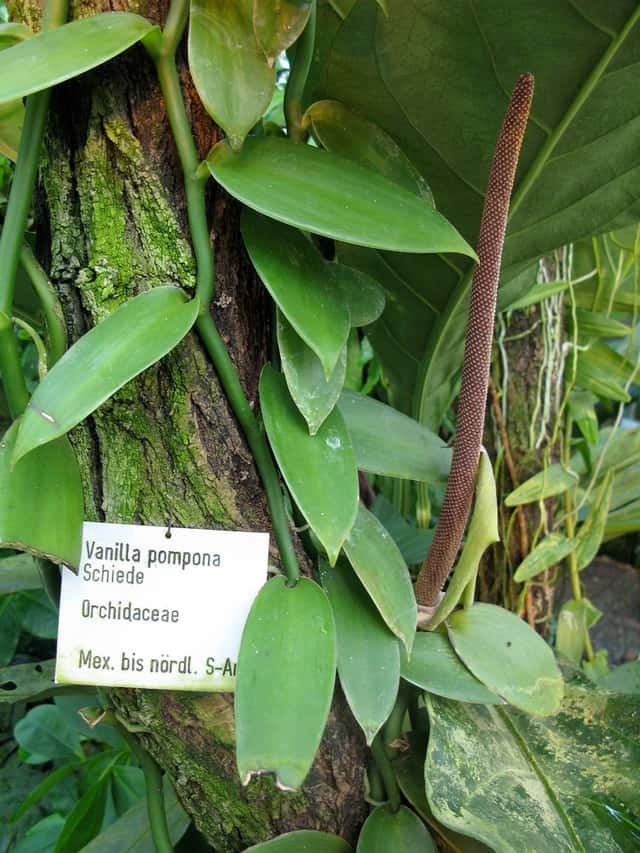
Vanilla pompona, known in the French Antilles as vanillon, is a climbing vanilla orchid native to Mexico, Central America and northern South America. Like other vanillas it is a vine that clings to trees with fleshy aerial roots; its leaves and stems are thicker than those of the common vanilla, Vanilla planifolia. It bears large greenish-yellow flowers and short, plump pods with a high vanillin content that are used for flavouring and perfumery. In Peru its flowers are pollinated by the orchid bee Eulaema cingulata.
How to Propagate West Indian Vanilla?
Stem cutting
Long cuttings establish and flower much sooner. Plant cuttings within a few days of taking them and keep the medium moist, not wet.
- 1 Cut a healthy stem section with several nodes, the longer the better
- 2 Remove the lowest 2-3 leaves
- 3 Lay the defoliated nodes on or just into moist, airy mix at the foot of a support
- 4 Tie the upper part to the support and keep warm, shaded and humid until roots and a new shoot appear
Materials needed:
How Big Does West Indian Vanilla Grow?
TLDR: West Indian Vanilla can reach up to ?cm tall with Fast growth rate.
Growth rate
Fast
Foliage
Evergreen
Plant Uses
Ornamental
Great for decoration
Edible
Can be consumed
Aromatic
Pleasant fragrance
Culinary Uses
- The cured pods (vanillon) are used to flavour desserts, drinks and liqueurs, much like common vanilla.
Is your plant showing symptoms?
Click on the symptom to discover possible causes:
What Diseases Commonly Affect West Indian Vanilla?
TLDR: West Indian Vanilla is susceptible to 7 known diseases. Monitor regularly for early detection.
Root Rot
Root rot is a serious fungal disease that affects the root system of plants, causing them to decay and die. It is primarily caused by overwatering, poor drainage, or soil-borne fungi such as Pythium, Phytophthora, Rhizoctonia, and Fusarium. The disease thrives in waterlogged conditions where roots are deprived of oxygen, making them susceptible to fungal infection.
Fusarium Wilt
Fusarium is a soil-borne fungus that primarily attacks the roots and vascular tissues of plants. It enters through small wounds or stressed roots, is favored by warm temperatures and waterlogging, and then obstructs the flow of sap. Symptoms include yellowing, often on only one side of the plant, wilting even with moist soil, stunted growth, and, when cutting the stem, internal brown streaks. It frequently affects tomatoes, peppers, eggplants, basil, cucumbers, and zucchini, as well as ornamentals like carnations and cyclamen. In potted plants, it can manifest as root rot with a darkened crown.
Anthracnose
Anthracnose is a fungal disease caused by fungi in the genus Colletotrichum that affects many plants, including vegetables, fruits, and trees. The disease thrives in cool, wet conditions, causing dark, sunken lesions on leaves, stems, flowers, and fruits.
Phytophthora Root Rot
The Phytophthora genus consists of soil-borne oomycetes (water molds) that act as plant pathogens, primarily affecting trees and woody plants. It typically spreads through the root system, leading to systemic decline and eventual plant collapse.
Meaning & Symbolism
Associated with warmth, comfort and sweetness, from its role in Caribbean kitchens and perfumery.
Fun Facts
In the French Antilles it is called vanillon, "little vanilla"
Peruvian pods tested up to 9.88 g of vanillin per 100 g
In Peru its pollinator is a single orchid bee, Eulaema cingulata
Frequently asked questions
Is Vanilla pompona the same as regular vanilla?
Can I grow Vanilla pompona indoors?
Why are my vanilla roots rotting?
How do vanilla pods form?
Compare with similar plants
| Attribute | Difficulty | Light | Watering | Pet Safe |
|---|---|---|---|---|
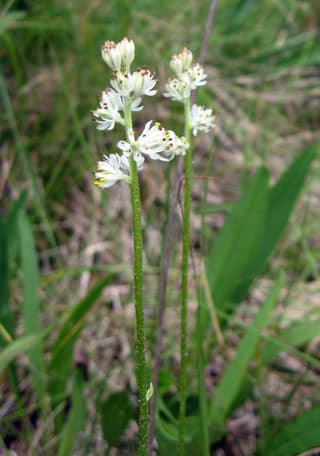
| Sticky false asphodel | Hard | Bright indirect | 1d | ✓ |
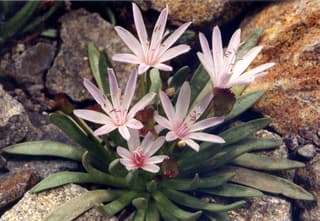
| Truckee lewisia | Hard | Bright indirect | 10d | ✓ |
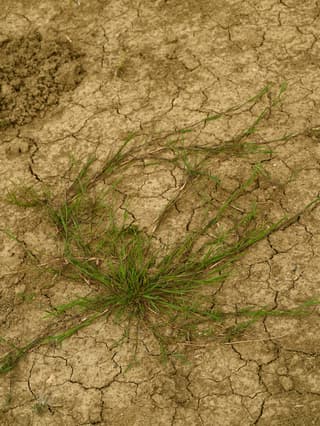
| Creeping bentgrass | Hard | Direct sun | 3d | ✓ |
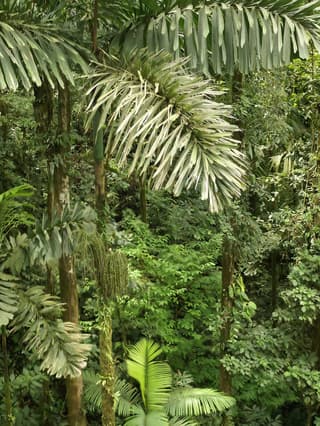
| Walking Palm | Hard | Bright indirect | 3d | ✓ |