Arecaceae
Walking Palm: Edible Plant
Socratea exorrhiza
Requires strict tropical conditions: very high humidity, constant warmth, and consistently moist, organic-rich soil.
Every 3 days
Bright indirect
20° - 35°C
70% - 95%
Categories
What is Walking Palm?
Walking Palm (Socratea exorrhiza) is a hard-care plant from the Arecaceae family. Socratea exorrhiza, commonly known as the walking palm, is a fascinating tree from the Amazon rainforest. Its most striking feature is the aerial stilt roots that project from the trunk above the ground. While the myth that it 'walks' to seek light is debated, its roots provide stability in waterlog...
Walking Palm grows up to 25.0m, spread of 600cm, watering every 3 days, 20°C – 35°C, 70–95% humidity. It is not suitable for indoor environments and safe for pets.
Unlike easy-care plants, Walking Palm demands constant attention to humidity and light. Not recommended for beginners. Unlike many popular species, Walking Palm is safe to keep around pets.
How to Care for Walking Palm?
TLDR: Walking Palm needs Bright indirect, watering every 3 days, and temperatures between 20-35°C with 70-95% humidity.
How Often Should You Water Walking Palm?
Never let the soil dry out. In dry climates, watering should be daily and accompanied by constant misting.
How Much Light Does Walking Palm Need?
Prefers bright, filtered light, simulating the forest canopy; young plants are sensitive to intense direct sun.
What Is the Best Soil for Walking Palm?
The soil must be extremely rich in humus and have excellent drainage, despite needing to be always wet.
What Pot Should You Use for Walking Palm?
Not recommended for long-term potting due to its expansive root system; requires direct planting in the ground.
Care Schedule
Fertilize
Every 30 days
Misting
Every 1 days
What Is Walking Palm and Where Does It Come From?
Socratea exorrhiza, commonly known as the walking palm, is a fascinating tree from the Amazon rainforest. Its most striking feature is the aerial stilt roots that project from the trunk above the ground. While the myth that it 'walks' to seek light is debated, its roots provide stability in waterlogged soils and allow for rapid growth. It has pinnate leaves and a smooth green trunk when young.
How to Propagate Walking Palm?
Propagation by Seeds
- Seeds lose viability quickly, plant them soon after harvesting.
- Keep the substrate always saturated, but not stagnant.
- 1 Collection and Cleaning
Remove the pulp from ripe fruits and clean the seeds thoroughly under running water.
- 2 Scarification
Soak the seeds in warm water for 24 to 48 hours to accelerate germination.
- 3 Planting
Sow in rich substrate and maintain a constant temperature above 25°C with high humidity.
Materials needed:
How Big Does Walking Palm Grow?
TLDR: Walking Palm can reach up to 25.0m tall with Medium growth rate.
Max height
25.0m
Spread
6.0m
Growth rate
Medium
Foliage
Evergreen
Plant Uses
Ornamental
Great for decoration
Edible
Can be consumed
Medicinal
Medicinal properties
Medicinal Uses
- Roots used in traditional medicine to treat hepatitis
- Extracts with antimalarial properties
Culinary Uses
- Heart of palm extracted from the trunk's core
- Fruits occasionally consumed
Is your plant showing symptoms?
Click on the symptom to discover possible causes:
Meaning & Symbolism
Represents adaptability and survival in dynamic and challenging environments.
Compare with similar plants
| Attribute | Difficulty | Light | Watering | Pet Safe |
|---|---|---|---|---|
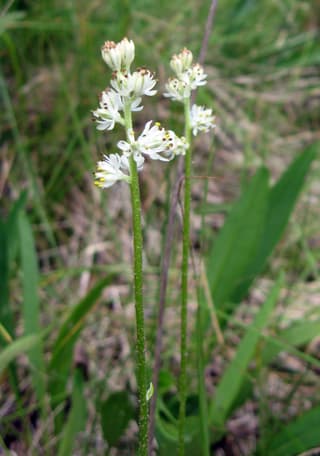
| Sticky false asphodel | Hard | Bright indirect | 1d | ✓ |
| Madagascar Lace Plant | Hard | Partial shade | 1d | ✓ |
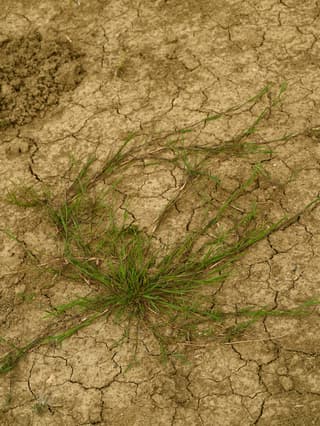
| Creeping bentgrass | Hard | Direct sun | 3d | ✓ |
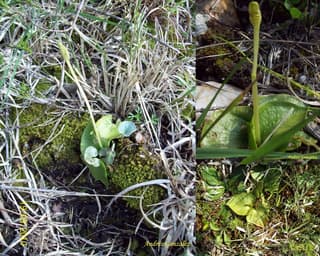
| Bulbous Adder's-tongue | Hard | Partial shade | 4d | ✓ |