Clathraceae
Stinking Squid: Best for Low Light
Pseudocolus fusiformis
As a fungus, it cannot be 'cultivated' traditionally; it requires decaying organic matter, constant high humidity, and deep shade.
Every 2 days
Low light
15° - 28°C
75% - 95%
Categories
What is Stinking Squid?
Stinking Squid (Pseudocolus fusiformis) is a hard-care plant from the Clathraceae family. Pseudocolus fusiformis, commonly known as the 'Squid Stinkhorn', is a fascinating saprophytic fungus. It emerges from a white underground 'egg' to form a structure with 3 to 4 arms joined at the top, which separate at maturity, resembling tentacles. The inner part of the arms is covered by a foul-sm...
Stinking Squid grows up to 6cm, spread of 4cm, watering every 2 days, 15°C – 28°C, 75–95% humidity. It is not suitable for indoor environments and safe for pets.
Unlike easy-care plants, Stinking Squid demands constant attention to humidity and light. Not recommended for beginners. Unlike many popular species, Stinking Squid is safe to keep around pets.
How to Care for Stinking Squid?
TLDR: Stinking Squid needs Low light, watering every 2 days, and temperatures between 15-28°C with 75-95% humidity.
How Often Should You Water Stinking Squid?
The substrate must remain constantly saturated, simulating the environment of humid tropical forests.
How Much Light Does Stinking Squid Need?
Avoid direct sunlight; this fungus thrives in shaded, damp areas under tree canopy cover.
What Is the Best Soil for Stinking Squid?
Requires humus-rich soil or areas with an abundance of decaying wood chips.
What Pot Should You Use for Stinking Squid?
Not recommended for pots; prefers mulched soil or decaying wood.
Care Schedule
Misting
Every 1 days
What Is Stinking Squid and Where Does It Come From?
Pseudocolus fusiformis, commonly known as the 'Squid Stinkhorn', is a fascinating saprophytic fungus. It emerges from a white underground 'egg' to form a structure with 3 to 4 arms joined at the top, which separate at maturity, resembling tentacles. The inner part of the arms is covered by a foul-smelling greenish-brown gleba that attracts flies for spore dispersal.
How to Propagate Stinking Squid?
Natural Spore Dispersal
- Keep the soil rich in wood chips and organic matter to encourage natural appearance.
- 1 Vector Attraction
The fungus produces a rotting meat odor to attract flies.
- 2 Transport
Flies land on the sticky gleba and carry the spores on their legs.
- 3 Deposition
Spores are deposited onto new organic substrates where the mycelium can develop.
Materials needed:
How Big Does Stinking Squid Grow?
TLDR: Stinking Squid can reach up to 6cm tall with Fast growth rate.
Max height
6cm
Spread
4cm
Growth rate
Fast
Plant Uses
Ornamental
Great for decoration
Is your plant showing symptoms?
Click on the symptom to discover possible causes:
Meaning & Symbolism
Represents decomposition and nature's cycle of renewal.
Compare with similar plants
| Attribute | Difficulty | Light | Watering | Pet Safe |
|---|---|---|---|---|
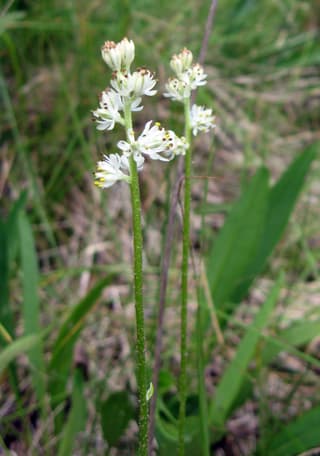
| Sticky false asphodel | Hard | Bright indirect | 1d | ✓ |
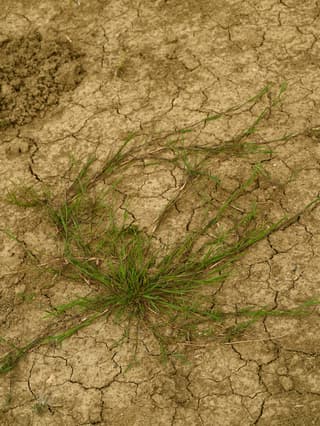
| Creeping bentgrass | Hard | Direct sun | 3d | ✓ |
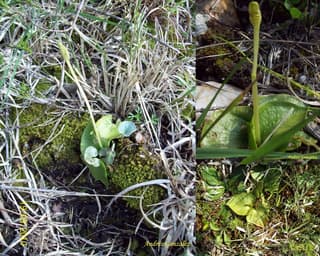
| Bulbous Adder's-tongue | Hard | Partial shade | 4d | ✓ |
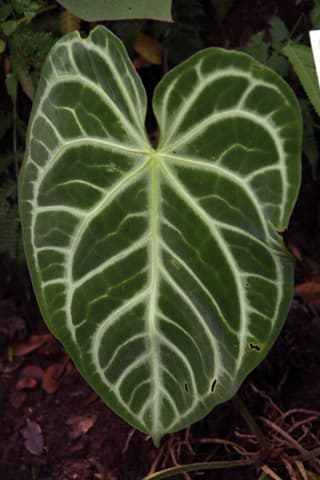
| Crystal Anthurium | Hard | Partial shade | 7d | ⚠️ |