1159 Medium Easy Care | 2026 Guide - Page 27
Find 1159 medium easy care. Complete guide for your garden.
1159 Easy Care with medium level
Showing 937-972 of 1159

Golden Shower Vine
Pyrostegia
Pyrostegia is a vigorous evergreen to semi-deciduous climbing vine in the Bignoniaceae family, native to southern Brazil, Bolivia, Paraguay, and northeastern Argentina. The genus is effectively monotypic in cultivation, dominated by Pyrostegia venusta, commonly called the flame vine or golden shower vine for its abundant clusters of tubular orange flowers that blanket the plant in winter and early spring. Its branched tendrils cling readily to fences, walls, and pergolas, making it a popular choice for covering large vertical spaces quickly.
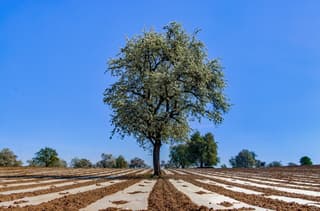
Pear
Pyrus
The genus Pyrus, in the family Rosaceae, encompasses the cultivated pear trees grown worldwide. The European pear (Pyrus communis) is the most widely cultivated species, prized for its sweet, buttery fruit enjoyed fresh, cooked, or preserved. These deciduous trees produce abundant clusters of white spring blossoms before the leaves emerge, making them beautiful ornamental and fruit-bearing trees in gardens and orchards. Native to Europe and Western Asia, pear trees have been cultivated for over 5,000 years and hold an important place in culinary and cultural history.
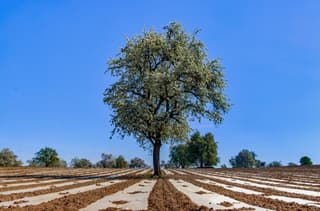
European Pear
Pyrus communis
Pyrus communis, the European Pear, is one of the oldest cultivated fruit trees in human history, originating in the temperate regions of Europe and Western Asia. It belongs to the Rosaceae family and is celebrated for producing some of the world's most beloved fruit cultivars — including Bartlett (Williams), Bosc, Anjou, and Conference. A deciduous tree that can reach up to 12 meters in height, it bursts into beautiful white blossoms each spring before leafing out, and bears sweet, juicy fruit in late summer and early autumn.
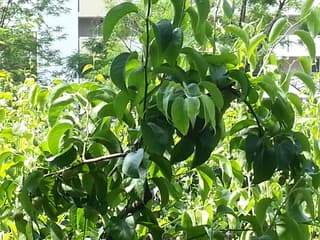
Asian Pear
Pyrus pyrifolia
Pyrus pyrifolia, the Asian or nashi pear, is a deciduous fruit tree native to East Asia (China, Japan, and Korea) in the rose family Rosaceae. It grows 7-15 m tall with a rounded crown, glossy serrated leaves, and clusters of fragrant white five-petaled flowers that open in early spring before the leaves. Its fruit is round, crisp, and juicy rather than the soft, buttery texture of European pears, with russeted or golden skin and a sweet, mildly floral flavor. Widely cultivated in Japan, China, and Korea, and increasingly in orchards worldwide, it requires a period of winter chilling to break dormancy and set fruit.
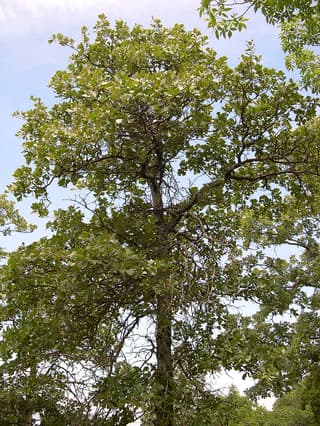
Blackjack Oak
Quercus marilandica
Blackjack Oak is a small to medium deciduous tree native to the dry, sandy and rocky uplands of central and eastern North America. Named for its dark, blocky bark, it is prized less for ornamental beauty and more for its toughness — thriving in poor, acidic soils where few other trees survive. Its distinctive leathery, three-lobed leaves and gnarled, irregular crown make it a valued native for woodland and wildlife gardens.
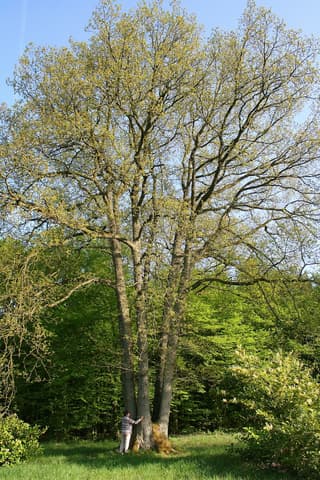
Sessile Oak
Quercus petraea
The sessile oak (Quercus petraea) is a large deciduous tree native to the temperate forests of Europe. It can live for several centuries and reach up to 40 meters in height, forming a broad, rounded crown. Its lobed leaves and stalkless (sessile) acorns distinguish it from the closely related pedunculate oak (Quercus robur).
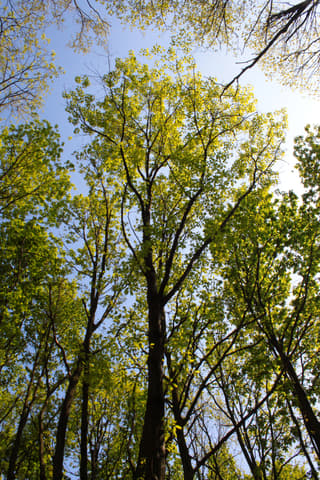
Northern Red Oak
Quercus rubra
The Northern Red Oak (Quercus rubra) is one of the most majestic deciduous trees of eastern North America. It can exceed 70 feet in height with a broad, rounded crown and deeply lobed leaves that turn brilliant scarlet, russet, and crimson in autumn. Among the faster-growing oaks, it is prized as an ornamental shade tree, street tree, and critical wildlife habitat.
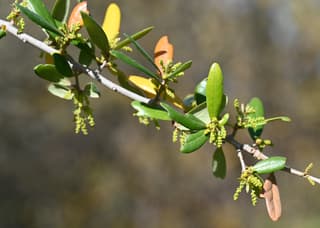
Southern Live Oak
Quercus virginiana
Quercus virginiana, the Southern Live Oak, is a majestic, long-lived evergreen oak native to the southeastern United States. It is renowned for its broad, sweeping canopy, thick gnarled trunk, and ability to thrive in coastal conditions. Trees can live for centuries and grow to enormous proportions, with horizontal branches that may span wider than the tree is tall. The Southern Live Oak is a keystone species of the American South, providing habitat for countless wildlife species and shading entire neighborhoods.
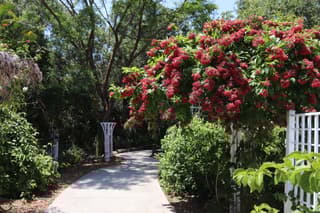
Rangoon Creeper
Quisqualis indica
Rangoon Creeper (Quisqualis indica) is a vigorous tropical climbing vine native to Southeast Asia, celebrated for its stunning tricolor flowers that magically transform from white to pink to deep red over three days. This fast-growing liana from the family Combretaceae can reach impressive heights of 8 meters or more, making it perfect for covering trellises, pergolas, fences, and arches. Beyond its ornamental beauty, the plant holds significant medicinal value in traditional Asian medicine, where seeds, leaves, and roots have been used to treat intestinal parasites and other ailments.
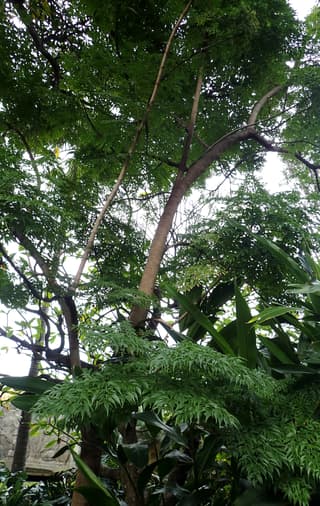
China Doll Plant
Radermachera sinica
The China Doll Plant (Radermachera sinica) is an elegant evergreen tree from the Bignoniaceae family, native to southern China and Taiwan. It features glossy, finely divided bipinnate leaves that give it a delicate, lacy appearance. While it can reach up to 30 meters in its natural habitat, as a houseplant it typically grows to 1.2-1.8 meters. It is prized for its ornamental foliage and air-purifying qualities, effectively removing toxins like benzene and formaldehyde from indoor air.
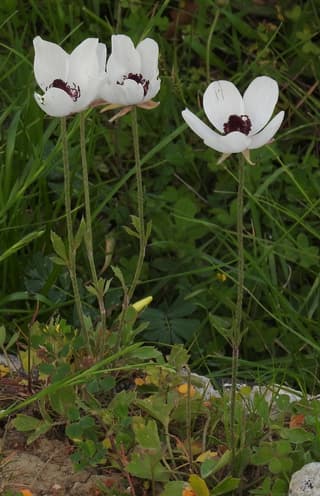
Persian Buttercup
Ranunculus asiaticus
The Persian Buttercup (Ranunculus asiaticus) is a tuberous perennial native to the Mediterranean and Western Asia, prized for its lush, multi-layered blooms resembling miniature roses. A top choice for cut flower arrangements, it blooms in a wide spectrum of colors including white, yellow, red, pink, purple, and orange. All parts of the plant contain protoanemonin and are toxic to humans, cats, and dogs.
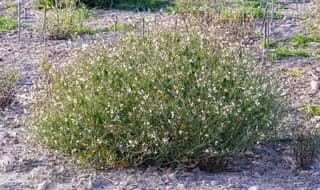
Wild Radish
Raphanus raphanistrum
Wild Radish (Raphanus raphanistrum) is a fast-growing annual in the Brassicaceae family, native to the Mediterranean basin and now naturalized worldwide. It thrives in disturbed soils, roadsides, and agricultural fields. The plant produces characteristic four-petaled flowers in white, yellow, or pink with dark veins, and its young leaves and flower buds are edible with a peppery flavor reminiscent of arugula. Despite being classified as a weed in many agricultural contexts, it holds ecological value as a pollinator plant and historical importance as a famine food.
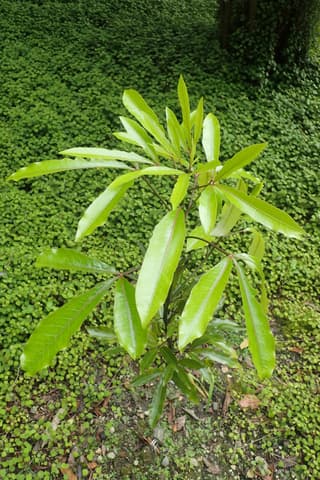
Raukaua
Raukaua
Raukaua is a small genus of evergreen shrubs and trees in the family Araliaceae, native to New Zealand and southern South America (Chile and Argentina). The genus comprises 6 species, all woody plants with heteroblastic foliage — juvenile leaves often differ dramatically from adult leaves. Most notable is R. anomalus, a divaricating shrub with zig-zag interlaced branches typical of New Zealand's unique flora. Māori historically extracted aromatic oil from R. edgerleyi leaves, used medicinally and ritually.
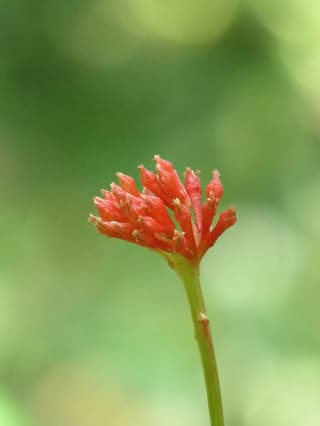
Indian Snakeroot
Rauvolfia
Rauvolfia is a genus of evergreen shrubs in the Apocynaceae family, native to subtropical and tropical regions of Asia, Africa, and the Americas. The most well-known species, Rauvolfia serpentina (Indian snakeroot), grows wild in sub-Himalayan areas up to 1000 m in altitude and has historically been cultivated for its roots, which are rich in indole alkaloids such as reserpine, used in Ayurvedic medicine and, since the 20th century, in Western pharmacology to treat hypertension. The plant produces small white-pink flowers clustered in terminal inflorescences and purple or black berries when ripe.
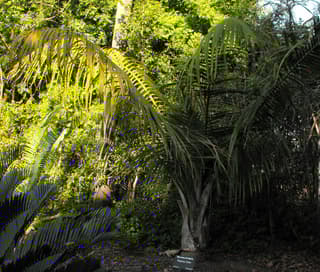
Majesty Palm
Ravenea rivularis
Ravenea rivularis, commonly known as the Majesty Palm, is a stately tropical palm native to the riverbanks of Madagascar. It features graceful arching fronds and can grow up to 80 feet tall in its natural habitat, though indoors it typically reaches 6-10 feet. It is one of the most popular indoor palms for its elegant, tropical appearance.
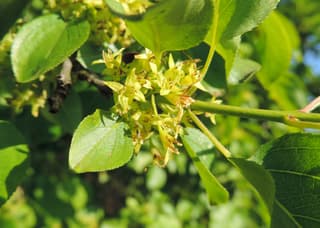
Common Buckthorn
Rhamnus cathartica
Common Buckthorn (Rhamnus cathartica) is a deciduous shrub or small tree in the Rhamnaceae family, native to Europe and Western Asia. It features thorny, crooked branches and glossy black berries ripening in autumn. While ecologically valuable in its native range, it is considered highly invasive in North America, forming dense thickets that outcompete native vegetation. WARNING: berries are TOXIC — they contain anthraquinones and emodin causing severe laxative effects. Toxic to cats, dogs, and humans.
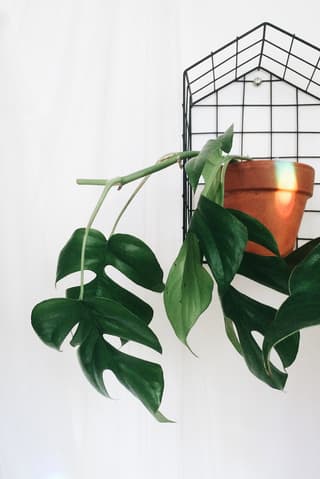
Rhaphidophora (genus)
Rhaphidophora
Rhaphidophora is a genus of tropical climbing plants in the family Araceae, native to Southeast Asia. The most popular species include R. tetrasperma (commonly called "mini monstera") and R. decursiva. These fast-growing plants feature ornamental fenestrated leaves and thrive indoors with a support structure to climb.
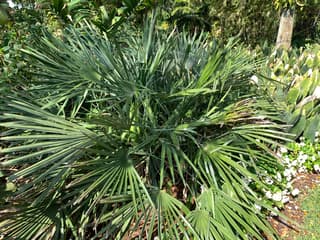
Needle Palm
Rhapidophyllum hystrix
The needle palm (Rhapidophyllum hystrix) is a slow-growing, clumping fan palm native to the coastal plains of the southeastern United States. Named for the long, sharp black spines that emerge from its leaf bases, it is the most cold-hardy palm species in the world, capable of surviving temperatures well below freezing. Its dark green, palmate leaves radiate from a short, often subterranean trunk, forming dense, multi-stemmed clumps ideal as an understory shrub.
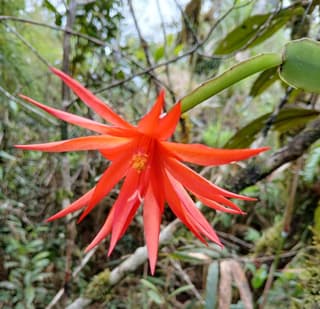
Easter Cactus
Rhipsalidopsis gaertneri
The Easter Cactus (Rhipsalidopsis gaertneri) is an epiphytic cactus native to the Atlantic Forest of Brazil, particularly Paraná and Santa Catarina states. Unlike desert cacti, it thrives in humid conditions with indirect light, producing stunning star-shaped flowers in shades of red, pink, and white during spring.
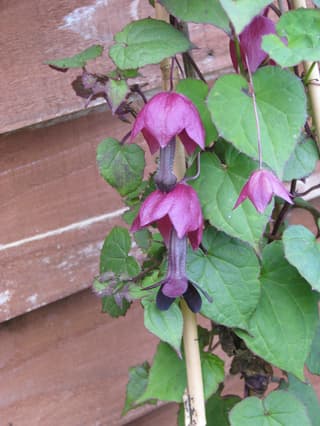
Purple Bells
Rhodochiton atrosanguineus
Purple Bells is a fast-growing, deciduous climbing vine native to southwestern Mexico, prized for its unusual pendant flowers: a bright pink or magenta calyx cupping a deep maroon-purple tubular corolla, giving the plant a bell-within-a-bell look. It climbs by twining leaf stalks around supports, reaching 2-3.5 m in a single season, and blooms continuously from summer through fall. Grown as a tender perennial in warm climates (USDA zones 9-11) or as a frost-tender annual elsewhere, it thrives in full sun with consistently moist, well-draining soil.
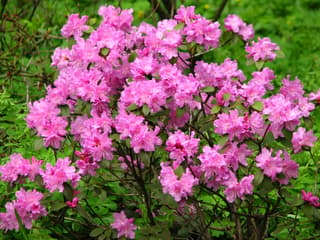
Rhododendron
Rhododendron
Rhododendron is a large genus of over 1,000 species of woody flowering plants in the family Ericaceae, encompassing both classic rhododendrons and azaleas. Native primarily to eastern Asia and the Himalayan region, with smaller numbers in North America, Europe, and Australia, these iconic shrubs and trees are prized worldwide for their spectacular spring blooms in shades of pink, red, white, purple, yellow, and orange. The genus ranges from low-growing alpine ground covers to towering trees exceeding 30 metres, and includes both evergreen and deciduous species.
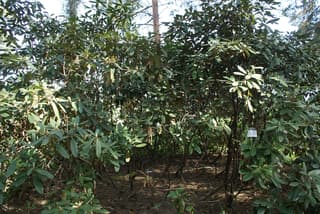
Hybrid Rhododendron
Rhododendron × hybridum
Rhododendron × hybridum is an evergreen ornamental shrub in the Ericaceae family, resulting from deliberate crosses between various rhododendron species. These garden hybrids were developed specifically for ornamental use, combining the most desirable traits of their parent species. They are woody shrubs that typically reach heights of 1.5 to 6 meters (5-20 feet), with the exact size varying by specific cultivar. They produce stunning flowers in shades of pink, purple, red, white, and yellow, typically grouped in large, bell-shaped flower clusters (trusses) during spring. The leathery, narrow leaves persist year-round, providing evergreen visual interest. Originally adapted to forest understory conditions, these plants prefer dappled or partial shade and naturally thrive in acidic woodland environments.
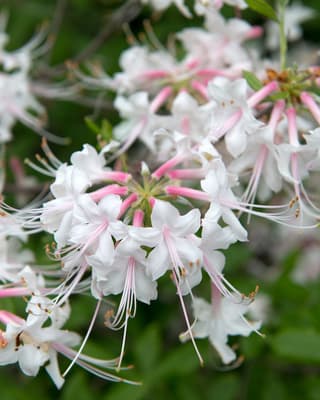
Alabama azalea
Rhododendron alabamense
Rhododendron alabamense is a refined, rounded deciduous azalea native to the southeastern United States. It produces lemon-scented white flowers with a prominent yellow blotch on the upper petal, arranged in clusters of 6–10 blooms. Flowers emerge before or alongside the foliage in mid to late spring, creating a striking display against simple, dark green deciduous leaves. The plant naturally occurs in hardwood forests, slopes, and ridges, spreading via underground runners to form loose colonies. It grows 4–6 feet tall and wide, making it an excellent choice for naturalistic woodland gardens. All parts of the plant are toxic if ingested.
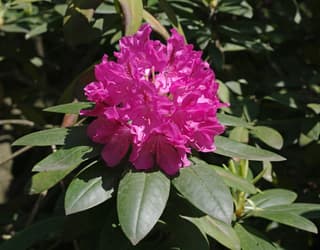
Catawba Rhododendron
Rhododendron catawbiense
Rhododendron catawbiense, commonly known as the Catawba Rhododendron or Mountain Rosebay, is a broadleaf evergreen shrub native to the Appalachian Mountains of the eastern United States. Celebrated for its spectacular late-spring blooms of lavender-pink to purple flowers, it is one of the hardiest rhododendrons available, tolerating temperatures as low as -25°F. Its large, glossy, leathery leaves remain attractive year-round, making it a prized landscape specimen.
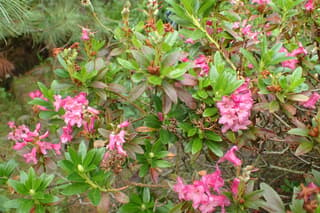
Alpenrose
Rhododendron ferrugineum
Alpenrose (Rhododendron ferrugineum) is a low, evergreen shrub native to the acidic, siliceous soils of the Alps, Pyrenees, Jura and northern Apennines, growing just above the tree line. Its glossy, leathery leaves have a distinctive rust-brown underside, and it produces clusters of bell-shaped pink to crimson flowers in early summer. All parts of the plant contain grayanotoxins and are toxic if ingested.
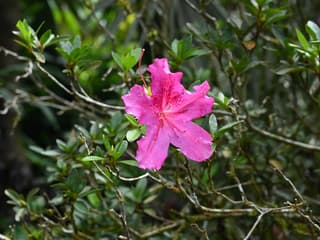
Satsuki Azalea
Rhododendron indicum
The Satsuki Azalea (Rhododendron indicum) is an evergreen shrub native to Japan, widely cultivated as a bonsai and ornamental garden plant. It produces spectacular flowers in shades of pink, red, white, and purple in late spring. It is one of the most prized species in Japanese bonsai art. WARNING: All parts of the plant are toxic to humans and animals due to grayanotoxins.
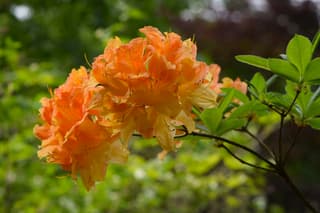
Japanese Azalea
Rhododendron japonicum
The Japanese Azalea (Rhododendron japonicum) is a deciduous shrub native to Japan, celebrated for its spectacular spring blooms in shades of pink, red, orange, yellow, and white. A cherished ornamental in temperate gardens worldwide. WARNING: The entire plant is toxic due to grayanotoxins — dangerous to humans, cats, and dogs.
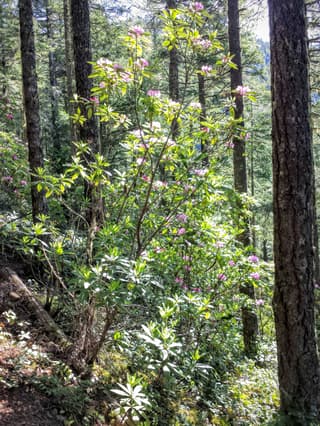
Pacific Rhododendron
Rhododendron macrophyllum
The Pacific Rhododendron is a large evergreen shrub native to coastal forests from British Columbia to northern California, and is the state flower of Washington. It forms dense, leathery, dark-green foliage and produces showy clusters of pink to rose-purple, bell-shaped flowers in late spring through summer. In the wild it thrives as an understory shrub beneath conifers, prized by gardeners for woodland and shade borders.
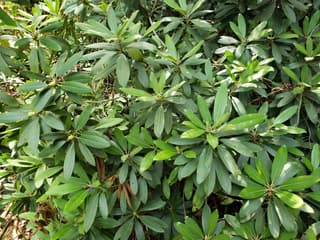
Great Laurel
Rhododendron maximum
Rhododendron maximum, commonly called great laurel or rosebay rhododendron, is a large broadleaf evergreen shrub native to the Appalachian Mountains of eastern North America, from Nova Scotia south to Alabama. It forms dense thickets in moist, shaded forest understories and along stream banks, and is the official state flower of West Virginia. In early-to-mid summer it produces large clusters of funnel-shaped white, pink, or rose-purple flowers, often marked with olive-green to orange spots, above leathery, dark green leaves with rust-colored undersides.
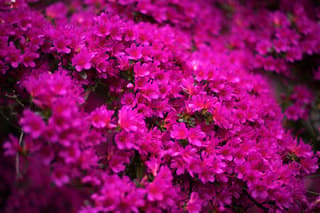
Kurume Azalea
Rhododendron obtusum
Rhododendron obtusum, known as the Kurume azalea, is a compact evergreen to semi-evergreen shrub native to Japan, prized for its dense mounding habit and profuse spring flower display. Small leathery leaves cover twiggy branches that burst into vivid red, pink, purple, or white blooms for several weeks each spring. Long cultivated in Japanese gardens and popularized in the West through the Kurume hybrid group, it remains one of the most widely planted azaleas for borders, foundation plantings, and containers.
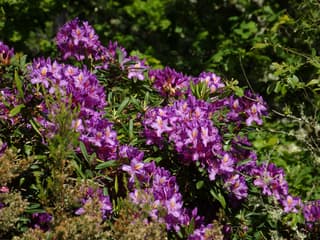
Common Rhododendron
Rhododendron ponticum
Rhododendron ponticum, commonly known as the Common or Pontic Rhododendron, is a large evergreen shrub native to the Iberian Peninsula and the Black Sea region. It produces spectacular clusters of violet-purple flowers in spring and is renowned for both its ornamental beauty and its invasive nature in the British Isles and other regions outside its native range. All parts of the plant contain grayanotoxins, making it highly toxic to pets and humans.

Azalea
Rhododendron simsii
Rhododendron simsii, commonly known as Azalea, is a perennial flowering shrub highly valued for its vibrant blooms and dense foliage. Native to Asia, it is widely cultivated as an ornamental plant, both in gardens and pots, especially in temperate to subtropical climates. Its flowers, which appear in profusion, can vary in colors and shapes, adding a spectacular touch to any environment.

Jiminy Cricket Cattleya Orchid
Rhyncovola Jiminy Cricket x Cattleya dowiana
A Cattleya-alliance orchid hybrid combining the grex Rhyncovola Jiminy Cricket with the species Cattleya dowiana, prized for large, fragrant flowers with a velvety lip streaked in gold. Like other Cattleyas, it is an epiphytic orchid with sympodial growth, thick pseudobulbs, and leathery evergreen leaves, thriving in bright light with strong air movement and a dry-between-waterings routine.
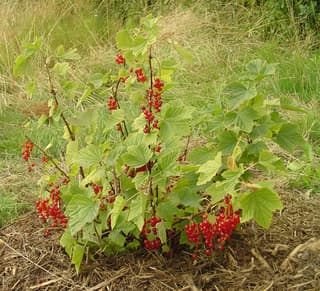
Redcurrant
Ribes rubrum
Redcurrant (Ribes rubrum) is a deciduous fruiting shrub native to Western and Northern Europe, prized for its bright red, tart berries borne in long pendant clusters called strigs. A staple of traditional European kitchen gardens, it thrives in temperate climates with cold winters and produces abundantly from mid-summer. It is one of the hardiest fruiting shrubs available, tolerating temperatures as low as -20°C.

Crystalwort
Riccia fluitans
Crystalwort (Riccia fluitans) is a cosmopolitan aquatic liverwort belonging to the Ricciaceae family, native to stagnant marshy waters. It forms a bright green, fork-branched thallus without roots or true leaves, floating in dense, cushion-like clumps just below the water surface. It is a popular plant in the aquarium hobby, popularized by Takashi Amano: when attached to stones or driftwood, it creates a lush, pearling (oxygen-bubble-covered) green carpet. When left floating, it provides excellent hiding places for fry and shrimp.
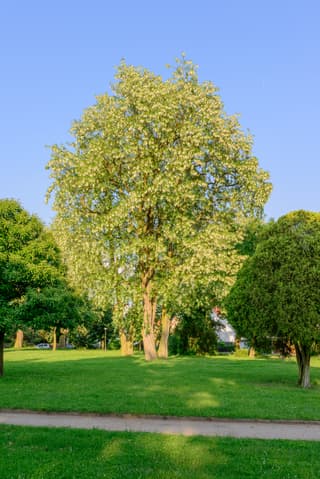
Pink Black Locust
Robinia pseudoacacia
Robinia pseudoacacia, commonly known as black locust, is a deciduous tree in the legume family. The pink-flowering variety is particularly valued in landscaping for its spectacular spring bloom. It is a very fast-growing tree with a broad canopy and branches that often feature thorns. Its flowers grow in drooping clusters and emit a very intense sweet fragrance. It is an extremely hardy species capable of fixing nitrogen in the soil, although it is considered invasive in some regions due to its high propagation capacity.
Medium Care Easy Care
Our selection of 1159 medium easy care combines the characteristics of this category with moderate care needs. Ideal for those with basic experience.
Why Choose Medium Easy Care?
Combining the beauty of easy care with medium difficulty level lets you enjoy this category with a balanced care commitment. Each plant was selected to offer the best characteristics of the category at the care level you are looking for.