2315 Easy Easy Care | 2026 Guide - Page 59
Find 2315 easy easy care. Complete guide for your garden.
2315 Easy Care with easy level
Showing 2089-2124 of 2315
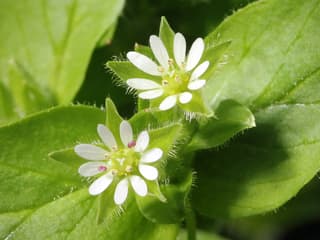
Chickweed
Stellaria media
Stellaria media, commonly called chickweed, is a low-growing, sprawling annual (or winter annual) native to Europe and now naturalized worldwide. It forms soft mats of small oval leaves and tiny white star-shaped flowers, thriving in cool, moist, disturbed soil such as garden beds, lawns, and greenhouses. Prized both as a cottage-garden ground cover and as one of the most popular wild edible and medicinal weeds, chickweed grows and flowers almost year-round in temperate climates.

Brain Cactus
Stenocactus phyllacanthus
Stenocactus phyllacanthus is a small, solitary, globose to short-cylindrical cactus native to the high-desert scrublands of central and northern Mexico (Aguascalientes, Guanajuato, Hidalgo, Jalisco, Nuevo León, Querétaro, San Luis Potosí and Zacatecas), typically found between 1,700 and 2,800 m elevation. Rarely exceeding 15 cm in height and 10 cm in diameter, it is prized by collectors for its dramatically wavy, paper-thin ribs crowned with dense tufts of fine spines. In spring and summer it bears funnel-shaped, yellowish-white flowers with brownish-red throats near the crown. Slow-growing and undemanding, it is one of the easiest Stenocactus species to bring into flower in cultivation.
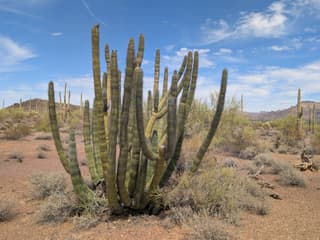
Organ Pipe Cactus
Stenocereus
Stenocereus is a genus of large, tree-like columnar cacti native to the deserts of Mexico and the southwestern United States. The best-known species, Stenocereus thurberi (organ pipe cactus), forms clusters of slender, upright stems rising from a short trunk, resembling the pipes of a musical organ. Ribbed, spiny stems can reach up to 8 m tall and 3.5 m wide, producing white, night-blooming flowers followed by spiny, sweet edible fruit.

Gray Ghost Organ Pipe Cactus
Stenocereus pruinosus
A slow-to-moderate growing Mexican columnar cactus with pale, gray-green branching stems dusted with a fine bloom (pruina) and covered in yellow spines, giving it a ghostly appearance. Native to arid regions of Mexico, it produces large, funnel-shaped white flowers that open at night in summer, followed by sweet, edible pitaya fruit prized locally.

St. Augustine Grass
Stenotaphrum secundatum
St. Augustine Grass (Stenotaphrum secundatum) is a fast-growing warm-season turfgrass native to the Gulf of Mexico region, widely used for residential and commercial lawns in tropical and subtropical climates. It forms a dense, vigorous carpet with good tolerance to partial shade and coastal salt exposure.

Winter Daffodil
Sternbergia lutea
Sternbergia lutea is a small Mediterranean bulbous plant in the Amaryllidaceae family, cultivated for its bright yellow cup-shaped flowers that bloom in autumn, surrounded by dark green strap-like leaves. Hardy and low-maintenance, it naturalizes over time in rock gardens and sunny, well-drained borders.
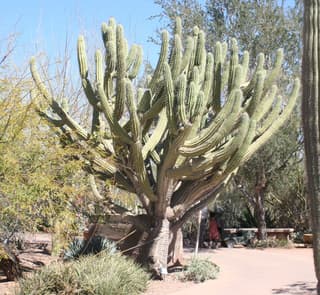
Argentine Toothpick Cactus
Stetsonia coryne
Stetsonia coryne is a large, tree-like columnar cactus native to the high-altitude arid regions of northwestern Argentina, Bolivia, Paraguay, and Brazil. In habitat it develops a thick trunk topped by many blue-green, eight- to nine-ribbed branches armed with stiff black or yellowish-brown spines that fade to white with age -- the source of its common name. Large, funnel-shaped white flowers open at night on mature plants, followed by fleshy, edible fruit.

European feather grass
Stipa pennata
European feather grass (Stipa pennata) is a characteristic clump-forming perennial grass of the Eurasian steppes, native from Mongolia to the Hungarian Great Plain and the sandy, loess steppes of the Carpathian Basin. Growing 60-90 cm tall, it produces narrow, slender leaves and, between May and August, releases the long, silvery-silky, feathery awns that made the species famous, waving characteristically in the wind. It is an increasingly rare species in Hungary, tied to protected habitats, and has been a symbol of the Hungarian puszta since the national romantic era of poets Sándor Petőfi and Mihály Tompa.

Mexican feather grass
Stipa tenuissima
Stipa tenuissima, commonly known as Mexican feather grass, is a perennial ornamental grass forming dense, rounded tufts of fine, bright green thread-like leaves. In summer, it produces long, feathery panicles that transition from silvery-green to cream and then to golden blond, swaying with the slightest breeze. Hardy in USDA zones 7 to 10, this grass reaches 12 to 24 inches in height and width, and is particularly valued for xeriscaping, rock gardens, and naturalist-style borders.
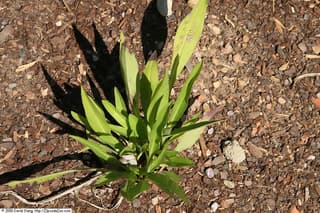
Stokes' Aster
Stokesia laevis
Stokesia laevis, commonly known as Stokes' Aster, is a herbaceous perennial native to the wetlands, bottomlands, and pine savannas of the southeastern United States. It produces showy, cornflower-like blooms in shades of lavender-blue, purple, white, and pink, making it a beloved addition to native and cottage gardens. Despite its origins in moist habitats, it adapts remarkably well to average garden conditions and is notably drought-tolerant once established.
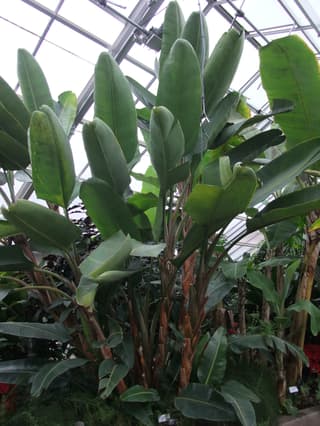
Giant White Bird of Paradise
Strelitzia nicolai
Strelitzia nicolai is a striking evergreen plant native to South Africa, known for its large banana-like leaves and dramatic white and blue flowers. It can grow up to 9 meters tall outdoors but remains more manageable indoors, making it a popular choice for creating tropical ambiance in homes and offices.
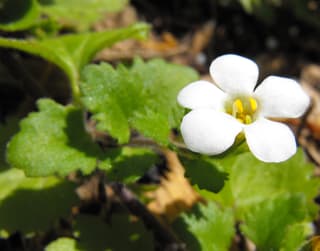
Bacopa
Sutera cordata
Sutera cordata (syn. Chaenostoma cordatum) is a fast-growing ornamental plant from the Scrophulariaceae family, native to South African wetlands. It is characterized by small, dark green, opposite leaves with slightly serrated edges and tiny white star-shaped flowers with yellow-orange centers. It is ideal for hanging baskets, containers, and as a groundcover due to its trailing growth habit. It is known for its rapid growth and profuse blooming throughout summer and fall.

Queen Palm
Syagrus romanzoffiana
The Queen Palm (Syagrus romanzoffiana) is a stately feather palm native to Brazil and South America, belonging to the family Arecaceae. Prized for its graceful arching fronds and slender trunk, it is one of the most popular landscape palms in subtropical and tropical regions worldwide. It can reach heights of 10-15 meters and produces clusters of bright orange fruits that attract wildlife.
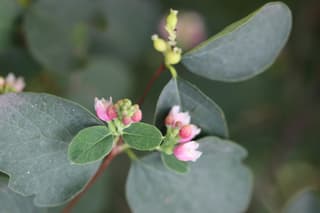
Common Snowberry
Symphoricarpos albus
Common snowberry (Symphoricarpos albus) is a deciduous shrub in the honeysuckle family (Caprifoliaceae), native to North America. It is known for its characteristic snow-white berries that cling to the branches long into the winter season after the leaves have fallen. The shrub grows up to 6 feet (180 cm) tall and wide, forming dense thickets through root suckers, and is extremely hardy down to -40 °F (-40 °C). The flowers are small, bell-shaped, and whitish-pink, blooming in the summer. Snowberry is an excellent garden and wildlife plant that attracts birds, bumblebees, and butterflies.
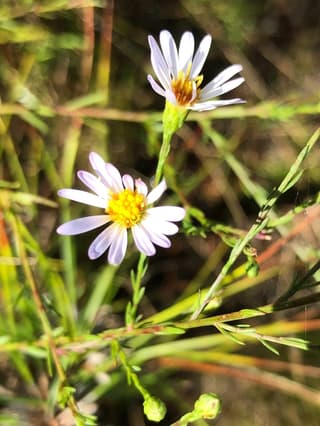
Rice Button Aster
Symphyotrichum dumosum
Symphyotrichum dumosum is a herbaceous perennial native to eastern North America. It forms bushy, branching clumps about 60 to 90 cm tall, covered in late summer and fall with masses of small daisy-like flowers with white to pale lilac rays and yellow centers that age to reddish purple. It is a valuable late-season nectar source for bees, butterflies and skippers.
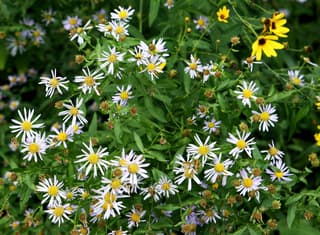
White Panicle Aster
Symphyotrichum lanceolatum
Symphyotrichum lanceolatum, commonly known as White Panicle Aster, is a native North American perennial wildflower in the Asteraceae family. Formerly classified as Aster lanceolatus, it produces masses of small daisy-like white flowers with yellow disc centers from mid-summer through fall, reaching up to 1.5 meters tall. A vital late-season pollinator plant, it thrives in moist, sunny conditions and spreads via rhizomes.

New York Aster
Symphyotrichum novi-belgii
Symphyotrichum novi-belgii, commonly called the New York aster or Michaelmas daisy, is a hardy herbaceous perennial native to eastern Canada and the northeastern United States, often found in wet meadows and abandoned fields near the coast. Valued for its abundant daisy-like flower heads in shades of purple, pink, and white surrounding bright yellow centers, it blooms from late summer through fall, often peaking around Michaelmas (September 29). Growing 3-5 feet (90-150cm) tall, it thrives in sunny garden borders and wildlife gardens, attracting bees, butterflies -- including Pearl Crescents, for which it is a host plant -- and seed-eating songbirds.
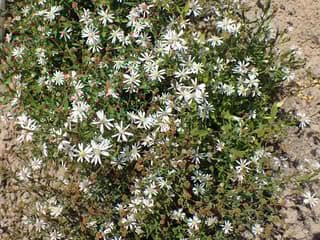
Shore Aster
Symphyotrichum tradescantii
Symphyotrichum tradescantii, commonly known as Shore Aster or Tradescant's Aster, is a native perennial wildflower of northeastern North America. This deciduous herbaceous plant produces an abundance of small, daisy-like flowers with white ray florets and pale yellow to purple disk florets in late summer and fall. It grows naturally along rocky shores, riverbanks, and freshwater estuaries, thriving in full sun to partial shade and moist soils. An excellent choice for naturalistic gardens, rain gardens, and native plant landscapes.
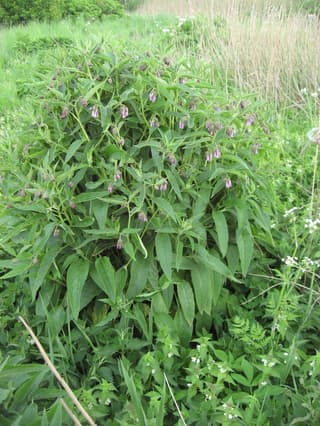
Russian Comfrey
Symphytum × uplandicum
Russian comfrey (Symphytum × uplandicum) is a vigorous, hardy herbaceous perennial in the borage family (Boraginaceae), arising as a natural hybrid between common comfrey (Symphytum officinale) and rough comfrey (Symphytum asperum). It forms large clumps of coarse, bristly, lance-shaped leaves and sends up branching stems topped with nodding, bell-shaped flowers that open pink-blue and mature to violet-purple, blooming from late spring through summer. Prized by organic gardeners as a "dynamic accumulator," its deep taproot draws potassium and other minerals up from the subsoil, making the leaves an excellent source material for compost activators, liquid feeds, and mulch. Note that comfrey contains pyrrolizidine alkaloids that are toxic to the liver if ingested, so its historical internal medicinal use has been discouraged in favor of external, topical applications only.
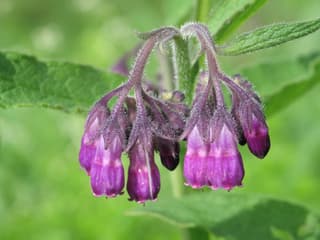
common comfrey
Symphytum officinale
Symphytum officinale, commonly known as comfrey, is a robust perennial herb famous for its large, hairy, lanceolate leaves and clusters of bell-shaped flowers. It is a 'dynamic accumulator' with a deep taproot that mines minerals from the subsoil, making its foliage an excellent organic fertilizer and compost activator.
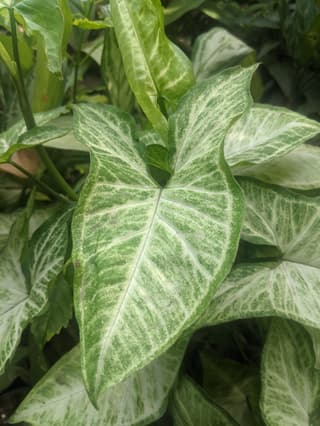
Arrowhead Vines
Syngonium
Syngonium is a genus of tropical climbing and trailing plants in the family Araceae, native to the rainforests of Central and South America. Its young leaves display a distinctive arrowhead shape that gradually transforms into multi-lobed forms as the plant matures. Widely grown as a houseplant for its lush ornamental foliage, Syngonium comes in dozens of cultivars with green, variegated, pink, and silvery leaves. Important: the plant is toxic to cats, dogs, and humans due to calcium oxalate crystals present throughout its tissues.
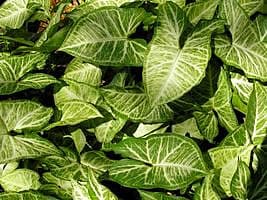
Five Fingers
Syngonium angustatum
Syngonium angustatum, commonly known as Five Fingers or Climbing Arrowhead Vine, is a tropical climbing plant native to Mexico and Central America. It belongs to the Araceae family and is prized for its distinctive foliage that transforms dramatically as the plant matures — juvenile leaves are simple arrowhead-shaped, while adult leaves develop deep lobes resembling spread fingers, hence the name Five Fingers. It is a versatile houseplant that thrives as a trailing vine or trained climber.
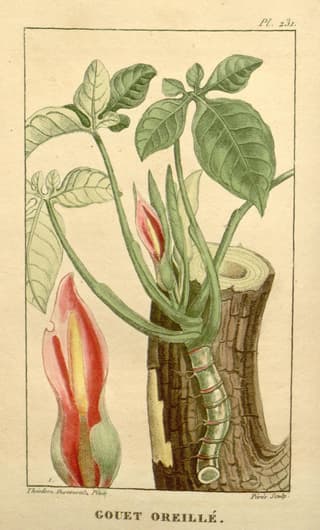
Five-Fingered Philodendron
Syngonium auritum
Syngonium auritum, commonly known as Five-Fingered Philodendron or Five Fingers, is a tropical climbing plant from the Araceae family, native to the Caribbean and Central America. Its juvenile leaves are arrow-shaped, but as the plant matures, they develop into divided leaflets resembling an open hand with five fingers — hence the popular name. It is a vigorous climber widely used in interior decoration and tropical gardens.
Red Arrow Syngonium
Syngonium erythrophyllum
Syngonium erythrophyllum, commonly known as the Red Arrow Syngonium, is a climbing aroid native to the tropical rainforests of Central America, particularly Panama. Its young arrow-shaped leaves display striking reddish to copper tones that mature into a deeper green as the plant ages. A versatile vine, it can be grown trailing or trained up a moss pole, and is highly prized by aroid collectors for its unusual foliage coloration.
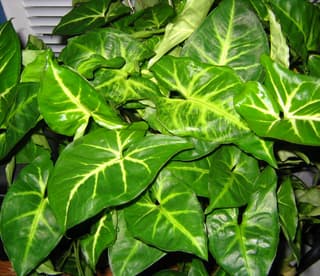
Arrowhead Plant
Syngonium podophyllum
Syngonium podophyllum is a tropical climbing plant from the Araceae family, native to the humid forests of Central America. Known for its arrow-shaped leaves that change form as they mature, it is an extremely popular houseplant due to its ease of care and ornamental beauty.
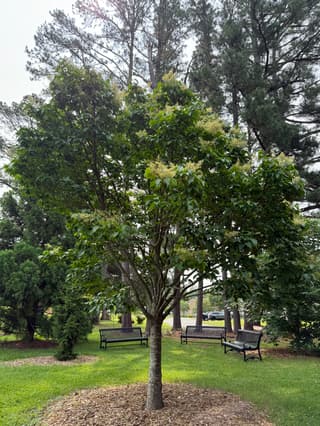
Japanese Tree Lilac
Syringa reticulata
Japanese Tree Lilac (Syringa reticulata) is a small to medium-sized ornamental tree native to Japan and northeastern Asia. It stands out for its enormous creamy-white fragrant flower panicles that appear in early summer, blooming up to six weeks after most other lilacs have finished. With cherry-like bark and exceptional urban tolerance, it is one of the most versatile and low-maintenance ornamental trees for gardens and streetscaping.
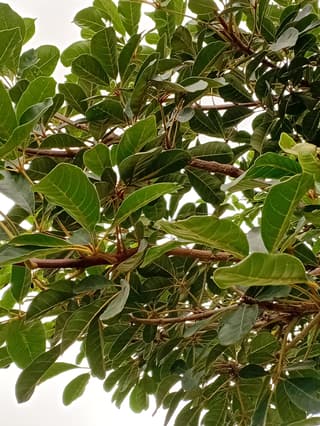
Syzygium (genus)
Syzygium
Syzygium is a large genus of tropical and subtropical evergreen trees and shrubs in the family Myrtaceae, comprising over 1,000 species native to Asia, Australia, and Africa. The genus includes economically and culturally significant species such as clove (S. aromaticum), jambolan (S. cumini), and rose apple (S. samarangense). These are hardy plants with dense, glossy foliage that produce edible fruits and aromatic flowers.
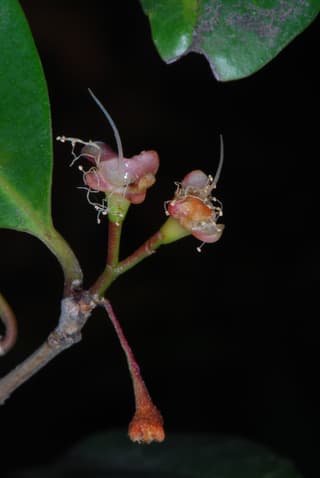
Magenta Cherry
Syzygium paniculatum
Syzygium paniculatum, known as Magenta Cherry or Brush Cherry, is an evergreen shrub and small tree native to the rainforests of eastern Australia (New South Wales). It bears glossy dark green leaves with attractive bronze-red new growth, clusters of white flowers in spring and summer, and distinctive magenta-coloured edible berries. Formerly classified as Eugenia paniculata, it is widely grown as a hedging plant, topiary subject, and ornamental specimen across subtropical and warm temperate regions worldwide.
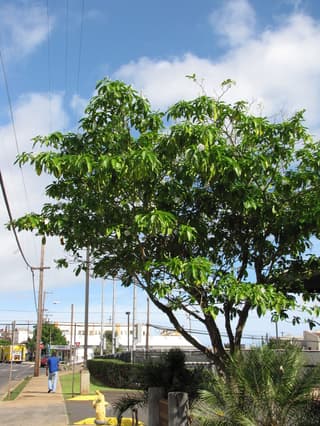
Crepe Jasmine
Tabernaemontana
Tabernaemontana is a genus of evergreen shrubs and small trees in the dogbane family (Apocynaceae), native to the tropics and subtropics of Asia, Africa and the Americas. Best known through the widely cultivated species Tabernaemontana divaricata (crepe jasmine), plants in this genus have glossy dark-green leaves and clusters of waxy, pinwheel-shaped white flowers that are especially fragrant at night. Like other Apocynaceae, every part of the plant exudes a milky latex sap when cut.
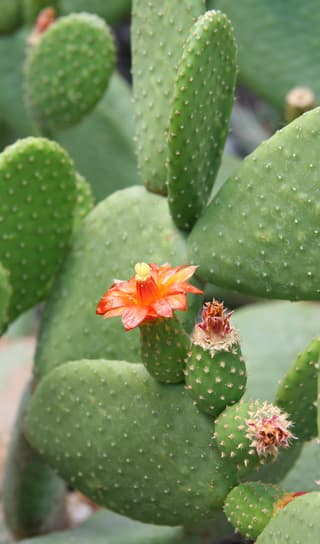
Pink Toad Cactus
Tacinga
Tacinga is a genus of cacti native to the Caatinga biome of northeastern Brazil, belonging to the family Cactaceae (subfamily Opuntioideae). Closely related to Opuntia, it includes species such as T. inamoena and T. funalis, perfectly adapted to semi-arid conditions. It produces colorful flowers and edible fruits, and is an iconic symbol of Brazil's endemic flora.
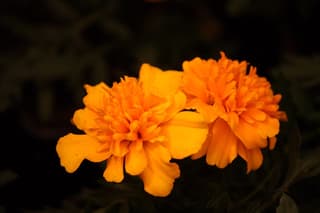
Marigold
Tagetes
Tagetes is a genus of annual herbaceous plants in the Asteraceae family, native to Mexico and Central America. Commonly known as marigold, it is one of the most widely grown garden flowers worldwide, with the French marigold (Tagetes patula) and African marigold (Tagetes erecta) as its best-known representatives. It produces abundant yellow, orange and gold blooms through summer, and its aromatic foliage is popularly used as a companion plant to help deter certain garden pests.
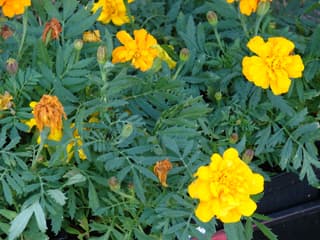
Aztec Marigold
Tagetes erecta
Tagetes erecta, commonly known as the Aztec Marigold, is a fast-growing annual native to Mexico and Central America. Celebrated for its large, vibrant blooms in shades of yellow, orange, and bronze, it is one of the most popular garden flowers worldwide. It is easy to grow, drought-tolerant once established, and valued for ornamental, medicinal, and companion-planting uses.
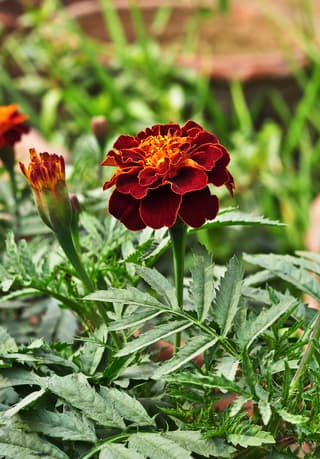
French marigold
Tagetes patula
Tagetes patula, commonly known as the French marigold, is a compact annual flowering plant in the daisy family. It features deeply divided, fern-like green foliage and produces a profusion of multi-layered flower heads in vibrant shades of yellow, orange, and mahogany. Native to Mexico and Guatemala, it is highly valued by gardeners for its ability to repel soil pests like nematodes and its long-lasting summer display.
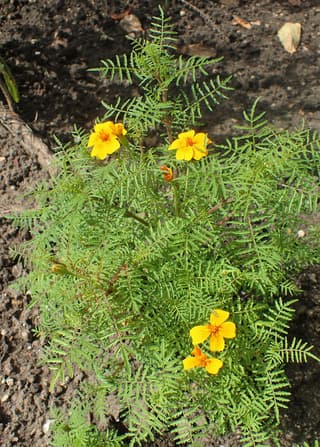
Signet Marigold
Tagetes tenuifolia
Signet marigold (Tagetes tenuifolia) is a compact, mounding annual native to Mexico and Central America, prized for its lacy, lemon-scented foliage and abundance of small single flowers in yellow, orange, and gold. It blooms profusely from early summer through fall and is a popular edging and companion plant.
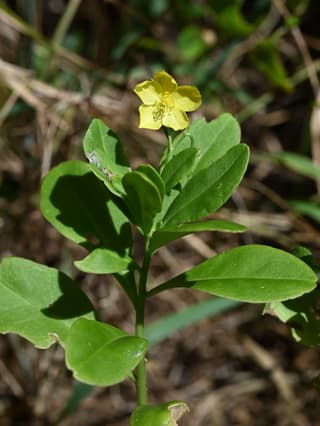
Waterleaf
Talinum fruticosum
Waterleaf (Talinum fruticosum) is a fast-growing tropical perennial leafy vegetable native to Mexico, the Caribbean, and Central and South America, now widely cultivated across West Africa, South and Southeast Asia, and tropical regions worldwide. Its broad, succulent leaves have a mildly tangy, slightly sour flavor and become tender when cooked. It is a staple ingredient in West African soups and stews, and is valued in Brazilian Amazonian cooking as "cariru." The plant is exceptionally easy to grow, thrives in heat, tolerates poor soils, and produces leaves almost continuously in warm climates.
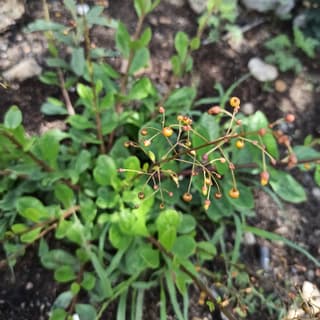
Jewels of Opar
Talinum paniculatum
Jewels of Opar (Talinum paniculatum) is a succulent perennial herb native to tropical Americas, including Brazil. It produces delicate pink flowers on airy panicles that resemble a miniature baby's breath, making it a charming ornamental plant. The fleshy, nutrient-rich leaves are edible and recognized as an unconventional food plant (PANC in Brazil), rich in protein, iron, potassium, and magnesium. Extremely drought-tolerant, it thrives in full sun with minimal care and self-seeds readily.
Easy Care Easy Care
Our selection of 2315 easy easy care combines the characteristics of this category with reduced care needs. Perfect for beginners who love this category.
Why Choose Easy Easy Care?
Combining the beauty of easy care with easy difficulty level lets you enjoy this category without excessive maintenance worries. Each plant was selected to offer the best characteristics of the category at the care level you are looking for.