Asteraceae
Rice Button Aster
Symphyotrichum dumosum
Give it full sun to light shade and well-drained sandy or loamy soil. Water about weekly while establishing, then only in prolonged dry spells. Cut stems back in late spring to keep plants compact and divide clumps every few years. Space well for airflow to limit powdery mildew.
Every 7 days
Bright indirect
-40° - °C
% - %
Categories
What is Rice Button Aster?
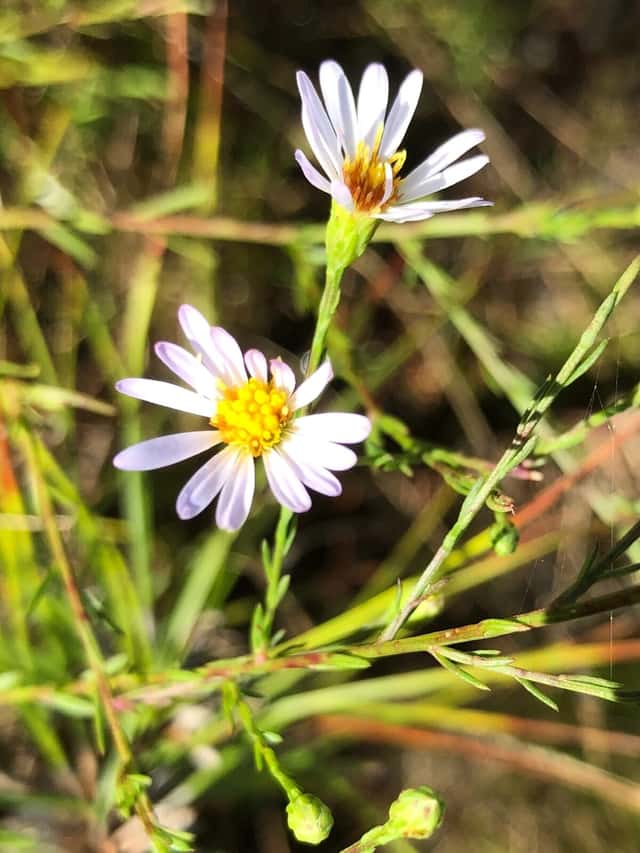
Rice Button Aster (Symphyotrichum dumosum) is a easy-care plant from the Asteraceae family. Symphyotrichum dumosum is a herbaceous perennial native to eastern North America. It forms bushy, branching clumps about 60 to 90 cm tall, covered in late summer and fall with masses of small daisy-like flowers with white to pale lilac rays and yellow centers that age to reddish purple. It is a valu...
Rice Button Aster grows up to 90cm, spread of 50cm, watering every 7 days. It is not suitable for indoor environments and safe for pets.
Unlike many tropical plants, Rice Button Aster tolerates watering mistakes. Best for beginners. Unlike many popular species, Rice Button Aster is safe to keep around pets.
How to Care for Rice Button Aster?
TLDR: Rice Button Aster needs Bright indirect, watering every 7 days, and temperatures between -40-30°C with 40-70% humidity.
How Often Should You Water Rice Button Aster?
Water about once a week during establishment; established plants tolerate drought but bloom best with evenly moist soil.
How Much Light Does Rice Button Aster Need?
Full sun (6+ hours) gives the best flowering; light afternoon shade is tolerated.
What Is the Best Soil for Rice Button Aster?
Well-drained sandy or loamy soil of low fertility; tolerates acid to alkaline pH.
What Pot Should You Use for Rice Button Aster?
Best grown in the ground or large containers (30 cm or more) with drainage holes.
Care Schedule
Fertilize
Every 14 days
Misting
Every 3 days
Rotate
Every 7 days
Repot
Every 365 days
What Is Rice Button Aster and Where Does It Come From?
Symphyotrichum dumosum is a herbaceous perennial native to eastern North America. It forms bushy, branching clumps about 60 to 90 cm tall, covered in late summer and fall with masses of small daisy-like flowers with white to pale lilac rays and yellow centers that age to reddish purple. It is a valuable late-season nectar source for bees, butterflies and skippers.
How to Propagate Rice Button Aster?
Division
Divide every 2 to 3 years to keep plants vigorous.
- 1 Dig up the clump in early spring as new shoots emerge
- 2 Split it into sections each with roots and shoots
- 3 Replant at the same depth and water well
Materials needed:
Seed
Seed needs light to germinate; fall sowing or cold stratification helps.
- 1 Collect dry seed heads after flowering
- 2 Sow on the soil surface and press lightly without covering
- 3 Keep moist until seedlings establish
Materials needed:
How Big Does Rice Button Aster Grow?
TLDR: Rice Button Aster can reach up to 90cm tall with Medium growth rate.
Max height
90cm
Spread
50cm
Growth rate
Medium
Foliage
Deciduous
Plant Uses
Ornamental
Great for decoration
Is your plant showing symptoms?
Click on the symptom to discover possible causes:
What Diseases Commonly Affect Rice Button Aster?
TLDR: Rice Button Aster is susceptible to 5 known diseases. Monitor regularly for early detection.
Powdery Mildew
Powdery mildew is a common fungal disease caused by various fungi species including Erysiphe, Podosphaera, Oïdium, and Leveillula. It affects over 10,000 plant species worldwide. The disease thrives in warm, dry climates with high humidity and appears as a distinctive white powdery coating on plant surfaces.
Leaf Spot
Leaf spot is a common fungal disease caused by various pathogens including Alternaria, Ascochyta, Colletotrichum, Septoria, and Venturia. It primarily affects leaves, causing discolored spots that can lead to premature leaf drop if left untreated.
Southern Blight
Southern blight is a devastating soilborne fungal disease caused by Athelia rolfsii (formerly Sclerotium rolfsii), affecting over 500 plant species including vegetables, ornamentals, and fruit crops. The fungus survives in soil through resting structures called sclerotia that resemble mustard seeds and can remain viable for years.
Rust
Rust is a common fungal disease caused by fungi in the order Pucciniales that affects a wide variety of plants. The disease gets its name from the characteristic orange, yellow, or reddish-brown pustules that appear on leaves, resembling metal rust. This obligate fungal parasite requires living plants to survive and can cause significant economic losses in agricultural crops.
Meaning & Symbolism
Late-season renewal and gentle abundance: tiny star-like blooms that carry the garden and its pollinators into autumn.
Fun Facts
It is a larval host for the pearl crescent butterfly.
Its yellow disk florets turn reddish purple as the flowers age.
The species is native from eastern Canada to Texas and Florida.
Frequently asked questions
How much sun does rice button aster need?
When does it bloom?
Is it cold hardy?
What problems affect it?
Compare with similar plants
| Attribute | Difficulty | Light | Watering | Pet Safe |
|---|---|---|---|---|
| Field Maple | Easy | Bright indirect | 14d | ✓ |
| Silver Birch | Easy | Direct sun | 14d | ✓ |
| Common Blanketflower | Easy | Direct sun | 10d | ✓ |
| Cushion Bush | Easy | Direct sun | 14d | ✓ |





