500 Best Plants for Whitehorse | 2026 Guide - Page 4
Discover the 500 ideal plants for Whitehorse's climate. Average temp: 3°C, Humidity: 72%.
Top 500 Plants for Whitehorse
Showing 109-144 of 500
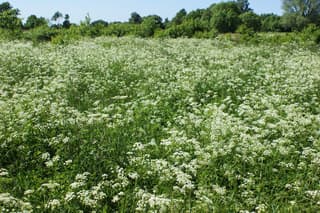
Cow Parsley
Anthriscus sylvestris
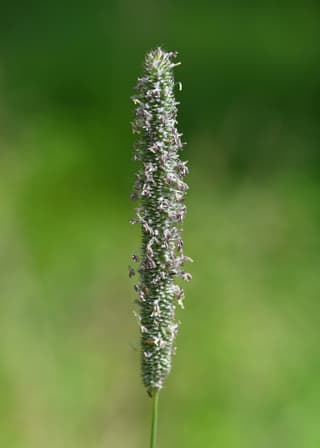
Timothy-grass
Phleum pratense
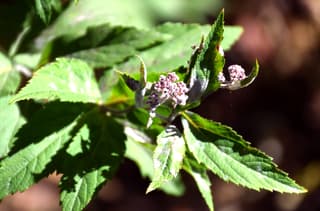
Willowleaf Spiraea
Spiraea salicifolia
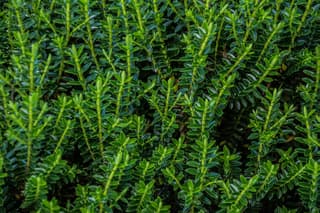
Fragrant Hebe
Hebe odora
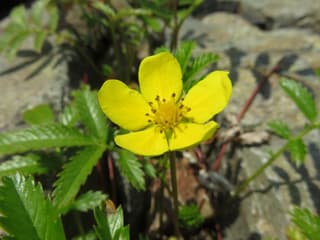
Silverweed
Argentina anserina
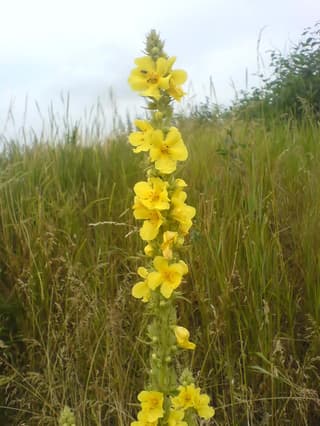
Denseflower Mullein
Verbascum densiflorum
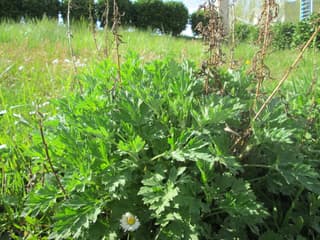
Mugwort
Artemisia vulgaris
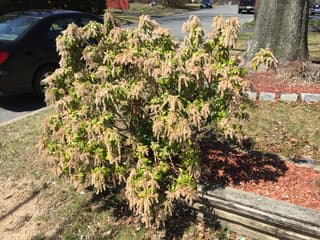
Japanese Andromeda
Pieris japonica
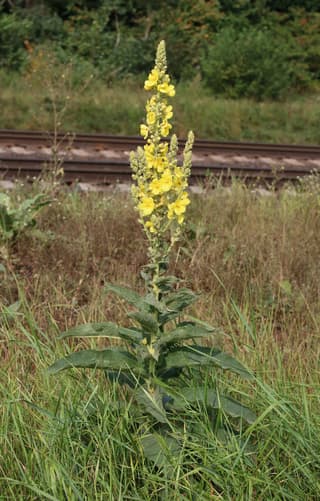
Orange Mullein
Verbascum phlomoides
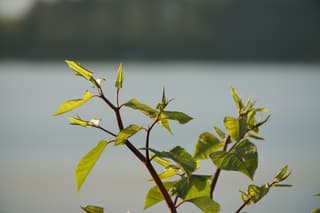
Knotweed
Reynoutria
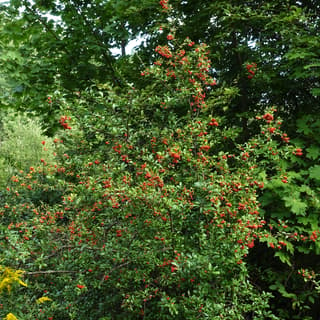
Scarlet Firethorn
Pyracantha coccinea
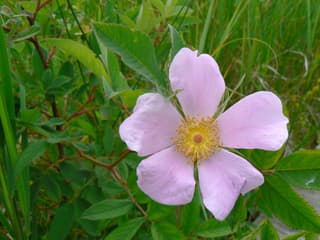
Virginia Rose
Rosa virginiana
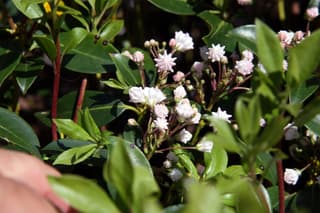
Mountain Laurel
Kalmia latifolia
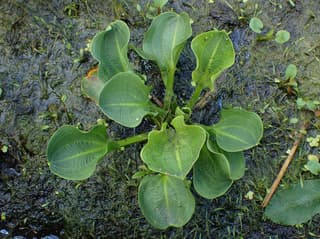
American water plantain
Alisma subcordatum
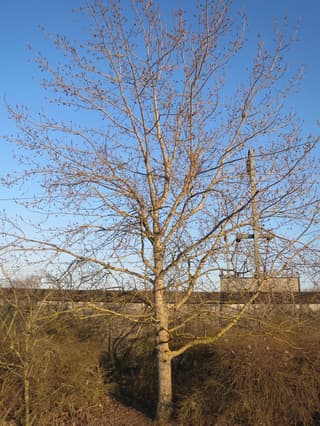
Poplar
Populus
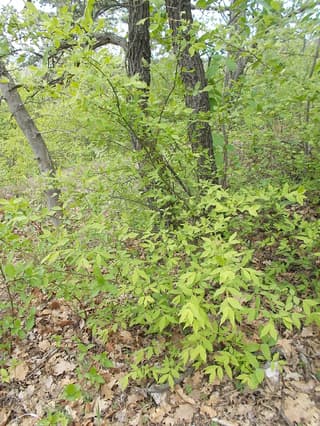
Common Dogwood
Cornus sanguinea
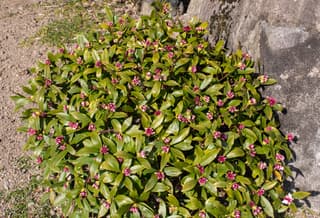
Winter daphne
Daphne odora
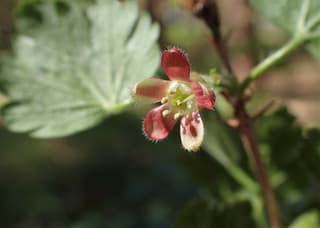
Gooseberry
Ribes uva-crispa
Maritime sunburst lichen
Xanthoria parietina
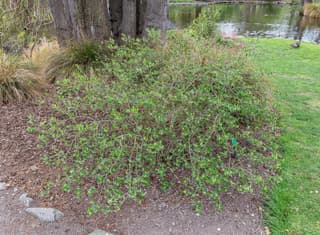
Black chokeberry
Aronia melanocarpa
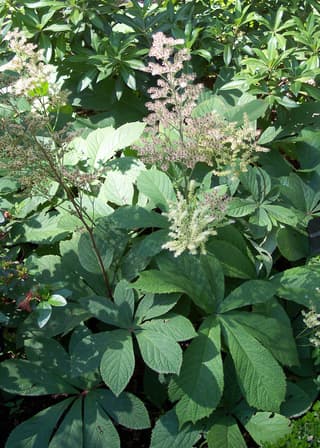
Chestnut-leaf Rodgersia
Rodgersia aesculifolia
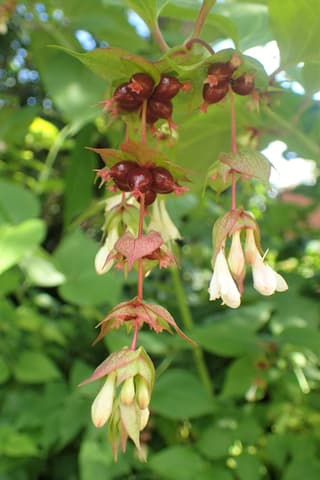
Himalayan honeysuckle
Leycesteria formosa
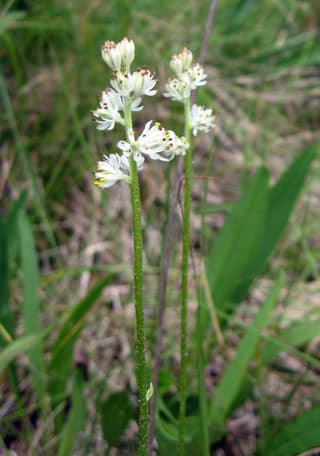
Sticky false asphodel
Triantha glutinosa
felt lichen
Peltigera
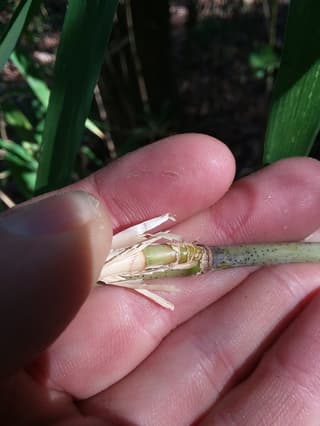
Switch cane
Arundinaria tecta
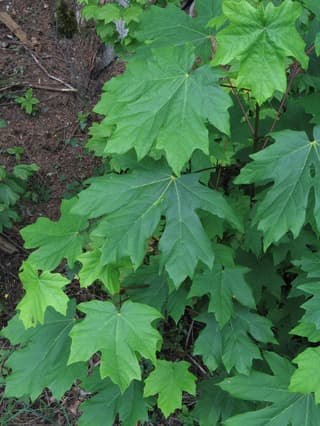
Bigleaf maple
Acer macrophyllum
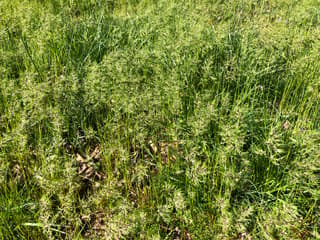
Lawn grass
Poaceae
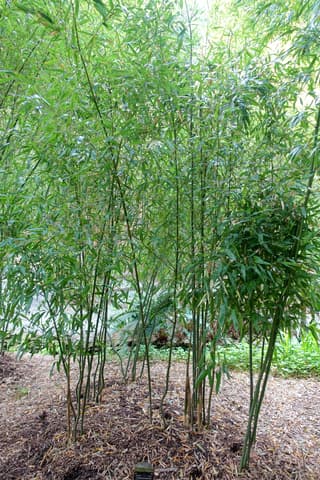
Yellow Groove Bamboo
Phyllostachys aureosulcata
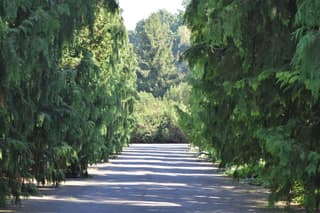
Lawson's Cypress
Chamaecyparis lawsoniana
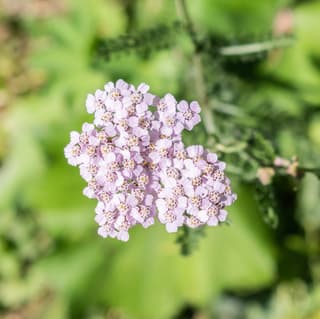
Yarrow
Achillea
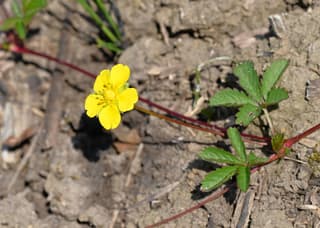
Creeping Cinquefoil
Potentilla reptans
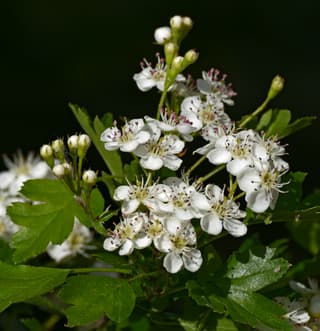
Common Hawthorn
Crataegus monogyna
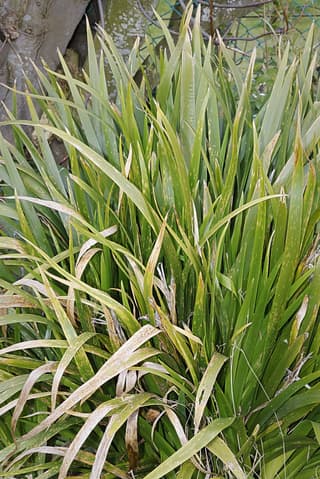
Stinking Iris
Iris foetidissima

Dove's-foot Crane's-bill
Geranium molle
Reindeer lichen
Cladonia rangiferina
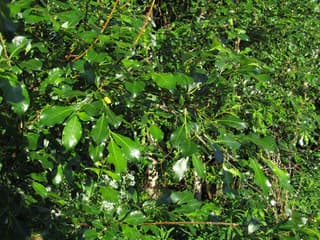
Tea-leaved Willow
Salix phylicifolia
Whitehorse Climate for Plant Growing
Whitehorse has a climate with an average annual temperature of 3°C and average relative humidity of 72%. These climate conditions are ideal for various species of ornamental and fruit plants.
Tips for Growing Plants in Whitehorse
To succeed in growing plants in Whitehorse, consider the average temperature of 3°C when choosing your species. Protect cold-sensitive plants during winter. High humidity favors tropical plants, but watch for fungal issues.
Why Choose Plants Adapted to the Local Climate?
Plants adapted to Whitehorse's climate require less care, consume less water, and are more likely to thrive. Our selection considers the compatibility between each species' needs and local climate conditions, including temperature (3°C) and humidity (72%).