Bloom
🌿

500 Best Pet Safe for Tampere | 2026 Guide - Page 5

The 500 best pet safe to grow in Tampere. Ideal climate: 5.4°C, 80.3% humidity.

🌡️ 5.4°C
💧 80.3%

500 Pet Safe for Tampere

Showing 145-180 of 500
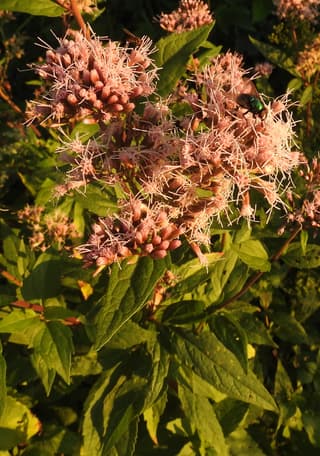
Boneset
145
★ 89%

Boneset

Eupatorium

Easy 💧 5 days 🌡️ -15°C - 30°C
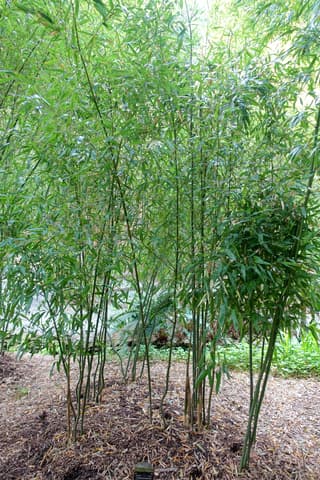
Yellow Groove Bamboo
146
★ 89%

Yellow Groove Bamboo

Phyllostachys aureosulcata
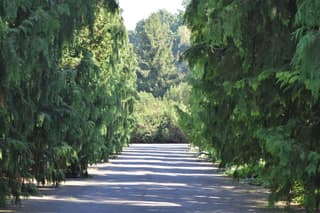
Medium 💧 7 days 🌡️ -20°C - 38°C
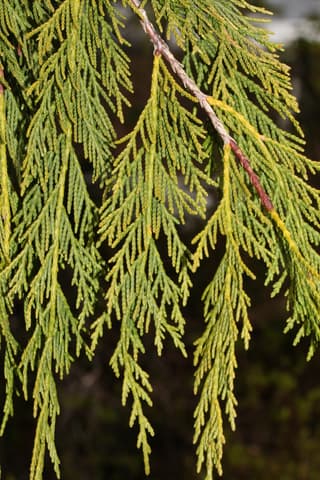
Lawson's Cypress
147
★ 89%

Lawson's Cypress

Chamaecyparis lawsoniana
Medium 💧 10 days 🌡️ -18°C - 35°C
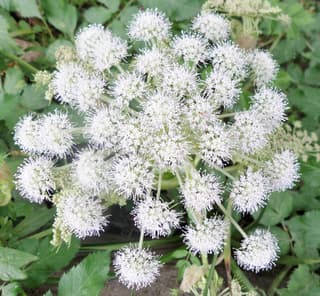
Wild Angelica
148
★ 89%

Wild Angelica

Angelica sylvestris

Medium 💧 7 days 🌡️ -20°C - 35°C
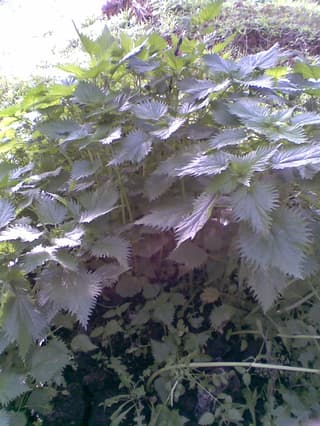
Stinging Nettle
149
★ 89%

Stinging Nettle

Urtica dioica

Easy 💧 7 days 🌡️ -20°C - 29°C
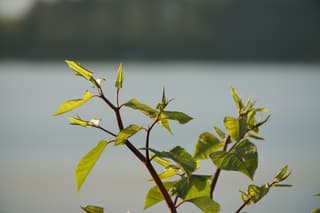
Knotweed
150
★ 89%

Knotweed

Reynoutria

Easy 💧 7 days 🌡️ -35°C - 35°C
Common Hazel
151
★ 89%

Common Hazel

Corylus avellana

Easy 💧 10 days 🌡️ -34°C - 38°C
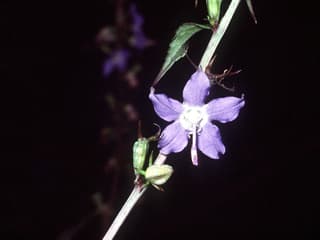
Tall Bellflower
152
★ 89%

Tall Bellflower

Campanulastrum americanum
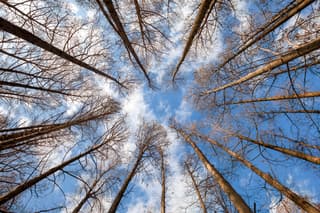
Easy 💧 4 days 🌡️ -30°C - 32°C
Dawn Redwood
153
★ 89%

Dawn Redwood

Metasequoia glyptostroboides
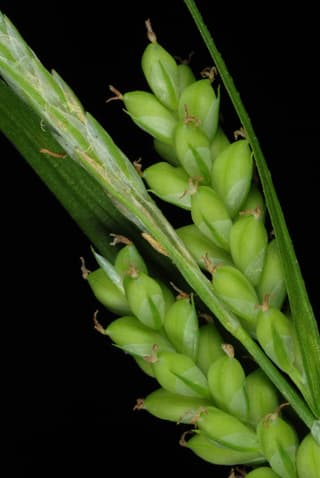
Easy 💧 7 days 🌡️ -30°C - 35°C
Eastern Woodland Sedge
154
★ 89%

Eastern Woodland Sedge

Carex blanda

Easy 💧 7 days 🌡️ -35°C - 35°C
Silver Birch
155
★ 88%

Silver Birch

Betula pendula

Easy 💧 14 days 🌡️ -40°C - 35°C
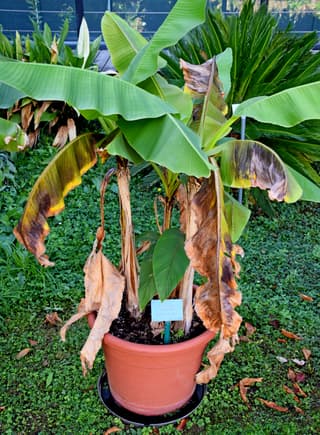
Japanese Banana
156
★ 88%

Japanese Banana

Musa basjoo

Easy 💧 4 days 🌡️ -12°C - 35°C
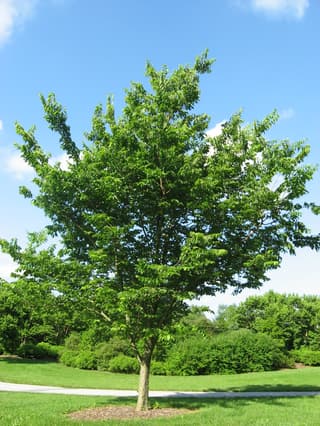
Common hackberry
157
★ 88%

Common hackberry

Celtis occidentalis

Easy 💧 14 days 🌡️ -40°C - 38°C
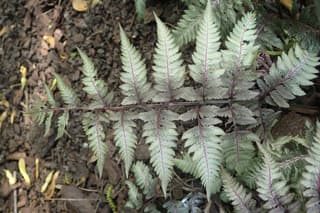
Japanese Painted Fern
158
★ 88%

Japanese Painted Fern

Athyrium niponicum
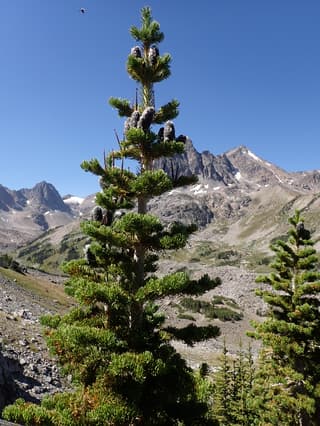
Easy 💧 5 days 🌡️ -29°C - 26°C
Subalpine Fir
159
★ 88%

Subalpine Fir

Abies lasiocarpa

Easy 💧 14 days 🌡️ -29°C - 25°C
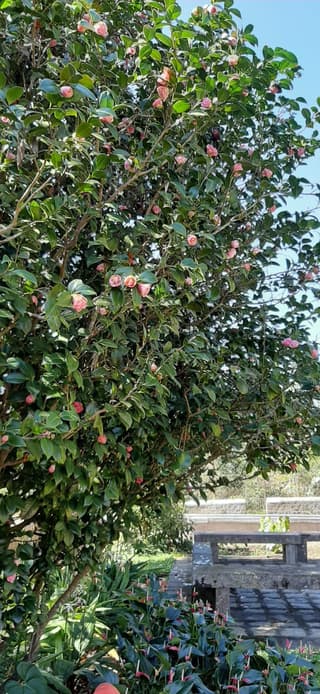
Sasanqua Camellia
160
★ 88%

Sasanqua Camellia

Camellia sasanqua

Medium 💧 7 days 🌡️ -12°C - 35°C
Nootka Cypress
161
★ 88%

Nootka Cypress

Callitropsis nootkatensis
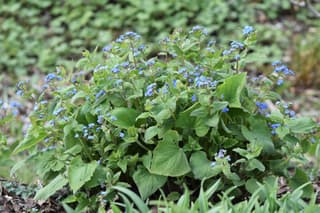
Medium 💧 10 days 🌡️ -34°C - 29°C
Siberian Bugloss
162
★ 88%

Siberian Bugloss

Brunnera macrophylla
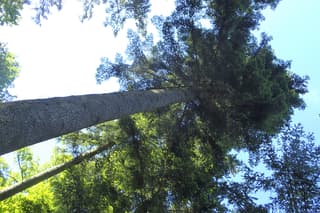
Easy 💧 7 days 🌡️ -35°C - 30°C
Nordmann fir
163
★ 88%

Nordmann fir

Abies nordmanniana

Medium 💧 10 days 🌡️ -30°C - 25°C
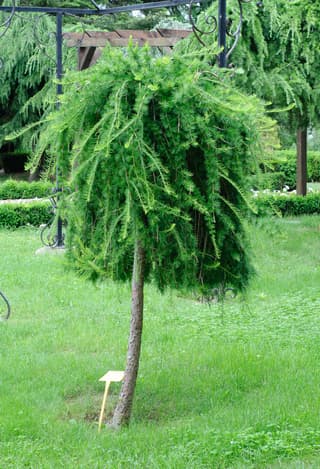
European Larch
164
★ 88%

European Larch

Larix decidua

Medium 💧 10 days 🌡️ -40°C - 32°C
Willowleaf Spiraea
165
★ 88%

Willowleaf Spiraea

Spiraea salicifolia
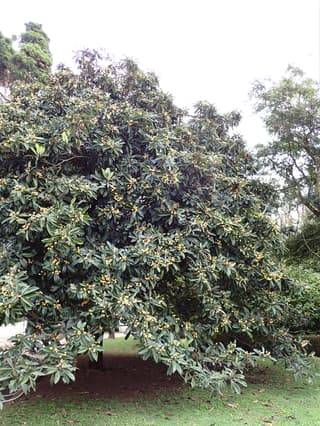
Easy 💧 4 days 🌡️ -34°C - 32°C
Loquat
166
★ 88%

Loquat

Rhaphiolepis bibas

Easy 💧 10 days 🌡️ -12°C - 35°C
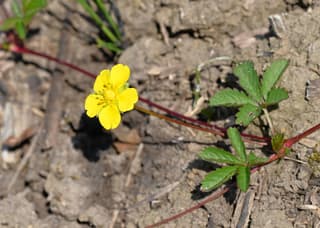
Creeping Cinquefoil
167
★ 88%

Creeping Cinquefoil

Potentilla reptans
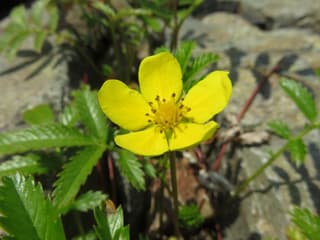
Easy 💧 7 days 🌡️ -15°C - 35°C
Silverweed
168
★ 88%

Silverweed

Argentina anserina

Easy 💧 5 days 🌡️ -30°C - 30°C
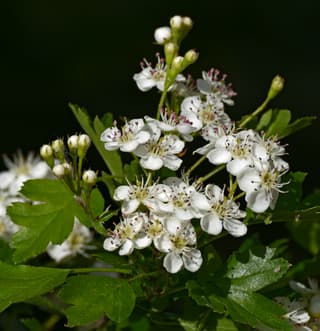
Common Hawthorn
169
★ 88%

Common Hawthorn

Crataegus monogyna

Easy 💧 7 days 🌡️ -15°C - 35°C
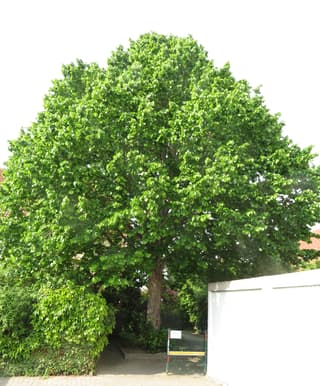
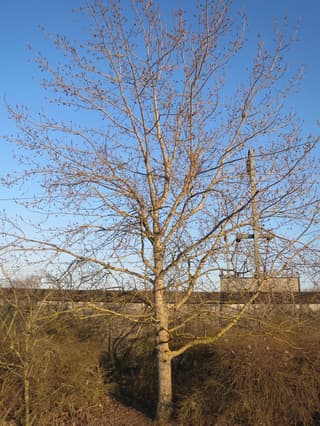
Poplar
170
★ 88%

Poplar

Populus

Easy 💧 7 days 🌡️ -40°C - 38°C
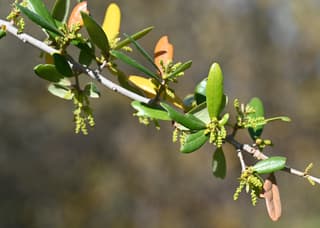
Southern Live Oak
171
★ 87%

Southern Live Oak

Quercus virginiana

Medium 💧 14 days 🌡️ -12°C - 40°C
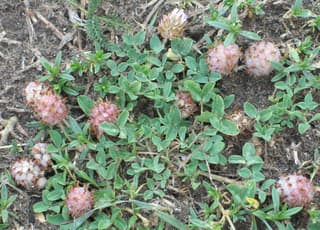
Strawberry Clover
172
★ 86%

Strawberry Clover

Trifolium fragiferum
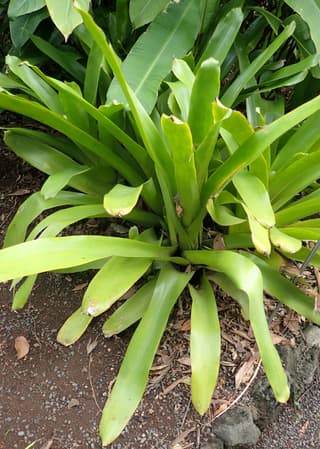
Easy 💧 7 days 🌡️ -4°C - 35°C
Orange Bromeliad
173
★ 86%

Orange Bromeliad

Aechmea blanchetiana
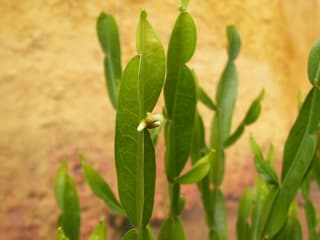
Easy 💧 10 days 🌡️ -3°C - 35°C
Carqueja
174
★ 86%

Carqueja

Baccharis trimera

Easy 💧 7 days 🌡️ -5°C - 35°C
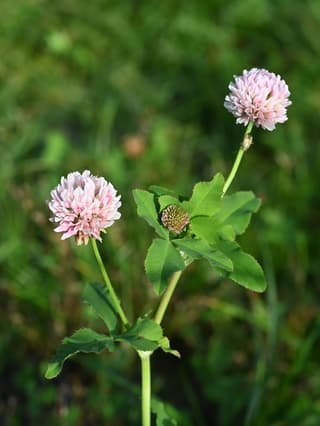
Alsike Clover
175
★ 85%

Alsike Clover

Trifolium hybridum

Easy 💧 7 days 🌡️ 15°C - 35°C
Barbados cherry
176
★ 85%

Barbados cherry

Malpighia emarginata

Medium 💧 7 days 🌡️ -1°C - 38°C
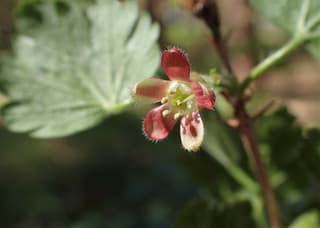
Gooseberry
177
★ 85%

Gooseberry

Ribes uva-crispa

Easy 💧 10 days 🌡️ -20°C - 32°C
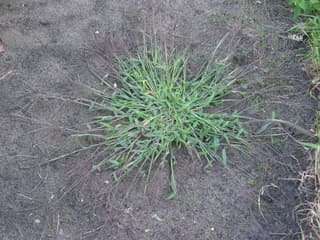
hairy crabgrass
178
★ 85%

hairy crabgrass

Digitaria sanguinalis
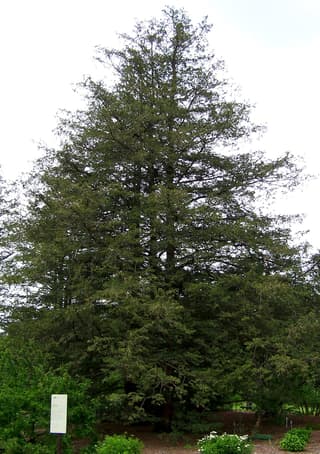
Easy 💧 4 days 🌡️ -2°C - 38°C
Sawara cypress
179
★ 84%

Sawara cypress

Chamaecyparis pisifera
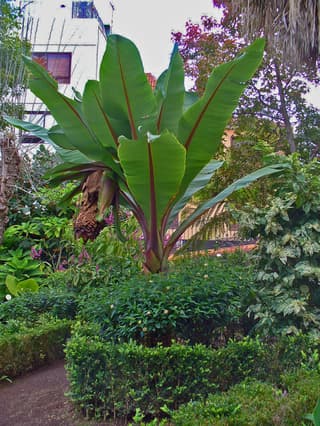
Medium 💧 10 days 🌡️ -29°C - 35°C
Abyssinian Banana
180
★ 84%

Abyssinian Banana

Ensete ventricosum

Medium 💧 7 days 🌡️ 2°C - 38°C

Ideal Pet Safe for Tampere's Climate

Tampere has an average temperature of 5.4°C and humidity of 80.3%, conditions that directly influence which pet safe best adapt to the local environment.

How to Grow Pet Safe in Tampere

To successfully grow pet safe in Tampere, consider that the average temperature of 5.4°C and humidity of 80.3% create a specific microclimate. High humidity favors tropical species, but requires attention to ventilation to prevent fungal issues.

Advantages of Choosing Adapted Pet Safe

Pet Safe adapted to Tampere's climate show greater resistance, healthy growth, and less need for interventions.